

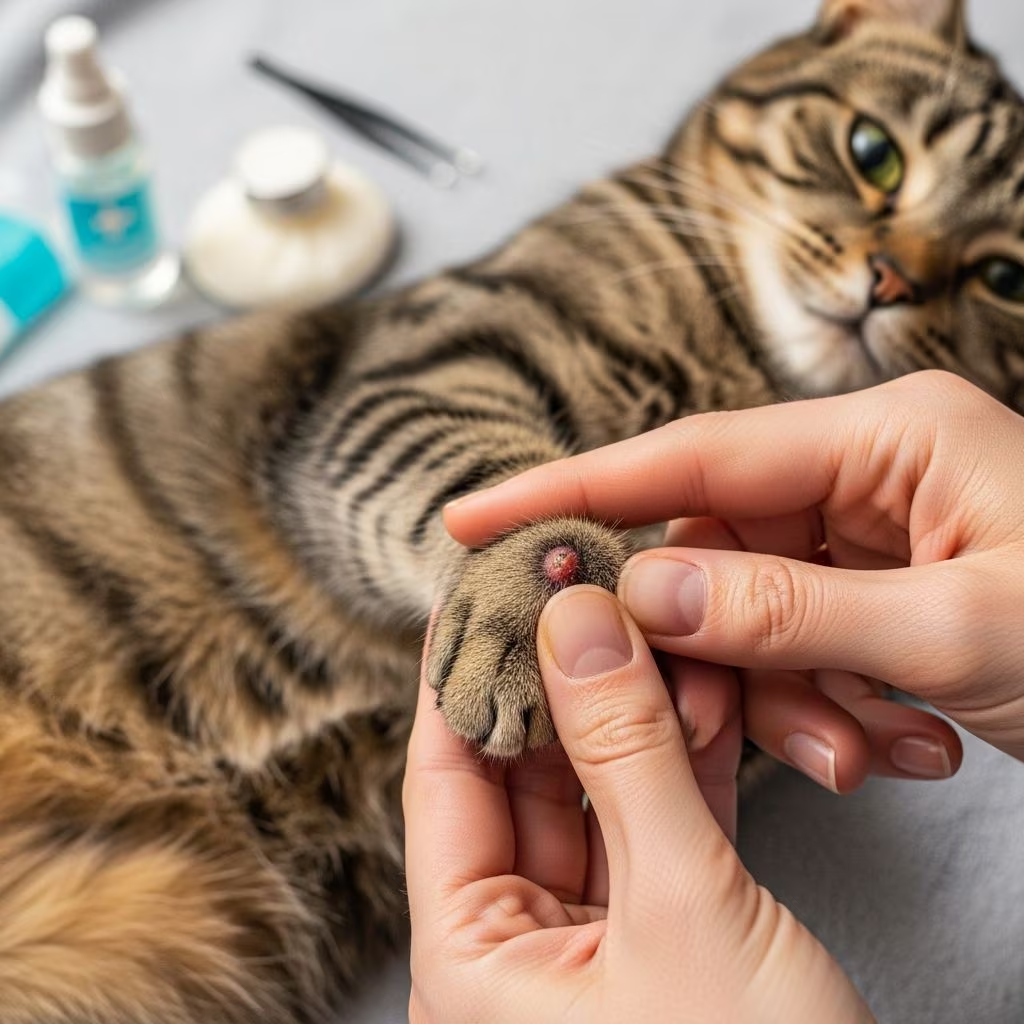
First Aid for Insect Stings in Cats
Cats are naturally curious creatures, and their exploratory nature often leads them to encounter flying insects like bees, wasps, and hornets. When your feline friend gets stung, knowing how to respond quickly and effectively can make all the difference in their comfort and safety. Insect stings can cause mild discomfort or, in severe cases, trigger life-threatening allergic reactions. This comprehensive guide covers essential first aid techniques, home remedies, and when professional veterinary care becomes necessary.
Removing the Stinger: Immediate First Steps
The first critical action after discovering your cat has been stung is to remove the stinger if one is present. Only honeybees leave stingers behind in the skin; other insects like wasps and hornets do not. Acting quickly to remove a bee stinger can reduce the amount of venom injected into your cat’s body.
When removing a stinger, use a firm, flat object such as a credit card or a dull knife blade to scrape it off. Gently scrape the stinger away from the sting site without pinching or pressing the area. Avoid using tweezers, as squeezing the stinger can release additional venom from the venom sac, intensifying your cat’s reaction. If you’re uncertain about removing the stinger safely or if your cat is too distressed, it’s best to leave it in place and seek immediate veterinary assistance.
Pay special attention to stings located inside your cat’s mouth or throat. These areas pose significant risks because swelling can obstruct airways and compromise breathing. If you suspect your cat has been stung in the mouth, transport them to a veterinarian immediately without attempting home treatment.
Soothing the Bite Site at Home
After removing the stinger, focus on providing immediate relief to reduce discomfort and inflammation. Several effective home remedies can help soothe the sting site.
Baking Soda Paste: Mix baking soda with water to create a thick paste and apply it directly to the sting site. This alkaline solution helps neutralize venom and reduces itching. Leave the paste on for 15-20 minutes, then gently rinse it away with cool water.
Oatmeal Baths: If your cat has multiple stings or bites across their body, an oatmeal bath provides soothing relief. Grind plain oatmeal into a fine powder and mix it with lukewarm water to create a milky solution. Gently bathe your cat in this mixture, allowing the oatmeal to coat affected areas. This natural remedy reduces inflammation and calms irritated skin.
Cool Water Rinse: Rinse the affected area with cool water to help flush away any remaining venom and provide immediate cooling relief. Avoid using hot water, as heat can increase inflammation and intensify itching.
Minimizing Swelling With Ice Therapy
Applying cold therapy is one of the most effective ways to reduce swelling and provide pain relief following an insect sting. Cold constricts blood vessels, decreasing inflammation and numbing the area.
Proper Ice Application: Apply an ice pack to the affected area for 10 minutes at a time. Never place ice directly on your cat’s skin or fur, as this can cause tissue damage or discomfort. Instead, wrap the ice pack in a thin towel, cloth, or T-shirt before application. A bag of frozen peas works well for individual stings, conforming easily to the affected area. For larger areas or multiple stings, use a cooled towel or a commercial gel ice pack.
Frequency: You can repeat ice application every 2-3 hours for the first 24 hours following the sting. Monitor your cat’s comfort level and discontinue if they show signs of distress or cold sensitivity.
Preventing Allergic Reactions With Antihistamines
Antihistamines are crucial medications that help minimize allergic reactions and decrease itching. They work by blocking histamine receptors in the body, reducing the inflammatory response to venom.
Medication Selection: Diphenhydramine (brand names: Benadryl®, Vetadryl®) is a common antihistamine used for cats experiencing insect stings. This medication effectively reduces allergic symptoms and provides relief from itching.
Dosage: The typical dose is 1/2 milligram per pound of body weight. For example, a 10-pound cat would receive 5 milligrams of liquid diphenhydramine. However, always consult your veterinarian before administering any medication, as they can recommend the appropriate dose for your cat’s specific weight and health status. Your veterinarian can also advise whether the antihistamine is suitable given your cat’s medical history.
Important Precautions: Some human antihistamine products contain alcohol or additional medications that may be harmful to cats. Ensure you use a feline-safe formulation or follow your veterinarian’s specific recommendations. Never give medications intended for human use without veterinary guidance.
Administering Oral Medication to Your Cat
Giving oral medication to a stressed or uncomfortable cat requires patience and gentle handling. Here are effective techniques to successfully administer antihistamines:
Preparation and Restraint: Have an assistant help if possible. Gently but firmly restrain your cat, positioning them safely on a table or in your lap. If your cat is particularly anxious or aggressive, wrap the entire body (excluding the head) in a large towel to prevent scratching and provide a sense of security.
Administration Method: Gently hold your cat’s mouth shut and tip the head up slightly. Using a plastic eyedropper or dose syringe, insert the applicator into the corner of your cat’s mouth and place the liquid medication slowly into the mouth. Allow your cat to swallow each small amount before administering more. This gradual approach prevents choking or aspiration.
Encouraging Swallowing: Gently rub your cat’s throat to stimulate the swallowing reflex and help the medication go down smoothly. Your assistant can provide reassurance by speaking in calm, soothing tones throughout the process.
Reducing Scratching and Preventing Infection
Constant scratching and licking at sting sites can cause significant complications. Breaking the skin through repeated scratching introduces bacteria, leading to secondary infections that require antibiotic treatment and complicate recovery.
Elizabethan Collar (Cone): Use an Elizabethan collar, commonly called a cone or e-collar, if your cat continuously licks or scratches at the bite wound. This protective device physically prevents your cat from reaching the affected area. While some cats initially resist wearing a cone, it remains the most effective way to prevent self-trauma during healing.
Environmental Management: Provide your cat with engaging toys and activities to distract from the urge to lick or scratch. Keep your cat indoors during recovery to minimize contact with dirt and additional insects. Ensure bedding is clean and comfortable to reduce discomfort.
Maintaining Hydration and Proper Nutrition
Supporting your cat’s overall health during recovery involves maintaining adequate hydration and nutrition. This becomes especially important if the sting affects your cat’s mouth or throat area.
Water Intake: Provide fresh, clean water at all times. Some cats may be reluctant to drink if their mouth is sore or swollen. You can encourage hydration by offering water in a shallow dish or using a water fountain, which often appeals to cats more than still water.
Modified Diet: Cats stung in the mouth or throat may find eating difficult due to swelling and discomfort. Feed moist food such as wet cat food, which is easier to consume than dry kibble. If you must use dry food, soften it by mixing with warm water or cat broth to make it more palatable and easier to chew. Dry food softened with water is less likely to upset the gastrointestinal tract than canned food alone.
Monitor Appetite: Keep track of your cat’s eating and drinking habits. A significant decrease in food or water intake lasting more than 24 hours warrants veterinary attention.
Recognizing Severe Allergic Reactions
While most insect stings cause mild local reactions, some cats experience severe allergic responses requiring immediate emergency care. Recognizing the signs of anaphylaxis or serious allergic reactions is critical.
Warning Signs: Seek immediate veterinary care if your cat exhibits any of the following symptoms:
– Difficulty breathing or labored respiration
– Facial or throat swelling
– Vomiting or diarrhea
– Weakness or lethargy
– Collapse or loss of consciousness
– Abnormal or pale gum color
– Excessive drooling
– Trembling or seizures
– Rapid or irregular heartbeat
These symptoms indicate a severe allergic or anaphylactic reaction requiring professional medical intervention. Do not delay seeking veterinary care if you observe any of these signs.
Professional Veterinary Treatment for Severe Reactions
When your cat experiences a severe allergic reaction to an insect sting, veterinary treatment focuses on reducing the allergic response and preventing shock or organ damage.
Emergency Medical Interventions: Your veterinarian may administer several medications and supportive treatments:
– Antihistamines: Injectable antihistamines provide faster and more potent relief than oral medications
– Corticosteroids: These powerful anti-inflammatory medications reduce severe swelling and systemic reactions
– Epinephrine: In cases of anaphylaxis, epinephrine is administered to reverse the severe allergic response and stabilize vital functions
– Intravenous (IV) Fluids: IV therapy maintains hydration, stabilizes blood pressure, and supports organ function during crisis
– Oxygen Therapy: Supplemental oxygen helps ensure adequate respiration when airways are compromised
Diagnostic Testing: Your veterinarian may recommend blood and urine tests to evaluate organ function and rule out complications from the sting or allergic reaction.
Hospital Care and Recovery
Cats experiencing severe reactions typically require hospitalization for continuous monitoring and supportive care. The length of hospital stay depends on your cat’s response to treatment.
Typical Hospital Duration: Most cats remain hospitalized for one to two days, though some may require longer observation depending on the severity of their reaction and how quickly they respond to therapy. Your veterinarian will determine the appropriate discharge time once your cat’s condition stabilizes and the risk of complications decreases significantly.
Post-Hospital Care: Upon discharge, follow all veterinary instructions carefully. Your veterinarian may prescribe medications to continue at home, dietary modifications, or activity restrictions during recovery.
Long-Term Prevention: The Epi-Pen Option
If your cat has experienced a severe allergic reaction to an insect sting, your veterinarian may prescribe an Epi-Pen (epinephrine auto-injector) for future use. This prescription device allows you to administer life-saving medication immediately if your cat is stung again.
Understanding the Purpose: An Epi-Pen is not meant to replace emergency veterinary care but rather to provide immediate stabilization while transporting your cat to the veterinarian. Having an Epi-Pen on hand ensures you can respond quickly if your cat reacts severely to an insect sting in the future.
Education and Preparation: Your veterinarian will provide detailed instructions on how to use the Epi-Pen, storage requirements, and expiration dates. Keep the device easily accessible and ensure all family members understand how to use it in an emergency.
Balancing Safety and Lifestyle: While it’s important to be prepared for potential sting reactions, the goal is not to unnecessarily restrict your cat’s activities or natural curiosity. Rather, maintaining an Epi-Pen prescription represents responsible pet ownership that allows your cat to enjoy outdoor exploration with emergency backup ready if needed.
Prevention Strategies
While you cannot completely prevent your cat from encountering insects, several strategies can reduce the risk of stings:
– Supervise outdoor time, particularly during peak insect seasons
– Keep your cat indoors during dawn and dusk when many insects are most active
– Remove attractants like open garbage cans or pet food left outside
– Avoid areas with known bee or wasp nests
– Consider using screens on windows and doors to prevent accidental indoor insect encounters
– Maintain awareness of your cat’s surroundings during outdoor activities
Frequently Asked Questions About Insect Stings in Cats
Q: How can I tell if my cat has been stung by a bee versus a wasp?
A: Bees leave their stinger behind in the skin, while wasps do not. If you see a stinger embedded in your cat’s skin, it was stung by a bee. Regardless of the insect type, the initial first aid treatment is similar: remove any stinger, apply cold therapy, and monitor for allergic reactions.
Q: Is it safe to use human Benadryl on my cat?
A: Some human Benadryl formulations contain alcohol or other ingredients that may be harmful to cats. Always consult your veterinarian before giving any medication, including Benadryl, to your cat. Your veterinarian can recommend safe, feline-appropriate antihistamine options and provide proper dosing instructions.
Q: What should I do if my cat is stung in the mouth?
A: Stings inside the mouth or throat are emergencies requiring immediate veterinary care. Swelling in these areas can obstruct airways and cause breathing difficulties. Do not attempt home treatment—transport your cat to the veterinarian or emergency clinic immediately.
Q: How long does it typically take for an insect sting to heal?
A: Most minor insect stings resolve within 24-48 hours with proper first aid. Swelling and itching should decrease significantly during this time. If symptoms persist beyond 48 hours or worsen, consult your veterinarian.
Q: Can my cat have an allergic reaction to an insect sting hours after being stung?
A: Yes, allergic reactions can develop over several hours. This is why monitoring your cat after any sting is crucial. If you notice any signs of allergic reaction or swelling within 12 hours after a sting, contact your veterinarian immediately.
Q: My cat has been stung multiple times. Is this more serious?
A: Multiple stings increase the total venom load in your cat’s system, raising the risk of severe allergic reactions. Cats with multiple stings should be monitored closely and may require veterinary evaluation to rule out systemic reactions.
Q: Should I apply a cold compress or warm compress to an insect sting?
A: Cold therapy is recommended for insect stings. Ice or cold compresses reduce swelling and provide pain relief. Warm therapy can increase inflammation and should be avoided immediately after a sting.
Q: When should I contact my veterinarian about an insect sting?
A: Contact your veterinarian if your cat shows signs of allergic reaction (swelling, difficulty breathing, vomiting), if the sting is in the mouth or throat, if swelling persists beyond 48 hours, if your cat develops an infection at the sting site, or if you’re unsure about any aspect of treatment.
References
- First Aid for Insect Stings in Cats — VCA Animal Hospitals. 2024. https://vcahospitals.com/know-your-pet/first-aid-for-insect-stings-in-cats
- First Aid for Insect Stings in Cats — Companion Animal Clinic Virginia. 2024. https://companionanimalclinicvirginia.com/blog/first-aid-for-insect-stings-in-cats/
- Treating Wasp and Bee Stings in Cats: Symptoms and Care — Pets Care. 2024. https://www.petscare.com/news/post/treating-wasp-bee-stings-cats
- Cat First Aid: How to Help Your Pet in an Emergency — Purina US. 2024. https://www.purina.com/articles/cat/health/routine-care/cat-first-aid
- What To Do When Your Cat Is Stung by a Bee or Wasp — Chewy. 2024. https://www.chewy.com/education/cat/health-and-wellness/cat-stung-by-bee



