

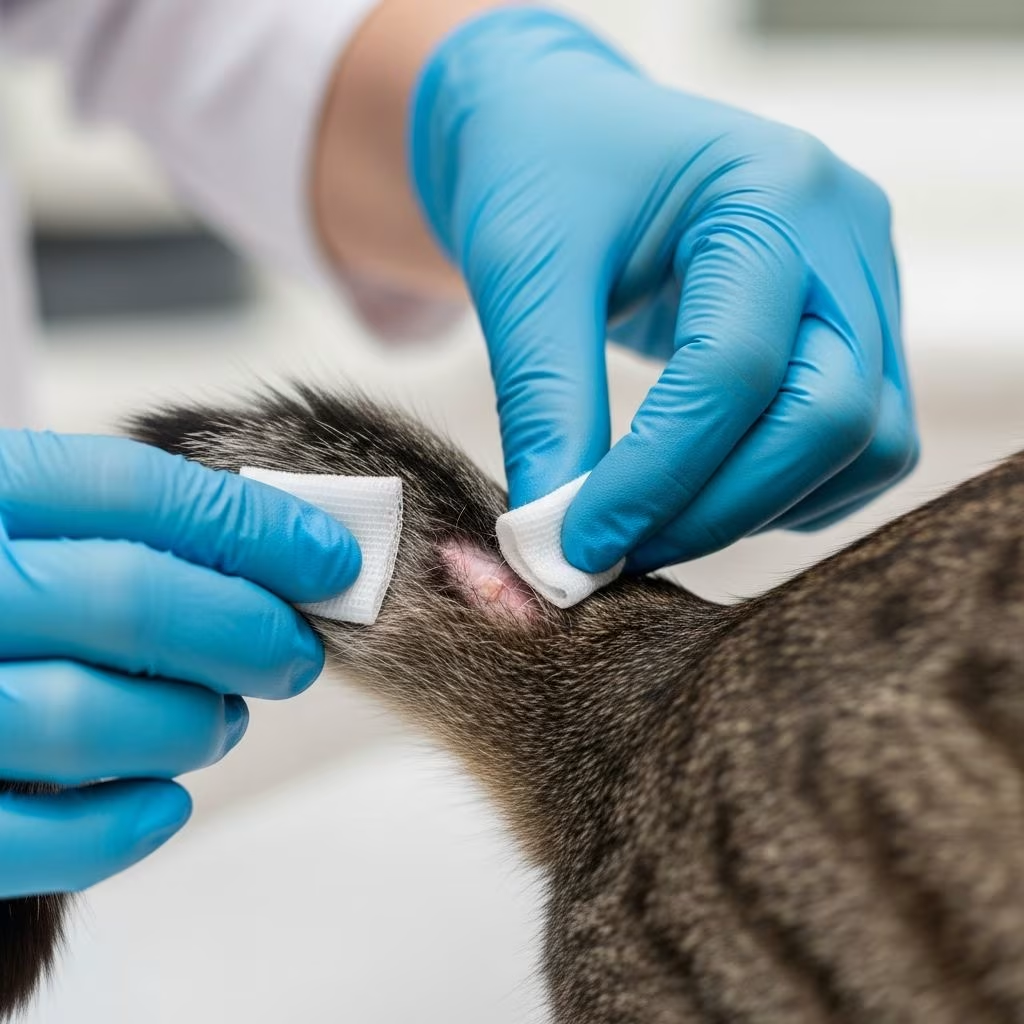
First Aid for Injured Tails in Cats
A cat’s tail is a sensitive and important part of their body, serving functions in balance, communication, and spinal cord support. When a cat injures its tail, it can range from a minor scrape to a serious injury that requires immediate veterinary attention. Understanding how to provide proper first aid for tail injuries is crucial for cat owners. This guide will help you recognize different types of tail injuries, provide appropriate initial care, and know when to seek professional veterinary help.
Understanding Cat Tail Injuries
Cat tail injuries can occur in various ways and present differently depending on the cause and severity. The tail contains vertebrae that connect to the spinal cord, making it a delicate structure that requires careful handling. Common causes of tail injuries include accidents with doors, being stepped on, trauma from vehicles, tail pulling by children or other animals, and fights with other pets. Each type of injury may require different first aid approaches.
Types of Tail Injuries
Tail injuries can be categorized into several types, each with distinct characteristics:
- Cuts and Lacerations: Open wounds that may bleed and risk infection
- Abrasions and Scrapes: Surface-level injuries where hair and skin are rubbed away
- Bite Wounds: Puncture wounds from other animals, particularly prone to infection
- Fractures and Dislocations: Broken bones or vertebrae slipping out of place
- Crush Injuries: Damage from being caught in doors or stepped on
- Nerve Damage: Injuries that affect the spinal cord or nerve function
- Abscesses: Infected areas that form pockets of pus
Initial Assessment and Safety
When you discover your cat has a tail injury, the first step is to remain calm and assess the situation safely. An injured cat may be in pain and could scratch or bite if frightened. Approach your cat slowly and speak in soothing tones. If your cat is extremely aggressive or in severe distress, it may be safer to transport them directly to a veterinarian rather than attempting initial assessment at home.
Examining the Injury
Gently observe your cat’s tail without forcing any movement. Note whether the tail hangs limp, if your cat can raise it, or if it appears twisted or at an unusual angle. Carefully watch your cat’s reaction when you lightly touch different parts of the tail. Pay attention to whether your cat responds with discomfort or shows no reaction, which could indicate loss of sensation. A limp tail that cannot be lifted, especially combined with other neurological signs, suggests possible nerve damage requiring immediate veterinary care.
First Aid Steps for Different Injuries
Treating Cuts and Lacerations
For cuts on your cat’s tail, immediate action helps prevent excessive bleeding and infection. First, take a piece of sterile gauze and apply direct pressure to the wound. This step is critical to stop or slow any bleeding. Apply pressure for several minutes if needed. Once bleeding is controlled, gently clean the area with warm water and mild antiseptic or antibacterial soap. Rinse thoroughly to remove any debris or dirt. After cleaning, cover the wound with a sterile bandage to protect it from further contamination.
Even for seemingly minor cuts, veterinary evaluation is important. Your veterinarian can assess whether the cut is superficial or extends deeper into tissue, determine if stitches are needed, prescribe antibiotics to prevent infection, or recommend pain medication if necessary. Deep cuts that involve significant bleeding or are longer than half an inch warrant immediate veterinary attention.
Addressing Abrasions and Scrapes
Minor abrasions where hair is rubbed off and red skin is exposed can often be managed at home initially. Clean the area gently with sterile saline wound wash. Do not use hydrogen peroxide, as this can damage healthy tissue and slow healing. After cleaning, apply veterinarian-approved antibiotic ointment. Avoid using Neosporin or other over-the-counter products without consulting your veterinarian first, as some products may not be safe for cats.
Because scrapes and abrasions are irritating and painful, cats often attempt to lick the injured area. This is problematic because bacteria from your cat’s mouth can be introduced into the wound, leading to infection. If you notice your cat licking, scratching, or biting the injured area, place an Elizabethan collar (e-collar) on your cat to prevent self-trauma. For more severe abrasions, a tail wrap combined with antibiotic ointments may assist in the healing process and protect the area from further irritation.
Managing Bite Wounds
Bite wounds require immediate veterinary attention due to the high risk of serious infection. Cat bites, in particular, harbor bacteria in feline saliva that can lead to significant health issues including viral infections and abscesses. Before heading to your veterinarian’s office, gently clean the area with antibacterial soap and bandage the wound if possible. However, do not delay veterinary care while attempting extensive home treatment. Your veterinarian will assess the wound, determine if antibiotics are necessary, and provide appropriate treatment to prevent complications.
Handling Burns
Tail burns require immediate veterinary evaluation and should not be treated solely at home. If your cat has suffered a burn to the tail, immediately immerse the affected area in cool (not ice-cold) water for several minutes to stop the burning process. Cover the burn loosely with a clean cloth to prevent contamination. Do not apply ice directly, as this can cause additional tissue damage. Transport your cat to a veterinary clinic immediately for proper assessment and treatment.
Treating Abscesses
Abscesses are pockets of infection that may develop following puncture wounds or bites. For initial at-home treatment of a developing abscess, clip any hair around the affected area to improve visibility and allow better drainage. Apply a hot, moist compress to begin the draining process. You should apply the compress two to three times daily for about 20 minutes each session. Clean the area regularly with antibacterial soap and hydrogen peroxide to promote drainage and prevent further infection.
Monitor the abscess closely for signs of improvement. If you do not see significant improvement within three days, bring your cat to the veterinarian. The abscess may have become more serious and may require antibiotics, surgical drainage, or additional treatment to resolve properly.
Recognizing Serious Injuries Requiring Emergency Care
Signs of Nerve Damage
The most serious type of tail injury involves damage to the nerves and spinal cord. Nerve damage typically occurs from trauma such as tail pulling, crushing injuries, or severe stretching. Traffic accidents and getting the tail caught in doors are common scenarios that can lead to nerve damage. Signs of nerve damage include inability to urinate or defecate, hind leg weakness or paralysis, complete tail paralysis, or severe pain when the tail is touched.
Rush your cat to an emergency veterinary clinic immediately if you observe any of these symptoms. These signs suggest nerve damage affecting the spinal cord, which requires prompt professional evaluation and treatment. The sooner your cat receives veterinary care, the better the chances of preventing permanent damage or complications.
Severe Injuries
Other indicators that your cat needs emergency care include severe bleeding that does not stop after 15 minutes of pressure, open wounds with bone or tissue exposure, complete separation of the tail from the body, signs of extreme pain, or behavioral changes such as inability to walk or loss of consciousness. Any of these conditions warrant immediate transport to an emergency veterinary hospital.
When to Contact Your Veterinarian
Emergency Situations
Contact an emergency veterinary hospital immediately if your cat cannot urinate or defecate, shows complete tail paralysis, displays extreme pain when the tail is touched, has open wounds with significant contamination, or shows hind leg weakness. Describe all symptoms in detail when calling, including when the injury happened and any changes in your cat’s behavior. Ask whether you should bring your cat in right away or if you can monitor at home while awaiting an appointment.
Non-Emergency Veterinary Visits
For mild to moderate injuries with no signs of nerve damage, schedule a veterinary appointment within 24 hours. Your primary care veterinarian can assess the injury, prescribe medications if needed, and provide guidance on home care. Bring any information about how the injury occurred and what you have observed about your cat’s behavior and symptoms.
Home Care and Comfort During Recovery
Creating a Comfortable Environment
After the initial injury and first aid, provide your cat with a quiet, warm resting area where they can lie comfortably without pressure on the injured tail. This calm environment helps reduce stress and promotes healing. Keep the resting area away from other pets and children who might accidentally bump the tail or cause additional stress. Ensure your cat has easy access to food, water, and litter box, positioning these items so your cat does not need to move the injured tail to use them.
Activity Restriction
Limit your cat’s activity to prevent further injury to the tail. Confine your cat to a small, comfortable space such as a bedroom or large bathroom where they can rest safely. Avoid activities that might re-injure the tail, such as playing with string toys or rough play with other animals. Restrict jumping and climbing if possible, as these activities can put stress on the tail and affect healing.
Medication Administration
Administer all prescribed medications exactly as directed by your veterinarian. This typically includes pain medication and anti-inflammatory drugs to reduce swelling and discomfort. Never give your cat human pain relievers without veterinary approval, as many common medications such as ibuprofen and acetaminophen are toxic to cats. If your cat is prescribed antibiotics, complete the full course even if the injury appears to be improving.
Preventing Self-Trauma
Use an Elizabethan collar (e-collar) if your cat licks, bites, or scratches at the injured area. This prevents introduction of bacteria from the cat’s mouth into the wound and prevents further damage. Cats may initially resist wearing an e-collar, but most adapt quickly. Ensure the collar fits properly and does not impede your cat’s ability to eat, drink, or use the litter box.
Treatment Options for Different Injury Severities
Minor Injuries
For minor cuts, abrasions, and scratches, conservative management with home care is often sufficient. Rest and careful monitoring may be all that is required. Your cat may recover fully within one to two weeks with no lasting effects. Continue monitoring for signs of infection such as increased swelling, discharge, or behavioral changes indicating pain.
Moderate Injuries
Moderate injuries such as deeper lacerations, partial fractures, or dislocation may require veterinary treatment including prescription antibiotics to prevent infection, anti-inflammatory medications for pain and swelling, and possibly immobilization or bandaging. In many cases, the tail will regain normal function over time with appropriate care. Your veterinarian may recommend follow-up appointments to monitor healing progress.
Severe Injuries
Severe injuries involving extensive nerve damage, significant fractures, or severe crush injuries may require surgical intervention. This could involve repairing fractured vertebrae, decompressing the spinal cord, or removing dead tissue. In cases where the tail is severely damaged and cannot heal, your veterinarian may recommend tail amputation. While this may sound alarming, cats can adapt quite well to life without a tail. Amputation can prevent further complications and discomfort, and most cats continue to live happy, active lives with a shortened or absent tail.
Recovery Timeline and Prognosis
Recovery time depends on the severity and type of injury. Minor abrasions may heal within 5-10 days, while more serious injuries may take several weeks or longer. Tail fractures often heal well on their own with supportive care, though the tail may remain slightly kinked or curved. Nerve damage recovery is less predictable; some cats regain function over weeks to months, while others may have permanent damage.
Regular follow-up appointments with your veterinarian help assess your cat’s progress and adjust their care plan as needed. Keep detailed notes about your cat’s behavior, appetite, bathroom habits, and tail function to share with your veterinarian. These observations help determine if the injury is healing properly or if additional treatment is needed.
Frequently Asked Questions
Q: How can I tell if my cat’s tail is broken?
A: Signs of a broken tail include visible deformity, swelling, inability to move the tail, pain when touched, or unusual angle or position. Your veterinarian can confirm with X-rays.
Q: Can I use regular bandages on my cat’s tail?
A: Use veterinary bandages rather than human bandages, as they are designed to stay in place better and not restrict blood circulation. Ask your veterinarian for recommendations.
Q: What should I do if my cat won’t stop licking the injured tail?
A: Use an Elizabethan collar to prevent licking. Alternatively, wrap the tail with a bandage, keeping it clean and secure to prevent the cat from accessing the wound.
Q: Is tail amputation dangerous for cats?
A: No, cats adapt well to living without a tail. While the tail aids in balance and communication, cats can continue normal activities and maintain quality of life after amputation.
Q: How long does it take for a cat’s tail to heal?
A: Minor injuries heal in 5-14 days, while fractures and more severe injuries may take 4-6 weeks or longer. Nerve damage recovery varies significantly.
Q: When should I seek emergency care for a tail injury?
A: Seek emergency care if your cat cannot urinate or defecate, shows complete tail paralysis, displays extreme pain, has severe bleeding, or shows signs of nerve damage.
Q: Can I treat my cat’s tail bite wound at home?
A: While you can perform initial cleaning, veterinary evaluation is essential due to infection risk. Bite wounds require professional assessment and likely antibiotic treatment.
References
- How to Treat a Cat Tail Injury — PetCareRx. 2024. https://www.petcarerx.com/article/how-to-treat-a-cat-tail-injury/1515
- Understanding Cat Tail Injuries: Causes, Symptoms, and Treatment — PetsCare. 2024. https://www.petscare.com/news/post/cat-tail-injuries-symptoms-treatment
- Emergency Care for a Cat Tail Pull Injury — Grayson-Veterinary Surgical Services. 2024. https://gsvs.org/blog/emergency-cat-tail-pull-injury/
- Tail Pull Injury in Cats: Common Treatments — Advanced Animal Care. 2024. https://aac.vet/blog/tail-pull-injury-in-cats/
- Broken Cat Tail: Symptoms & Treatment — Fetch Vets. 2024. https://fetchvets.com/blog/broken-cat-tail-treatment/
- Broken Cat Tail & Other Tail Injuries — Whisker. 2024. https://www.whisker.com/blog/broken-cat-tail-injuries



