
Hot Spots In Dogs: Causes, Treatment, Prevention Guide
Learn how to identify, treat, and prevent painful hot spots in dogs with expert guidance.
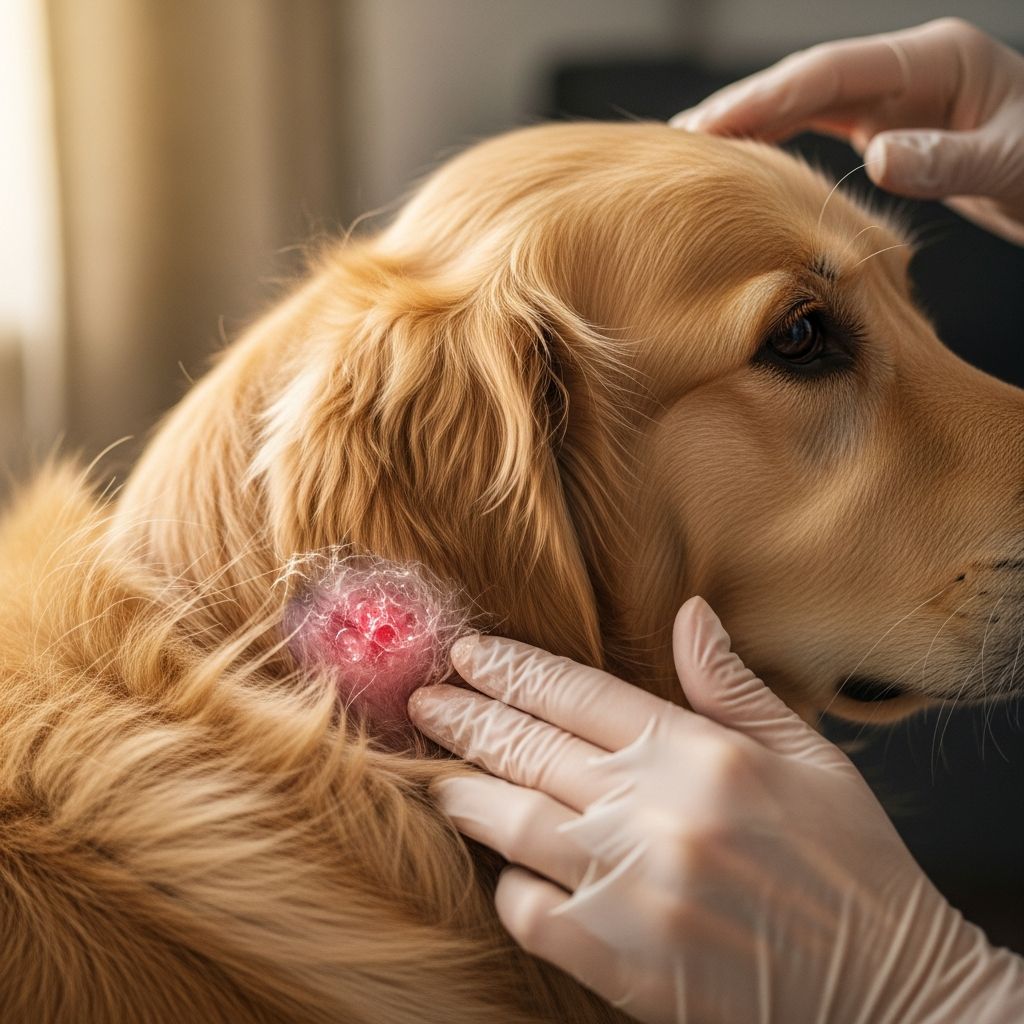
Understanding Hot Spots in Dogs
Hot spots, also known as acute moist dermatitis, are painful skin lesions that develop rapidly on your dog’s body. These sores are characterized by their oozing nature, potential for containing pus, and the distinctive unpleasant odor they may emit. Hot spots appear suddenly and are typically exacerbated by excessive scratching, licking, and biting—behaviors that can quickly transform a minor irritation into a serious skin infection.
While hot spots can appear anywhere on a dog’s body, they most commonly develop on the head, legs, and hips. These painful sores may be quite obvious or hidden beneath matted fur, making regular grooming and skin inspections essential for early detection. The rapid progression of hot spots means that prompt intervention is crucial to prevent complications and reduce your dog’s discomfort.
Common Causes of Hot Spots
Understanding what triggers hot spots is essential for effective treatment and prevention. Hot spots rarely develop without an underlying cause, and identifying this root cause is critical to stopping the cycle of skin trauma and infection.
Parasitic Issues
Flea allergy dermatitis is one of the most common culprits behind hot spots in dogs. Even a single flea bite can trigger an allergic reaction in sensitive dogs, leading to intense itching and the subsequent self-trauma that creates a hot spot. Dogs with flea allergies often develop hot spots during warmer months when flea populations peak.
Allergic Reactions
Both environmental allergies (atopy) and food allergies can cause the itching and inflammation that lead to hot spots. Dogs suffering from inhalant allergies to pollen, dust, or mold may experience seasonal hot spot development, while food allergies can cause year-round issues. These allergic reactions create an inflammatory response in the skin that makes dogs more prone to developing lesions when they scratch and lick.
Ear Infections
Underlying yeast or bacterial ear infections frequently cause dogs to scratch and shake their heads excessively, potentially creating hot spots on the head and ears. The itching sensation from ear infections motivates intense grooming behavior that can damage the skin’s protective barrier.
Joint and Mobility Issues
Dogs with arthritis or other joint problems may lick and chew at affected areas in an attempt to self-soothe their pain. This constant licking behavior can quickly develop into a hot spot, particularly on the hips, legs, or shoulders where arthritis commonly occurs.
Anal Gland Problems
Impacted anal glands cause significant discomfort and itching in the anal region, prompting excessive licking and scooting that can result in hot spots developing in this sensitive area.
Behavioral and Environmental Factors
Boredom, anxiety, and stress can drive excessive licking and chewing behaviors that damage the skin. Additionally, poor grooming practices or neglected coat maintenance can create matted fur and accumulated moisture that provides an ideal environment for hot spot development.
How Are Hot Spots Treated?
The primary goal of hot spot treatment is to halt the self-trauma and prevent the development of deep skin infections. Treatment requires a multi-faceted approach that addresses both the immediate symptoms and the underlying cause.
Stopping the Self-Mutilation
The first critical step in treating a hot spot is preventing your dog from continuing to lick, bite, and scratch at the affected area. Several strategies can accomplish this:
- An Elizabethan collar (E-collar or cone) physically prevents your dog from accessing the hot spot with their mouth
- Covering the hot spot with a sock or bandage creates a barrier that discourages licking and biting
- Topical or oral steroids and antihistamines reduce the itching sensation that drives the self-trauma
Commonly prescribed antihistamines include diphenhydramine (brand name Benadryl®) and cetirizine (brand names Reactine® or Zyrtec®). Prednisone is the most frequently used oral steroid for reducing inflammation and itching. However, it is essential to consult your veterinarian before using any medications intended for human use, as many are toxic to dogs.
In most cases, treating hot spots requires combining all these options to effectively stop the trauma and allow healing to begin.
Hair Removal and Wound Preparation
Clipping the hair away from the hot spot and surrounding area is a crucial step in the treatment process. Removing hair, especially in dogs with thick coats, allows the lesion to dry properly and heal more quickly. The exposed area also allows for better penetration and effectiveness of topical medications. Since grooming can be painful, your veterinarian may recommend sedating your dog during this procedure.
Disinfection and Medication
Once the area is clipped and cleaned, the lesion should be disinfected with a chlorhexidine solution that kills bacteria and yeast. Topical antibiotics, desiccating sprays, and soothing reagents are significantly more effective when applied to a properly prepared, clean skin surface. For more serious hot spots, oral antibiotics and additional steroids or antihistamines may be necessary to combat infection and reduce inflammation.
Addressing the Underlying Cause
While immediate treatment stops the trauma and promotes healing, treating the underlying cause is essential for preventing recurrence. Your veterinarian will help identify and address the root cause through appropriate interventions:
- Impacted anal glands: Your veterinarian will express the glands to relieve pressure and discomfort
- Flea allergy: A flea control protocol combining fast-acting adulticide with monthly preventative products (Frontline® Plus, Advantage®, Advantix®, Revolution®, Nexgard®, Simparica®, or Bravecto®) will control the entire flea life cycle
- Arthritis: Non-steroidal anti-inflammatory drugs such as meloxicam (Metacam®) or carprofen (Rimadyl®) may be prescribed, along with pain medications like gabapentin
- Allergies: For environmental or food allergies, your veterinarian can recommend avoidance strategies, desensitization therapy, or hypoallergenic food options
- Ear infections: The underlying yeast or bacterial infection will receive appropriate treatment
- Behavioral issues: Training, behavior modification, additional exercise, environmental enrichment, and medications such as antidepressants (fluoxetine, clomipramine, or amitriptyline) may address boredom or anxiety-related licking
- Poor grooming: An experienced professional groomer using fear-free techniques can establish proper grooming practices
Home Care and Monitoring
While veterinary care is essential for treating hot spots effectively, home care plays an important supporting role. Apply veterinary-recommended hot spot sprays that are safe if ingested, such as Vetericyn® Plus Antimicrobial Pet Hot Spot Spray. Ensure your dog wears a recovery cone to prevent further trauma to the area. Monitor the hot spot daily for signs of improvement, including decreased redness, reduced moisture, and smaller lesion size. If the area is not healing or is worsening despite treatment, contact your veterinarian promptly.
How Can Hot Spots Be Prevented?
Prevention is significantly more effective than treatment when it comes to hot spots. A comprehensive prevention strategy includes both ongoing monitoring and management of underlying conditions.
Address Underlying Causes
Continued monitoring and treatment of the underlying cause should effectively prevent future hot spots. Whether your dog suffers from allergies, arthritis, ear infections, or behavioral issues, maintaining consistent treatment protocols is essential. Regular veterinary checkups allow your veterinarian to assess your dog’s condition and adjust treatment plans as needed.
Grooming and Coat Maintenance
Many dogs benefit from seasonal grooming tailored to their coat type and the time of year. Regular brushing and bathing help maintain a healthy coat, distribute natural oils, and allow you to identify potential skin issues early. Professional grooming by an experienced groomer using fear-free techniques can prevent matting and keep your dog’s skin clean and healthy.
Environmental Management
Maintaining a clean living environment free from excessive parasites, allergens, and irritants supports skin health. Regular flea prevention, allergen control measures, and attention to your dog’s overall hygiene contribute to preventing hot spots.
Behavioral Enrichment
Adequate exercise, mental stimulation, and anxiety management help prevent stress-related licking and chewing behaviors. Dogs with sufficient outlets for their energy and mental engagement are less likely to engage in self-destructive behaviors that lead to hot spots.
When to Seek Veterinary Care
While minor hot spots may resolve with basic home care including a recovery cone, hair removal, and wound cleaning, veterinary attention is necessary in several situations:
- The affected area is increasing in size
- The hot spot is consistently bleeding
- Colored discharge is present
- There is any discharge, moisture, odor, or pain associated with the lesion
- You cannot keep your pet from licking or scratching despite preventative measures
- The hot spot is not healing or is worsening after several days of home treatment
Early veterinary intervention prevents infections from developing and significantly reduces healing time. Your veterinarian can perform a thorough examination, identify the underlying cause, and prescribe appropriate medications to expedite recovery and prevent complications.
Treatment Comparison Table
| Treatment Method | Purpose | Effectiveness | Timeline |
|---|---|---|---|
| Elizabethan Collar | Prevent licking and biting | Essential; must use consistently | Ongoing during treatment |
| Hair Clipping | Allow proper drying and medication penetration | Highly effective; accelerates healing | One-time procedure |
| Chlorhexidine Disinfection | Kill bacteria and yeast | Very effective for infection control | Immediate application |
| Topical Antibiotics | Treat surface-level bacterial infection | Effective for mild to moderate cases | Daily application |
| Oral Antibiotics | Treat systemic or severe infections | Essential for serious hot spots | 7-14 day course |
| Antihistamines/Steroids | Reduce itching and inflammation | Highly effective; stops self-trauma cycle | Several days to weeks |
| Underlying Cause Treatment | Prevent recurrence | Critical for long-term prevention | Ongoing management |
Frequently Asked Questions
Q: Can hot spots heal on their own?
A: Minor hot spots may resolve with attention from the pet parent using a recovery cone, hair removal, and wound cleaning. However, more serious hot spots require veterinary care to prevent complications and accelerate healing. Without treating the underlying cause, hot spots are likely to recur.
Q: How long does it take for a hot spot to heal?
A: The healing timeline depends on the hot spot’s severity and how quickly the underlying cause is addressed. With proper treatment, most hot spots show significant improvement within 7-14 days, though complete healing may take several weeks.
Q: Are there natural remedies for hot spots?
A: A small amount of topical aloe vera gel directly from an aloe vera plant can help soothe damaged skin and decrease itching. However, natural remedies should complement, not replace, veterinary treatment for more serious hot spots.
Q: Can I use human medications on my dog’s hot spot?
A: Never use human medications without consulting your veterinarian first. Many medications intended for human use are toxic to dogs. Always seek professional guidance before applying any pharmaceutical products to your dog’s skin.
Q: What medications might my veterinarian prescribe?
A: Depending on the underlying cause, your veterinarian may prescribe oral antibiotics, antihistamines (like diphenhydramine or cetirizine), steroids (like prednisone), pain medications (like gabapentin), anti-inflammatory drugs (like meloxicam or carprofen), or antidepressants (like fluoxetine) for behavioral issues.
Q: How can I prevent hot spots from recurring?
A: Prevention requires identifying and treating the underlying cause, maintaining a consistent grooming routine with regular brushing and bathing, ensuring adequate exercise and mental stimulation, and scheduling regular veterinary checkups. Consistent flea prevention and allergy management are also essential.
References
- First Aid for Hot Spots in Dogs — VCA Animal Hospitals. Accessed 2025-11-28. https://vcahospitals.com/know-your-pet/first-aid-for-hot-spots-in-dogs
- Hot Spots on Dogs: Causes, Treatment, and Home Remedies — PetMD. Written by Dr. Heather Hoffmann, DVM. 2024. https://www.petmd.com/dog/general-health/hot-spots-dogs
- Hot Spots on Dogs: Signs, Treatment, and Prevention — American Kennel Club. Accessed 2025-11-28. https://www.akc.org/expert-advice/health/hot-spots-on-dogs/
- Everything you need to know about hot spots — Animal Humane Society. Accessed 2025-11-28. https://www.animalhumanesociety.org/resource/everything-you-need-know-about-hot-spots
Similar Articles








Read full bio of medha deb




