

Understanding Canine Hot Spots: What You Need to Know
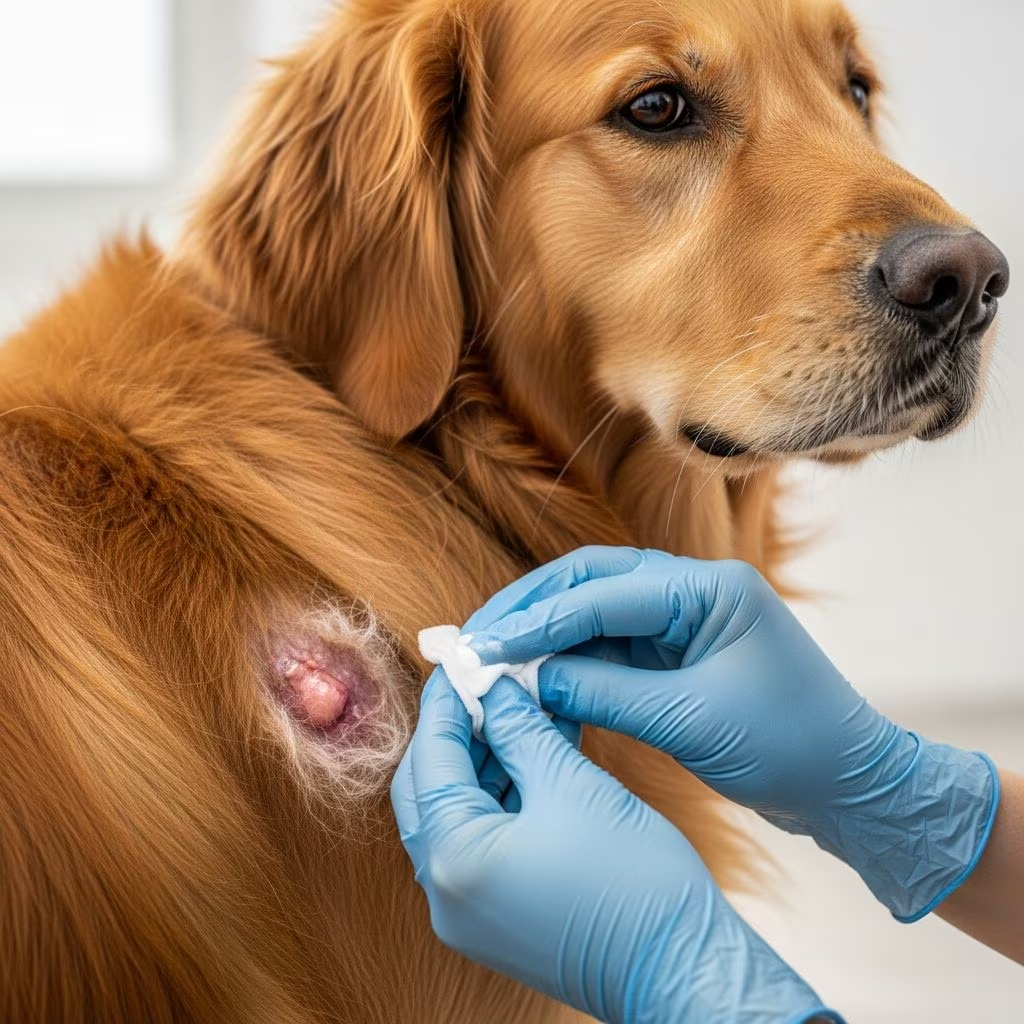
Hot spots are painful, rapidly developing skin lesions that commonly affect dogs. These acute dermatological conditions are characterized by moist, oozing sores that may contain pus and often develop a foul odor. Hot spots can appear anywhere on a dog’s body, though they are most frequently found on the head, legs, and hips. These lesions are often hidden beneath matted fur, making them difficult to spot during initial development. Understanding what hot spots are and how they form is the first step toward effective treatment and prevention.
The development of a hot spot typically begins with a trigger that causes itching or irritation. Once this initial irritation occurs, dogs naturally respond by licking, biting, and scratching at the affected area. This self-trauma perpetuates the cycle, breaking down the skin barrier and creating an environment where bacteria can thrive. What may start as a minor irritation can quickly escalate into a serious skin infection if left untreated.
Common Causes of Hot Spots in Dogs
Hot spots rarely develop without an underlying cause. Identifying and addressing the root issue is essential for successful treatment and prevention of recurrence. Several factors can trigger the development of hot spots in canines.
Parasitic Infections
Flea allergy is one of the most common causes of hot spots in dogs. Even dogs treated with flea prevention can develop hot spots if they have a sensitivity to flea saliva. A single flea bite can trigger intense itching in susceptible dogs, leading to excessive scratching and the formation of a hot spot. This is why maintaining a comprehensive flea control protocol is crucial.
Allergic Reactions
Dogs can suffer from two main types of allergies that may lead to hot spots: environmental allergies (atopy) and food allergies. Environmental allergies may be triggered by pollen, dust, or mold, while food allergies develop in response to specific dietary ingredients. Both types of allergies cause itching and discomfort, which dogs attempt to relieve through licking and scratching, ultimately creating hot spots.
Ear Infections
Underlying yeast or bacterial ear infections can cause significant itching, prompting dogs to scratch and shake their heads vigorously. This excessive scratching, particularly around the head and ears, frequently leads to hot spot formation in these areas.
Skin Conditions and Infections
Impacted anal glands, arthritis, and other underlying skin conditions can all contribute to hot spot development. When dogs experience discomfort from arthritis, they may lick and chew at the affected joint area. Similarly, anal gland issues cause dogs to excessively lick and bite at their rear end.
Behavioral and Environmental Factors
Boredom, anxiety, and behavioral issues can lead dogs to engage in excessive licking and chewing. Poor grooming practices and matted fur can also trap moisture and bacteria against the skin, creating ideal conditions for hot spot formation.
Immediate First Aid Steps for Hot Spots
When you discover a hot spot on your dog, prompt action is necessary to prevent further deterioration. The primary goal of initial first aid is to stop the self-trauma cycle and prevent deep skin infection from developing.
Stop the Self-Trauma
The most critical first step in treating hot spots is preventing your dog from continuing to lick, bite, and scratch at the affected area. Several methods can accomplish this:
- Elizabethan collars (E-collars or cones) physically prevent dogs from reaching the hot spot with their mouth
- Covering the hot spot with a sock or bandage creates a protective barrier
- Topical or oral steroids and antihistamines reduce itching and the urge to scratch
- Medications such as diphenhydramine (Benadryl®) or cetirizine (Zyrtec®, Reactine®) provide anti-itch relief
Important Note: Always consult your veterinarian before using any medications intended for humans, as many are toxic to dogs.
Clip and Clean the Area
Clipping the hair away from the hot spot and surrounding area is crucial for successful treatment. This step is particularly important for dogs with thick coats. Removing the hair allows the lesion to dry properly, significantly accelerating the healing process. Note that grooming may be painful for your dog, and sedation may be necessary during this procedure.
After clipping, the lesion must be thoroughly disinfected. A chlorhexidine solution effectively kills bacteria and prevents secondary infection. Once disinfected and dried, the area should be clean before applying any medications or treatments.
Apply Appropriate Treatments
Topical antibiotics, desiccating sprays, and soothing reagents are most effective when applied to a clipped, clean skin surface. For serious hot spots, oral antibiotics and steroids or antihistamines may also be necessary. Veterinary-recommended hot spot sprays designed to be safe if ingested can provide additional relief.
Professional Veterinary Treatment Options
While minor hot spots may respond to home care, professional veterinary evaluation is essential for most cases. Your veterinarian can determine the underlying cause and develop a comprehensive treatment plan tailored to your dog’s specific situation.
Treatment Based on Underlying Cause
| Underlying Cause | Treatment Approach |
|---|---|
| Flea Allergy | Fast-acting adulticide followed by monthly flea prevention (Frontline® Plus, Advantage®, Advantix®, Revolution®, Nexgard®, Simparica®, Bravecto®) |
| Impacted Anal Glands | Manual expression of anal glands by veterinarian |
| Environmental or Food Allergies | Avoidance therapy, desensitization therapy, hypoallergenic diet |
| Arthritis | NSAIDs (meloxicam/Metacam®, carprofen/Rimadyl®) and pain management (gabapentin) |
| Ear Infections | Treatment of underlying yeast or bacterial infection |
| Behavioral Issues | Behavior modification, increased exercise, enrichment, antidepressants (fluoxetine, clomipramine, amitriptyline) |
| Poor Grooming | Professional grooming with fear-free techniques |
When to Seek Immediate Veterinary Care
While minor hot spots may respond to home treatment, certain situations require urgent veterinary attention. Seek professional help immediately if your dog’s hot spot:
- Is increasing rapidly in size
- Is consistently bleeding
- Displays colored discharge (green, yellow, or brown)
- Has any discharge, moisture, odor, or visible pain
- Is not improving or is getting worse after home treatment
- You cannot keep your pet from licking or scratching despite your efforts
Prevention Strategies for Hot Spot Development
Preventing hot spots from occurring in the first place is far easier than treating them once they develop. A vigilant prevention protocol can significantly reduce the risk of hot spots in susceptible dogs.
Regular Grooming and Hygiene
Consistent grooming is one of the most effective prevention strategies. Regular brushing removes mats and tangles that can trap moisture against the skin. Bathing your dog regularly with appropriate shampoo removes potential irritants and maintains healthy skin. Some dogs benefit particularly from seasonal grooming, especially during times when shedding is heavy or environmental allergens are prevalent.
Address Underlying Health Issues
Treating any underlying cause such as allergies, arthritis, or ear infections will significantly reduce the recurrence of hot spots. Maintaining a comprehensive flea and tick prevention program is essential, particularly for dogs with flea allergies. Working with your veterinarian to identify and manage food or environmental allergies through avoidance or desensitization therapy can dramatically reduce hot spot incidents.
Environmental Management
Reducing environmental triggers whenever possible helps prevent hot spot development. This may include managing humidity levels in your home, reducing exposure to known allergens, and providing adequate shade and ventilation for outdoor dogs, particularly during hot, humid weather when hot spots are more common.
Behavioral Enrichment
Boredom-related hot spots can be prevented through adequate exercise, mental stimulation, and enrichment activities. Ensuring your dog receives sufficient physical activity and cognitive engagement reduces the likelihood of stress-related excessive licking and chewing.
Frequently Asked Questions
Q: Can hot spots heal on their own?
Minor hot spots may heal on their own with basic care including the use of a recovery cone, hair removal, and gentle cleaning. However, most hot spots require veterinary evaluation to identify and treat the underlying cause. Without addressing the root issue, hot spots typically recur.
Q: How long does it take for a hot spot to heal?
Healing time depends on the severity of the hot spot and how quickly you address the underlying cause. Minor hot spots may improve within a few days to a week with appropriate treatment. More severe cases may take several weeks to fully resolve, particularly if addressing an underlying condition requires time.
Q: Can I use human medications to treat my dog’s hot spot?
Many human medications are toxic to dogs. Always consult your veterinarian before using any medication intended for human use. Your vet can recommend safe alternatives or prescribe medications that are appropriate and safe for your dog.
Q: What natural remedies can help with hot spots?
A small amount of topical aloe vera gel directly from an aloe vera plant can help soothe damaged skin and decrease itching. However, natural remedies should complement, not replace, veterinary care. Always consult your veterinarian before applying any remedy to ensure it won’t interfere with professional treatment.
Q: Why does my dog keep getting hot spots?
Recurrent hot spots indicate that the underlying cause has not been adequately addressed. Common reasons for recurrence include inadequate flea prevention, untreated allergies, ongoing behavioral issues, or failure to address environmental triggers. Work closely with your veterinarian to identify the root cause.
Q: Is a recovery cone really necessary?
Yes, preventing your dog from licking and scratching is critical to successful hot spot treatment. Without stopping the self-trauma, even the best topical treatments will fail. Recovery cones are one of the most effective methods, though other barriers like bandages or protective clothing can also work.
References
- First Aid for Hot Spots in Dogs — VCA Animal Hospitals. 2024. https://vcahospitals.com/know-your-pet/first-aid-for-hot-spots-in-dogs
- Hot Spots on Dogs: Causes, Treatment, and Home Remedies — PetMD, authored by Dr. Heather Hoffmann, DVM. 2024. https://www.petmd.com/dog/general-health/hot-spots-dogs
- Hot Spots on Dogs: Signs, Treatment, and Prevention — American Kennel Club (AKC). 2024. https://www.akc.org/expert-advice/health/hot-spots-on-dogs/
- Everything You Need to Know About Hot Spots — Animal Humane Society. 2024. https://www.animalhumanesociety.org/resource/everything-you-need-know-about-hot-spots
- Treating Hot Spot on Your Dog — FurEver Friends of North Carolina. 2024. https://fureverfriendsnc.org/treating-hot-spot-on-your-dog/



