
First Aid For Pet Wounds: Essential Guide For Owners
Essential steps for stabilizing small animals with injuries and managing wounds effectively to promote healing.
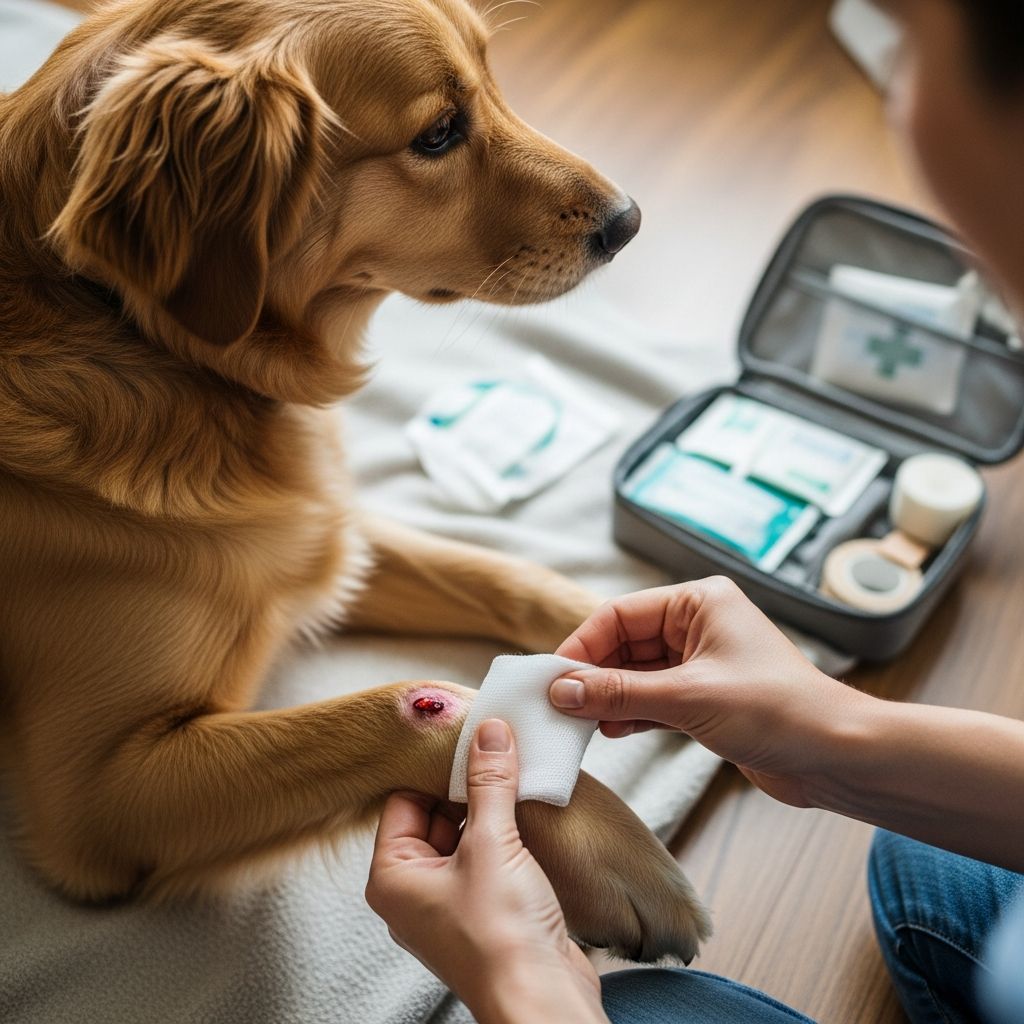
Addressing wounds in small animals like dogs and cats requires a systematic approach prioritizing the pet’s overall health before focusing on the injury itself. Proper initial management reduces infection risks, speeds healing, and minimizes long-term issues.
Evaluating the Pet’s Overall Condition
Before touching the wound, check the animal’s vital signs and stability. Injuries often mask hidden threats like internal bleeding or shock, which demand immediate attention. Signs of distress include rapid breathing, pale gums, weak pulse, or lethargy. Stabilize with fluids, oxygen, or warmth as needed under professional guidance.
In emergency settings, a full physical exam reveals concurrent problems. For instance, trauma victims may have fractures or organ damage alongside skin lacerations. Delaying wound care for systemic stabilization saves lives.
Controlling Bleeding Effectively
Active hemorrhage is the top priority. Apply firm, direct pressure using a clean cloth or gauze for 5-10 minutes without peeking, as this allows clotting. Elevate the limb if possible. For severe arterial bleeds, use a blood pressure cuff or tight wrap proximal to the wound instead of tourniquets to prevent tissue damage.
- Avoid tourniquets unless trained, as they risk neurovascular injury.
- Monitor for re-bleeding after initial control.
- Seek veterinary help promptly for uncontrolled bleeding.
Protecting the Injury Site
Cover the wound immediately with a sterile, non-stick dressing to shield from dirt and further harm. Use absorbent pads taped securely but not too tightly. This buys time for transport to a clinic while limiting bacterial growth.
Pain management is crucial; administer prescribed analgesics to keep the pet comfortable, reducing stress that impairs healing.
Cleaning and Irrigation Techniques
Once stable, thorough cleaning removes debris and bacteria. Use copious volumes of sterile saline or balanced electrolyte solutions at moderate pressure—around 8-12 psi, achievable with a 35-60 mL syringe and 18-19 gauge needle. This flushes out contaminants without traumatizing tissue.
| Method | Pressure (psi) | Volume Needed | Purpose |
|---|---|---|---|
| Syringe Irrigation | 8-12 | 200-500 mL | Debris removal |
| High-Pressure Devices | >12 | High volume | Avoid; risks tissue damage |
| Soaking | Low | Variable | Initial softening of debris |
Avoid antiseptics like hydrogen peroxide in high concentrations, as they harm healing cells. Culture deep wound samples if infection is suspected before antibiotics.
Removing Damaged Tissue
Debridement excises necrotic or contaminated tissue to expose healthy edges. Perform under sedation or anesthesia with sharp dissection using scalpel or scissors. Preserve viable tissue that bleeds when cut or appears pink and glistening.
- Sharp debridement: Gold standard for precision.
- Autolytic: Uses moist dressings to let enzymes dissolve dead tissue naturally.
- Mechanical: Wet-to-dry bandages pull off debris during changes.
For heavily contaminated wounds, repeat debridement until clean.
Deciding on Wound Closure
Not all wounds suit immediate suturing. Clean, fresh lacerations (<6-12 hours old) with minimal tension respond best to primary closure. Use layered suturing to eliminate dead space, preventing fluid pockets.
Suture choices vary by location: monofilament for skin, absorbable for subcutaneous layers. Alternatives include staples for speed or tissue adhesives for superficial cuts.
| Wound Type | Recommended Approach | Rationale |
|---|---|---|
| Clean, recent | Primary closure | Fastest healing |
| Infected, contaminated | Delay or open management | Reduces abscess risk |
| Large skin loss | Open healing | Allows granulation |
Open Wound Strategies
When closure isn’t viable, promote healing by second intention through contraction and epithelialization. Ideal for distal limbs or degloving injuries. Apply moist bandages to maintain a healing environment, changing every 2-5 days.
Advanced dressings like foams, alginates, or hydrocolloids manage exudate and support autolysis. Negative pressure therapy draws out fluid, boosts blood flow, and shrinks wounds faster.
Bandaging Best Practices
Effective bandages protect, absorb, and promote moisture balance. Layers include primary contact layer, absorbent fill, cast padding, and outer wrap.
- Primary: Non-adherent to prevent sticking.
- Secondary: Wicks moisture.
- Tertiary: Conforms and secures.
- Outer: Waterproof tape or stockinette.
Check daily for slippage, strikes, or odor indicating infection. Tie-over or Robert Jones techniques suit irregular areas.
Antimicrobial and Pain Strategies
Broad-spectrum antibiotics like cephalosporins cover initial dirty wounds pending cultures. Topical antimicrobials (e.g., silver-impregnated) combat surface bacteria without resistance issues.
Multimodal analgesia combines opioids, NSAIDs, and locals for comfort, aiding mobility and appetite.
Monitoring Progress and Complications
Track healing via size reduction, granulation tissue (red, bumpy), and epithelial creep. Complications like dehiscence or proud flesh need intervention.
- Redness/swelling: Possible infection.
- Discharge: Culture and adjust therapy.
- Slow progress: Nutritional support or advanced therapies.
Nutrition’s Role in Recovery
Healing demands protein, vitamins A/C, zinc, and calories. Feed high-quality diets or supplements to counter stress hypermetabolism.
FAQs
What should I do first for a bleeding pet wound?
Apply direct pressure and cover with sterile dressing; rush to vet.
Can I clean a wound at home?
Use saline gently, but professional care is essential for deep injuries.
How long does open wound healing take?
Weeks to months, depending on size and location.
When to use antibiotics?
For punctures, bites, or visible infection; vet-prescribed only.
Is hydrogen peroxide safe?
No, it delays healing; stick to saline.
This guide empowers pet owners and techs with foundational knowledge, but always consult veterinarians for tailored plans.
References
- Initial Wound Management in Small Animals — Merck Veterinary Manual. 2023. https://www.merckvetmanual.com/emergency-medicine-and-critical-care/wound-management-in-small-animals/initial-wound-management-in-small-animals
- Principles of Wound Management and Wound Healing in the Exotic Animal Patient — National Center for Biotechnology Information (PMC). 2015-10-15. https://pmc.ncbi.nlm.nih.gov/articles/PMC4663678/
- Wound Management for Veterinary Technicians — American Animal Hospital Association (AAHA). 2022-06. https://www.aaha.org/trends-magazine/june-2022/f1-wound-care/
- 2nd Intention Healing in Full-Thickness Skin Wound Management Revisited — MSPCA-Angell. 2023. https://www.mspca.org/angell_services/2nd-intention-healing-in-full-thickness-skin-wound-management-revisited/
- Basic Principles of Wound Care — Today’s Veterinary Nurse. 2020. https://todaysveterinarynurse.com/wp-content/uploads/sites/3/2020/03/Jaeger_WoundCare_TVNSpring2020.pdf
Similar Articles








Read full bio of medha deb


