

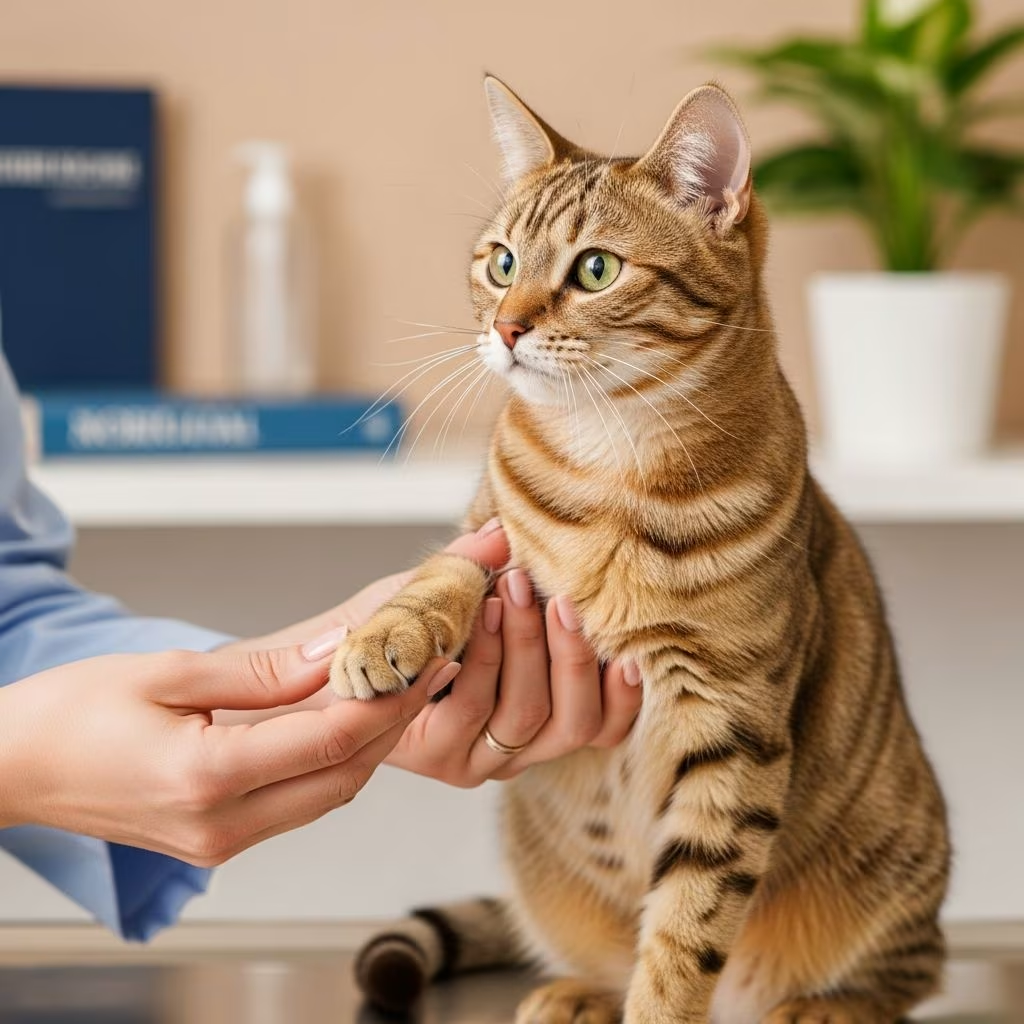
First Aid for Limping Cats: A Comprehensive Guide to Assessment and Treatment
Discovering that your beloved cat is limping can be concerning for any pet owner. Limping, also known as lameness, can range from mild discomfort to a sign of serious injury requiring immediate veterinary attention. The key to providing effective first aid is understanding how to properly assess your cat’s limp, identify potential causes, and determine whether professional medical care is necessary. This comprehensive guide will walk you through the essential steps of evaluating and treating a limping cat at home.
Understanding How Serious Your Cat’s Limp Is
The first step in providing appropriate first aid for your limping cat is to carefully assess the severity of the lameness. Not all limps are created equal, and understanding the differences can help you decide whether home care is sufficient or if veterinary intervention is required.
Observing Your Cat’s Walking Pattern
Begin by watching your cat walk naturally without restraint. Pay close attention to how they move and interact with their injured leg. Several patterns may be evident:
– Your cat may carry the leg without bearing weight while walking, yet place some pressure on it when standing still- Your cat may walk on the leg but appear unsteady or stumble slightly- Your cat may take noticeably shorter steps than normal on the affected side- Your cat may keep the foot completely from touching the ground
Each of these presentations indicates different levels of discomfort and potential injury severity. A cat that refuses to touch the ground with a leg typically has more significant pain than one that walks on it hesitantly.
Establishing a Timeline
The second critical step is establishing when and how the limp began. Ask yourself these important questions:
– When did you first notice the limp?- Did it appear suddenly or develop gradually over hours or days?- Was any trauma involved, such as a fall, impact, or accident?- Is the lameness worse at specific times of day, such as early morning or after exercise?- Has the limp improved, worsened, or remained consistent since you first noticed it?
Understanding the timeline helps your veterinarian determine the underlying cause and appropriate treatment plan. A sudden limp following trauma suggests injury, while gradual onset may indicate arthritis or infection.
Performing a Physical Examination at Home
After observing your cat’s walking pattern and establishing a timeline, the next step is conducting a gentle physical examination to locate the source of pain and identify any visible injuries.
Starting with the Toes and Paws
Begin your examination at the affected foot, starting with the toes:
– Look carefully between the toes for foreign bodies such as thorns, splinters, grass awns, or pieces of glass- Examine the paw pads for cuts, punctures, or signs of trauma- Check each toenail for breaks, cracks, or infections at the nail bed- Gently apply light pressure to each toe and watch for signs of pain or discomfort- Most cats will pull their leg back or vocalize when you reach a particularly sore spot
Paw and toe injuries are among the most common causes of limping in cats and are often easily treatable when caught early.
Examining the Entire Limb
After thoroughly examining the paw, work systematically up the entire limb:
– Run your hand gently along the leg to identify areas of swelling or heat- Note any wounds, bleeding, or discharge- Apply gentle pressure along the leg to pinpoint areas of tenderness- Carefully flex and extend each joint to assess range of motion- If your cat resists movement of a particular joint, this indicates pain in that area- Compare the affected leg to the unaffected leg to identify asymmetries
Comparing to the Unaffected Leg
One of the most useful techniques during your examination is comparing the injured leg to the unaffected leg. This comparison helps you notice subtle differences such as slight swelling, temperature variations, or asymmetrical muscle mass that might not be obvious otherwise.
Providing First Aid for Non-Emergency Limps
Once you have assessed your cat’s limp and determined it does not appear to be an emergency, you can provide supportive first aid care at home while monitoring for improvement.
Treating Foreign Bodies and Minor Wounds
If you discover a foreign object lodged between your cat’s toes that you can easily reach:
– Carefully remove the foreign body- Clean the affected area with antibacterial soap- Soak the foot in warm water with Epsom salt to reduce swelling and promote healing- Do not apply ointments such as antibiotic creams unless specifically approved by your veterinarian, as cats may lick these substances and experience adverse effects
For cut or torn foot pads and broken nails, control any bleeding by applying gentle pressure with a clean cloth, and follow the hemorrhage control procedures outlined in veterinary first aid guidelines.
Managing Abscesses and Infections
Abscesses, which are localized collections of pus typically caused by infection following puncture wounds or bites, require specific care:
– Apply warm compresses to the affected area to promote drainage and comfort- Soak the foot in warm Epsom salt water if your cat will tolerate it- If your cat allows, place her in a warm bath and gently swirl water around the affected leg- The flowing warm water improves circulation, reduces swelling, and promotes natural healing- Take your cat to your veterinarian as soon as possible, as abscesses can become increasingly painful whether they rupture or not and may make your cat very ill if left untreated
Activity Restriction and Rest
Regardless of the specific cause of your cat’s limp, rest is universally important for recovery:
– Confine your lame cat to a small, comfortable area such as a single room- Prevent jumping and high-impact activities that could aggravate the injury- Provide easy access to litter boxes, food, and water at ground level- Use ramps or steps to help your cat access elevated areas if necessary- Limit playtime and active exercise until the limp improves
When to Seek Veterinary Care
While some limps can be managed with home first aid, certain situations require professional veterinary attention.
Emergency Warning Signs
Contact an emergency veterinary clinic immediately if your cat shows any of the following signs:
– Severe lameness with complete inability to bear weight on the limb- Visible deformity or the limb appearing bent at an abnormal angle- Profuse bleeding that does not stop with direct pressure- Signs of severe pain such as vocalization, aggression, or extreme reluctance to move- Swelling that rapidly increases in size- Signs of shock such as pale gums, rapid breathing, or unresponsiveness
Non-Emergency Veterinary Care
Contact your regular veterinarian or an urgent care clinic if:
– The limp persists for more than 24 hours despite home care- Your cat shows signs of pain or discomfort- There are visible injuries to the leg or paw- The limp is severe enough to significantly impact your cat’s mobility- You suspect a fracture, sprain, or other serious injury- The limping developed gradually and does not improve with rest
Early diagnosis and treatment prevent complications and reduce the likelihood of chronic issues developing.
Understanding Common Causes of Cat Limping
While this guide focuses on first aid assessment and treatment, understanding common causes of limping helps you provide more effective care and communicate better with your veterinarian.
Paw and Toe Injuries
Injuries to the paw and toes are among the most frequent causes of limping and include puncture wounds, cuts, foreign bodies, nail damage, and pad injuries. These often respond well to home first aid.
Arthritis and Joint Problems
Older cats or those with joint disorders may develop gradual limping due to arthritis or degenerative joint disease. These conditions typically require veterinary evaluation and ongoing management.
Trauma and Fractures
Accidents, falls, or impacts can cause fractures, sprains, or severe soft tissue injuries. These always require professional veterinary evaluation and often require imaging studies.
Infections and Abscesses
Bite wounds, scratches, or punctures can lead to infections and abscess formation, requiring antibiotics and professional care.
Important Precautions When Treating Your Limping Cat
Handling Your Cat Safely
When examining or treating a limping cat, remember that injured cats may be irritable or defensive:
– Approach your cat slowly and speak in calm, gentle tones- Stop your examination immediately if your cat shows signs of aggression or extreme pain- Have a helper gently restrain your cat during examination if needed- Never force your cat to move or bear weight on an injured leg
Medication Safety
Never give your cat human medications, no matter how safe they seem. Many common pain relievers and anti-inflammatory medications used for humans are toxic to cats. Your veterinarian can prescribe pain medications specifically formulated and dosed for feline safety.
Wound Care Guidelines
When treating wounds or using topical treatments:
– Only use products specifically approved for use on cats- Avoid ointments that your cat can easily lick off and ingest- Consult your veterinarian before applying any medications or treatments- Keep wounds clean but do not over-treat, as excessive handling can interfere with healing
Creating a Recovery Plan
Once you understand your cat’s limp and have provided initial first aid, develop a recovery plan:
– Document when the limp began and how it has progressed- Keep a record of any treatments you have provided- Monitor your cat’s comfort level and mobility daily- Take photos or videos of your cat’s gait to show your veterinarian- Schedule a veterinary appointment if the limp persists beyond 24 hours- Follow all veterinary recommendations for continued care and activity restriction
Frequently Asked Questions About Limping Cats
Q: How long should I wait before taking my limping cat to the veterinarian?
A: If your cat’s limp persists for more than 24 hours, shows signs of severe pain, or is accompanied by visible injuries, seek veterinary care immediately. Do not delay with severe lameness or signs of injury.
Q: Can I give my cat aspirin or other pain medication for limping?
A: No. Never give your cat human medications without explicit veterinary instruction, as many are toxic to cats. Consult your veterinarian for safe pain management options.
Q: What should I do if my cat refuses to rest?
A: Confine your cat to a small room and remove opportunities for jumping or running. Use baby gates to restrict access to stairs and high surfaces. Your veterinarian may recommend additional calming measures.
Q: Are warm or cold compresses better for cat injuries?
A: Warm compresses work best for abscesses and infections as they promote drainage and healing. For acute swelling and inflammation, some sources recommend cold compresses. Follow your veterinarian’s specific recommendations.
Q: How can I tell the difference between a minor limp and a serious injury?
A: Severe injuries typically involve complete inability to bear weight, visible deformity, significant swelling, or profuse bleeding. Any doubt warrants professional evaluation.
References
- First Aid for Limping Cats — VCA Animal Hospitals. 2025. https://vcahospitals.com/know-your-pet/first-aid-for-limping-cats
- Why is My Cat Limping: Causes & First Aid Tips — Splot Veterinary Urgent Care. 2025. https://www.splootvets.com/post/cat-limping-causes-first-aid
- Cat Limping: Possible Causes, Treatment & First Aid — UrgentVet. 2025. https://urgentvet.com/cat-limping-causes-treatment-first-aid/
- First Aid for Limping Cats: A Complete Guide — Cats.com. 2025. https://cats.com/limping-cats



