

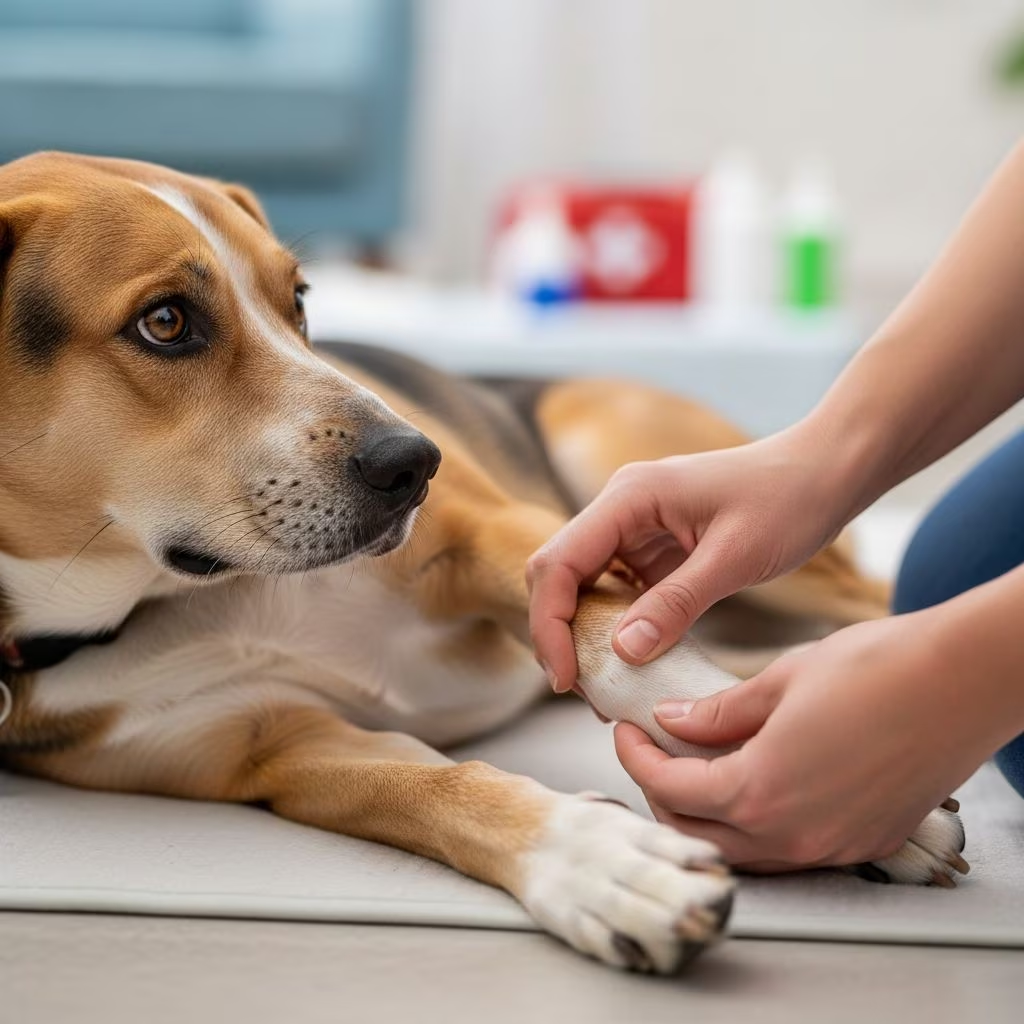
First Aid for Falls in Dogs: Emergency Care Guide
Falls can happen to any dog, whether from balconies, decks, stairs, or other elevated surfaces. Understanding how to respond quickly and effectively when your dog experiences a fall can be the difference between life and death. This comprehensive guide covers essential first aid techniques, how to assess injuries, and critical steps to take immediately after your dog has fallen.
Understanding Common Falls and High-Rise Syndrome
Dogs are curious creatures, and their natural instinct to chase birds, investigate sounds, or simply enjoy the view can lead to dangerous falls from heights. High-rise syndrome, a term commonly used in veterinary medicine, refers to injuries sustained when dogs fall from elevated surfaces such as balconies, windows, or apartment buildings. While many dogs survive falls from significant heights, the injuries sustained can range from minor cuts and bruises to life-threatening internal injuries.
Falls can occur in various scenarios, including escapes from open windows or doors, missteps on stairs, falls from furniture, or accidents involving balconies and seawalls. Understanding the circumstances that lead to falls can help you implement preventative measures around your home and yard to reduce your dog’s risk of injury.
Recognizing Signs of Injury After a Fall
After your dog experiences a fall, it is crucial to conduct a thorough assessment to identify any injuries. Some injuries may be immediately obvious, while others develop gradually over time. Here are the key signs to watch for:
Visible Injuries
Check your dog’s entire body for visible signs of trauma, including bleeding, bruising, limping, or abnormal body positioning. Examine the legs carefully for swelling, discoloration, or bones that may be protruding through the skin. Look at the mouth and throat for any lodged objects or bleeding. Run your hands gently along the spine and ribcage to identify any areas of sensitivity or misalignment.
Behavioral Changes
Dogs in pain or shock may exhibit behavioral changes such as whimpering, yelping, reluctance to move, or excessive panting. Your dog may attempt to hide or refuse to interact with family members. Some dogs become unusually aggressive or nervous when injured, even if they have never shown such behavior before.
Difficulty with Movement
Pay close attention to how your dog moves after a fall. Difficulty climbing stairs, reluctance to bear weight on a particular limb, or an abnormal gait can indicate fractures, ligament damage, or spinal injuries. Your dog may drag a leg, hold one limb off the ground, or move in an unusual manner.
Internal Injury Indicators
Internal injuries may not be immediately visible but can be life-threatening. Warning signs include rapid or shallow breathing, pale or white gums, weakness, depression, cool limbs, dilated pupils, or reluctance to eat and drink. Some dogs may vomit or show signs of abdominal pain by assuming a prayer position or crying out when their abdomen is touched.
Immediate First Aid Response
The moments immediately following a fall are critical. Your primary objective is to stabilize your dog and prevent further injury while arranging for emergency veterinary care.
Initial Assessment and Safety
First, ensure the area around the fall site is safe for you to approach. If your dog is not visible, search the entire area surrounding where they fell. Approach your dog cautiously and quietly, as frightened or injured dogs may bite, even if they have never shown aggression before. If possible, use a muzzle to prevent accidental bites, but avoid muzzling if your dog is vomiting or having difficulty breathing.
Check the ABCs
The ABCs of emergency care stand for Airway, Breathing, and Circulation. Check that your dog’s airway is clear by gently opening the mouth and removing any obstructions. Watch for the rise and fall of the chest to confirm breathing. Feel for a heartbeat by placing your hand on the left side of the chest just behind the elbow. If your dog is not breathing or has no pulse, be prepared to perform CPR or rescue breathing.
Control Bleeding
If your dog has visible wounds with bleeding, apply direct pressure using a clean cloth, towel, or gauze pad. Maintain pressure for several minutes to allow blood clotting to begin. For severe limb bleeding that does not respond to direct pressure, a tourniquet may be applied above the wound as a last resort. If a tourniquet is used, it must be released every 10 minutes to prevent tissue damage. Do not attempt to remove deeply embedded objects; instead, stabilize them and seek immediate veterinary care.
Treat for Shock
Even if injuries appear minor, shock can develop after trauma. Keep your dog warm by wrapping them in a blanket or emergency blanket. Minimize movement and keep the environment calm and quiet. Shock is a life-threatening condition characterized by rapid heart rate, weak pulse, rapid breathing, pale gums, severe depression, cool limbs, and dilated pupils. If you suspect shock, rush your dog to the veterinarian immediately.
CPR and Rescue Breathing Techniques
If your dog is not breathing or lacks a pulse, cardiopulmonary resuscitation (CPR) and rescue breathing may save their life. These life-saving techniques should be performed while transport to veterinary care is being arranged.
Performing CPR on Small Dogs
For dogs under 25 pounds, gently lay your dog on their side on a firm surface. Place the dog’s head in a neutral position to keep the airway open. Using one hand, compress the chest just behind the elbow at a rate of 100 to 120 compressions per minute. The compression depth should be about 25 to 50 percent of the chest width. Alternate compressions with rescue breaths every 15 compressions.
Performing CPR on Large Dogs
For dogs over 25 pounds, position them on their side and use both hands or the heel of one hand to compress the chest by approximately one-third to one-half of its width. Maintain a compression rate of 100 to 120 compressions per minute, giving rescue breaths every 15 compressions. Apply greater force than you would with smaller dogs, but avoid excessive pressure that could cause additional rib fractures.
Rescue Breathing
To perform rescue breathing, gently muzzle your dog’s mouth and extend the head upward to open the airway. Seal your mouth around the dog’s nose and gently inflate the lungs with one slow breath. For dogs, focus on breathing through the nose rather than the mouth. Continue rescue breathing at a rate of one breath every few seconds while performing chest compressions. CPR should be continued until the dog begins breathing on their own or until professional veterinary care is available.
Fracture Stabilization and Wound Care
Fractures are common injuries resulting from falls. Proper stabilization can prevent further damage and reduce pain during transport to the veterinary clinic.
Identifying Fractures
Signs of a fractured bone include severe pain, swelling, bruising, abnormal limb angle, difficulty bearing weight, whimpering, or visible bone protruding through the skin. The leg may be held at an unnatural angle or hang limply.
Creating a Makeshift Splint
To stabilize a suspected fracture, create a splint using rolled newspapers, magazines, cardboard, or wooden boards. Pad the splint with soft materials such as towels or cloth to prevent additional irritation. The splint should extend beyond the joints above and below the fracture site. Secure the splint firmly but not so tightly that circulation is compromised. Apply a sterile dressing to any areas where bone is protruding through the skin, but do not attempt to reposition the bone or set the fracture yourself.
Wound Care
For minor cuts and scrapes, gently clean the area with warm, soapy water and rinse thoroughly with saline solution or clean water. Apply an antibiotic cream (not an oily ointment) and cover with a non-stick gauze pad secured with rolled gauze. For more serious wounds with active bleeding, apply direct pressure and seek immediate veterinary care. Do not use greasy substances on wounds, as these can trap bacteria and prevent proper healing.
Transport to Veterinary Care
After providing initial first aid, transport your dog to a veterinary hospital immediately. The way you transport your dog can significantly impact their recovery.
Safe Transportation Methods
If spinal injury is suspected, use a firm board or blanket as a stretcher to keep your dog’s spine aligned. For conscious dogs, create a sling using a towel or blanket to support their body weight. Always support the head and neck during transport, and move slowly and carefully to avoid exacerbating injuries. Only move your dog if they are in immediate danger, as unnecessary movement can worsen injuries.
Communication with Veterinary Staff
When you arrive at the veterinary clinic, provide staff with detailed information about the fall, including the height from which your dog fell, what surface they landed on, any visible injuries you observed, and any first aid you administered. This information helps the veterinarian prioritize diagnostic imaging and treatment options.
Long-Term Recovery and Aftercare
Recovery from fall injuries requires patience and careful management according to your veterinarian’s instructions.
Activity Restriction
Most dogs recovering from fall injuries require strict activity restriction for several weeks. Keep your dog confined to a small area, limit stair climbing, and prevent jumping or running. Use a leash during bathroom breaks to control movement.
Pain Management
Your veterinarian may prescribe pain medications to keep your dog comfortable during recovery. Administer medications exactly as directed, and monitor your dog for side effects. Proper pain management encourages healing and prevents your dog from engaging in activities that could worsen injuries.
Physical Therapy
For soft tissue injuries, ligament damage, or fractures, physical therapy exercises prescribed by your veterinarian can improve recovery outcomes. These exercises help restore strength and mobility while preventing muscle atrophy.
Prevention Strategies
While falls can happen unexpectedly, implementing preventative measures can significantly reduce your dog’s risk of falling and sustaining injuries.
Home Safety
Install secure screens on all windows to prevent accidental falls. Use baby gates to block access to stairs, balconies, or other elevated areas. Ensure deck railings and balcony barriers are sturdy and have no gaps through which your dog could slip. Remove or secure objects that dogs might climb on to reach dangerous heights.
Outdoor Supervision
Always supervise your dog in outdoor areas, especially near water, cliffs, or elevated surfaces. Keep your dog on a leash in unfamiliar environments, and ensure your yard is securely fenced to prevent escapes.
Training and Awareness
Train your dog to respond reliably to recall commands, which can help prevent them from chasing animals or objects that might lead to falls. Be aware of your dog’s age, physical condition, and any health issues that might affect their balance or coordination.
Special Considerations for Different Dog Sizes
First aid approaches may vary slightly depending on your dog’s size and weight. Smaller dogs require gentler handling and less forceful chest compressions during CPR. Larger dogs need more substantial support and firmer compression techniques. Always adjust techniques based on your individual dog’s size, age, and health status.
Frequently Asked Questions (FAQs)
Q: How can I tell if my dog has internal injuries after a fall?
A: Internal injuries may not be immediately obvious. Watch for signs such as rapid breathing, pale gums, weakness, abdominal pain, vomiting, or reluctance to move. When in doubt, seek immediate veterinary evaluation, as internal injuries can be life-threatening and require professional diagnostic imaging to identify.
Q: Should I move my dog immediately after a fall?
A: Only move your dog if they are in immediate danger. If you must move them, do so carefully and slowly, supporting their body weight and keeping the head and neck stable to prevent spinal injury. Use a board or blanket as a stretcher if spinal injury is suspected.
Q: How do I know if my dog is in shock?
A: Signs of shock include rapid heart rate, weak pulse, rapid breathing, pale or white gums, severe depression, cool limbs, and dilated pupils. If you suspect shock, keep your dog warm with blankets and rush them to a veterinary clinic immediately, as shock is life-threatening.
Q: Can I give my dog pain medication before seeing the veterinarian?
A: Do not administer any medication without veterinary guidance. Pain medications can mask serious injuries and interfere with diagnostic procedures. Contact your veterinarian for instructions before giving any medication.
Q: How long does recovery typically take after a fall?
A: Recovery time varies depending on the severity of injuries. Minor injuries may resolve in weeks, while fractures and soft tissue injuries can take several weeks to months. Follow your veterinarian’s recommendations for activity restriction and follow-up care to optimize recovery.
Q: What should I include in a pet first aid kit for fall emergencies?
A: A comprehensive first aid kit should include sterile gauze pads, antibiotic cream, rolled gauze, adhesive tape, a muzzle, a leash, towels, an emergency blanket, a penlight, a baby-dose syringe, sterile eye lubricant, and a list of emergency veterinary clinic phone numbers and addresses.
Q: When should I seek emergency veterinary care after my dog falls?
A: Seek emergency care immediately if your dog shows signs of severe injury, bleeding, difficulty breathing, loss of consciousness, inability to stand, or behavioral changes. Even if injuries appear minor, have your dog evaluated by a veterinarian within 24 hours to rule out hidden injuries.
References
- Basic First Aid Guide for Dogs — United Animal Friends. 2022. https://unitedanimalfriends.org/wp-content/uploads/2022/12/dog-basic-first-aid-guide.pdf
- Dog Falling – High Rise Syndrome — American Red Cross. https://www.redcross.org/take-a-class/resources/learn-pet-first-aid/dog/falling-high-rise-syndrome
- Dog Emergency First Aid Steps: Essential Guide for Pet Owners — PetsCare. https://www.petscare.com/news/post/dog-emergency-first-aid-steps
- First Aid For Your Dog — RSPCA. https://www.rspca.org.uk/adviceandwelfare/pets/dogs/health/firstaid
- Dog Injuries: Treatment, First Aid & Recovery Tips from Vets — Noble Vet Clinic. https://noblevetclinic.com/blog/how-to-treat-dog-injuries



