

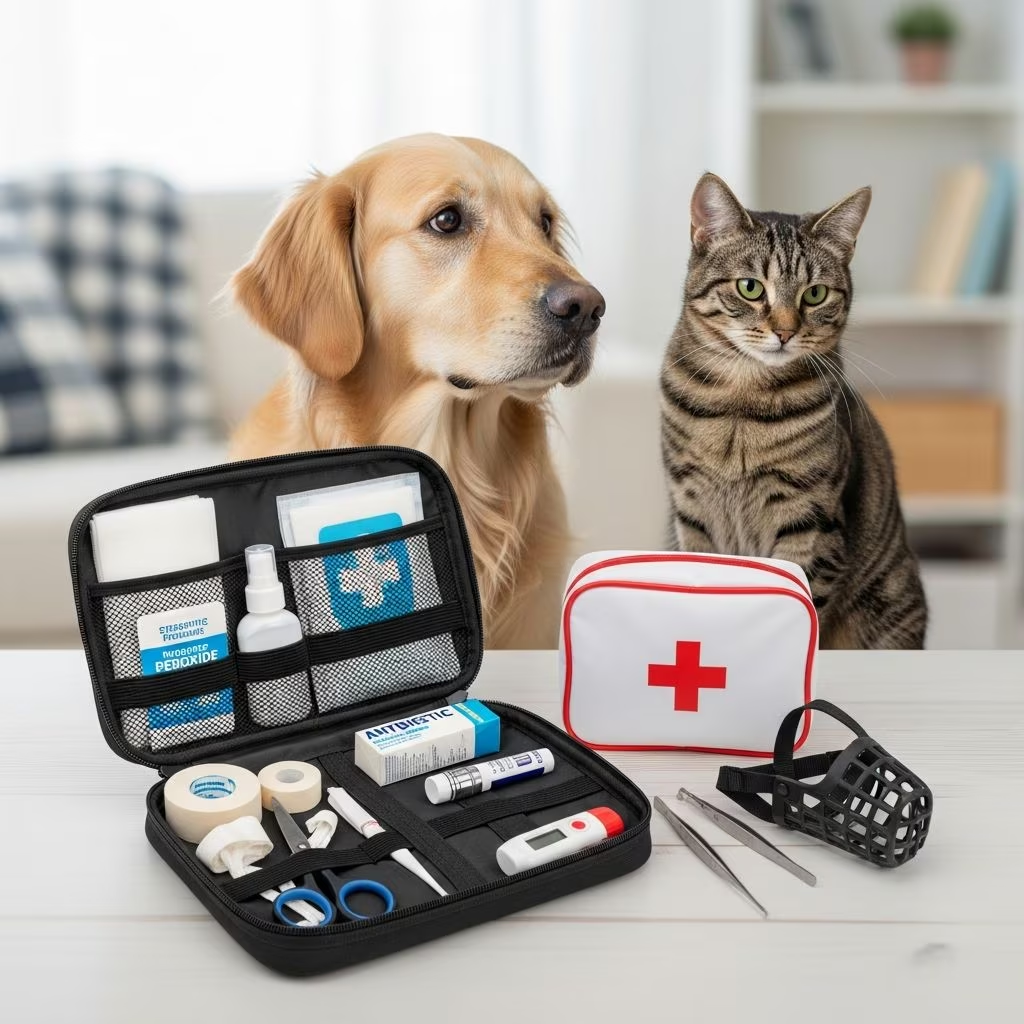
A Pet Parents’ Guide to First Aid for Dogs and Cats
As devoted pet parents, we strive to keep our beloved dogs and cats healthy, safe, and happy throughout their lives. However, despite our best efforts to prevent accidents and illnesses, emergencies can happen unexpectedly. When faced with an injured or sick pet, having the knowledge and resources to provide immediate first aid can be the difference between a minor incident and a serious health crisis. Understanding basic first aid techniques and knowing what supplies to keep on hand are crucial skills that every pet owner should develop.
Veterinary professionals emphasize that pet parents who are prepared for emergencies with proper first aid knowledge and supplies can significantly improve their pet’s chances of recovery. Quick thinking and appropriate immediate care can stabilize a pet’s condition until professional veterinary attention becomes available. This comprehensive guide covers the essentials of first aid for both dogs and cats, drawing on expert veterinary advice to help you become better prepared for unexpected situations.
Understanding Pet First Aid Basics
First aid for pets involves providing immediate, temporary care to an injured or ill animal before they can receive professional veterinary treatment. This emergency response can include controlling bleeding, maintaining proper breathing, treating wounds, managing pain, and preventing further injury or complications. The primary goal of first aid is to stabilize your pet’s condition and keep them as comfortable as possible during a stressful situation.
One of the most important principles in pet first aid is understanding that injured or frightened animals may behave unpredictably. Even a typically gentle and affectionate pet may bite or scratch when experiencing pain or fear. Always approach an injured pet with caution and awareness, moving slowly and speaking in calm, reassuring tones to minimize stress.
How to Handle Common Pet Injuries
Managing Bleeding
Controlling bleeding is often the first priority in treating an injured pet. When your dog or cat has a bleeding wound, your immediate response should focus on stopping the bleeding and preventing further blood loss.
To manage a bleeding injury properly, gather clean materials such as sterile gauze, a clean cloth, or even a clean paper towel. Apply firm, continuous pressure directly to the bleeding area. The pressure must be maintained because blood clotting requires adequate time—typically several minutes. Resist the urge to constantly check the wound by removing the cloth, as this can disturb the clotting process and restart bleeding.
If bleeding appears excessive or you cannot control it within a reasonable timeframe, this indicates a serious injury requiring immediate veterinary attention. Do not delay seeking professional help in these situations, as severe bleeding can lead to dangerous complications.
Treating Cuts, Scrapes, and Abrasions
Minor cuts, scrapes, and surface wounds are among the most common injuries pet owners encounter. These superficial injuries can often be safely treated at home with proper cleaning and care.
Begin by washing the affected area with cool, slightly soapy water. This temperature is important because warm or hot water can actually increase bleeding by dilating blood vessels, making the injury worse. Cool water helps constrict blood vessels and reduce bleeding while providing a gentle cleansing action. Many pet parents find it helpful to keep pet-specific wipes on hand for quick and convenient wound cleaning.
After washing, rinse the area thoroughly with clean water to remove all soap residue and debris. Once clean, apply gentle pressure with a clean cloth if any minor bleeding continues. Never apply human over-the-counter products to pet wounds unless specifically directed by your veterinarian, as many contain ingredients that can be toxic to dogs and cats. Instead, consider using pet-safe wound sprays formulated specifically for animal care.
Building Your Dog’s First Aid Kit
Every dog-owning household should maintain a well-stocked first aid kit designed specifically for canine emergencies. Having essential supplies organized and easily accessible means you can respond quickly to injuries without wasting precious time searching for materials.
Essential Supplies for Dog First Aid Kits
Your dog’s first aid kit should include the following items:
- Sterile gauze pads in various sizes for wound care and applying pressure to bleeding areas
- Bandaging materials for properly dressing and securing wounds
- Antiseptic wipes containing chlorhexidine, which is safe and effective for cleaning animal wounds
- Pet-safe wound ointment specifically formulated for treating cuts and scrapes on dogs
- Benadryl (diphenhydramine) for managing allergic reactions, though always consult your vet on proper dosing
- Clean cloth or gauze for applying compression to bleeding wounds
- Saline eye wash to gently flush foreign bodies, debris, or irritants from your dog’s eyes
- Digital thermometer to monitor your dog’s body temperature during illness or injury
- Tweezers for carefully removing thorns from paw pads or bee and wasp stingers from skin
- Recovery collar (also called an E-collar or cone) in your dog’s specific size to prevent licking or biting at injuries
- Disposable gloves to protect your hands and maintain hygiene while treating wounds
- Styptic powder to quickly stop bleeding from minor cuts or nail injuries
- Sturdy leash for safely controlling your dog during treatment or transport to the vet
- Portable water bowl for keeping your dog hydrated during emergencies
Building Your Cat’s First Aid Kit
Cats require similar first aid supplies to dogs, though some items may need adjustment for feline-specific care. Cats often experience different types of injuries than dogs, and their smaller size means supplies should be appropriately scaled.
Essential Supplies for Cat First Aid Kits
Your cat’s first aid kit should contain the following items:
- Sterile gauze pads for wound cleaning and bleeding control
- Bandaging materials appropriate for feline wounds
- Antiseptic wipes containing chlorhexidine for safe wound cleaning
- Feline-specific wound care spray formulated for cat skin and safety
- Clean cloth or gauze for compression of bleeding areas
- Saline solution or eye wash to flush debris from your cat’s eyes
- Digital thermometer for monitoring body temperature
- Tweezers for removing bee stingers or plant thorns from paws and fur
- Recovery collar in your cat’s size to prevent licking or chewing at injuries during healing
- Disposable gloves for maintaining hygiene during wound treatment
- Styptic powder to manage bleeding from minor injuries
- Portable water bowl to keep your cat hydrated
Common Pet Injuries and What to Expect
Understanding the types of injuries your cat might experience helps you prepare appropriately. The five most common injuries affecting cats include soft tissue trauma such as bruises or contusions, lacerations or bite wounds from fights, eye scratches or wounds, mouth trauma including fractured teeth, and superficial abrasions or scrapes. Dogs face similar injury patterns, though their activity levels and outdoor exposure may vary.
Each injury type requires slightly different first aid approaches, and having the right supplies and knowledge ensures you can respond effectively. Recovery items in cat first aid kits often include recovery suits that cover the body to protect wounds during healing, padding for comfort, cleaning wipes, disinfectant sprays, and cold packs to reduce swelling and inflammation.
When to Seek Professional Veterinary Care
While first aid is valuable for stabilizing minor injuries, certain situations require immediate professional veterinary attention. Do not delay seeking veterinary care if your pet experiences excessive bleeding that you cannot control, signs of serious trauma or impact injuries, difficulty breathing, loss of consciousness, severe pain, suspected broken bones, deep or gaping wounds, or any injury you feel unsure about treating.
First aid is designed to bridge the gap between injury and professional treatment, not to replace veterinary care. After administering first aid, follow up with a call or visit to your veterinarian to ensure your pet receives comprehensive evaluation and treatment.
Preparing for Pet Emergencies
Beyond maintaining a stocked first aid kit, emergency preparedness involves additional steps. Keep your veterinarian’s contact information readily accessible, including their emergency line and the address of the nearest 24-hour emergency veterinary clinic. During emergencies, you may need to transport your pet quickly, so ensure you have a secure carrier or transportation method available.
Consider taking a pet first aid and CPR course from a certified instructor. Many organizations offer these courses both in-person and online, providing hands-on training that can prove invaluable during actual emergencies. Learning how to perform CPR on your dog or cat before an emergency occurs could potentially save their life.
Maintaining Your Pet First Aid Kit
A well-organized first aid kit is only useful if you regularly check and maintain it. Review your kit every six months to ensure supplies are not expired, bandaging materials are still sterile, and nothing has been damaged. Replace any items you’ve used, and add new supplies if your pet develops new health concerns. Keep your kit in a clearly labeled, easily accessible location that all household members know about.
Pre-made vs. DIY First Aid Kits
Pet owners have two options when assembling first aid supplies: purchasing ready-made kits or building custom kits. Pre-made first aid kits designed specifically for dogs and cats offer convenience and are often created by veterinary professionals who have selected appropriate products. These kits typically include 50 or more essential items thoughtfully chosen for common emergencies.
Building your own kit provides customization based on your pet’s specific needs, health conditions, and your comfort level with first aid procedures. Many pet owners prefer this approach because they can include items their pet has needed in the past or that their veterinarian has specifically recommended.
Frequently Asked Questions About Pet First Aid
Q: What should I do if my pet is in shock after an injury?
A: Keep your pet warm by wrapping them in a blanket, keep them calm and still, and contact emergency veterinary care immediately. Shock requires professional treatment and can be life-threatening.
Q: Can I give my dog or cat over-the-counter pain medication?
A: Never give your pet human pain medications without explicit veterinary guidance, as many are toxic to animals. Always consult your vet about appropriate pain management options.
Q: How often should I check my pet’s first aid kit?
A: Review and refresh your pet first aid kit every six months to ensure supplies are current, unused items haven’t expired, and everything remains in good condition.
Q: What’s the normal body temperature for dogs and cats?
A: Normal body temperature for dogs ranges from 101.0°F to 102.5°F, while cats typically run between 100.5°F and 102.5°F. Knowing normal values helps you identify fever or hypothermia.
Q: Should I muzzle my injured pet during first aid?
A: Injured animals may bite due to pain and fear. If your pet shows signs of aggression, use a soft muzzle or wrap, but never restrict breathing. Consult your vet if you’re unsure.
Q: How do I know if a wound requires stitches?
A: Deep wounds with gaping edges, wounds longer than one-quarter inch, or wounds that continue bleeding after 10 minutes of pressure likely need professional attention and possible stitching.
References
- A Pet Parents’ Guide to First Aid for Dogs and Cats — Chewy Education. 2024. https://www.chewy.com/education/dog/health-and-wellness/first-aid-for-dogs-cats
- Must-Have Items for Your Pet Emergency Kit — Chewy Education. 2024. https://www.chewy.com/education/dog/pet-parenting/must-have-items-for-your-pet-emergency-kit
- First Aid For Dogs — Chewy Pet Care. 2024. https://www.chewy.com/b/first-aid-for-dogs-451
- Cat First Aid Supplies — Chewy Pet Care. 2024. https://www.chewy.com/b/cat-first-aid-supplies-452
- Cat First Aid Kits & Tools — Chewy Pet Care. 2024. https://www.chewy.com/b/first-aid-kits-tools-2683



