

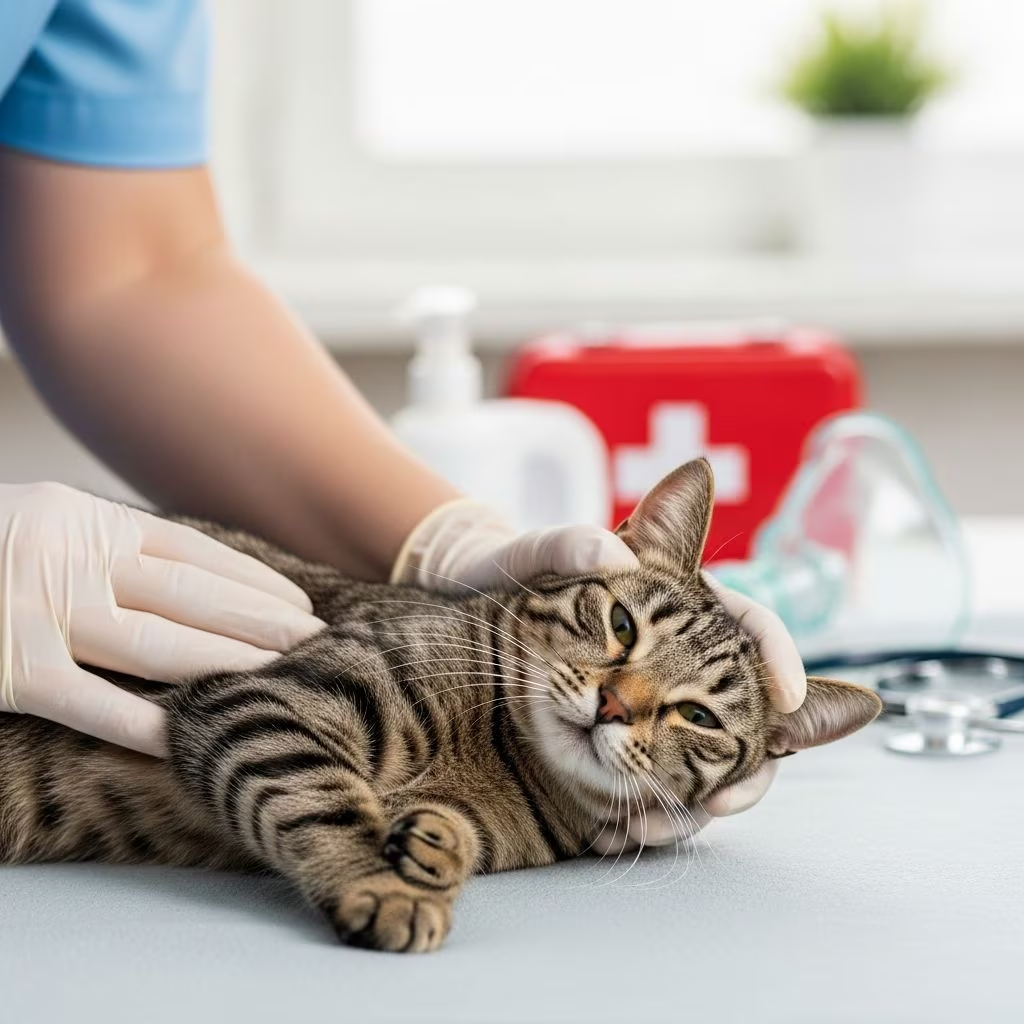
First Aid for Cats: Shock, Rescue Breathing, and CPR
Medical emergencies occur suddenly and without warning, often catching pet owners unprepared. Having a basic understanding of common veterinary emergencies and fundamental first aid techniques can make the difference between life and death for your feline companion. While no one can be fully prepared for all possible emergencies, understanding simple guidelines and recognizing warning signs when your cat seems ill or is involved in an accident is essential knowledge for every responsible cat owner.
Understanding First Aid Fundamentals
First aid is the initial treatment given in a medical emergency situation. Its primary purpose is threefold: to preserve life, reduce pain and discomfort, and minimize the risk of permanent disability or disfigurement. For cats specifically, first aid serves as a critical bridge between the moment of emergency and professional veterinary care. Understanding these principles ensures you can provide immediate, life-saving assistance when every second counts.
Immediate Emergency Response: What to Do First
When your cat experiences a medical emergency or accident, your initial response is crucial. The following steps should guide your actions:
Assess the Scene
Keep calm and assess the scene for any additional threats to both you and your pet. This step is absolutely essential for everyone’s safety. Before rushing to help your injured cat, ensure that the environment is safe for you to provide assistance.
Stabilize Your Cat
Keep your cat warm (except in cases of heat stroke), as quiet as possible, and move them as little as possible. This is especially important if there is possible trauma, broken limbs, or any neurological symptoms. Unnecessary movement can exacerbate injuries and cause additional pain.
Contact Your Veterinarian
Contact your veterinary hospital immediately to inform them of the situation and get specific first aid advice. Having your veterinarian’s emergency number readily available is crucial during these critical moments.
Safe Transportation
To safely move or transport an injured cat, use a suitable container such as a strong cardboard box or a cat carrier. Remove the top of the carrier for easy and safe access—do not push an injured cat through the small door or opening. Place a blanket or thick towel over the patient to provide warmth and comfort. Transport your cat to the veterinary hospital as soon as possible.
Recognizing and Managing Shock in Cats
Shock is a life-threatening condition that can occur following trauma, severe injuries, or medical emergencies. Recognizing the signs of shock and responding appropriately can be lifesaving.
Signs of Shock
Cats in shock may exhibit pale or white gums, rapid or weak pulse, shallow breathing, weakness, collapse, or loss of consciousness. If you suspect your cat is in shock, immediate veterinary care is essential.
First Aid for Shock
Keep your cat as quiet as possible and try to conserve heat by covering them with blankets, towels, or even newspapers. This helps maintain body temperature and prevents further deterioration of the cat’s condition.
The ABC’s of First Aid: Airway, Breathing, and Cardiac Function
When responding to a feline emergency, follow the ABC protocol:
A: Airway
Anything that obstructs the airway prevents oxygen from entering the lungs. Do your best to clear the mouth and throat of any obstruction such as vomit, saliva, or other foreign material. Be extremely careful when clearing the airway—your cat may bite you in panic, so approach this task cautiously and use appropriate protective measures if available.
B: Breathing
If your cat is unconscious and does not appear to be breathing, try gently pumping the chest with the palm of your hand while feeling just behind the elbow to detect a heartbeat or pulse. Be aware that injured pets may bite you out of fear. If you are unsure about the health or vaccination status of the injured pet, avoid direct contact with bodily fluids and blood to protect yourself.
C: Cardiac Function
Ensuring adequate circulation is critical for survival. If your cat’s heart has stopped, CPR becomes necessary. The cardiac assessment helps determine whether additional life-saving measures are required.
Performing Rescue Breathing for Cats
Rescue breathing is a vital technique for cats that are unresponsive and not breathing on their own. Follow these detailed steps:
Prepare the Airway
If your cat is unresponsive, ensure there is an open airway by carefully pulling the tongue out of the mouth. Extend the head and neck so that they are in a straight line. However, do not overextend the neck if your cat has obvious head and neck trauma, as this could cause additional injury.
Clear Obstructions
Carefully clear the mouth of any debris that may be obstructing breathing. This might include vomit, foreign objects, or other materials that could prevent air from reaching the lungs.
Create a Seal
Place your hand over your cat’s muzzle while holding the mouth shut and extend the neck. For cats, you can sometimes use a Styrofoam cup or similar item over the cat’s face. Poke a large hole in the bottom of the cup for you to breathe through, and put the opening over your cat’s face, ensuring a relatively tight seal around the muzzle.
Deliver Breaths
Blowing gently into the nostrils, give three to five initial breaths and watch for the chest to rise. If you do not see a rise in the chest, reposition the neck or search for airway obstruction. For ongoing rescue breathing, provide 10 breaths per minute until your cat begins breathing on its own or until you reach emergency veterinary care.
Acupressure Stimulation
If your cat fails to breathe on its own, you may attempt an acupressure maneuver. Press firmly with your fingernail or another hard dull object in the space between the nostrils and the upper lip (nasal philtrum) for 10 to 30 seconds. This stimulation may trigger the breathing reflex.
Performing CPR on Your Cat
Cardiopulmonary resuscitation (CPR) is a critical emergency procedure for cats whose hearts have stopped beating. This technique combines chest compressions with rescue breathing to maintain circulation and oxygenation.
Preparation and Assessment
Make sure there is no major bleeding that requires immediate intervention. If there is bleeding, have an assistant manage the bleeding while you perform CPR. If possible, lay your cat on its right side to facilitate chest compression effectiveness.
Locating the Pulse
Feel for a heartbeat or femoral pulse. The femoral pulse is located inside the leg in the groin region. A cat’s neck pulse is not easy to feel, so focus your efforts on the femoral pulse location. If you cannot detect a pulse, CPR should be initiated immediately.
Positioning for Compressions
Bend the left forearm and note the location where the elbow touches the chest—this is close to the middle of the rib cage. This landmark helps you identify the correct compression site.
Compression Technique
Use one hand to compress the chest from both sides by putting your fingers on one side and your thumb on the other side of the chest. Compress the chest 100 to 120 times per minute. The compression rate should maintain a ratio of about 30 compressions for every two breaths delivered during rescue breathing.
Compression Depth
Try to compress the chest wall at least 30 to 50 percent, which is approximately 1 inch (2 centimeters) in the average cat. Adequate compression depth ensures that blood is actually being pumped through the body during CPR.
Essential First Aid Kit Supplies
Every responsible cat owner should maintain a properly stocked first aid kit readily accessible at home. Your cat first aid kit should include:
Emergency Contact Information: Your veterinarian’s phone number, nearest emergency clinic contact details, and the Pet Poison Control hotline (855-764-7661)
Medical Supplies: Digital thermometer with lubricant, saline eye wash, sterile gauze pads, medical tape, clean towels, flashlight with extra batteries, disposable gloves, and a sturdy cat carrier for safe transport
Additional Items: Antiseptic wipes safe for cats, tweezers for removing foreign objects, scissors, and a blanket or towel for warmth and restraint
Handling Common Emergency Situations
Choking and Airway Obstruction
If your cat appears to be choking, open your cat’s mouth carefully and look for visible objects. Remove only items you can grasp easily—pushing objects deeper creates greater danger. For lodged objects that cannot be easily removed, lift your cat’s hind legs while supporting the chest, then deliver firm back blows between the shoulder blades. If unsuccessful within 30 seconds, head to the nearest emergency clinic immediately.
Bleeding and Wounds
If the wound is bleeding, wrap a clean towel tightly around the injured site and apply gentle, firm pressure. If the towel becomes soaked, replace it with a fresh towel while maintaining pressure. Do not remove the original towel as this can disrupt clot formation. Seek veterinary attention if bleeding does not stop or if the wound appears deep.
Respiratory Distress
Monitor your cat’s breathing carefully. If your cat is struggling to breathe, immediately go to the nearest emergency hospital. Remember that cats are primarily “nose breathers,” so panting is a sign of respiratory distress. You must be careful when transporting a cat with respiratory problems, particularly if ribs were broken or trauma is suspected.
Frequently Asked Questions About Cat First Aid
What are the most important first aid steps to take immediately when my cat is injured?
Check your cat’s airway, breathing, and circulation first using the ABC protocol. Control any bleeding with clean cloths, keep your cat warm and calm to prevent shock, and transport them to a veterinarian as quickly as possible. These steps stabilize your cat and reduce pain before professional care can be administered.
How do I know if my cat is in shock?
Signs of shock include pale or white gums, rapid or weak pulse, shallow breathing, weakness, collapse, or loss of consciousness. If you suspect shock, keep your cat warm and quiet while seeking immediate veterinary care.
What should I include in a professional-grade cat first aid kit?
A comprehensive cat first aid kit should include clean cloths, sterile gauze, adhesive tape, antiseptic wipes safe for cats, a digital thermometer, tweezers, disposable gloves, emergency contact numbers, and basic wound care supplies. These basics help you stabilize your cat until veterinary care is available.
When should I perform CPR on my cat?
CPR should be performed if your cat is unresponsive, not breathing, and has no detectable pulse. Begin CPR immediately and continue until you reach emergency veterinary care or until your cat’s heart and breathing return.
How do I safely transport an injured cat?
Use a sturdy cat carrier with the top removed, or a strong cardboard box. Gently place your cat inside while supporting their body properly. If spinal injury is suspected, use a rigid object like a baking sheet as a gurney. Cover your cat with a blanket for warmth and comfort during transport.
What is the correct CPR ratio for cats?
Maintain approximately 30 chest compressions for every 2 breaths delivered. Compressions should be at a rate of 100 to 120 compressions per minute with a depth of 30 to 50 percent of the chest wall, or approximately 1 inch in average-sized cats.
Preparing for Emergency Situations
The best approach to pet emergencies is preparation. Keep emergency contact information posted on your refrigerator and stored in your phone. Know the location of the nearest 24-hour emergency veterinary clinic and have a plan for rapid transportation. Practice the techniques described in this guide so that you can respond calmly and effectively if an emergency occurs. Regular training and maintained first aid supplies ensure you are ready to provide lifesaving assistance when your cat needs it most.
References
- First Aid for Cats: Shock, Rescue Breathing, and CPR — VCA Animal Hospitals. 2024. https://vcahospitals.com/know-your-pet/first-aid-for-cats
- First Aid for Falls in Cats — VCA Animal Hospitals. 2024. https://vcahospitals.com/know-your-pet/first-aid-for-falls-in-cats
- First Aid for Bleeding Cats — VCA Animal Hospitals. 2024. https://vcahospitals.com/know-your-pet/first-aid-for-bleeding-cats
- Emergencies in Cats — VCA Animal Hospitals. 2024. https://vcahospitals.com/know-your-pet/emergencies-in-cats
- Cat First Aid: Essential Guide for Pet Parents — Rubyloo. 2024. https://rubyloo.co/blogs/news/cat-first-aid



