

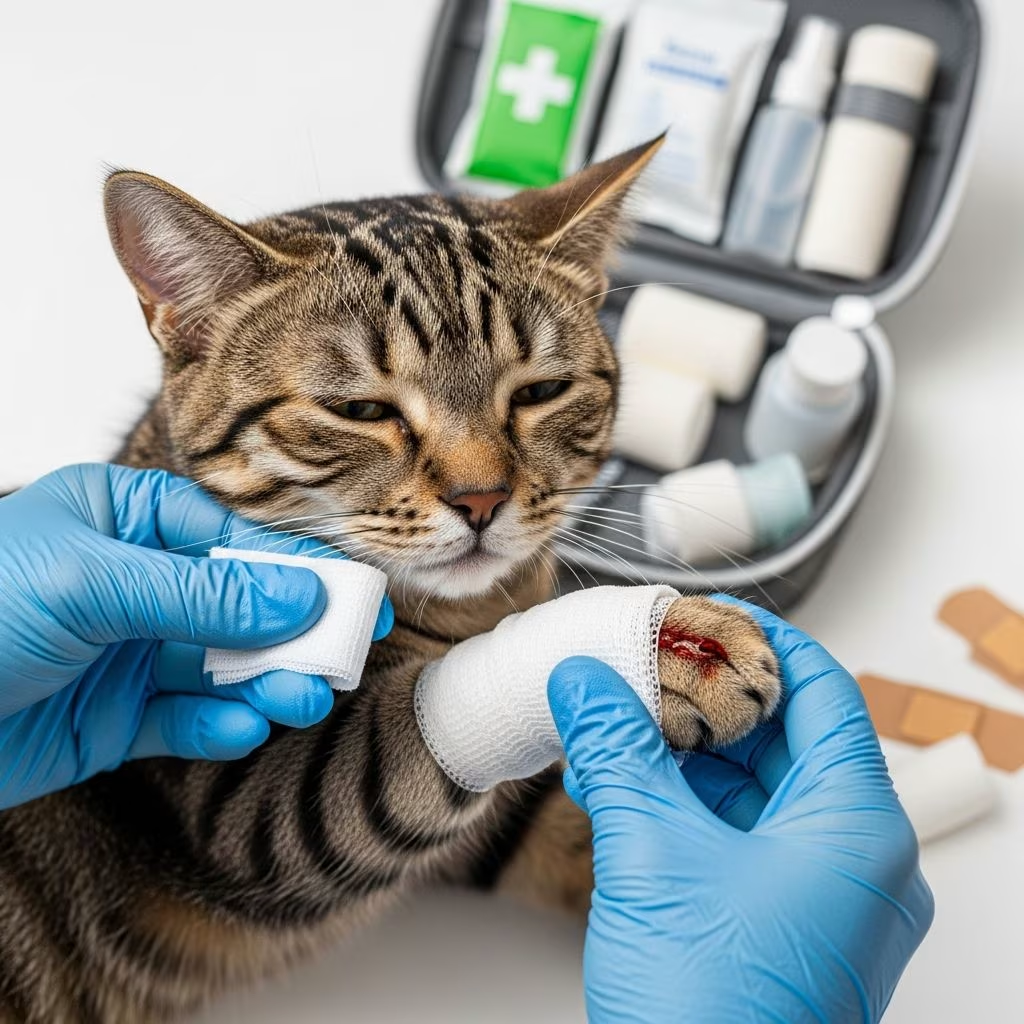
First Aid for Bleeding Cats: Essential Emergency Care Guide
Knowing how to respond quickly and effectively when your cat is bleeding can make the difference between a minor injury and a life-threatening emergency. Whether your feline companion has suffered a cut, puncture wound, or laceration, understanding proper first aid techniques is essential for every cat owner. The primary goal of first aid for a bleeding cat is to control blood loss and prevent shock while you transport your pet to veterinary care.
Bleeding in cats can occur for various reasons, including accidents, fights with other animals, sharp objects, or underlying health conditions. Different types of bleeding require different approaches, and the location of the wound significantly impacts the treatment strategy. This comprehensive guide will walk you through the essential steps to manage bleeding in your cat and help you understand when emergency veterinary care is necessary.
Understanding the Goal of First Aid for Bleeding Cats
All first aid protocols for bleeding cats share the same fundamental objective: control blood loss. When you apply pressure to a bleeding wound, you allow the body’s natural clotting mechanism to function properly. Blood cells form a fine screen over the wound, preventing further loss of blood. This is a complex biological process, but the key principle is straightforward: pressure stops the bleeding.
It’s crucial to understand that different types of bleeding require different techniques. Internal bleeding cannot be managed through first aid alone—you must seek immediate veterinary attention if you suspect your cat has internal bleeding, which may manifest as blood in urine, feces, or vomit. However, external bleeding can be controlled using specific first aid techniques until you reach a veterinarian. Different parts of the body also require different approaches, so understanding anatomical considerations is essential for effective wound management.
Immediate Steps When Your Cat is Bleeding
Step 1: Ensure Safety and Approach Calmly
Your cat will likely be frightened and in pain, which may cause them to act defensively. Approach your injured cat slowly and speak in a calm, soothing voice. If necessary, gently wrap your cat in a towel to protect yourself from claws and bites while still allowing you to access the wound. Your safety is equally important as your cat’s safety during this stressful situation.
Step 2: Locate the Source of Bleeding
Quickly identify where the blood is coming from. Common bleeding sites include paws, ears, legs, tail, or open wounds on the body. Take a moment to assess the severity of bleeding—heavy bleeding means blood is flowing rapidly or pooling, whereas minor bleeding involves just a few drops.
Step 3: Apply Direct Pressure
This is the most critical step in controlling bleeding. Use a clean cloth, sterile gauze, or even a clean T-shirt if specialized materials aren’t available. Press the material directly onto the wound and maintain firm, constant pressure. Do not remove the material repeatedly to check the wound, as this disrupts the clotting process and worsens bleeding. If blood soaks through the first layer, place another cloth on top and continue applying pressure—never remove the original layer.
Step 4: Elevate the Wound (When Possible)
If the bleeding is on a limb or paw, gently raise the injured area above the level of your cat’s heart while maintaining pressure on the wound. Elevation helps slow blood flow to the injury site through gravity, assisting your body’s natural clotting mechanisms.
Step 5: Keep Your Cat Warm and Calm
Shock can develop quickly in injured cats. Wrap your cat in a blanket or towel to maintain body temperature, and continue speaking softly to reduce anxiety and stress. Keeping your cat calm helps lower their heart rate, which can also help slow bleeding.
Bleeding Control Techniques by Body Location
Paw Bleeding
Paw injuries are among the most common bleeding wounds in cats. Wrap the affected paw in gauze or a small towel and apply constant, firm pressure. In most cases, bleeding from paw wounds should stop within 5–10 minutes. If the bleeding originates from a broken or torn nail, you can apply a styptic pencil, silver nitrate stick, or cauterizing powder directly to the nail. These products are readily available at pet stores or in the first aid section of pharmacies.
If debris is lodged deep in the paw pad, avoid digging excessively, as this will only worsen the injury and increase bleeding and pain. Deeply embedded objects should only be removed by a veterinarian who can sedate your cat to make the procedure comfortable. Continue applying pressure to control bleeding until professional help is available. Minor tears typically stop bleeding within minutes, but deeper wounds require longer stabilization periods. Be aware that bleeding may reoccur when your cat walks on the foot. If you cannot stop the bleeding within 10–15 minutes, take your cat to an emergency veterinary hospital immediately.
Leg Bleeding
Lacerations on the legs often result in significant bleeding, particularly if a major vein or artery has been severed. Wrap a clean towel around the wound site and apply firm, continuous pressure. If possible, raise the leg above the level of the heart to slow blood flow. A critical rule: if the towel becomes soaked through with blood, do not remove it. Removing the towel may dislodge any clots that have formed and make the bleeding substantially worse. Instead, place another towel on top of the first one and continue applying firm pressure.
For minor cuts on the legs, carefully check for any foreign bodies and remove them if they are easily accessible. Flush the wound with clean water to remove smaller debris particles, then cover the wound with gauze or a towel. Keep pressure on the wound by holding the towel in place or carefully taping the gauze around the leg while you transport your cat to your veterinarian. Do not delay seeking professional care, as even seemingly minor leg wounds can become infected if not properly treated.
Ear Bleeding
Ears present unique bleeding challenges because they are extremely vascular, meaning they contain many blood vessels close to the skin surface. Additionally, cats’ natural tendency to shake their heads significantly worsens ear bleeding. Even minor ear wounds can result in substantial blood loss due to this anatomical characteristic.
To control ear bleeding, place gauze or a small face cloth on both sides of the ear flap, then fold the ear carefully over the top of your cat’s head and hold it firmly in place. You can secure the towel or gauze bandage by wrapping tape around the top of the cat’s head and under their neck. Critical safety note: be careful not to restrict your cat’s breathing—you should be able to place two fingers comfortably between the cat’s neck and the bandage. Transport your cat to veterinary care promptly, as ear wounds require professional assessment and treatment.
Tail Bleeding
The tail is another highly vascular area where small wounds can cause significant bleeding. Apply direct pressure to the tail wound using gauze or a clean cloth. If the bleeding is severe or you cannot control it within 10–15 minutes, seek emergency veterinary care immediately. The tail’s extensive blood supply means that prompt professional treatment is often necessary.
General Wound Care Principles
After applying initial pressure and controlling the bleeding, proper wound care is essential to prevent infection and promote healing. Flush the wound with clean water to remove any debris, dirt, or foreign particles. This gentle cleansing helps reduce the risk of infection without disturbing any clots that may have formed.
Once cleaned, cover the wound with gauze or a clean towel. If the bleeding has stopped, you can secure the gauze with tape, ensuring it’s not so tight that it restricts circulation or causes discomfort. Keep the wound clean and dry, and monitor it regularly for signs of infection such as increased redness, swelling, discharge, or odor.
When to Seek Emergency Veterinary Care
While minor bleeding can often be managed with first aid, certain situations require immediate professional veterinary care. You should transport your cat to an emergency veterinary hospital if:
– The bleeding does not slow down or stop within 10–15 minutes of applying pressure- The wound is deep, large, or appears to involve vital structures- Your cat is displaying signs of shock, including pale gums, rapid heartbeat, weakness, or unresponsiveness- Blood is present in urine, feces, or vomit, suggesting possible internal bleeding- The wound contains deeply embedded debris or foreign objects- Your cat has suffered a traumatic injury from an accident or fight- Bleeding occurs from multiple locations on the body- Your cat is having difficulty breathing or showing respiratory distress
When contacting your veterinary hospital or emergency clinic, provide clear information about the injury and when it occurred. This allows them to prepare for your arrival and have necessary supplies and staff ready to provide immediate care.
Understanding Internal vs. External Bleeding
External bleeding is the type you can see and directly treat with first aid techniques. Internal bleeding, however, occurs inside the body and cannot be managed through pressure or elevation. Signs of internal bleeding include blood in vomit, urine, or feces; pale or white gums; weakness; lethargy; and labored breathing. If you suspect your cat has internal bleeding, contact your veterinarian or emergency clinic immediately. Internal bleeding is a serious medical emergency that requires immediate professional intervention.
Assembling Your Cat First Aid Kit
Being prepared is essential for effective first aid response. Keep a well-stocked first aid kit specifically for your cat in an easily accessible location. Your kit should include:
– Sterile gauze pads and rolls- Clean cloth or towels- Adhesive and non-adhesive bandages- Medical tape- Styptic powder or pencil for nail bleeding- Antibiotic ointment- Saline solution for wound cleaning- Gloves for protection- Emergency contact numbers for your veterinarian and nearest emergency clinic
Preventing Shock
Shock is a potentially life-threatening condition that can develop quickly in injured animals. Signs of shock include pale gums, rapid or weak pulse, weakness, cold extremities, and unresponsiveness. To prevent or minimize shock, keep your injured cat warm by wrapping them in blankets, minimize stress and noise, keep your cat calm through gentle handling and soothing speech, and seek veterinary care as quickly as possible. Preventing shock can be as important as controlling the bleeding itself.
Post-Injury Monitoring and Care
After your veterinarian has treated the wound, continue monitoring the injury site for complications. Watch for increased redness, swelling, discharge, or odor, which may indicate infection. Follow all veterinary instructions regarding wound care, medication administration, and activity restrictions. Keep the wound clean and dry, and prevent your cat from licking or chewing at the injury by using an Elizabethan collar if necessary. Attend all follow-up appointments to ensure proper healing.
Frequently Asked Questions
Q: How long should I apply pressure to a bleeding wound?
A: Continue applying firm, direct pressure for at least 10–15 minutes. If bleeding hasn’t stopped by this time, seek emergency veterinary care without removing the pressure dressing.
Q: What should I do if the gauze becomes soaked with blood?
A: Do not remove the original gauze, as this disrupts clot formation. Instead, place a new layer of gauze on top and continue applying pressure.
Q: Can I use hydrogen peroxide to clean the wound?
A: Only use hydrogen peroxide under direct veterinary supervision. While it can help clean wounds, it may damage healthy tissue if used improperly. Consult your veterinarian about appropriate wound cleaning solutions.
Q: What are signs of shock in a bleeding cat?
A: Signs include pale or white gums, rapid or weak pulse, weakness, cold extremities, dilated pupils, and unresponsiveness. If you notice these signs, seek emergency veterinary care immediately.
Q: When should I worry about infection?
A: Watch for increased redness, swelling, discharge, odor, or warmth around the wound. Contact your veterinarian if any signs of infection develop, as antibiotics may be necessary.
Q: Is it safe to remove embedded objects from my cat’s wound?
A: Only remove easily accessible objects. Deeply embedded debris should only be removed by a veterinarian to prevent excessive bleeding and pain. Your vet can sedate your cat to make the procedure comfortable.
Conclusion
Knowing how to respond to a bleeding cat emergency can save your pet’s life. By understanding proper first aid techniques, maintaining a well-stocked first aid kit, and knowing when to seek professional help, you’ll be prepared to handle bleeding emergencies with confidence and composure. Remember that the goal of first aid is to control bleeding until you can reach veterinary care. Stay calm, apply firm pressure, elevate the wound when possible, and transport your cat to professional care promptly. Your quick thinking and proper first aid response can make all the difference in your cat’s recovery and long-term health.
References
- First Aid for Bleeding Cats — VCA Animal Hospitals. 2024. https://vcahospitals.com/know-your-pet/first-aid-for-bleeding-cats
- First Aid for Cat Wounds — AnimERge Veterinary Emergency Clinic. 2023-11-30. https://www.animergevets.com/site/blog/2023/11/30/cat-wound-care
- How to Treat a Bleeding Cat — HowStuffWorks Animals. https://animals.howstuffworks.com/pets/how-to-treat-a-bleeding-cat.htm
- What To Do If Your Pet is Bleeding — Small Door Veterinary. https://www.smalldoorvet.com/learning-center/medical/what-to-do-if-your-pet-is-bleeding
- Cat Wound Care 101: The Complete Guide — Hope Crossing Veterinary Hospital. 2023-02-28. https://www.hopecrossing.com/site/blog/2023/02/28/cat-wound-care-complete-guide
- Vital Cat First Aid Tips To Help Keep Your Cat Healthy And Safe — Island Cats Veterinary Clinic. https://islandcats.com/blog/vital-cat-first-aid-tips/



