First Aid For Broken Nails On Dogs: 5 Essential Steps
Learn how to safely handle your dog's broken nail with proper first aid techniques.
First Aid for Broken Nails on Dogs
Dog nail injuries are more common than many pet owners realize, and they can happen unexpectedly during playtime, exercise, or even regular daily activities. When your beloved canine companion suddenly yelps in pain, limps, or holds their paw up, a broken, cracked, or split nail might be the culprit. While a broken dog nail might not seem like an emergency at first glance, understanding how to provide appropriate first aid can make a significant difference in your pet’s comfort and recovery. This comprehensive guide will walk you through everything you need to know about treating broken nails in dogs, from immediate first aid steps to determining when professional veterinary care is necessary.
Why a Broken Nail in Dogs Is a Problem
A broken dog nail is far more than a cosmetic issue. Dog toenails are structurally very similar to human nails, with one crucial difference: they are attached directly to the end of their phalanges, or toe bones. This anatomical feature means that injuries to the nail can potentially affect the underlying bone structure and surrounding tissues.
The nail structure includes a hard outer shell and an inner core called the quick, which contains a nerve and blood supply. When a nail breaks or cracks, especially deeply, the quick can be exposed, leading to bleeding, significant pain, and potential infection risks. The quick’s connection to bone makes infection prevention critical, as bone infections are serious conditions that require specific antibiotic treatment.
Broken nails can cause considerable discomfort for your dog, affecting their mobility and quality of life. If left untreated, these injuries can lead to complications including bacterial infections, abscess formation, and chronic pain. Understanding the seriousness of nail injuries helps pet owners respond appropriately and seek timely veterinary care when needed.
Key Takeaways for Dog Owners
Before diving into the detailed first aid steps, here are the essential points every dog owner should know about broken nails:
- Dog toenails are attached to the end of toe bones, making them more vulnerable to injury than human nails
- Not all broken nails require an emergency veterinary visit, but some situations do
- Sometimes, simply trimming the nail or removing a piece of broken nail is all that’s needed
- Having a pet first aid kit at home can help you respond quickly and effectively
- Prevention through routine nail trimming and proper nutrition is crucial for maintaining healthy nails
What To Do If Your Dog Has a Broken, Bleeding, Split, or Cracked Nail
If your dog comes to you with a broken, bleeding, split, or cracked nail, the most important thing is to remain calm. Panic can stress your dog further, making the situation more difficult to handle. Follow these comprehensive steps to provide appropriate first aid:
Step 1: Remain Calm and Restrain Your Dog
Your first priority is to safely restrain your dog and prevent them from licking or chewing at the injured nail, which can make the injury worse and introduce bacteria. Even the friendliest dog may bite when experiencing pain, so approach the situation carefully. Having another person help hold your dog can be invaluable. Consider using a muzzle if your dog shows signs of aggression due to pain. Provide restraint in the form of a gentle hug that immobilizes your dog and makes them feel secure rather than threatened. Keeping your dog calm will make it easier to assess the injury and provide appropriate treatment.
Step 2: Control the Bleeding
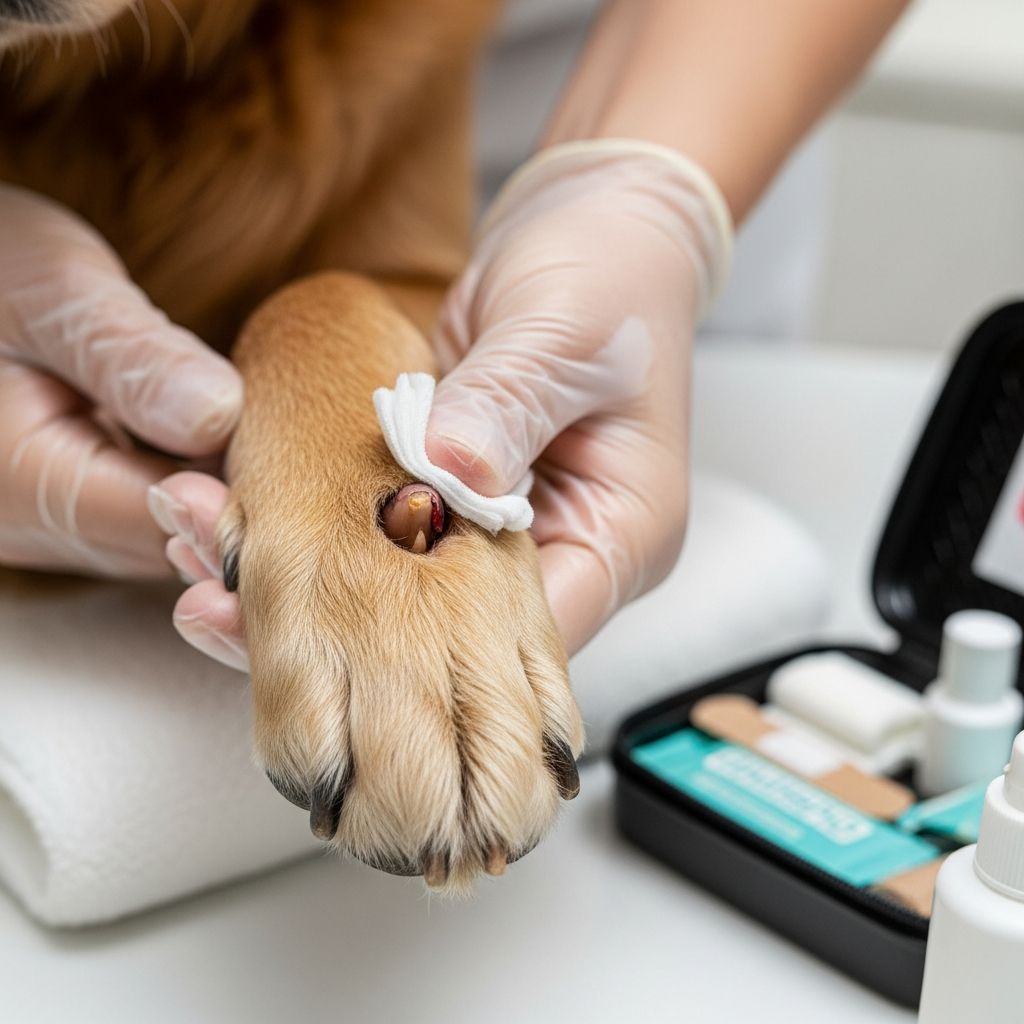
Bleeding is often the most alarming symptom of a broken nail. The good news is that most bleeding can be controlled with basic first aid techniques. Begin by gently wrapping the foot in clean gauze or a soft towel and applying gentle pressure to the injured toe. Be careful not to wrap the paw too tightly, as excessive pressure can cause swelling and restrict circulation.
Most bleeding will stop within 5-10 minutes with direct pressure. However, if bleeding persists beyond 10 minutes, it’s time to use additional measures. Apply a styptic pencil, silver nitrate stick, or cauterizing powder directly to the nail end. These products are specifically designed to stop bleeding and can be purchased at most pet stores or in the first aid section of human pharmacies.
If you don’t have specialized products on hand, you have several household alternatives: Baking powder or flour can effectively stop bleeding, or you can stick the tip of the nail into a bar of soap to help coagulate the blood. While these alternatives are less ideal than commercial styptic products, they can work in emergency situations.
Step 3: Clean the Nail Area
Once bleeding has been controlled and a clot has formed, gently clean the nail with warm water or a saline solution. This step removes any debris, dirt, or bacteria that could lead to infection. Be gentle during cleaning to avoid reopening the wound or causing further pain to your dog.
Step 4: Remove Loose Nail Fragments
Examine the broken nail carefully. Sometimes there is a loosely attached sliver of nail that can be easily trimmed away with dog nail clippers at home. However, in most cases, this job is best left to your veterinarian. If you attempt removal at home and the nail is not completely loose, you risk causing further damage and pain.
If you do remove a loose piece at home, use sharp, clean nail clippers specifically designed for dogs. Never use human nail clippers, as they can crush the nail rather than create a clean cut. Keep the foot wrapped in a clean towel as you proceed with any removal attempts.
Step 5: Apply Protective Dressing
After cleaning and removal of loose pieces, apply a clean gauze pad or non-adherent telfa pad on top of the wound, followed by a light dog bandage. This protective dressing serves multiple purposes: it prevents contamination, minimizes further bleeding, and protects the injury from further trauma. The bandage should be snug enough to stay in place but not so tight that it restricts circulation or causes swelling.
When to Seek Veterinary Care
While some minor broken nails can be managed at home, certain situations require professional veterinary attention. Contact your veterinarian immediately or visit an emergency veterinary clinic if any of the following conditions apply:
- The nail is split down to the base
- Bleeding does not stop within 10-15 minutes despite first aid measures
- Excessive pain or tenderness is noted when touching the area
- The quick is exposed or severely damaged
- Signs of infection develop, including redness, swelling, discharge, or odor
- Your dog has difficulty walking or continues to limp after initial treatment
- The nail bed appears severely traumatized
Even for minor injuries, it’s recommended that you contact your family veterinarian, who may want to see your pet within 12-24 hours for evaluation. This allows the veterinarian to assess whether any underlying trauma to the bones or joints has occurred and to determine if X-rays are needed.
Professional Veterinary Treatment
When you bring your dog to the veterinarian for a broken nail, the veterinarian will follow a systematic approach to treatment:
Professional Nail Removal
The damaged or broken part of the nail needs to be carefully removed by your veterinarian. This procedure is often painful but can be accomplished quickly and frequently requires no sedation. However, depending on the degree of pain and where the break occurs, your veterinarian may recommend sedation and/or numbing the area with a nerve block to keep your dog comfortable. The nail will be trimmed above the break to completely remove the damaged portion and to provide a good foundation for the nail to regrow properly.
Infection Prevention
Your veterinarian may apply antibiotic ointment or powder to the exposed nail bed and apply a professional bandage to prevent contamination and minimize further bleeding. Additionally, an oral or injectable antibiotic may be prescribed as a preventive measure, especially if the quick was exposed or the nail bed is severely damaged. Since the nail bed and quick are attached to bone, preventing infection is absolutely crucial, as bone infections are serious and require specific antibiotic treatment.
Pain Management
Your veterinarian may prescribe pain medication for several days to alleviate your dog’s discomfort and help them resume normal activity. This is particularly important for dogs experiencing significant pain that affects their mobility and quality of life.
Follow-Up Care
Your veterinarian will schedule follow-up visits to examine the affected nail and remove or change the bandage as needed. Any broken nails should be inspected regularly for proper growth and to monitor for complications. During follow-up visits, your veterinarian can ensure that healing is progressing normally and that no infection has developed.
Cost Considerations
The cost to have your dog’s broken nail treated by a veterinarian varies depending on several factors: Pet parents can expect to spend anywhere from less than $100 to several hundred dollars, depending on how severe the injury is and whether sedation, anesthesia, or additional pain medication is required. A simple nail trim might cost less, while a severely damaged nail requiring sedation and professional extraction could cost significantly more.
Building Your Dog’s First Aid Kit
Keeping a well-stocked dog first aid kit at home ensures you’re prepared for nail injuries and other minor emergencies. Here are the essential items every dog owner should have:
Essential Supplies
- Gauze pads and bandages – For controlling bleeding and protecting wounds
- Non-adherent telfa pads – Prevents bandages from sticking to the wound
- Dog nail clippers – High-quality clippers like the Miller’s Forge Nail Clipper work well on dogs’ toenails of all sizes
- Styptic powder – Essential for stopping nail bleeding quickly
- Cornstarch or flour – Budget-friendly alternatives to styptic powder
- Saline solution – For gently cleaning wounds
- Antibiotic ointment – For preventing infection in minor wounds
- Recovery cone – Prevents your dog from licking or chewing at injuries
- Clean container – Keep all supplies organized and easily accessible
Organizing all your supplies in a container makes handling emergencies much easier. When it’s time to trim toenails or treat an injury, you’ll have everything you need in one convenient location.
Prevention: The Best Medicine
While knowing how to treat broken nails is important, prevention is always preferable. Regular nail maintenance and proper nutrition play key roles in keeping your dog’s nails healthy and strong.
Regular Nail Trimming
Most dogs benefit from nail trims every 3-4 weeks, though some dogs with naturally fast-growing nails may need more frequent trims. Regular trimming keeps nails at an appropriate length and prevents them from becoming overgrown and brittle.
Proper Nutrition
A high-quality diet rich in essential nutrients, particularly biotin, zinc, and omega fatty acids, supports healthy nail growth. Consult with your veterinarian about your dog’s diet to ensure they’re receiving optimal nutrition for nail and coat health.
Environmental Considerations
Be mindful of your dog’s environment during exercise and play. Rough surfaces, sharp objects, and extreme running conditions can increase the risk of nail injuries.
Frequently Asked Questions
Q: Can a broken dog nail heal on its own?
A: Sometimes, minor nail injuries can heal with minimal treatment, but professional evaluation is recommended to ensure proper healing and prevent complications like infection.
Q: How long does it take for a broken dog nail to grow back?
A: Dog nails typically take 4-6 months to fully regrow, depending on the severity of the injury and your dog’s individual growth rate.
Q: Should I use a recovery cone after my dog’s nail injury?
A: Yes, using a recovery cone prevents your dog from licking or chewing at the injured nail, which can significantly worsen the injury and introduce bacteria.
Q: What are the signs of infection in a dog’s broken nail?
A: Signs of infection include redness, swelling, discharge, bad odor coming from the nail, or if your dog has difficulty walking or continues limping.
Q: Is it normal for a broken nail to bleed?
A: Yes, bleeding is common when the quick is exposed, but it should stop within 5-10 minutes with proper first aid. Excessive bleeding warrants veterinary attention.
Q: Can I trim my dog’s nail at home after it’s broken?
A: While loosely attached pieces can sometimes be carefully trimmed at home, most broken nails are best handled by a veterinarian to prevent further damage.
References
- What to Do if Your Dog Breaks or Tears a Nail — MedVet. Accessed 2025. https://www.medvet.com/what-to-dog-if-your-dog-breaks-or-tears-a-nail/
- First Aid for Broken Nails in Dogs — VCA Animal Hospitals. Accessed 2025. https://vcahospitals.com/know-your-pet/first-aid-for-broken-nails-in-dogs
- First Aid for Broken Nails on Dogs — PetMD. Accessed 2025. https://www.petmd.com/dog/care/first-aid-broken-nails-dogs
- Pet First Aid: The Basics — Zoetis Petcare. Accessed 2025. https://www.zoetispetcare.com/blog/article/pet-first-aid
- Dog Wound Care Guide — Veterinary Specialty Hospital – San Diego. Accessed 2025. https://www.vshsd.com/blog/dog-wound-care-guide
Similar Articles








Read full bio of Sneha Tete