

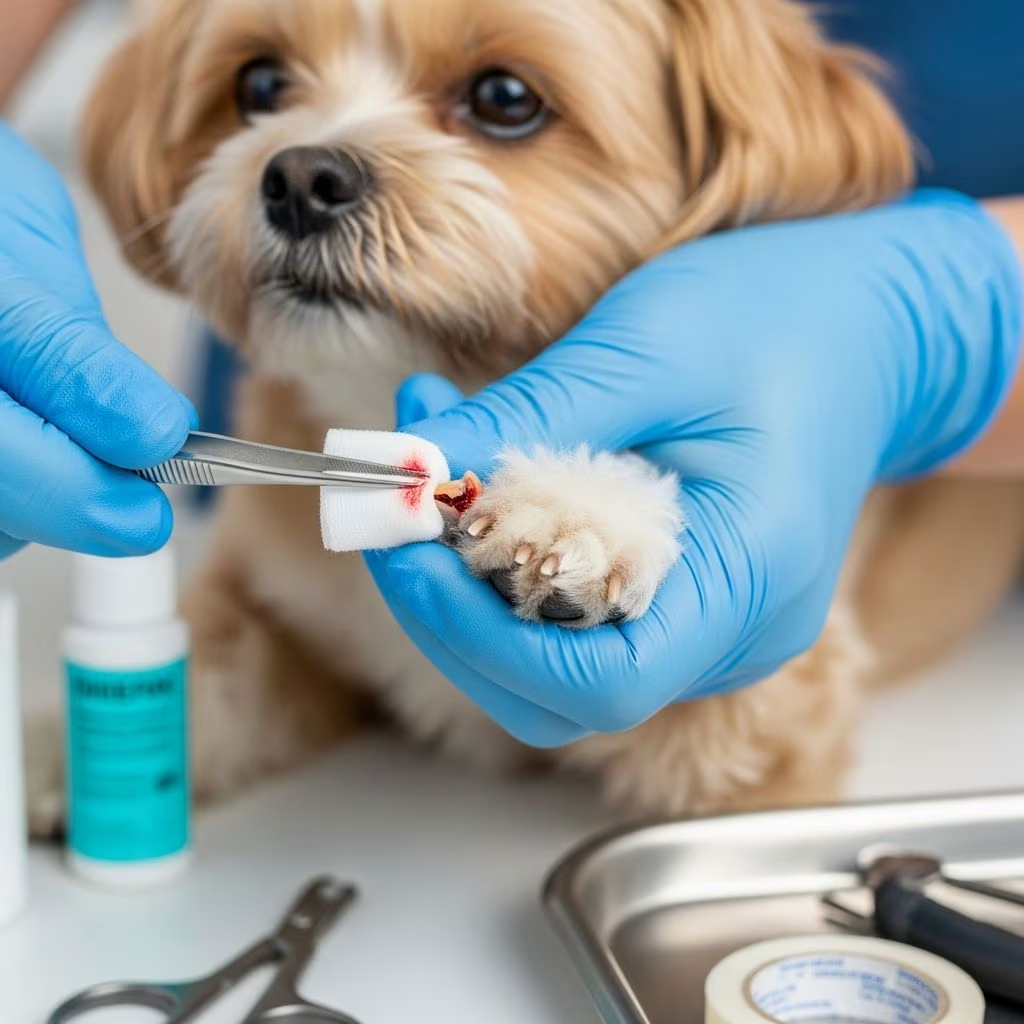
First Aid for Broken Nails in Dogs: A Comprehensive Guide
Dogs rely on their nails for traction, balance, and stability during daily activities. When a dog experiences a broken or torn nail, it can be quite painful and concerning for pet owners. If your dog suddenly yelps in pain, begins to limp, or holds their paw up while refusing to put weight on it, a broken nail may be the culprit. Understanding how to respond quickly and appropriately can make a significant difference in your dog’s comfort and recovery.
A broken nail is more than just a minor inconvenience. The nail is connected directly to the sensitive tissue underneath, known as the quick, which contains blood vessels and nerve endings. When a nail breaks or tears, bleeding and pain are common immediate concerns. Additionally, the exposed nail bed becomes vulnerable to infection, which can lead to serious complications if not properly managed.
Recognizing a Broken Nail
The signs of a broken or damaged nail in dogs are often quite obvious. Your dog may suddenly start limping or favor one paw, holding it up off the ground. Some dogs will continuously lick or chew at the affected nail, which can worsen the injury. You might notice visible bleeding, a dangling piece of nail, or swelling around the affected toe. In some cases, you may see the nail is cracked, split, or partially torn away from the nail bed.
If you suspect your dog has a broken nail, it’s important to examine the paw carefully but gently. Your dog may be sensitive or protective of the injured area, so approach with care and reassurance.
Step-by-Step First Aid Protocol for Broken Nails
Step 1: Safely Restrain Your Dog
The first and most critical step is to safely restrain your dog. Even the gentlest and most well-behaved pet may bite or struggle when in pain. Have another person hold your pet while you tend to the nail injury. Proper restraint is essential for both your safety and your dog’s well-being during treatment.
A helpful technique is to provide restraint in the form of a gentle hug that immobilizes your dog and makes them feel secure and supported. This can help reduce anxiety and keep your dog still while you work. If your dog is particularly anxious or aggressive about having their paw handled, consider using a muzzle to prevent accidental bites. A muzzle should never be tight or uncomfortable—it’s simply a precaution to protect both you and your pet during this stressful situation.
Step 2: Control Bleeding
Once your dog is safely restrained, the next priority is to stop the bleeding. Begin by wrapping the foot gently in clean gauze or a soft towel. Apply gentle pressure to the injured toe to help slow the bleeding and allow a clot to form. It’s crucial to apply the right amount of pressure—enough to control bleeding but not so tight that it restricts circulation or causes swelling.
Monitor the bleeding for 5 to 10 minutes. If the bleeding stops within this timeframe, you’ve successfully controlled the initial hemorrhage. However, if bleeding continues beyond 10 minutes, additional measures may be necessary.
Stopping Excessive Bleeding: If the nail continues to bleed, apply a styptic pencil, silver nitrate stick, or cauterizing powder directly to the nail. These products are specifically designed to stop bleeding and can be found at most pet stores or in the first aid section of your local pharmacy. If you don’t have these items on hand, common household alternatives can work effectively:
- Baking powder applied directly to the nail
- Flour pressed onto the bleeding nail
- The tip of the nail inserted into a bar of soap, which can help seal the wound and stop bleeding
These household remedies are often surprisingly effective and can provide temporary relief until you can obtain proper styptic products. If bleeding persists beyond 10 minutes despite these interventions, it’s time to seek veterinary care immediately, as excessive bleeding may indicate a more serious injury.
Step 3: Remove the Damaged Part of the Nail
After the bleeding has stopped, you’ll need to address the broken or damaged portion of the nail. Sometimes there is a loosely attached sliver or fragment of nail that can be trimmed away easily using clean nail clippers. However, in most cases, removing the damaged nail is best left to your veterinarian.
If you choose to trim away a loosely attached piece at home, use sharp, clean nail clippers to make a quick cut. Keep the foot wrapped in a towel as you proceed, maintaining gentle pressure if any bleeding resumes. After trimming, keep the foot wrapped as you prepare to visit your veterinary hospital for professional evaluation and care.
Your veterinarian will carefully remove any remaining damaged nail. This procedure can be painful for your dog, but veterinarians are experienced in completing it quickly. Depending on the severity of the break and your dog’s pain level, your vet may use sedation or administer a nerve block to numb the area and make the procedure more comfortable.
The goal is to trim the nail above the break point, completely removing the damaged portion. This provides a healthy foundation for the nail to regrow properly and reduces the risk of complications during healing.
Step 4: Protect the Nail Bed from Infection
Once the damaged nail has been removed, protecting the exposed nail bed becomes critical. The nail bed and the underlying quick are attached directly to bone, making infection prevention absolutely essential. Bone infections are serious medical problems that can be difficult to treat and may require prolonged antibiotic therapy.
Your veterinarian will likely apply antibiotic ointment or powder directly to the exposed nail bed. The foot will then be bandaged carefully to prevent contamination and minimize further bleeding. The bandage also protects the sensitive nail bed from dirt and bacteria in the environment.
In many cases, your veterinarian will prescribe oral or injectable antibiotics as an additional preventive measure. These medications help ensure that infection doesn’t develop during the healing process. Your dog’s foot will need to be closely monitored, so your veterinarian will schedule a follow-up visit to examine the healing nail and remove or change the bandage as needed.
Post-Treatment Care at Home
After initial treatment, proper home care is essential for successful healing. Keep the bandaged paw clean and dry. If the bandage becomes wet or dirty, contact your veterinarian about changing it. Most veterinarians recommend keeping the foot elevated when possible to reduce swelling and promote blood circulation.
Prevent your dog from licking or chewing at the injured nail, as this can introduce bacteria and worsen the injury. A recovery cone (Elizabethan collar) is helpful in preventing this behavior. Keep your dog’s activity restricted to short, controlled walks for bathroom breaks until your veterinarian gives clearance to resume normal activity.
Watch for any signs of infection during healing, particularly around the bandaged area. Contact your veterinarian immediately if you notice redness, swelling, discharge, or a foul odor. These symptoms indicate infection and require prompt veterinary attention.
When to Seek Immediate Veterinary Care
While minor broken nails can sometimes be managed with home care, certain situations require urgent veterinary attention. You should contact your veterinarian or visit an emergency care facility if:
- Bleeding does not stop within 10 minutes despite your efforts
- The nail is broken all the way to the base
- Your dog shows signs of severe pain or difficulty walking
- Swelling or redness develops around the toe
- You notice discharge or a foul smell from the nail bed
- Your dog develops a fever or shows signs of illness
- The damaged nail cannot be easily removed or trimmed
- Your dog becomes anxious, aggressive, or will not allow you to handle the affected paw
If you’re uncertain about the severity of the injury or your ability to manage it at home, it’s always better to err on the side of caution and seek professional veterinary guidance.
Prevention of Broken Nails
While accidents happen, there are several measures you can take to reduce your dog’s risk of breaking a nail. Regular nail trimming is the most important preventive step. Keeping nails at an appropriate length reduces the risk of them catching on surfaces or objects during play and exercise. Most dogs benefit from nail trimming every 4 to 8 weeks, though this varies based on activity level and nail growth rate.
Regularly check your dog’s claws, including the often-overlooked dewclaws on the front paws. Some dogs have dewclaws on their hind legs as well. These nails often receive less wear and may need more frequent trimming. If you’re uncomfortable trimming your dog’s nails yourself, your veterinarian or a professional groomer can assist.
Maintain appropriate surfaces for exercise and play. Rough concrete or rocky terrain can wear nails down naturally but may also increase the risk of tearing. Consider the environment where your dog plays and exercise to minimize hazards.
Provide proper nutrition to support healthy nail growth. Nails that are brittle or weak are more prone to breaking. A balanced diet rich in protein, omega fatty acids, and essential vitamins and minerals supports overall nail health.
Understanding Nail Structure and Why Breaks Happen
Dog toenails are similar to human nails in many ways, but with one significant difference: they’re attached directly to the end of the bone in the toe, called the phalanx. This direct connection means that nail injuries affect not just the keratin structure of the nail itself but also the sensitive tissue underneath and the bone beneath that.
Broken nails can occur during normal play and running, from wear and tear on rough surfaces, or from trauma such as getting caught on something. Some dogs are more prone to nail problems due to their activity level, genetics, or health conditions affecting nail quality.
The Healing Timeline
After a broken nail is properly treated, the healing timeline varies depending on the severity of the injury. A nail that’s only partially broken may heal relatively quickly, with full regrowth taking 4 to 6 months. More severe breaks that require removal of most of the nail can take 6 to 12 months or longer for complete regrowth.
During this healing period, the new nail grows from the base and gradually pushes out the damaged portion. It’s important to keep the area clean and protected during this time to prevent infection and ensure healthy regrowth. Your veterinarian may recommend periodic examinations to monitor healing progress.
Frequently Asked Questions
Q: Can I treat a broken nail at home without seeing a veterinarian?
A: Minor broken nails with minimal bleeding can sometimes be managed at home with proper cleaning and monitoring. However, if the break extends to the base, if bleeding is excessive, or if your dog shows signs of pain or infection, veterinary care is necessary. When in doubt, contact your veterinarian for guidance.
Q: What’s the difference between a split nail and a broken nail?
A: A split nail has a crack running along its length but may still be firmly attached, while a broken nail is partially or completely separated from the nail bed. Both require attention, though treatment approaches may differ.
Q: How long does it take for a dog’s nail to regrow after breaking?
A: Complete regrowth typically takes 4 to 12 months, depending on the severity of the break and the extent of nail removal. Your veterinarian can provide a more specific timeline based on your dog’s injury.
Q: What should I do if my dog won’t let me touch the broken nail?
A: If your dog is too protective or anxious about the injured paw, it’s best to let your veterinarian handle the assessment and treatment. Forcing the issue may result in bites or increased anxiety for your dog.
Q: Can a broken nail lead to serious complications?
A: Yes. If infection develops in the nail bed or spreads to the bone, it can become serious. This is why infection prevention and monitoring are crucial components of nail injury treatment.
Q: Should I use a cone collar after my dog’s nail treatment?
A: Yes, a recovery cone is highly recommended to prevent your dog from licking or chewing at the bandaged area, which can introduce bacteria and compromise healing.
References
- First Aid for Broken Nails in Dogs — VCA Animal Hospitals. Accessed November 2025. https://vcahospitals.com/know-your-pet/first-aid-for-broken-nails-in-dogs
- What to Do if Your Dog Breaks or Tears a Nail — MedVet Emergency & Specialty Hospital. Accessed November 2025. https://www.medvet.com/what-to-dog-if-your-dog-breaks-or-tears-a-nail/
- First Aid for Broken Nails on Dogs — PetMD. Accessed November 2025. https://www.petmd.com/dog/care/first-aid-broken-nails-dogs
- Split or Broken Dog Nails: Treatment and Care — Whole Dog Journal. Accessed November 2025. https://www.whole-dog-journal.com/care/broken-or-split-nails/
- Broken Nail First Aid — ASPCA Pet Health Insurance. 2024. https://vet.aspcapetinsurance.com/broken-nail-first-aid



