

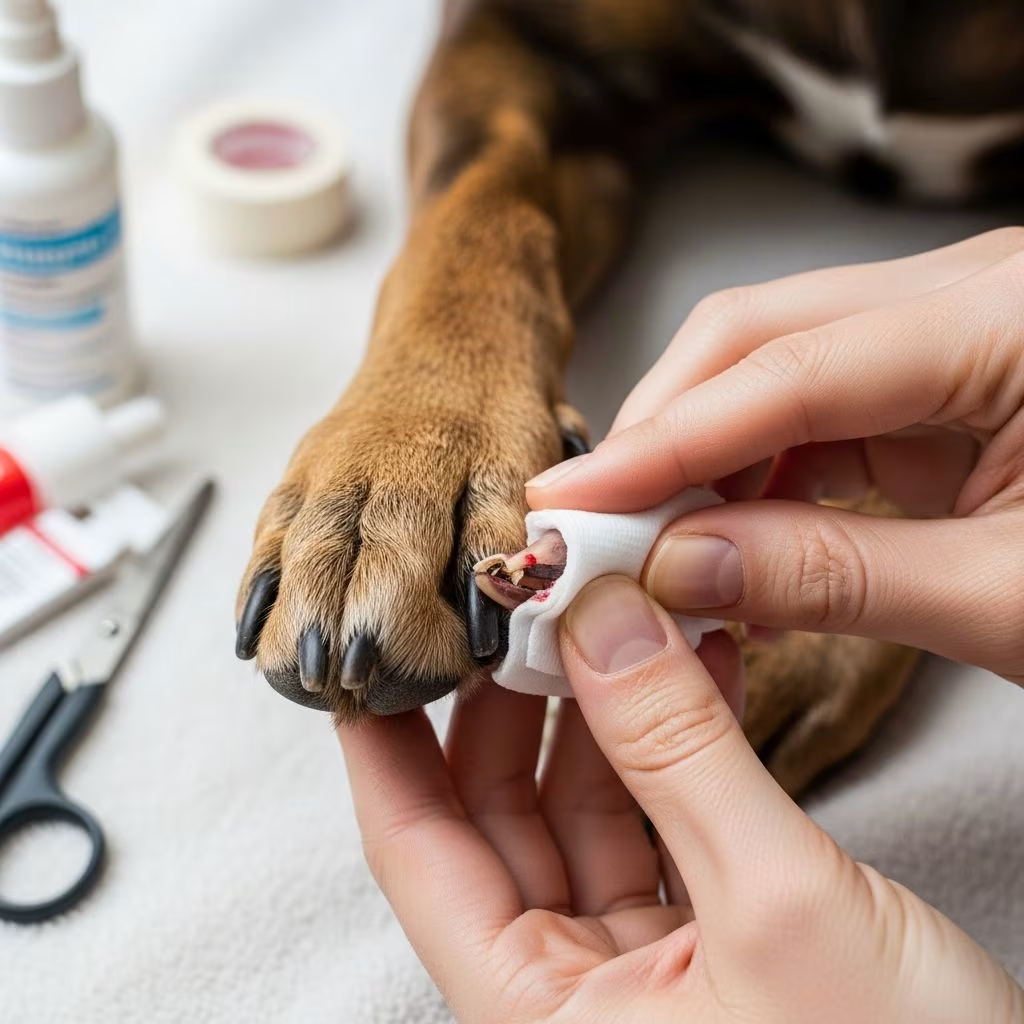
First Aid for Broken Nails in Dogs
If your dog yelps in pain and suddenly begins to limp or hold his paw up, check his foot for a broken nail. A broken nail is one of the most common paw injuries in dogs and can be quite painful. The good news is that with proper first aid and care, you can often treat it at home effectively. This comprehensive guide will walk you through the essential steps to manage your dog’s broken nail safely and prevent complications.
Recognizing a Broken Nail
The first sign that your dog has a broken nail is usually an immediate yelp or whimper in pain. Your dog may begin limping or holding the affected paw up to avoid putting weight on it. When you examine the paw, you may see a nail that is cracked, split, or partially torn off. The area may be bleeding or show signs of sensitivity. In some cases, the nail may be completely missing or hanging loosely. Understanding these signs will help you respond quickly to prevent further injury and infection.
Follow These Five Treatment Steps
When your dog has a broken nail, follow this evidence-based treatment protocol to ensure proper care and healing. Each step is designed to prevent complications and manage your dog’s discomfort effectively.
Step 1: Safely Restrain Your Dog
The first and most important step is to safely restrain your dog while you treat the broken nail. Have someone hold your pet while you tend to the nail. This prevents your dog from moving suddenly and causing further injury to the nail bed. Remember that even the nicest pet may bite when in pain, so exercise caution during the examination and treatment process. If your dog is particularly anxious or tends to nip when experiencing discomfort, consider using a muzzle for safety. Provide restraint in the form of a gentle hug which immobilizes the dog and makes him feel secure. This calming approach will help reduce stress for both you and your pet during the treatment.
Step 2: Control Bleeding
Once your dog is safely secured, the next critical step is to manage any bleeding. Wrap the foot in gauze or a clean towel and apply gentle pressure to the injured toe. Maintain steady pressure for 5–10 minutes to allow a clot to form. If the bleeding does not stop after this initial period, you may need to apply additional products to help stop the bleeding more quickly.
Bleeding Control Methods: Apply a styptic pencil, silver nitrate stick, or cauterizing powder to the nail. These specialized products contain agents that help seal the wound and stop bleeding quickly. These items can be purchased at the pet store or in the first aid section of your local pharmacy. If you do not have these products at home, you can try these alternative methods:
- Cover the nail with baking powder or flour and apply pressure for several minutes
- Stick the tip of the nail into a bar of soap to help create a clot
- Use cornstarch as an alternative blood-clotting agent
Step 3: Remove the Damaged Part of the Nail
The damaged or broken part of the nail needs to be carefully removed to facilitate proper healing. This procedure can be painful for your dog, but it can often be accomplished quickly and without sedation for minor cases. However, depending on the degree of pain and the location of the break, your veterinarian may recommend sedation and/or numbing the area with a nerve block for your dog’s comfort.
The nail should be trimmed above the break to completely remove the damaged portion. This trimming provides a good foundation for the nail to regrow properly. If the nail is broken at the base or very close to the nail bed, professional veterinary intervention is essential. Your veterinarian has the proper tools and expertise to remove the damaged portion cleanly while minimizing pain and bleeding. Attempting this at home with inadequate tools can cause additional injury and complications.
Step 4: Protect the Nail Bed from Infection
Since the nail bed (also called the quick) is attached to bone, preventing infection is absolutely crucial. Bone infections are serious medical problems and can develop rapidly if the wound is not properly protected. Your veterinarian will typically apply antibiotic ointment or powder to the exposed nail bed and bandage the foot to prevent contamination and minimize further bleeding. An oral or injectable antibiotic may also be recommended as a precautionary measure.
Before bandaging, gently clean the nail with warm water or saline solution to remove any dirt or debris. If available, rinse the affected area with Betadine or Chlorhexidine antiseptic. Pat the area dry gently before applying any topical treatments. Use gauze or a non-adherent telfa pad on top of the wound before wrapping with a light bandage. It is very easy to wrap a dog’s foot incorrectly, which can lead to serious side effects, so it is often best to have a veterinarian apply the initial bandage to ensure proper technique.
Step 5: Control the Pain
Pain management is an essential component of treating a broken nail. Your dog’s foot needs to be closely monitored during the healing process. Your veterinarian will schedule a follow-up visit to examine the affected nail and remove or change the bandage as needed. During the healing period, keep your dog as calm as possible and limit physical activity to prevent further injury to the affected paw. Your veterinarian may prescribe pain relief medication to help your dog feel more comfortable during recovery.
Ongoing Care and Monitoring
After the initial treatment, proper ongoing care is essential for successful healing. Change the bandage or sock regularly as directed by your veterinarian, typically every 2–3 days. Keep the area clean and dry to prevent bacterial growth and infection. Watch carefully for any signs of complications during the healing process.
Within 2–3 days, the wound should be healed enough that your dog will not lick it, and the protective collar (Elizabethan collar or E-collar) can be removed. However, continue monitoring the area for any concerns. If your dog pulls the bandage or sock off repeatedly, consider using a plastic cone around their neck for a few days until the wound heals completely. This protective measure helps ensure your dog’s paw remains clean and protected, facilitating quicker healing and reducing the risk of infection or further injury.
Warning Signs Requiring Immediate Veterinary Care
While many broken nails can be treated at home, certain situations require emergency veterinary attention. Seek immediate professional care if you notice any of the following warning signs:
- Heavy bleeding that does not stop within 10–15 minutes despite appropriate treatment
- Visible bone or tissue exposure beyond the nail
- Signs of infection including swelling, discharge, odor, or redness around the nail bed
- Your dog is in extreme pain or refusing to put any weight on the affected paw
- The nail is broken at the base or into the nail bed
- Your dog shows signs of lameness or inability to walk
- Signs of stress, fever, or systemic illness in your dog
When to See Your Veterinarian
While minor broken nails can often be managed at home with basic first aid, certain situations require professional evaluation. If the nail is split completely to the base, if bleeding is excessive, or if tenderness or pain is noted when touching the area, it is best to take your dog to the vet for treatment. Your veterinarian can provide appropriate pain relief medication and perform necessary treatment while your pet is under sedation or local anesthesia to ensure their comfort. This professional approach is especially important for severe breaks that extend into the sensitive nail bed or quick.
Additionally, if the nail is only partially removed and still hanging loosely, it will either need to be trimmed back or completely removed. This is best done by a veterinarian so the procedure is done quickly, correctly, and your dog is given appropriate pain management and anesthetic as needed. Some pets require general anesthesia to remove a torn nail due to the significant pain involved.
Building a Dog First Aid Kit
Keeping a dog first aid kit on hand will ensure you have everything you need to handle minor broken or bleeding nails. Your kit should include:
- Styptic powder or styptic pencils
- Gauze pads and rolls
- Non-adherent telfa pads
- Antibiotic ointment
- First-aid tape
- Clean cloth or towels
- Saline solution
- Elizabethan collar (E-collar)
- Clean socks for protective covering
Frequently Asked Questions
Q: How long does it take for a broken dog nail to heal?
A: The healing time varies depending on the severity of the break. Minor surface breaks may heal within a few weeks, while breaks extending into the nail bed may take several weeks to months for complete healing and regrowth of a normal nail.
Q: Can I use human bandages on my dog’s paw?
A: While human bandages can work temporarily, they are not ideal for dogs as they may be too restrictive or easily removed. Dog-specific bandages or clean socks are better options, and veterinary application ensures proper technique.
Q: Is it normal for a dog’s broken nail to bleed a lot?
A: Yes, dog nails tend to bleed quite a lot when torn or cut too short. This is normal, but if bleeding cannot be controlled after 10-15 minutes of pressure, seek veterinary care immediately.
Q: How can I prevent my dog from licking the broken nail?
A: Keep the area bandaged and consider using an Elizabethan collar (E-collar) to prevent your dog from accessing the wound. This protective measure is especially important in the first few days of healing.
Q: What causes broken nails in dogs?
A: Broken nails can result from accidents, trauma, overgrown nails catching on surfaces, trimming too short, or certain health conditions affecting nail brittleness. Regular nail maintenance helps prevent many cases.
Q: Can a broken nail lead to serious complications?
A: Yes, if infection develops, especially bone infection, it can become a serious problem. This is why preventing infection through proper cleaning and antibiotic treatment is crucial following a broken nail injury.
References
- First Aid for Broken Nails in Dogs — VCA Animal Hospitals. 2024. https://vcahospitals.com/know-your-pet/first-aid-for-broken-nails-in-dogs
- What To Do if Your Dog’s Nail Is Broken — MetLife Pet Insurance. 2024. https://www.metlifepetinsurance.com/blog/pet-health/dog-broken-nail/
- How to Treat a Broken Dog Nail: 5 Essential Tips — Petful. 2024. https://www.petful.com/pet-health/how-to-treat-a-broken-dog-nail/
- First Aid for Broken Nails on Dogs — PetMD. 2024. https://www.petmd.com/dog/care/first-aid-broken-nails-dogs
- Dog Broken Nail: Is It an Emergency? — Grayson Vet Supply. 2024. https://gsvs.org/blog/dog-broken-nail-emergency/
- Pet First Aid — Wilderness Animal Hospital. 2024. https://wildernessvet.com/june-2011-pet-first-aid/
- BROKEN NAIL – ASPCA Pet Health Insurance Veterinary Resources — ASPCA Pet Insurance. 2024. https://vet.aspcapetinsurance.com/cms/wp-content/uploads/2024/04/ASPCA_BrokenNailFirstAid_Infographic.pdf



