

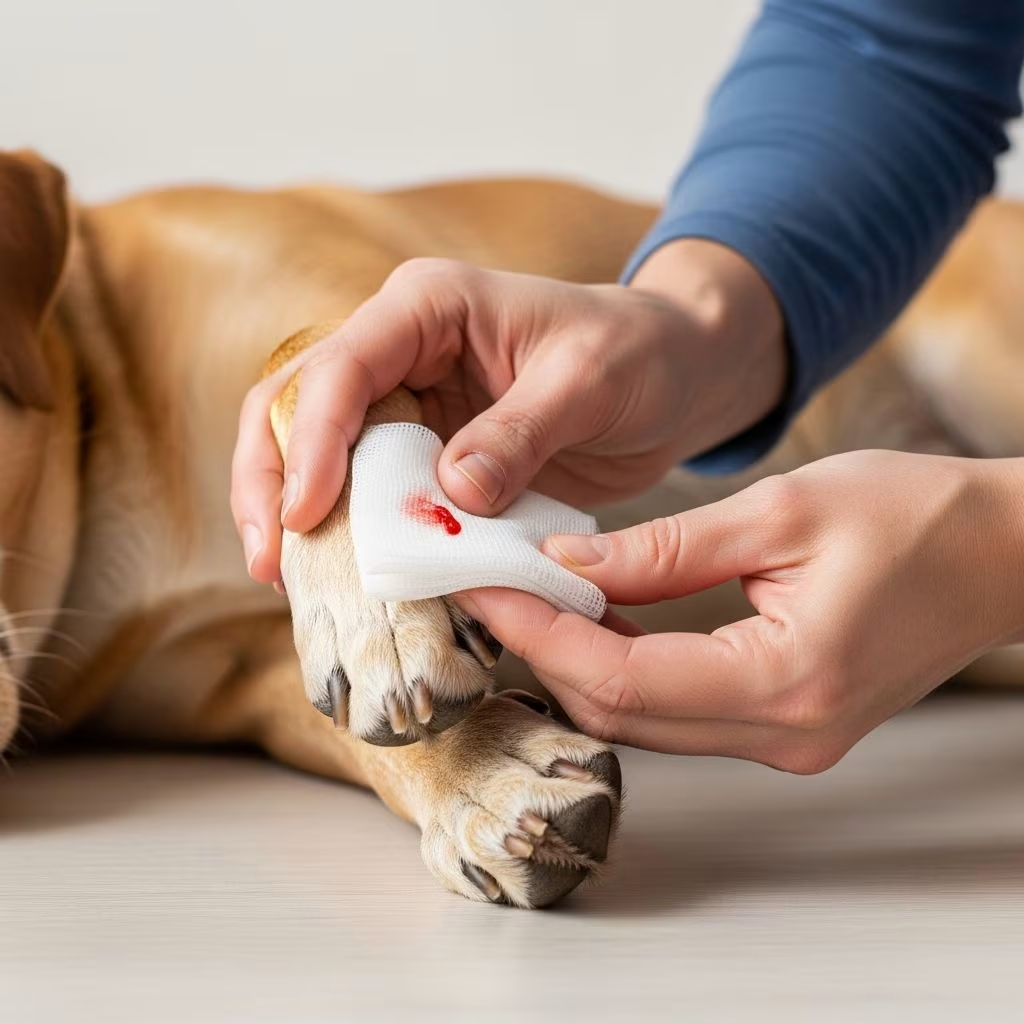
First Aid for Bleeding in Dogs: Essential Care Guide
Bleeding emergencies in dogs can occur unexpectedly through accidents, injuries, fights, or trauma. Knowing how to respond quickly and appropriately during these critical moments can make the difference between life and death. This comprehensive guide covers the essential first aid techniques for managing bleeding in dogs, helping you stabilize your pet and prepare for professional veterinary care.
Understanding Bleeding Emergencies in Dogs
Bleeding can occur from various causes including laceration wounds, puncture injuries, bite wounds, automobile accidents, and internal trauma. The severity of bleeding varies depending on the location of the wound and the size of the blood vessels involved. External bleeding is more visible and easier to address with first aid, while internal bleeding may not be immediately apparent but can be life-threatening.
Recognizing the signs of severe bleeding is crucial. Watch for excessive blood flow, pale gums, rapid pulse, weakness, or unconsciousness. In cases of internal bleeding, your dog may cough up blood, have bloody discharge from the nose or mouth, or display blood in urine.
Immediate Assessment and Safety Precautions
Before administering first aid, ensure your own safety and that of others. An injured dog in pain may bite out of fear or panic, even if normally docile. Approach calmly and speak in soothing tones to keep your pet as relaxed as possible. If necessary, you may need to muzzle your dog gently to assess the injury site safely.
Assess the scene for any ongoing dangers. Remove your dog from traffic, hazardous areas, or situations that could cause further injury. Keep the environment as calm and quiet as possible, as excitement and stress increase blood pressure, which can accelerate bleeding.
Direct Pressure Technique for Bleeding Control
The most effective first aid method for controlling external bleeding is applying direct pressure to the wound. This technique works by encouraging clot formation and stopping blood flow. Here’s how to apply direct pressure correctly:
Step-by-Step Direct Pressure Application
- Wear disposable gloves to protect yourself from contamination
- Locate the bleeding wound carefully
- Press a thick, clean gauze pad or absorbent cloth directly onto the wound
- Apply firm, steady pressure without lifting to check the bleeding frequently
- Maintain pressure for at least 2-3 minutes before checking progress
- If bleeding continues, apply additional gauze layers over the first without removing the original pad
- Keep pressure applied all the way to the veterinary hospital if bleeding is severe
Do not lift the gauze repeatedly to check bleeding status, as this disrupts clot formation. The key to success is maintaining consistent, uninterrupted pressure. If blood soaks through the applied towel or cloth, do not remove it; instead, add additional layers on top.
Wound Cleaning and Dressing
Once bleeding has stopped or slowed significantly, the wound should be properly cleaned and dressed. If the bleeding has completely stopped, flush the area gently with saline solution to remove debris and contamination. Use sterile saline solution from a turkey baster or large syringe for effective cleaning.
After cleaning, cover the wound with nonstick bandages and sterile gauze. Ensure bandages are not wrapped too tightly, as this can restrict circulation and cause additional tissue damage. Proper dressing protects the wound from further contamination during transport to the veterinary clinic.
Managing Severe Bleeding and Shock
Severe bleeding can lead to shock, a life-threatening condition where the body’s circulatory system fails to maintain adequate blood flow. Dogs in shock require immediate stabilization. Keep your dog warm by covering with blankets, towels, or even newspapers, as maintaining body temperature is critical. Keep your pet as quiet as possible and minimize movement, especially if trauma is suspected.
Elevate the lower half of your dog’s body slightly to promote blood flow to vital organs, particularly the brain. This positioning helps maintain consciousness and prevents further deterioration. Avoid unnecessary handling or movement that could exacerbate internal injuries.
Tourniquet Application for Limb Bleeding
In cases of severe bleeding from the legs or extremities that cannot be controlled with direct pressure, a tourniquet may be necessary to prevent life-threatening blood loss. Apply a tourniquet using a thin strip of gauze, elastic band, or similar material between the wound and the body. Position it as close to the body as possible while still being above the wound.
Once the tourniquet is in place, cover it with gauze padding and apply gentle pressure to the wound. To prevent tissue damage from prolonged circulation loss, loosen the tourniquet for approximately 30 seconds every 15-20 minutes. Severe blood loss from limb wounds requires immediate emergency veterinary care, so arrange transportation to an emergency clinic immediately.
Controlling Nosebleeds
Nosebleeds in dogs can result from trauma, bleeding disorders, or underlying health conditions. If your dog experiences epistaxis, or nosebleeds, keep them calm as elevated blood pressure associated with excitement will increase bleeding. Place an ice pack on the bridge of the nose, on top of the muzzle, to constrict blood vessels and slow bleeding. For short-faced breeds, ensure your pet can breathe comfortably around the ice pack.
Maintain the ice pack application for several minutes and keep your dog calm and quiet. Most minor nosebleeds will stop within a few minutes with proper ice application and rest.
Safe Transportation of an Injured Dog
Transporting an injured dog requires careful handling to prevent additional injury. Always get assistance when moving a wounded pet. For small dogs, place them in a carrier with the top removed for easy access, or use a sturdy cardboard box. Never push an injured dog through a small door or opening, as this could cause additional trauma.
For larger dogs, create a makeshift stretcher from rigid material such as a sturdy piece of wood. Carefully maneuver your dog onto a blanket or coat so they can be gently moved to the stretcher or carrier. Support the entire body during movement to prevent jarring motions that could worsen injuries.
Minimize handling and movement during transport, especially if spinal injuries or trauma is suspected. Have one person drive while another maintains pressure on the bleeding wound and monitors your dog’s condition.
Essential First Aid Kit Components
Every dog owner should maintain a pet first aid kit for emergency situations. Key components for managing bleeding include:
- Sterile gauze pads and gauze rolls
- Nonstick bandages and waterproof adhesive tape
- Clean towels or cloth for pressure application
- Disposable gloves to protect hands
- Saline solution for wound cleaning
- Turkey baster or large syringe for flushing wounds
- Tweezers for removing foreign objects
- Sterile lubricating jelly
- Styptic liquid to stop minor bleeding
- Instant cold packs for reducing swelling
- Scissors with blunt ends for cutting bandages
- Small flashlight for examining wounds
When to Seek Emergency Veterinary Care
While minor bleeding can often be managed with first aid, certain situations require immediate professional veterinary attention. Seek emergency care immediately if:
- Bleeding cannot be controlled after 10-15 minutes of direct pressure
- Your dog shows signs of shock including weakness, rapid or weak pulse, or pale gums
- Bleeding is from the abdomen, chest, or head
- Your dog is coughing up blood or has bloody discharge
- There is significant blood loss or soaking through multiple gauze layers
- The wound appears deep, large, or contaminated
- You suspect internal bleeding
- Your dog is unconscious or unresponsive
Contact your veterinary hospital immediately, inform them of the situation, and get specific first aid advice. Most emergency clinics can provide guidance over the phone while you’re transporting your pet. Getting professional medical evaluation quickly significantly improves outcomes for bleeding injuries.
Post-First Aid Care and Monitoring
After administering first aid, your dog will need professional veterinary examination to assess the full extent of injury and determine appropriate treatment. Wounds may require stitches, antibiotics, or pain management. Monitor your dog closely for signs of infection, such as increased swelling, discharge, or warmth around the wound.
Keep your pet calm and restrict activity during recovery. Prevent licking or chewing at the wound by using an Elizabethan collar if recommended by your veterinarian. Follow all post-treatment instructions carefully to ensure proper healing and prevent complications.
Frequently Asked Questions
Q: How long should I apply direct pressure to a bleeding wound?
A: Maintain consistent direct pressure for at least 2-3 minutes before checking if bleeding has slowed. Do not lift the gauze frequently to check progress, as this disrupts clot formation. Continue applying pressure during transport to the veterinary clinic if bleeding is severe.
Q: Can I use a regular bandage to stop dog bleeding?
A: For minor bleeding, a clean cloth or absorbent material can be used initially. However, sterile gauze is preferred as it’s designed for medical use and won’t stick to the wound like regular bandages might.
Q: What should I do if my dog has internal bleeding?
A: If you suspect internal bleeding based on symptoms like coughing up blood, bloody discharge, or pale gums, keep your dog warm and comfortable, and seek emergency veterinary care immediately. Internal bleeding requires professional diagnosis and treatment.
Q: Is it safe to use a tourniquet on my dog’s leg?
A: Tourniquets can be used for severe limb bleeding that cannot be controlled otherwise. Apply it between the wound and the body, and loosen it every 15-20 minutes for about 30 seconds to prevent tissue damage. Seek emergency care immediately with any tourniquet application.
Q: How do I know if my injured dog is in shock?
A: Signs of shock include weakness, rapid or weak pulse, pale gums, cool skin, and sometimes unconsciousness. Keep your dog warm and quiet, and seek emergency veterinary care immediately if you notice these symptoms.
Q: Should I muzzle my dog before treating a bleeding wound?
A: You may need to gently muzzle your dog if they’re in pain or panicked to safely locate the injury and assess bleeding. Use a soft muzzle that allows breathing, and handle gently to avoid causing additional stress.
References
- First Aid for Dogs: Shock, Rescue Breathing, and CPR — VCA Animal Hospitals. Updated 2024. https://vcahospitals.com/know-your-pet/first-aid-for-dogs
- Care of Open Wounds in Dogs — VCA Animal Hospitals. Updated 2024. https://vcahospitals.com/know-your-pet/care-of-open-wounds-in-dogs
- First Aid Tips for Pet Owners — American Veterinary Medical Association. Updated 2024. https://www.avma.org/resources-tools/pet-owners/emergencycare/first-aid-tips-pet-owners
- Emergency Pet Care Guide — VCA Animal Hospitals. Updated 2024. https://vcahospitals.com/know-your-pet/first-aid-for-dogs
- First Aid for Pets: Tips at Shoreland Animal Hospital — Shoreland Animal Hospital. Published April 23, 2024. https://www.shorelandanimalhospital.com/site/blog/2024/04/23/give-pets-first-aid



