

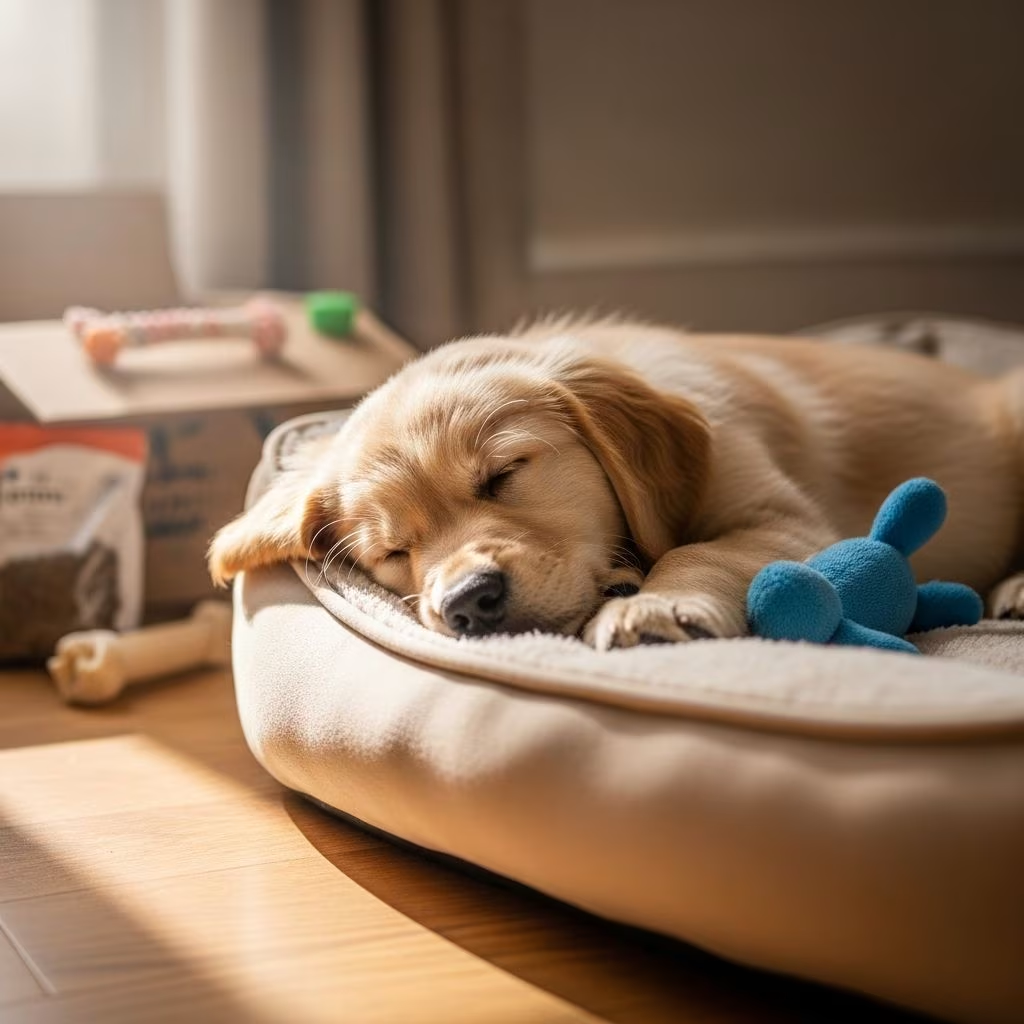
Bringing a new puppy into your home marks the start of an exciting journey filled with joy, responsibility, and a few challenges. The initial 48 hours set the foundation for your puppy’s adjustment to their new environment, helping build trust and good habits early on. This guide provides a comprehensive roadmap, drawing from veterinary and training best practices to ensure a positive experience for both you and your furry companion.
Preparing Your Home Before Arrival
Success in the first days hinges on thorough preparation. Puppy-proofing transforms your space into a safe haven, preventing accidents and reducing stress. Begin by surveying your home from a puppy’s low-level perspective to spot hazards like loose wires, small objects, or toxic plants.
- Secure living areas: Use baby gates or playpens to limit access to unsafe zones, creating a confined ‘puppy zone’ with easy-clean flooring.
- Remove dangers: Tuck away cords, chemicals, and medications; opt for secure trash bins.
- Comfort setup: Designate a quiet corner with soft bedding for rest.
Gather supplies in advance to avoid last-minute rushes. Stock up on age-appropriate food recommended by your vet, non-slip bowls, a properly sized collar and leash, chew toys, cleaning products, and training treats. A crate lined with familiar blankets offers security, mimicking a den-like space.
Puppy Essentials Checklist
Having the right items ready ensures smooth care. Here’s a prioritized list:
| Category | Items | Purpose |
|---|---|---|
| Comfort & Rest | Crate or playpen, soft bedding, blanket from breeder | Provides security and aids sleep training |
| Feeding | Puppy food, bowls, measured portions | Supports nutrition and routine establishment |
| Grooming & Hygiene | Brushes, wipes, puppy shampoo, nail clippers | Maintains cleanliness without overwhelming |
| Training & Play | Leash, collar, treats, interactive toys | Encourages positive behaviors early |
| Health & Cleanup | Wee pads, stain remover, probiotics | Handles accidents and tummy issues |
Consult your breeder or vet for breed-specific needs, such as food type, to prevent digestive upset.
Safe Travel Bringing Puppy Home
The journey home can be daunting for a young puppy leaving familiar surroundings. Plan for comfort to minimize anxiety. Use a secure carrier or crate in the car, lined with absorbent pads and a comforting item like a ticking clock toy simulating a littermate’s heartbeat.
- Take breaks every 30-60 minutes for potty stops and water sips.
- Maintain cool ventilation; never leave the puppy alone in the vehicle.
- Keep drives calm with soft music to soothe nerves.
Upon arrival, carry the puppy directly to their designated potty spot outside before entering, praising successes immediately with treats. This reinforces good habits from the outset.
Settling In: The First Day
Your puppy’s initial day focuses on decompression and gentle introductions. Overstimulation can lead to setbacks, so prioritize calm energy.
Designating a Safe Haven
Set up the crate or playpen in a central, quiet spot like your bedroom for the first nights. Include water, toys, and bedding. Allow supervised exploration in short bursts, watching for signs of fatigue like yawning or hiding.
Family and Pet Introductions
Introduce household members one at a time with calm pets and treats. For existing pets, supervise initial meetings on neutral ground, keeping leashes on for control. Reward calm interactions to foster positive associations.
Establishing Daily Routines
Puppies crave predictability. Implement a schedule for meals (3-4 times daily), potty breaks (every 30-45 minutes when awake), play, and naps. Puppies may sleep 18-20 hours, so enforce quiet rest periods in the crate to support growth.
Sample First-Day Schedule:
| Time | Activity |
|---|---|
| 7 AM | Potty break, breakfast |
| 8 AM | Short play, training session |
| 9 AM | Nap in crate |
| 10 AM | Potty, exploration |
| Repeat pattern with lunch at noon, dinner at 5 PM, bedtime routine by 9 PM |
Navigating the First Night
Nights bring separation anxiety as puppies miss their litter. Expect whining, but respond strategically.
- Wind-down ritual: Dim lights, short potty walk (if vaccinated), quiet cuddles, then crate time.
- Comfort aides: Familiar scents, soft white noise, or a warm water bottle wrapped safely.
- Minimize reinforcement: Ignore mild cries after checks; comfort only for true needs like potty.
Place the crate near your bed initially for reassurance, transitioning gradually. Consistency prevents prolonged issues.
Health Monitoring and Vet Visit
Observe closely for normalcy: mild lethargy from stress is common, but watch for vomiting, diarrhea, refusal to eat, or extreme lethargy. Schedule a vet exam within 48 hours for vaccines, deworming, and microchipping checks.
- Stick to breeder’s feeding schedule to avoid tummy troubles; introduce probiotics if needed.
- No public walks until fully vaccinated—use home play instead.
Track intake/output; accidents are normal but praise outdoor successes lavishly.
Starting Basic Training Foundations
Begin positive reinforcement immediately with short, fun sessions. Use high-value treats for commands like ‘sit’ (lure with food), ‘come,’ and leash tolerance.
Addressing Common Behaviors
Puppies nip instinctively—yelp sharply, withdraw attention, and redirect to toys. Leash dragging builds comfort without force.
- Crate training: Feed meals inside to associate positivity.
- Potty training: Same spot, same phrase like ‘go potty.’
Socialization Kickoff
Controlled exposures build confidence: household sounds, gentle handling, varied toys. Avoid overwhelming crowds; focus on positive, brief encounters.
Exercise and Mental Stimulation
Short indoor games like fetch or puzzle toys expend energy safely. Rotate toys to maintain interest, preventing boredom-induced chewing.
Frequently Asked Questions (FAQs)
What if my puppy cries all night?
Ensure potty needs are met, then let them self-soothe after a calm check-in. Consistency resolves this quickly.
How often should I feed a new puppy?
3-4 small meals daily, per vet/breeder advice, spaced evenly.
Is it okay if my puppy has accidents indoors?
Yes, initially—clean thoroughly without punishment, rewarding outdoor successes.
When can I take my puppy on walks?
After full vaccinations, typically 8-12 weeks; stick to home exercise before.
What if my puppy won’t eat?
Offer familiar food; if persists beyond 24 hours, consult vet.
Long-Term Success Tips
Beyond 48 hours, maintain routines, enroll in puppy classes, and monitor development. Patience yields a well-adjusted companion. Celebrate small wins to strengthen your bond.
References
- Your first day (and night) with a new puppy — PDSA. 2023. https://www.pdsa.org.uk/pet-help-and-advice/looking-after-your-pet/puppies-dogs/first-day-and-night-with-puppy
- Vero Beach New Puppy Checklist: The First 48 Hours — Gold Star Puppy Academy. 2024. https://goldstarpuppyacademy.com/blog/your-puppys-first-48-hours-the-ultimate-vero-beach-new-puppy-checklist
- The First 48 Hours With Your Puppy: Tips for a Happy Homecoming — My Loyal Hound. 2023. https://myloyalhound.com/first-48-hours-with-your-puppy/
- The First 48 Hours With a New Puppy – Step By Step Guide — Beco Pets. 2024. https://www.becopets.com/blogs/news/first-48-hours-with-a-new-puppy



