

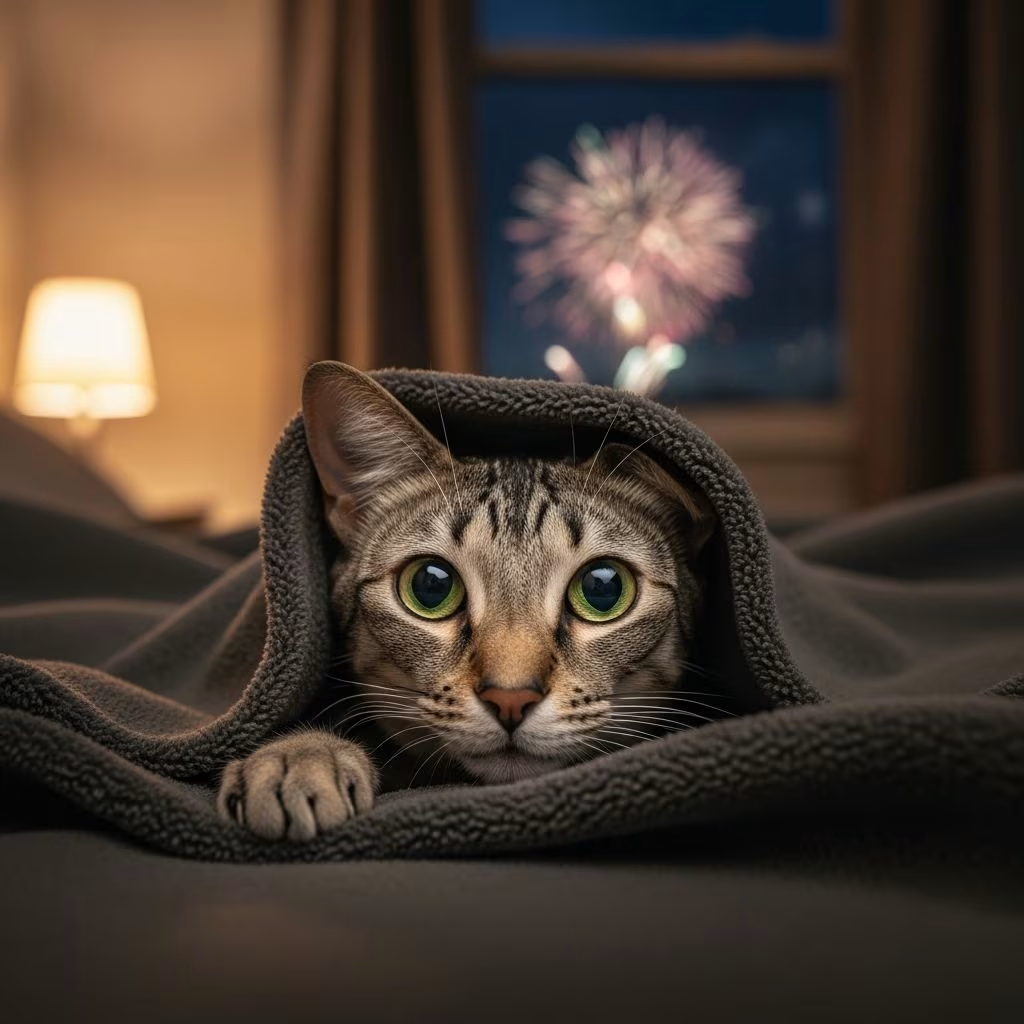
Cats are sensitive creatures, and the sudden loud bangs, flashes, and unfamiliar smells of fireworks can trigger intense anxiety. While dogs often show obvious fear, cats may hide their distress, making it easy to overlook. Research indicates 23% to 50% of cats experience fireworks fear, far more common than many owners realize. Understanding and addressing this anxiety ensures your cat remains safe and comfortable during celebrations like Bonfire Night or New Year’s Eve.
Signs Your Cat is Anxious About Fireworks
Recognizing fireworks anxiety early allows timely intervention. Cats express fear subtly compared to dogs, but key indicators include:
- Crouching or slinking low to the ground, as if trying to make themselves invisible.
- Over-grooming or excessive licking, which can lead to fur loss if prolonged.
- Pacing, restlessness, or inability to settle.
- Clinginess or unusually seeking human contact.
- Freezing in place or sudden stillness.
- Running away or bolting to hide in inaccessible spots.
- Dilated pupils, flattened ears, swatting, or crouching in defensive postures.
Some cats fear the booming sounds more, prompting immediate hiding, while others react to flickering lights visible through windows. Indoor accidents, refusal to eat, or panting may also signal severe distress. Monitor these behaviors during past events to anticipate reactions.
Why Do Cats Fear Fireworks?
Fireworks are erratic and unpredictable, unlike natural sounds like thunder, which follow patterns. Cats possess superior hearing, detecting higher frequencies and volumes that amplify the terror. The combination of explosive noises, bright flashes, and acrid smoke creates an overwhelming sensory assault. Unlike humans celebrating, cats lack context, interpreting it as immediate danger. This noise aversion, or phobia, can lead to panic, escape attempts, or even injury. Adult cats rarely outgrow this; early exposure in kittens under 6 months may build resilience, but forced exposure in adults worsens fear.
How to Prepare Your Cat for Fireworks
Proactive preparation minimizes stress. Start days in advance:
- Create a safe space: Designate a quiet, interior room without windows overlooking fireworks. Include familiar bedding, toys, and hiding spots like covered crates or boxes.
- Secure your home: Check doors, windows, and fences to prevent escapes. Ensure collars have updated ID tags and consider microchipping.
- Exercise beforehand: Tire your cat with play sessions using wand toys or puzzle feeders earlier in the day, promoting rest.
- Feed early: Provide dinner ahead to encourage sleeping through the event.
A tired, secure cat is less prone to panic. Dim lights and close curtains to block flashes.
Creating a Safe Space for Your Cat
The cornerstone of fireworks management is a fortified safe haven:
- Use soft bedding, pheromone diffusers like Feliway for cats, and white noise machines.
- Add familiar scents via worn clothing or blankets for comfort.
- Stock with litter box, water, food, and toys to meet all needs without leaving.
- Play soft, slow-rhythm music or TV to mask booms.
Avoid forcing interaction; let your cat choose proximity. This space mimics a den, tapping into their instinctual need for security.
Calming Techniques During Fireworks
When bangs start, employ these vet-recommended methods:
- Treat puzzles and lick mats: Distract with food-based toys or hidden treats for positive associations.
- Cat-friendly music: Soft rhythms release calming endorphins.
- Pressure wraps like ThunderShirts: Gentle compression soothes, mimicking swaddling—test beforehand.
- Pheromone products: Feliway sprays or diffusers promote relaxation.
- Stay calm: Your relaxed demeanor reassures; speak softly without coddling excessively.
Desensitization via gradual noise recordings paired with treats works for mild cases, under professional guidance.
Products and Aids to Help Calm Cats
| Product Type | Description | Benefits |
|---|---|---|
| Anxiety Wraps (e.g., ThunderShirt) | Compression garment | Releases endorphins, reduces fear |
| Pheromone Diffusers/Sprays (Feliway) | Synthetic feline pheromones | Promotes sense of safety |
| Calming Treats/Supplements (Zylkene) | Nutraceuticals like milk proteins | Mild sedation without drowsiness |
| Puzzle Toys/Lick Mats | Interactive feeders | Distracts and engages mentally |
Consult vets before new products to ensure compatibility.
Medications for Severe Fireworks Anxiety
For extreme cases—panting, yowling, aggression—veterinary intervention is crucial. Common short-term options include:
- Gabapentin: Reduces anxiety in cats and dogs.
- Trazodone: Calms without heavy sedation.
- Alprazolam: Fast-acting for acute events.
Administer 1-2 hours prior; never use human meds without prescription. Long-term, serotonin boosters or behaviorists address root causes. Plan ahead for fireworks seasons.
When to See a Vet or Behaviourist
Seek professional help if anxiety persists beyond events, includes injury risks, or mimics illness. Indicators:
- Panting, rapid breathing, or drooling.
- Behavioral changes toward family/pets.
- Self-harm like excessive grooming.
Vets may run bloodwork or X-rays to rule out medical issues. Certified behaviorists create desensitization plans. Early treatment improves outcomes.
Frequently Asked Questions (FAQs)
Q: Can you desensitize cats to fireworks?
A: Possible for kittens under 6 months via controlled exposure; adult cats risk worsening fear without expert guidance.
Q: Are medications safe for cats during fireworks?
A: Vet-prescribed short-term sedatives like Gabapentin are safe and effective; never self-medicate.
Q: What if my cat escapes during fireworks?
A: Search calmly nearby; use familiar treats/sounds. Ensure ID/microchip for recovery.
Q: How effective are pheromone products for cat anxiety?
A: Feliway significantly reduces stress in many cats by mimicking natural calming signals.
Q: Do all cats hide during fireworks?
A: Most do, but some pace or cling; provide options for all reactions.
By implementing these strategies, you can transform terrifying nights into manageable ones, fostering a stronger bond with your cat.
References
- How To Calm a Cat During Fireworks — Rover.com. 2023. https://www.rover.com/blog/cat-anxiety-fireworks/
- Helping Your Pet Cope with Fireworks Anxiety in New England — Mass-RI Veterinary Urgent Care. 2024. https://massriveter.com/blog/helping-your-pet-cope-with-fireworks-anxiety-in-new-england/
- Fireworks Anxiety in Pets: A Summer Survival Guide — Whitehaven Veterinary Hospital. 2024. https://whitehavenvet.com/fireworks-anxiety-in-pets-a-summer-survival-guide-for-pet-parents/
- Silence Is Golden: Understanding Fireworks Trauma in Pets — Animal Emergency Care. 2023. https://animalemergencycare.net/aecprevents/silence-is-golden-understanding-fireworks-trauma-in-pets/
- Managing Pet Anxiety During Fourth of July Fireworks — ASPCA. 2024. https://www.aspca.org/news/managing-pet-anxiety-during-fourth-july-fireworks-and-other-festivities
- The Ultimate Guide to Cat Anxiety — PetMD. 2024. https://www.petmd.com/cat/conditions/behavioral/c_ct_fear_phobia_anxiety



