

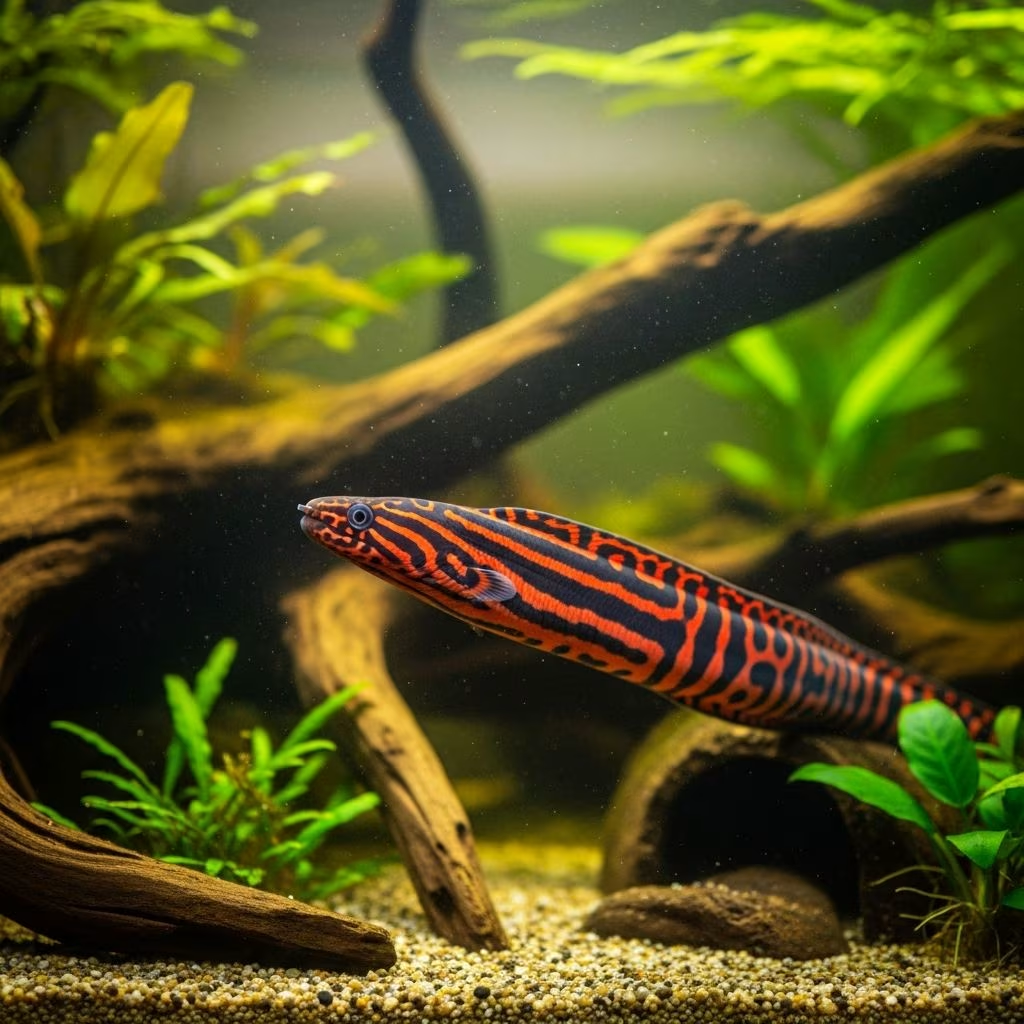
Tips on Keeping the Fire Eel
The fire eel (Mastacembelus erythrotaenia) is a captivating yet moderately advanced freshwater fish that requires specific care considerations to thrive in captivity. Belonging to the spiny eel family, these remarkable creatures are known for their elongated bodies, vibrant coloration, and nocturnal behavior. Whether you’re a seasoned aquarist or considering your first fire eel, understanding their unique requirements is essential for providing a healthy and enriching environment. This comprehensive guide covers everything you need to know about keeping fire eels successfully.
Understanding the Fire Eel Species
Fire eels are moderately advanced species that demand more attention and consideration than many common aquarium fish. These spiny eels are native to large lowland rivers in Southeast Asia, where they have adapted to specific environmental conditions. Their unique biology makes them less demanding regarding water chemistry compared to some habitat-specific species, yet they remain sensitive to certain aquarium conditions. Understanding their natural behavior and requirements is the foundation for successful captive care.
Tank Size and Setup Requirements
Providing adequate space is paramount for fire eel health and well-being. A minimum tank size of 180 gallons is recommended for a single adult fire eel, though larger tanks are preferable when keeping multiple specimens or providing optimal growing conditions. The generous tank size accommodates the eel’s large adult size, allows for proper burrowing behavior, and provides sufficient space for hiding places.
Substrate Considerations
The choice of substrate is critical for fire eel health. A fine-grained sand substrate is strongly preferred, as fire eels are natural burrowers that instinctively dig into the substrate. Sand allows them to follow their natural instincts comfortably. While it is technically possible to keep a fire eel in a gravel-bottom tank, this practice is not recommended. Gravel and sharp rocks can easily scratch the eel’s sensitive skin, potentially leading to bacterial infections or other complications. The constant irritation from unsuitable substrate causes stress and may result in serious health issues. Sand provides a soft, natural surface that protects their delicate bodies while allowing them to express natural burrowing behaviors.
Tank Covering and Escape Prevention
Fire eels are renowned escape artists with a remarkable ability to jump out of aquariums. A tight-fitting tank cover is absolutely essential for preventing escapes. Pay particular attention to covering all gaps and openings, including filter intake and output tubes. Even small spaces can become escape routes if left unblocked. Using sponge material to seal gaps around plumbing and equipment provides an effective barrier against these determined swimmers.
Hiding Places and Hardscape
Creating an environment rich with hiding spaces is crucial for reducing stress and encouraging natural behavior. Large chunks of driftwood, PVC pipes, and rock formations provide excellent shelter where fire eels can retreat during the day. These hiding places serve as safe havens when the eel becomes stressed or scared. Ensure that hardscape elements create gaps and caves at ground level, as fire eels prefer to burrow and hide near the substrate. As the eel grows larger, you may need to adjust these structures using larger pipes and rocks to accommodate its increasing size.
Water Parameters and Environment
Maintaining proper water conditions is essential for fire eel health. These fish originate from large lowland rivers, making them relatively adaptable to various water chemistry parameters compared to more specialized species.
Temperature Requirements
Fire eels thrive in warm tropical conditions with water temperatures maintained between 72-82°F (22-28°C). A temperature range of 75-82°F is ideal for optimal health and activity. Consistent temperature is important, as fluctuations can stress the fish and compromise their immune system. Using a reliable aquarium heater and thermometer helps maintain stable conditions.
pH and Water Hardness
A pH level between 6.0 and 7.5 is appropriate for fire eels, with neutral to slightly acidic conditions being optimal. The water should be slightly hard, with a general hardness (GH) between 6-12. These moderate parameters make fire eels less demanding than many other aquarium species, though maintaining consistency remains important.
Water Quality and Filtration
Clean, well-filtered water is absolutely essential for maintaining fire eel health. However, keep water movement gentle, as excessive current can stress these fish. Regular water changes are essential to keep the environment clean and maintain water quality parameters. The combination of gentle filtration and consistent water maintenance prevents the buildup of harmful compounds that could compromise the eel’s sensitive nature.
Lighting and Photoperiod
Since fire eels are primarily nocturnal creatures that spend daylight hours hiding, aquarium lighting should reflect this behavior. Dim lighting or lighting with a moonlight setting allows the eels to traverse through the aquarium during nighttime hours when they naturally become active. If using programmable lighting systems, consider replicating a natural day-night cycle with gradual sunrise and sunset transitions. This approach helps the fish acclimate more quickly to captive conditions and promotes natural behavioral patterns.
Feeding and Nutrition
Fire eels are omnivorous fish that most readily accept meaty foods in the aquarium. Proper nutrition supports growth, health, and longevity.
Feeding Schedule and Food Types
Younger fire eels can be fed both live and frozen bloodworms, brine shrimp, and other small invertebrates. As they mature and reach approximately 12 inches or larger, they can graduate to larger food items such as earthworms, nightcrawlers, chopped or live shrimp, pieces of fish, and mussels. Many fire eels readily accept frozen foods, making feeding more convenient than relying exclusively on live foods.
Feeding Behavior and Adjustments
When first introduced to an aquarium, a fire eel may not eat for several days or even weeks. This is a normal response to the stress of relocation and is not cause for concern. To encourage feeding, offer food at night when tank lights are off, as this aligns with the eel’s natural nocturnal feeding habits. Once the eel becomes comfortable and begins eating, you can gradually adjust its feeding schedule to daytime hours if desired.
Preventing Overfeeding
One critical consideration is avoiding overfeeding, as fire eels are prone to gluttony and can become seriously ill or die from excessive food consumption. Feed appropriate portions and monitor the eel’s body condition. A balanced feeding approach that provides adequate nutrition without excess is essential for long-term health.
Tank Mates and Compatibility
Fire eels present interesting challenges when considering tank mates, as compatibility depends heavily on the eel’s size and feeding habits.
General Temperament
Fire eels are generally peaceful towards most tank mates, though they may display aggression toward other fire eels (conspecifics). Their peaceful nature makes them suitable for community settings when properly matched with appropriate companions.
Compatible Tank Mates
Ideal tank mates are medium to large fish that are too large to be eaten, such as medium to large barbs. However, fire eels will readily eat any fish small enough to fit into their mouths. Juvenile fire eels can cohabitate with many fish species, but as they grow, the range of compatible tank mates decreases. Young fire eels have successfully lived with rainbow fish, Congo tetras, rope fish, African butterfly fish, and corydoras catfish. Small shrimp and invertebrates are typically consumed and should not be housed with fire eels.
Single vs. Multiple Eels
Conventional wisdom dictates that keeping one fire eel per tank works best, given their potential aggression toward conspecifics. If you choose to keep multiple fire eels, provide plenty of hiding spaces and as much space as possible to minimize conflicts. Full-grown eels require several hundred gallons when kept together.
Plant Considerations
While aquatic plants can enhance aesthetics and provide additional biological filtration, they present challenges with fire eels. Because fire eels dig and burrow extensively, they will likely uproot rooted aquatic plants. Many aquarists find it difficult or impractical to maintain a planted tank with active fire eels. If you wish to attempt a planted setup, select hardy plants and secure them firmly, understanding that some disturbance is inevitable. Alternatively, you may choose to dispense with rooted plants altogether and rely on hardscape for décor and hiding places.
Special Care Considerations
Fire eels have specific characteristics that require attention and understanding for optimal care.
Sensitivity to Medications
Fire eels are extra sensitive to medications commonly used in aquariums. This sensitivity means you should exercise caution when treating illnesses and consult with experienced aquarists or veterinarians familiar with spiny eels before administering any medications. Always follow dosing instructions carefully and monitor the eel closely during treatment.
Nocturnal Behavior
Fire eels are primarily nocturnal, spending daylight hours hidden and becoming active at night. This behavior is completely normal and should not be cause for concern. Provide adequate hiding places to support this natural activity pattern, and expect to observe your eel primarily during evening and nighttime hours.
Acclimation Period
New fire eels often require an extended acclimation period before fully settling into their environment. The initial adjustment can take several weeks, during which the eel may remain hidden and refuse food. This stressed response to captivity is not uncommon. With patience, proper tank setup, and consistent care, the eel will gradually become comfortable and display natural behaviors.
Breeding Information
Breeding fire eels in captivity is possible but rarely achieved outside of advanced breeding programs. Successful breeding requires tank sizes of several hundred gallons and is typically only accomplished by advanced breeders or extremely dedicated hobbyists. The large adult size, complex breeding behavior, and specialized requirements make home breeding impractical for most aquarists.
Common Issues and Prevention
Understanding potential problems helps prevent serious issues. Skin infections from unsuitable substrate, stress-related illnesses from inadequate hiding places, and escape attempts require proactive prevention. Maintain pristine water quality, provide proper substrate, create ample hiding spaces, and use secure tank covers to prevent most common problems.
Frequently Asked Questions
Q: What is the minimum tank size for a fire eel?
A: A minimum of 180 gallons is recommended for a single adult fire eel. Larger tanks are preferable, especially when keeping multiple eels or wanting to provide optimal conditions for growth and comfort.
Q: How long does it take for a fire eel to start eating after introduction?
A: Fire eels may not eat for several days to weeks after being introduced to a new tank. This is a normal stress response. Offer food at night when lights are off, and the eel will gradually begin feeding as it becomes comfortable.
Q: Can I keep fire eels with plants?
A: It is very difficult to keep fire eels in planted tanks because they actively burrow and will uproot rooted plants. Most aquarists either use only hardy plants with secure anchoring or dispense with plants altogether.
Q: Are fire eels sensitive to medications?
A: Yes, fire eels are extra sensitive to many aquarium medications. Consult with experienced aquarists or specialists before administering any treatments, and always follow dosing instructions carefully.
Q: What temperature should I maintain for fire eels?
A: Water temperature should be maintained between 75-82°F (24-28°C). Consistent temperature is important, as fluctuations can stress the fish and compromise their immune system.
Q: Can I keep multiple fire eels together?
A: While possible, keeping multiple fire eels together is challenging due to potential aggression toward conspecifics. If attempted, provide several hundred gallons and abundant hiding spaces to minimize conflicts.
Q: What substrate is best for fire eels?
A: Fine-grained sand is the preferred substrate as fire eels are natural burrowers. Gravel can scratch their sensitive skin and should be avoided.
Q: Why do fire eels escape from tanks?
A: Fire eels are excellent jumpers and natural escape artists. They can jump out of uncovered tanks seeking better conditions or during stressed states. A tight-fitting cover with no gaps is essential to prevent escapes.
References
- Fire Eel Care Information — AqueriaCentral Forums. https://www.aquariacentral.com/forums/threads/the-fire-eel-care-information.160707/
- How do I keep a Fire eel in the aquarium? — Practical Fishkeeping. https://www.practicalfishkeeping.co.uk/features/how-do-i-keep-a-fire-eel-in-the-aquarium/
- Fire Eel (Mastacembelus erythrotaenia) Care Guide — Tropical Aquarium South Africa. https://www.tropicalaquarium.co.za/threads/fire-eel-mastacembelus-erythrotaenia-care-guide.34201/
- Fire Eel Care and Information – Mastacembelus erythrotaenia — YouTube. https://www.youtube.com/watch?v=g-2quXiK4MM
- Comprehensive Care Guide for the Fire Eel — Rob’s Aquatics. https://robsaquatics.com/blogs/news/comprehensive-care-guide-for-the-4-fire-eel
- Fire Eel – Mastacembelus erythrotaenia — Maidenhead Aquatics. https://www.fishkeeper.co.uk/fish/freshwater/miscellaneous/fire-eel



