

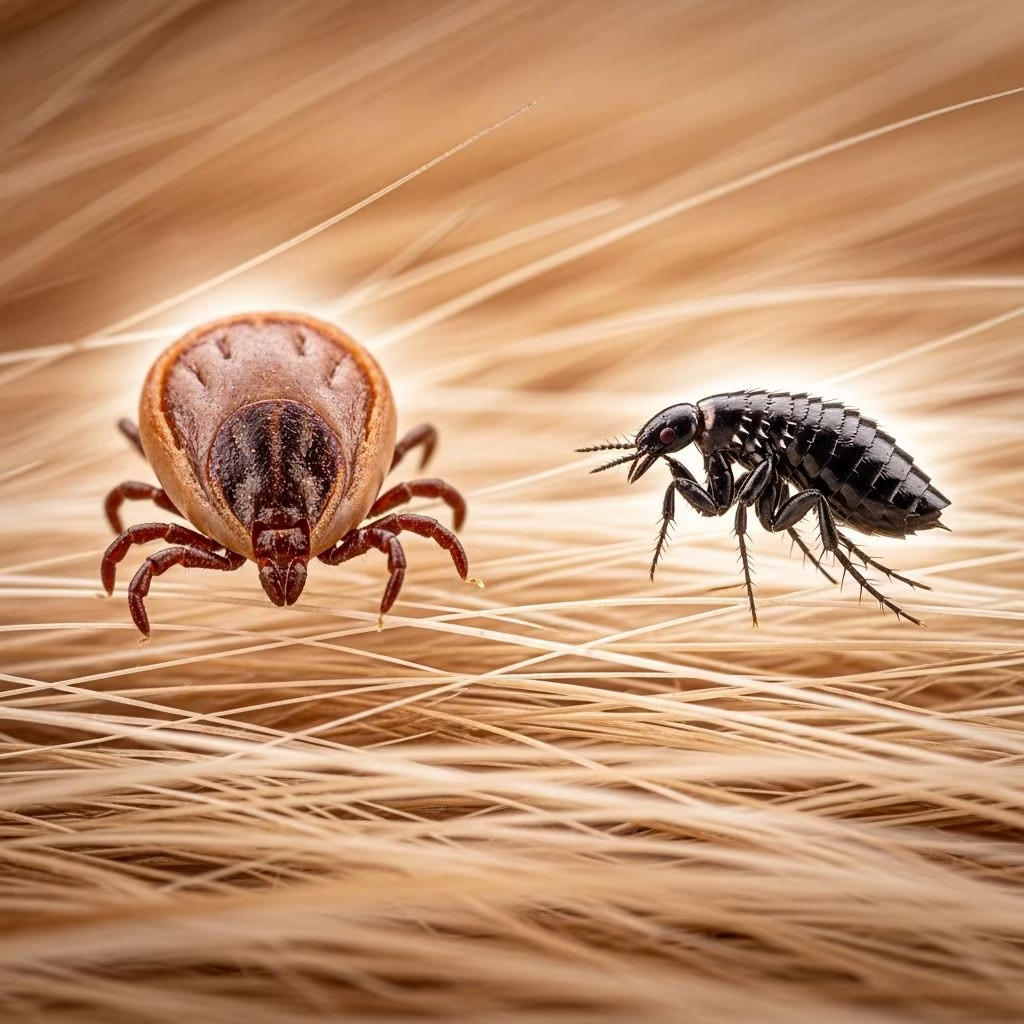
Fipronil: An Effective Antiparasitic Treatment for Pets
Fipronil is a widely prescribed antiparasitic medication used by veterinarians to treat and control parasitic infestations in dogs and cats. As a trusted solution for pet owners dealing with flea, tick, and lice problems, fipronil has become one of the most commonly recommended treatments in veterinary practice. Understanding how this medication works, its proper application, and what to expect can help pet owners make informed decisions about their pet’s parasite prevention and treatment.
What Is Fipronil?
Fipronil is an antiparasitic agent that works by targeting the nervous system of parasitic arthropods. The medication blocks gamma-aminobutyric acid (GABA)-dependent parasite receptors, which disrupts neurotransmission in insects and arachnids. This disruption ultimately leads to akinesia (loss of movement) and death of the parasites, making it an effective solution for multiple types of infestations.
Fipronil is available in various formulations, often combined with other active ingredients to enhance its effectiveness against different parasites. The most common combinations include fipronil with s-methoprene, fipronil with cyphenothrin and s-methoprene, and fipronil with permethrin, among others. Each formulation is designed to address specific parasitic concerns and may vary in the species they are suitable for.
Uses and Indications
Fipronil-based medications are approved for treating and controlling multiple parasitic infestations in dogs and cats. The primary uses include:
– Flea treatment and control- Tick treatment and control- Chewing lice elimination- Sarcoptic mange treatment- Mite control (in certain formulations)- Mosquito repelling and killing (in specific products)- Biting fly repellent (in certain formulations)
The specific indications may vary depending on the particular fipronil formulation prescribed. For instance, fipronil with permethrin is also labeled for repelling biting flies and mosquitoes, while some formulations are specifically designed to treat sarcoptic mange. Pet owners should always follow their veterinarian’s recommendations regarding which formulation is appropriate for their pet’s specific condition.
Available Formulations and Brand Names
Fipronil comes in several combination formulations, each with distinct brand names and specific applications:
– Frontline Plus – Fipronil with s-methoprene- Frontline Gold – Fipronil with s-methoprene and pyriproxyfen- Frontline Tritak – Fipronil with cyphenothrin and s-methoprene- Certifect – Fipronil with s-methoprene and amitraz- Effitix – Fipronil with permethrin- PetArmor Pro Advanced, Fiproguard Max, Fiprotrol Plus – Fipronil with s-methoprene
These various formulations allow veterinarians to select the most appropriate product based on the pet’s specific parasitic problem, age, weight, and medical history.
Age and Weight Requirements
Fipronil medications are not suitable for all pets, as they have specific age and weight restrictions. Most fipronil formulations require pets to be at least 8 weeks of age and weigh more than 2.3 kg (5 pounds). Some formulations, such as Frontline Tritak, may be used in puppies as young as 12 weeks of age weighing more than 1.8 kg (4 pounds).
It is critical for pet owners to verify that their pet meets these requirements before administering fipronil. Puppies and kittens that are too young or too small should not receive this medication without explicit veterinary approval. Pregnant or nursing animals should also be discussed with a veterinarian before treatment.
How to Apply Fipronil
Fipronil-based medications are exclusively available in topical, spot-on formulations. These are applied directly to the skin rather than taken orally. Proper application is essential to ensure the medication’s effectiveness and minimize the risk of adverse reactions.
Application Instructions
– Part the fur at the base of the head to expose the skin- Apply the medication directly to the skin (not on the fur)- Follow the manufacturer’s directions on the applicator carefully- Ensure the entire contents of the applicator are applied- Allow the application area to dry before allowing pets or children to touch it- Do not bathe or groom the pet for at least 24-48 hours after application
The spot-on format makes application straightforward for most pet owners. The medication absorbs into the skin and spreads across the pet’s body over time, providing protection against parasites.
Duration and Frequency of Treatment
Fipronil is a long-acting medication, with effects lasting several weeks after a single application. The exact duration depends on the specific formulation and the individual pet. However, the effects may be prolonged in pets with kidney and/or liver dysfunction, as these organs are involved in metabolizing the medication.
Veterinarians typically recommend monthly applications for ongoing flea and tick prevention, though the frequency may vary based on the specific product and the pet’s risk of re-infestation. Some veterinary practices may recommend application every 3-4 weeks depending on local parasite pressure and the pet’s lifestyle.
Potential Side Effects
While fipronil is generally well-tolerated by most pets, some animals may experience side effects. Common side effects include:
– Redness, itching, and/or irritation at the application site- Temporary startle effect when the product is applied- Increased salivation (drooling) or foaming at the mouth if ingested- Vomiting and/or diarrhea (with some formulations)
These side effects are typically mild and resolve on their own without intervention. Localized skin irritation at the application site is the most commonly reported side effect and usually subsides within a few days.
Rare but Serious Reactions
While uncommon, some pets may experience allergic reactions to fipronil. Rare but serious side effects that warrant immediate veterinary attention include:
– Allergic reactions such as irregular breathing- Rash or hives- Fever- Facial puffiness and swelling- Severe itching or scratching
Pet owners should contact their veterinarian immediately if they observe any of these symptoms after applying fipronil. Drug sensitivities can develop over time with repeated exposure, meaning a pet may have no reaction after the first few doses but may develop a sensitivity later. It is important to watch for signs of an allergic reaction throughout the entire course of treatment.
Important Safety Considerations
Species-Specific Use: Never use fipronil products labeled for dogs on cats without explicit veterinary approval. Some formulations containing certain ingredients, such as permethrin, are toxic to cats and should never be applied to feline patients. Always verify that the product is labeled for use in the intended species.
Ingestion Risk: While topical application is safe when applied as directed, ingestion of fipronil can cause increased salivation and foaming at the mouth. Keep fipronil products away from children and ensure pets cannot chew on treated areas immediately after application. Supervise pets until the application area is dry.
Kidney and Liver Function: Pets with compromised kidney or liver function may have prolonged effects from fipronil due to reduced medication metabolism. Veterinarians should be informed of any existing liver or kidney disease before prescribing fipronil.
Contraindications and Drug Interactions
Fipronil should not be used in pets younger than the age specified for each formulation. Additionally, pets with known hypersensitivity or allergy to fipronil or any of the combination ingredients should not receive this medication.
Pet owners should inform their veterinarian of any other medications their pet is currently taking, as potential drug interactions are possible. Although fipronil is generally safe when used as directed, combining it with certain other medications may increase the risk of adverse effects.
Storage and Handling
Fipronil products should be stored according to manufacturer instructions, typically at room temperature and away from direct sunlight. Keep all fipronil products out of reach of children and pets. Do not transfer the medication to different containers, as this may affect its efficacy and safety profile.
Frequently Asked Questions
Q: How quickly does fipronil work to kill fleas and ticks?
A: Fipronil typically begins killing fleas and ticks within hours of application, with maximum effectiveness achieved within 24-48 hours. The medication continues to provide protection for several weeks after a single application.
Q: Can fipronil be used on pregnant or nursing dogs?
A: This depends on the specific formulation and the veterinarian’s assessment of the risk-benefit ratio. Always consult your veterinarian before applying fipronil to pregnant or nursing pets, as some formulations may not be recommended during these periods.
Q: What should I do if my pet has an allergic reaction to fipronil?
A: If you notice signs of an allergic reaction such as irregular breathing, facial swelling, or severe itching, contact your veterinarian immediately. Discontinue use of the product and seek emergency veterinary care if the symptoms are severe.
Q: How often should fipronil be applied?
A: Most fipronil formulations are applied monthly for ongoing flea and tick prevention. However, the exact frequency may vary based on the specific product, your pet’s lifestyle, and local parasite pressure. Follow your veterinarian’s recommendations for the best protection.
Q: Can fipronil be used in combination with other flea and tick products?
A: Never combine fipronil with other flea and tick treatments without explicit veterinary approval. Combining products can increase the risk of overdose and adverse effects. Always consult your veterinarian before using multiple antiparasitic medications.
Q: Is fipronil safe for cats?
A: Some fipronil formulations are safe for cats, but not all. Never use dog formulations on cats, especially those containing permethrin, which is toxic to felines. Use only products explicitly labeled for cats, and always verify with your veterinarian.
When to Contact Your Veterinarian
Contact your veterinarian if you notice any unusual symptoms or side effects after applying fipronil, including persistent skin irritation, behavioral changes, or signs of allergic reaction. Additionally, reach out if your pet has pre-existing health conditions such as kidney or liver disease, as dosage adjustments or alternative treatments may be necessary.
Regular communication with your veterinarian ensures that your pet receives the most appropriate parasite prevention and treatment tailored to their individual needs and health status.
References
- Fipronil with Cyphenothrin and S-Methoprene, Topical — VCA Animal Hospitals. https://vcahospitals.com/know-your-pet/fipronil-with-cyphenothrin-and-s-methoprene
- Fipronil with S-Methoprene and Pyriproxyfen, Topical — VCA Animal Hospitals. https://vcahospitals.com/know-your-pet/fipronil-with-smethoprene-and-pyriproxyfen-topical
- Fipronil with Etofenprox and S-Methoprene, Topical — VCA Animal Hospitals. https://vcahospitals.com/know-your-pet/fipronil-with-etofenprox-and-s-methoprene
- Fipronil with S-Methoprene and Amitraz, Topical — VCA Animal Hospitals. https://vcahospitals.com/know-your-pet/fipronil-with-smethoprene-and-amitraz-topical
- Fipronil with Permethrin, Topical — VCA Animal Hospitals. https://vcahospitals.com/know-your-pet/fipronil-with-permethrin-topical
- Fipronil with S-Methoprene, Topical — VCA Animal Hospitals. https://vcahospitals.com/know-your-pet/fipronil-with-smethoprene-topical
- Pharmacokinetics of Combination Antiparasitic Drug Preparation for Fleas and Ticks — National Center for Biotechnology Information (NCBI). https://pmc.ncbi.nlm.nih.gov/articles/PMC6702932/



