

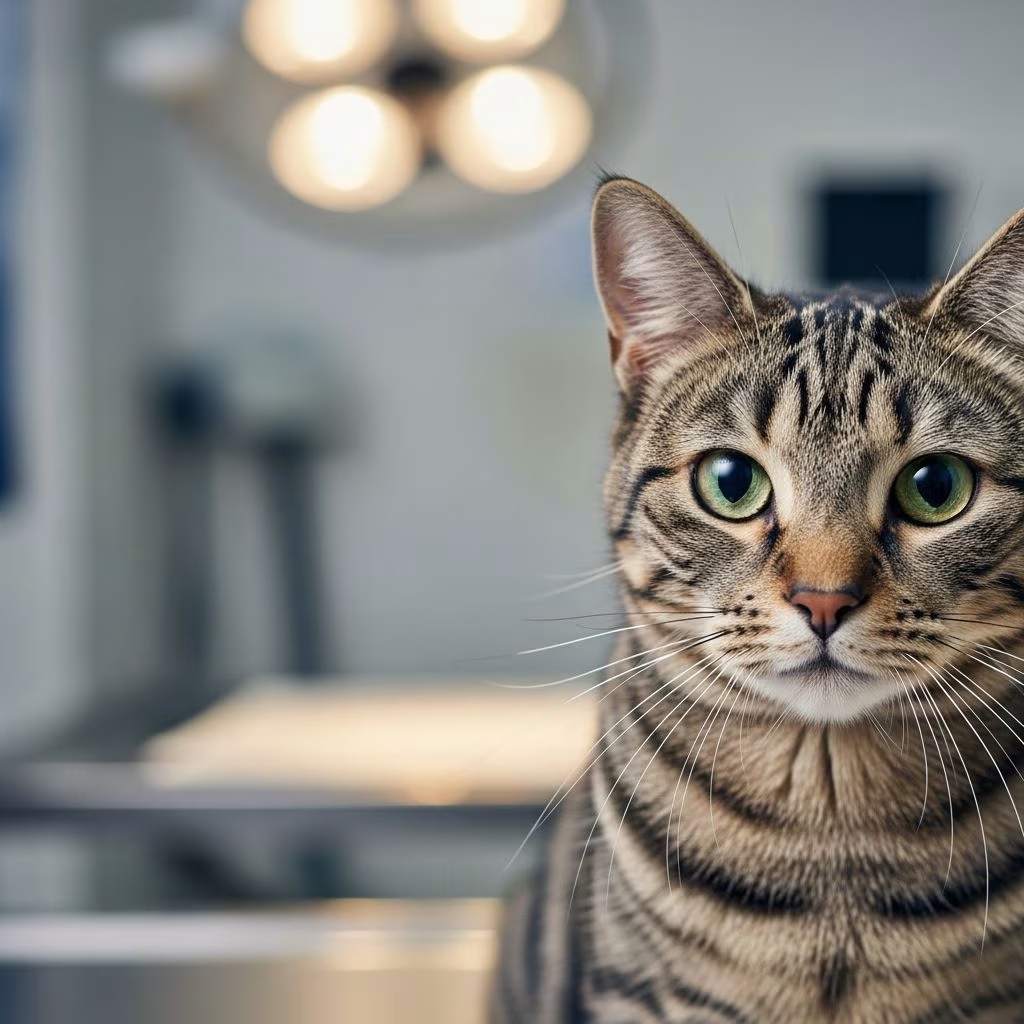
Feline infectious peritonitis (FIP) arises from a mutation in the feline coronavirus, transforming a typically benign enteric virus into a deadly systemic disease that inflames tissues and organs across a cat’s body. While once nearly always fatal, recent antiviral therapies have revolutionized outcomes, offering survival rates exceeding 80% with early intervention.
Understanding the Origins of FIP
The root cause traces back to feline enteric coronavirus (FeCV), a widespread virus shed in feces that spreads via the fecal-oral route in environments like shared litter boxes, grooming, or contaminated bowls. Most infected cats remain asymptomatic or show only transient diarrhea or mild respiratory issues, with 5-10% progressing to FIP when the virus mutates inside white blood cells, evading immune detection and sparking inflammation.
This mutation risk heightens in young cats under 2 years, particularly kittens below 7 months, comprising about 70% of cases due to immature immunity. Seniors face elevated risk too, as age weakens defenses. Multi-cat homes, shelters, or catteries amplify exposure, but not all contacts develop FIP—genetics, stress, and co-infections like FeLV influence progression.
Recognizing the Two Main Forms of FIP
FIP manifests in effusive (wet) or non-effusive (dry) variants, determined by immune response dynamics.
- Wet FIP: Dominant in 80% of instances, fluid (effusion) accumulates in abdomen (ascites) or chest (pleural effusion), yielding a pot-bellied look, labored breathing, and swift decline over days to weeks.
- Dry FIP: Granulomatous lesions form in organs like kidneys, liver, eyes, or brain without major fluid buildup, progressing slower over weeks to months but often involving neurological or ocular issues.
Both share initial vague signs: persistent fever unresponsive to antibiotics, lethargy, anorexia, weight loss, and in kittens, stunted growth. Wet form adds swelling and dyspnea; dry may bring ataxia, seizures, blindness, or jaundice.
Diagnostic Challenges and Key Tests
Confirming FIP demands ruling out mimics like lymphoma or toxoplasmosis, as no single test is definitive—diagnosis blends clinical signs, lab work, imaging, and effusion analysis.
| Test Type | Purpose | Key Findings in FIP |
|---|---|---|
| Bloodwork | Assess inflammation, proteins | Hyperglobulinemia, low albumin:globulin ratio, anemia |
| Effusion Analysis | Fluid cytology/protein | Yellow, high-protein exudate (Rivalta positive) |
| Imaging (Ultrasound/X-ray) | Detect fluid/lesions | Abdominal fluid, organ nodules, lymphadenopathy |
| RT-PCR | Viral detection | FCoV RNA in tissues/effusion (not specific to FIPV) |
| Biopsy | Tissue confirmation | Pyogranulomatous inflammation (gold standard, invasive) |
Vets like those at AAHA-accredited clinics stress prompt testing—blood, urine, radiographs, ultrasound guide decisions, with early action pivotal as disease accelerates.
Breakthrough Treatments Transforming FIP Prognosis
Pre-2019, only palliation existed: draining effusions, fluids, nutrition, and immunosuppressants. Now, antivirals targeting viral replication yield cures.
- GS-441524: Nucleoside analog (Remdesivir prodrug), oral/injectable, 12+ weeks at 4-15 mg/kg based on form (higher for neuro/ocular). Success: 80-90% remission.
- EIDD-1931 (Molnupiravir): Oral alternative for relapses or first-line, dosed similarly with monitoring.
- Supportive Measures: Thoracocentesis/abdominocentesis, IV fluids, appetite stimulants, antibiotics for secondaries, transfusions if needed.
Treatment demands vet oversight—costs vary ($2,000-$5,000), but adherence ensures monitoring via weight, demeanor, titers post-12 weeks, extending to 84 days if relapse risks linger. Cornell Feline Health Center urges discussing risks/benefits, as legal access grows via compounding pharmacies.
Prevention Strategies for Multi-Cat Environments
No vaccine exists reliably, so focus hygiene and management.
- Scoop litter daily with clumping types; one box per cat +1 extra.
- Disinfect boxes, bowls, bedding weekly.
- Quarantine newcomers 4-6 weeks with separate supplies.
- Minimize stress via stable routines, space.
- Avoid introducing cats to FIP-active homes.
Coronavirus testing identifies shedders, but FIP risk persists low (10%)—cleaning trumps testing alone.
Life After FIP: Recovery and Long-Term Care
Post-treatment, cats enter 8-12 week observation: normothermia, weight gain, cleared effusions signal success. Relapse (10-20%) prompts re-treatment at higher doses. Survivors lead normal lives, non-contagious post-cure, though monitoring continues 1-2 years for subtle signs.
Without therapy, fatality nears 100%: wet FIP succumbs in weeks, dry in months. Early vet visits flip odds—many kittens now thrive into adulthood.
Frequently Asked Questions About FIP
What Triggers FIP Development?
FeCV mutation in genetically susceptible, stressed, or young cats; not directly contagious as FIP virus.
Is FIP Hereditary?
Partial—breeds like purebreds show higher incidence, but environment drives most cases.
Can Household Cats Catch FIP from an Affected One?
Rare; they risk FeCV exposure, not direct FIP. Hygiene curbs spread.
How Long Does Treatment Last?
Minimum 12 weeks, extendable; full compliance vital.
What’s the Cost of FIP Treatment?
Thousands USD, varying by drug, duration, monitoring—worth it for cures.
Real Stories of Hope and Resilience
Owners report kittens collapsing from wet FIP rebounding post-GS-441524: one regained playfulness in weeks, another overcame neuro signs to hunt normally. Vets note 90%+ field trial success, underscoring timely action.
References
- Feline Infectious Peritonitis (FIP): A Complete Cat Guide — Vetic. 2023. https://vetic.in/blog/pet-health/feline-infectious-peritonitis-fip-in-cats-symptoms-causes-and-treatment-options/
- Cure FIP Treatments: Effective Solutions for FIP in Cats — CureFIP. 2024. https://www.curefip.com/fip-cat-treatment
- Feline Infectious Peritonitis: What Every Cat Owner Needs to Know — AAHA. 2024. https://www.aaha.org/resources/feline-infectious-peritonitis-what-every-cat-owner-needs-to-know/
- Feline Infectious Peritonitis — Cornell University College of Veterinary Medicine. 2024. https://www.vet.cornell.edu/departments-centers-and-institutes/cornell-feline-health-center/health-information/feline-health-topics/feline-infectious-peritonitis
- Feline VMA FIP Guide 2025 — AAFP/EveryCat. 2025-09. https://catvets.com/wp-content/uploads/2025/09/FelineVMA_FIP_Guide_2025.pdf
- iCatCare Caregiver Guide to FIP — International Cat Care. 2024. https://icatcare.org/resources/cat-carer-guide-to-fip.pdf
- GUIDELINE for Feline Infectious Peritonitis — ABCD Cats & Vets. 2024. https://www.abcdcatsvets.org/guideline-for-feline-infectious-peritonitis/



