

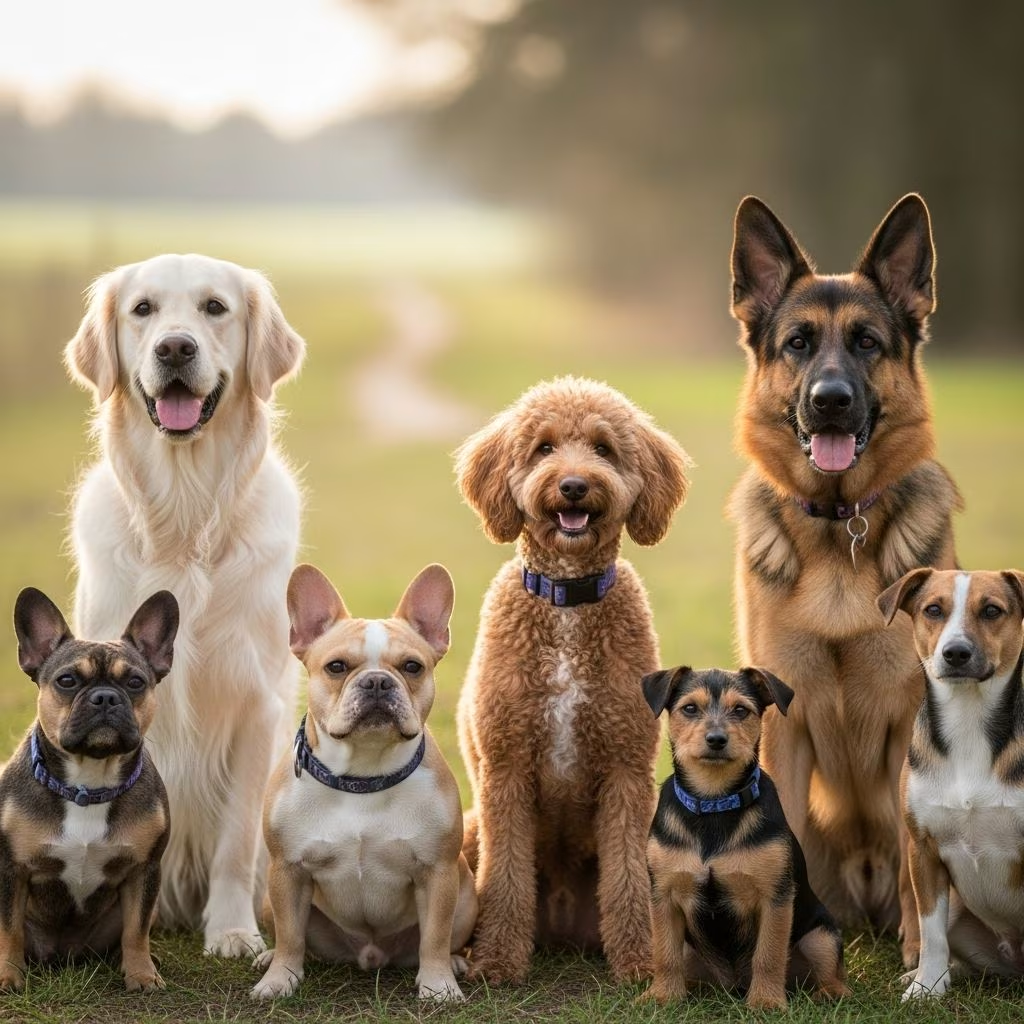
Selecting the right dog breed sets the foundation for a joyful and sustainable relationship with your new pet. Factors such as your living space, daily routine, family dynamics, and experience level play pivotal roles in determining the best match. This comprehensive guide draws from veterinary and breed expert recommendations to help you navigate these choices effectively.
Assess Your Lifestyle Before Choosing
Begin by evaluating your personal circumstances. Consider the size of your home: apartments favor compact breeds, while houses with yards suit larger ones. Activity levels matter too—active individuals thrive with energetic dogs, whereas sedentary households benefit from low-maintenance companions. Family composition, including children or other pets, influences temperament needs. Budget for food, grooming, training, and healthcare is essential, as some breeds incur higher costs.
- Space availability: Small breeds adapt to limited areas; large ones require room to roam.
- Exercise commitment: High-energy dogs demand daily runs; relaxed breeds need short walks.
- Time for training: Intelligent, eager-to-please breeds learn quickly.
- Grooming needs: Short coats mean less brushing; long fur requires frequent care.
- Family interactions: Gentle, patient dogs excel with kids and seniors.
These elements ensure compatibility, reducing stress for both you and your dog.
Top Breeds for Novice Owners
First-time owners often succeed with forgiving, adaptable breeds. Labrador Retrievers top lists for their friendly disposition and trainability. They integrate seamlessly into families, displaying patience with children and enthusiasm for play.
Golden Retrievers follow closely, prized for loyalty and calm demeanor. Their intelligence facilitates straightforward training, making them ideal for beginners comfortable with medium-to-large sizes.
| Breed | Size | Energy Level | Trainability | Best For |
|---|---|---|---|---|
| Labrador Retriever | Large | High | Excellent | Families, active homes |
| Golden Retriever | Large | Moderate-High | Excellent | Families, outdoorsy owners |
| Cavalier King Charles Spaniel | Small | Moderate | Good | Apartments, cuddly companions |
Small Breeds for Compact Living
Apartment dwellers or those preferring portable pets gravitate toward small breeds. Cavalier King Charles Spaniels offer gentle affection and adaptability, thriving on human interaction without excessive exercise.
Bichon Frise stand out for cheerful personalities and hypoallergenic coats. Their eagerness to please simplifies training, and they bond deeply with owners of all ages.
Shih Tzu provide regal charm with minimal outdoor needs, perfect for indoor lifestyles. Their companionable nature suits singles or small families.
- Cavalier: Lap-loving, sociable, moderate grooming.
- Bichon Frise: Playful, friendly, regular brushing required.
- Shih Tzu: Affectionate, low exercise, coat maintenance essential.
- Papillon: Smart, agile, indoor exercise sufficient.
Medium and Large Breeds for Active Households
For those with space and energy to spare, medium-large breeds deliver robust companionship. Greyhounds surprise with low daily exercise requirements despite their speed; short sprints suffice, paired with couch-potato tendencies.
Beagles bring hound charm with sociable traits, though their scent-driven curiosity warrants consistent training. They excel in homes with playmates.
Bernese Mountain Dogs, though giant, impress with gentle patience and eagerness to please, ideal for patient owners ready for grooming and walks.
Temperament and Compatibility Factors
Breed temperament predicts behavior reliability. Friendly breeds like Poodles and Irish Setters foster strong owner bonds and get along with strangers. Calm options such as Basset Hounds or Pekingese suit quiet environments.
Child-friendliness prioritizes patient, sturdy builds. Labs, Goldens, and Boxers handle rough play well. Multi-pet homes benefit from non-dominant personalities like those in Spaniels.
Health considerations include breed-specific issues: hip dysplasia in large retrievers, heart conditions in Cavaliers. Regular vet checkups mitigate risks.
Training and Care Essentials
Even easy breeds require commitment. Positive reinforcement works best for intelligent types like Retrievers and Papillons. Socialization from puppyhood prevents issues.
Grooming varies: low for Greyhounds, high for Shih Tzu. Nutrition tailored to size and activity ensures vitality.
| Aspect | Low Maintenance Breeds | High Maintenance Breeds |
|---|---|---|
| Exercise | Bichon Frise, Shih Tzu | Labrador, Golden Retriever |
| Grooming | Greyhound, Lab | Bichon, Shih Tzu |
| Training | Cavalier, Golden | Beagle (scent distraction) |
Adoption vs. Breeder: Making the Right Choice
Shelters offer mixed breeds with unique personalities, often health-tested. Purebreds from responsible breeders provide predictability via standards. Research pedigrees and facilities to avoid puppy mills.
Regardless of source, prepare with supplies: crate, leash, toys, quality food. Puppy classes accelerate bonding.
Common Pitfalls to Avoid
Impulse buys lead to mismatches. Rushing overlooks allergies or allergies or time constraints. Overlook long-term commitments—dogs live 10-15 years.
Neglecting research on energy mismatches causes frustration. Always prioritize fit over trends.
Frequently Asked Questions
What is the easiest dog breed for beginners?
Labrador Retrievers and Cavalier King Charles Spaniels rank highest for their forgiving natures and ease of training.
Which breeds are best for apartments?
Small, low-exercise breeds like Bichon Frise, Shih Tzu, and Papillon adapt well to confined spaces.
Are large breeds suitable for first-timers?
Yes, if space and activity match—Golden Retrievers excel with committed owners.
How much exercise do popular beginner breeds need?
Typically 30-60 minutes daily, varying by size: short walks for small dogs, longer for Labs.
What about hypoallergenic options?
Bichon Frise and similar fluffy breeds reduce shedding, though no dog is fully allergen-free.
Final Thoughts on Lifelong Companions
Choosing a dog transcends trends—it’s about synergy. By aligning breed traits with your life, you foster mutual happiness. Consult vets or breed clubs for personalized advice. The reward? Unwavering loyalty and joy for years.
References
- Best Dog Breeds For First Time Owners — Bella+Duke. 2023. https://www.bellaandduke.com/dogs/expert-advice/dog-breeds/best-dog-breeds-for-first-time-owners/
- Best Beginner-Friendly Dog Breeds for First-Time Owners — Independence Veterinary Clinic. 2024-01-15. https://independenceveterinaryclinic.com/dog-breeds-for-first-time-pet-owners/
- The Best Dog Breeds for First Time Owners — Wellness Pet Food. 2023-05-20. https://www.wellnesspetfood.com/blog/the-best-dog-breeds-for-first-time-owners/
- 15 Best Dog Breeds for First-Time Pet Owners — Veterinary Formula. 2024. https://www.veterinaryformula.com/blogs/news/15-best-dog-breeds-for-first-time-pet-owners
- Best Dog Breeds for First-Time Owners: Top 10 Picks — SPORTMiX. 2023-11-10. https://www.sportmix.com/best-dog-breeds-for-first-time-owners/
- Dog Breeds – Types Of Dogs — American Kennel Club (AKC). 2026-02-01. https://www.akc.org/dog-breeds/



