

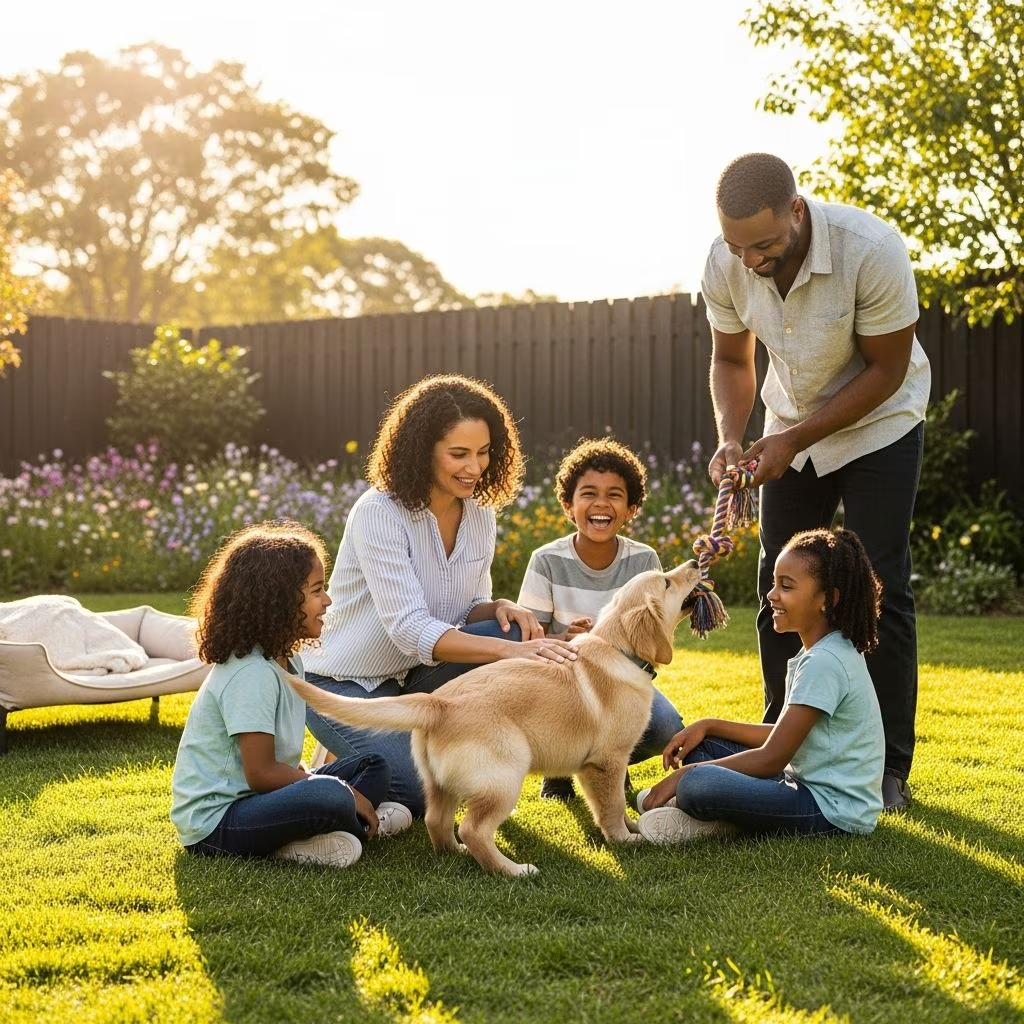
Bringing a dog into a household with children represents a significant decision that requires careful consideration and thoughtful planning. The right canine companion can enrich family life immeasurably, providing loyalty, affection, and countless cherished memories. However, the process of identifying which breed aligns with your family’s lifestyle and then implementing strategies to ensure successful integration demands attention to multiple factors beyond simple breed popularity or aesthetic appeal.
Understanding Temperament as Your Foundation
When evaluating potential canine family members, temperament serves as the cornerstone of compatibility assessment. While individual personality variations exist within every breed, certain characteristics tend to emerge consistently among dogs known for thriving in household environments with children.Dogs that are naturally patient, tolerant, and playful tend to adjust better to the unpredictable energy and physical handling that characterize childhood interactions.
Dogs exhibiting what trainers call “soft mouths” and natural inhibition around smaller beings demonstrate innate understanding of size differences and appropriate force application. This instinctive gentleness proves invaluable when managing interactions between a powerful animal and vulnerable children. Additionally, breeds demonstrating loyalty without possessiveness and enthusiasm without aggression tend to create safer, more predictable family dynamics.
Evaluating Size and Physical Capability
Physical dimensions play a more nuanced role than simple categorization into small, medium, or large varieties. While smaller dogs might seem less intimidating, certain small breeds exhibit territorial behavior or fragility that creates challenges in active family environments. Conversely, large breeds sometimes demonstrate surprising gentleness despite their considerable strength.
| Size Category | Typical Characteristics for Families | Key Considerations |
|---|---|---|
| Small (Under 25 lbs) | Manageable for children to interact with, lower food costs, adaptable to apartments | May be fragile with very young children, require socialization to prevent anxiety, grooming needs vary |
| Medium (25-50 lbs) | Sturdy enough for rough play, good balance of strength and manageability, versatile exercise needs | May require more space, energy levels vary significantly, training becomes important |
| Large (50+ lbs) | Generally patient with children, can participate in family adventures, impressive loyalty | Higher food and medical costs, require adequate space, need consistent training and socialization |
The ideal size depends upon your children’s ages, physical coordination, and the family’s overall activity level. Dogs large enough to handle enthusiastic kids but gentle enough for toddlers often represent an optimal middle ground for multigenerational families.
Energy Levels and Exercise Requirements
Mismatches between a dog’s inherent energy level and family activity expectations represent common sources of behavioral problems and family frustration. High-energy breeds confined to sedentary households often develop destructive coping mechanisms, while low-energy dogs placed with highly active families may struggle to meet family expectations.
Dogs requiring daily exercise and regular outdoor activities perform best in families prioritizing active play and outdoor engagement. Conversely, breeds comfortable with moderate activity and indoor entertainment suit families with varied schedules or less available outdoor space.
Consider not just weekend recreation but typical weekday reality. Can family members realistically commit to daily walks, play sessions, or training activities? Dogs requiring mental stimulation through training or interactive play benefit from families viewing such activities as priorities rather than optional extras.
Exploring Popular Family-Oriented Breeds
Retriever Breeds
Golden Retrievers and Labrador Retrievers consistently rank as top family dogs due to their gentle temperaments, natural love of children, and trainable dispositions. These breeds demonstrate the ability to adapt their behavior to different age groups, remaining calm with toddlers while engaging in active play with older children. Their eagerness to please facilitates training, and their inherent sociability typically extends to multiple family members and visitors.
Spaniel Varieties
Springer Spaniels and Cocker Spaniels represent athletic, friendly options known for their eagerness to please and compatibility with children. These medium-sized dogs possess the energy to match active families while maintaining manageable dimensions for younger children’s interactions.
Terrier Options
Various terrier breeds, including Border Terriers, Boston Terriers, and Norfolk Terriers, offer compact sizes with spirited personalities and genuine affection for family members. These dogs typically display protective instincts without aggression and demonstrate enthusiasm for family activities without intimidating size concerns.
Gentle Giants
Bernese Mountain Dogs, Newfoundlands, and similar large breeds are often called “nanny dogs” due to their patient, protective nature and calm temperaments with children. Despite considerable size, these breeds frequently demonstrate surprising gentleness and natural understanding of their strength relative to smaller beings.
Specialized Considerations
Poodles in all three sizes offer intelligent, trainable dispositions with hypoallergenic coats, making them excellent choices for families with allergies. Cavalier King Charles Spaniels are known for being among the easiest dog breeds to get along with and are particularly recommended for families with anxious or scared children.
Age Selection: Puppy Versus Adult Dog
The age of your prospective family member significantly impacts integration success and family experience. Puppies require intensive training, patience through developmental phases, and tolerance for typical juvenile misbehaviors including biting, chewing, and accidents. However, puppies arrive as blank slates upon which families can imprint desired behaviors and establish habits from the beginning.
Adult dogs often arrive with established temperaments, completed training, and settled personalities. However, their previous experiences may include trauma, neglect, or unsuitable living conditions requiring patience during adjustment periods. Adult dogs frequently demonstrate gratitude and rapid bonding with families providing security and care.
Adolescent dogs, typically between six months and three years old, represent a middle path combining some developmental flexibility with emerging adult temperament. This age range allows observation of personality patterns while still providing opportunity for behavioral modification and training.
Preparing Your Home for Canine Integration
Physical Environment Modifications
Before bringing a dog home, evaluate your living space from a canine safety perspective. Secure electrical cords, remove toxic plants and chemicals, establish a dedicated sleeping area separate from primary family spaces, and create a confined space for times when close supervision becomes impossible.
Ensure adequate outdoor space or proximity to parks for exercise opportunities. Fenced yards prevent escape attempts and provide secure exercise areas. For apartment dwellers, proximity to walking routes and community spaces becomes increasingly important.
Supplies and Equipment
Gather essential supplies including age-appropriate food, water and food bowls, comfortable bedding, collar, leash, identification tags, and appropriate toys. Consider puppy-proofing items like baby gates, crates for house-training, and interactive toys providing mental stimulation.
Family Preparation and Education
Before the dog arrives, establish household rules and routines. Discuss with children appropriate interaction styles, boundaries, and handling techniques. Teach children to recognize canine stress signals like yawning, lip licking, or body stiffening that indicate a dog needs space. Establish that the dog’s sleeping area and food bowl represent territories requiring respect.
Veterinary Planning
Schedule initial veterinary examinations, vaccinations, and health screenings. Discuss parasite prevention, spaying or neutering timelines, and age-appropriate nutrition. Establish relationships with veterinary professionals before emergencies arise.
Introduction Strategies for Success
The initial introduction between dog and family sets the tone for subsequent relationships. Introduce dogs to children in controlled environments before home arrival if possible. Allow children to interact briefly while supervising, observing canine responses to handling and attention.
Upon home arrival, establish routines immediately. Create predictable feeding times, walking schedules, and play sessions. Allow the dog a period of adjustment before expecting full participation in family activities. Recognize that dogs experiencing new environments may display withdrawn or anxious behaviors that typically resolve within days or weeks as confidence develops.
Supervise all interactions between dogs and children until reliable behavioral patterns emerge. Prevent children from approaching the dog during feeding, sleeping, or when possessing toys or treats. Teach children to request permission before petting unfamiliar dogs and to approach slowly with calm voices.
Training and Behavioral Development
Consistent training establishes household expectations and strengthens family-dog bonds. Teach basic commands like sit, stay, come, and down. These skills provide safety tools during potentially chaotic moments and create communication channels between family members and the dog.
Address behavioral issues promptly rather than allowing problematic patterns to entrench. Jumping, excessive barking, resource guarding, and nipping require immediate correction and redirection toward appropriate behaviors. Consider professional trainers if behavioral challenges exceed family management capacity.
Positive reinforcement techniques prove more effective than punitive approaches for most dogs. Reward desired behaviors with praise, treats, or play. Remove rewards when undesired behaviors occur. This approach builds confidence and motivation rather than creating fear-based compliance.
Ongoing Family-Dog Management
Supervised Interaction Protocols
Maintain supervision during children-dog interactions until demonstrated reliability suggests otherwise. This oversight protects both children from injury and dogs from uncomfortable handling or situations. Even normally gentle dogs may react defensively if startled, threatened, or in pain.
Individual Needs Recognition
Recognize that family members, including the dog, possess individual needs requiring accommodation. Allow the dog quiet time, private sleeping space, and occasional separation from family hubbub. Similarly, ensure children can retreat from canine demands when needing calm space.
Exercise and Mental Stimulation
Maintain consistent exercise routines appropriate to breed requirements and age. Mental stimulation through training, puzzle toys, and interactive play prevents boredom-related destructive behaviors and behavioral problems.
Health Maintenance
Continue regular veterinary care, parasite prevention, and nutrition appropriate to age and health status. Address medical issues promptly. Some breeds prove prone to specific health concerns including cancer, hip dysplasia, and breathing issues requiring special attention and potentially affecting lifespan and care requirements.
Frequently Asked Questions
- What age of child is appropriate for dog introduction?
- Dogs can interact safely with children of various ages when proper supervision and training occur. Very young children (under three years old) require especially close oversight. School-age children typically demonstrate better impulse control and understanding of boundaries. Teenagers often become effective dog handlers when trained in appropriate techniques.
- Are mixed-breed dogs suitable for families?
- Mixed-breed dogs from shelters or rescue organizations frequently make excellent family companions. Without breed standardization, individual temperament assessment becomes crucial, but many mixed-breed dogs demonstrate remarkable adaptability and loyalty.
- How long does dog adjustment typically require?
- Initial adjustment periods vary from days to several weeks. Some dogs settle quickly while others require extended periods to overcome previous experiences or environmental adjustment challenges. Patience, consistency, and positive reinforcement facilitate smoother transitions.
- Should we adopt puppies or adult dogs?
- Both options present advantages and challenges. Puppies require intensive training and patience but offer opportunities to shape behaviors from the beginning. Adult dogs may arrive with established behaviors and require less intensive training but need time to adjust to new family circumstances.
- How do we manage dog-related allergies in the family?
- Dogs with hypoallergenic or non-shedding coats like Poodles and certain terriers offer options for families with allergy concerns. Professional grooming, frequent vacuuming, and air filtration provide additional management strategies regardless of breed.
Moving Forward With Confidence
Selecting the right canine family member and preparing your household for successful integration requires thoughtful consideration of multiple factors. By honestly assessing your family’s lifestyle, energy levels, and capabilities, you can identify breeds and individual dogs likely to thrive within your specific circumstances. Thorough preparation of physical environments, family education, and consistent training create foundations for positive long-term relationships.
The effort invested in careful selection and thoughtful preparation yields returns throughout years of companionship, loyalty, and mutual affection. Dogs who fit well within family structures and receive appropriate preparation demonstrate remarkable capacity for integration, bringing joy, security, and unconditional love to household environments.
References
- 15 Best Dog Breeds for Kids — Veterinary Formula. March 2024. https://www.veterinaryformula.com/blogs/news/15-best-dog-breeds-for-kids
- Best Dog Breeds for Kids — American Kennel Club. https://www.akc.org/dog-breeds/best-dogs-for-kids/
- Best Family Dog Breeds: Complete Guide to Child-Friendly Dogs and Safety — WagBar. https://www.wagbar.com/best-family-dog-breeds-complete-guide-to-child-friendly-dogs-and-safety
- 20 Dog Breeds That Make the Best Family Pets, According to Experts — Country Living. https://www.countryliving.com/life/kids-pets/g60656570/best-dog-breeds-for-children-families/



