
Finding the Perfect Dog Daycare for Your Pet
Comprehensive guide to selecting ideal daycare ensuring your dog's safety, happiness, and wellbeing.
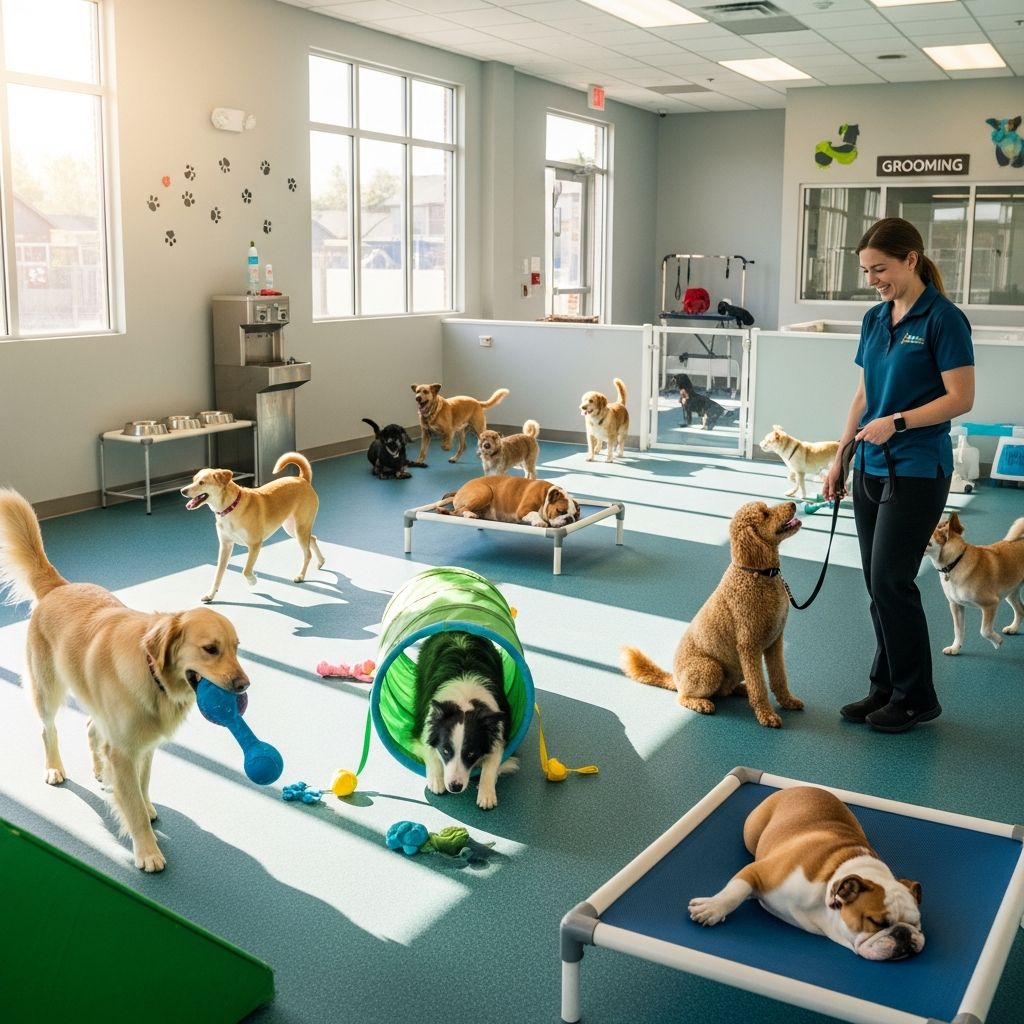
Selecting a dog daycare can be one of the most important decisions pet owners make. Whether you’re returning to work, managing a busy schedule, or simply wanting to provide your canine companion with social opportunities, the right daycare facility can make a tremendous difference in your dog’s happiness and well-being. However, with numerous options available, the selection process can feel overwhelming. This comprehensive guide will help you navigate the key considerations and evaluation criteria necessary to find a daycare that aligns with your pet’s unique needs and your family’s expectations.
Understanding Your Dog’s Individual Requirements
Before embarking on your search for the ideal daycare, it’s crucial to take time evaluating your own dog’s specific characteristics and needs. Every canine has distinct personality traits, energy levels, and social preferences that should inform your decision-making process. Understanding these factors will significantly narrow your search and help identify facilities best suited to your pet.
Consider your dog’s age, as younger puppies and senior dogs may have different requirements than middle-aged adults. Age affects not only energy levels but also susceptibility to illness and need for specialized care or monitoring. Additionally, assess your dog’s natural energy level—whether they’re a high-octane athlete requiring constant stimulation or a more laid-back companion who prefers calmer environments. Some dogs thrive in chaotic, multi-dog settings, while others become stressed in overly stimulating situations.
Your dog’s socialization history and temperament are equally important. Dogs with extensive positive experiences with other canines may eagerly embrace group play, whereas dogs with limited socialization or anxiety around unfamiliar animals may benefit from smaller group settings or gradual introduction programs. Dogs with behavioral challenges, reactivity issues, or specific health conditions require specialized attention. Identifying these characteristics beforehand allows you to communicate your dog’s needs clearly to potential daycare providers.
Evaluating Physical Facilities and Environmental Safety
A quality dog daycare begins with appropriate physical infrastructure designed with canine safety as the paramount concern. When visiting potential facilities, conduct a thorough inspection of the entire environment, paying particular attention to areas where dogs will spend the majority of their time.
The outdoor play areas should feature secure, well-maintained fencing with no gaps or deteriorating sections where dogs could escape. Inspect the ground for hazards such as sharp objects, toxic plants, holes, or uneven surfaces that could cause injuries. Check for adequate shade structures, ensuring dogs won’t be exposed to excessive sun during warm weather. Indoor areas should be spacious enough to accommodate multiple dogs comfortably without creating a chaotic or overly crowded atmosphere.
Throughout the facility, look for potential hazards including exposed electrical cords, sharp edges, toxic chemicals, or poorly secured equipment. Water stations should be clean, fresh, and easily accessible throughout the day. Sanitation practices should be evident—look for sanitized toys, clean food and water bowls, and proper waste disposal protocols. The facility should maintain comfortable temperature control and good ventilation. Signs of strong odors or poor air quality suggest inadequate sanitation or ventilation systems.
Rest areas deserve special attention, as dogs require downtime to recover from play and prevent overstimulation. These spaces should be quiet, comfortable, and separate from active play areas. Ask whether rest areas have clean bedding, climate control, and adequate spacing to prevent stress-related conflicts.
Assessing Staff Expertise and Supervision Levels
The quality of care your dog receives depends largely on the knowledge, training, and attentiveness of the staff providing supervision and interaction. When evaluating a daycare facility, inquire thoroughly about staff qualifications, training background, and day-to-day responsibilities.
Staff members should demonstrate competence in recognizing canine body language and behavioral cues, allowing them to identify stress, fear, or aggression early and intervene appropriately. Trained staff can differentiate between normal play behavior and problematic interactions, preventing potential conflicts from escalating. Ask whether staff members have received formal training in animal behavior, first aid, or handling techniques. Certifications from recognized organizations indicate a commitment to professional development and best practices.
The staff-to-dog ratio is a critical metric directly affecting the quality of supervision and individualized attention your dog receives. A lower ratio—such as one staff member per five to eight dogs—allows for closer monitoring and quicker intervention in emergencies. Higher ratios often mean less personalized attention and potentially compromised safety. Inquire about staffing during different times of day, as ratios may vary during peak hours versus quieter periods.
Ask specifically how staff members handle conflicts between dogs, medical emergencies, or behavioral issues. Well-trained staff should have established protocols and demonstrate calm, professional responses to various situations. Understanding their approach to conflict resolution will help you assess their capability to manage your dog safely.
Examining Daily Structure and Activity Programming
Dogs thrive with routine, structure, and appropriate mental and physical stimulation. A well-managed daycare provides thoughtfully planned daily schedules that balance active play with essential rest periods, preventing both boredom and overstimulation.
Request detailed information about the typical daily schedule. Quality daycares structure their day to include various types of activities: supervised group play sessions, individual interactive play with staff, enrichment activities that provide mental stimulation, designated rest and nap times, and feeding schedules aligned with your dog’s normal routine.
Enrichment activities extend beyond simple play and might include puzzle toys, scent games, basic training exercises, or interactive challenges that keep dogs mentally engaged. These activities prevent boredom-related behavioral issues and contribute to overall cognitive health. Some facilities offer specialized services such as swimming, agility work, or training sessions, which add significant value for dogs benefiting from advanced enrichment.
Inquire about how the facility groups dogs during activities. Many quality daycares separate dogs by size, play style, energy level, or age, ensuring that all dogs find compatible playmates and an appropriate play intensity. This thoughtful grouping prevents smaller dogs from being overwhelmed and allows appropriate peer interactions for all participants.
Ask specifically about rest periods. Dogs need downtime to decompress, and continuous high-energy play can lead to stress, fatigue, and behavioral issues. The facility should allocate sufficient quiet time where dogs rest in comfortable, safe environments away from constant stimulation.
Verifying Health and Medical Protocols
Protecting your dog’s health through rigorous health protocols and vaccination requirements is non-negotiable. Reputable daycares mandate specific vaccinations and health certifications to minimize disease transmission and protect all animals in their care.
Ask about vaccination requirements, including current status for rabies, DHPP (distemper, hepatitis, parainfluenza, and parvovirus), and bordetella (kennel cough). Some facilities may require additional vaccines depending on regional disease prevalence. Request documentation of these requirements and understand the timeframe needed after vaccination before your dog can attend.
Inquire about parasite prevention protocols. Reputable facilities should require or recommend current flea, tick, and heartworm prevention. Ask how they handle dogs that arrive with signs of illness, their policies regarding contagious conditions, and whether they maintain relationships with veterinary clinics for emergency care or consultation.
Understanding the facility’s emergency response protocols is essential. Ask about staff training in basic first aid and canine CPR. Determine whether veterinary services are available on-site or nearby, and understand how emergencies are handled, including communication procedures with owners and decision-making authority regarding veterinary care.
Some daycares restrict certain dogs from group settings. Understand their policies regarding intact males, females in heat, pregnant dogs, or breeds subject to restrictions. These policies exist for safety and liability reasons and reflect the facility’s commitment to managing risk factors appropriately.
Conducting In-Person Evaluations and Facility Tours
Nothing replaces direct observation of a facility and its operations. Schedule a tour during operational hours when you can observe actual daycare activities, staff interactions, and the general atmosphere of the environment.
During your visit, observe how staff members interact with dogs—whether they’re attentive, patient, and responsive to individual needs. Watch for signs of stress or anxiety among the dogs present and notice whether staff intervene when appropriate. Pay attention to the overall noise level, energy, and organization of activities. Does the facility feel chaotic or controlled? Do dogs appear happy and engaged or stressed and overwhelmed?
Many facilities offer evaluation or trial days where your dog spends time in the facility under supervised conditions. This firsthand experience allows you to observe your dog’s comfort level, social interactions, and adjustment to the environment. Pay close attention to your dog’s demeanor—do they seem happy, excited, nervous, or overwhelmed? Staff feedback during and after the evaluation day provides valuable insight into how your dog behaves outside your presence and whether they’re a good fit for the facility.
Before making a commitment, discuss specific concerns or special needs with staff members. How responsive are they to questions? Do they seem genuinely interested in your dog’s well-being and comfort? Trust your instincts about whether you feel confident leaving your pet in their care.
Gathering References and Reviewing Feedback
Learning from other dog owners’ experiences can provide valuable perspective on a daycare’s actual performance beyond marketing materials and staff representations. Request references from current clients and take time to speak with them about their experiences.
Ask specific questions: How long have they used the facility? Does their dog enjoy attending? Have there been any incidents or concerns? How responsive is the facility to questions or problems? What would they change about the facility, if anything? Speaking directly with other clients provides honest perspectives that published reviews might not capture.
Review online ratings and detailed reviews on reputable platforms, but approach these critically. Look for patterns in feedback rather than isolated comments. Facilities will occasionally receive negative reviews, but consistent complaints about specific issues warrant careful consideration. Similarly, universally glowing reviews should be evaluated for authenticity. Read reviews that provide specific details about experiences rather than vague praise.
Consider reviews from veterinarians in your area. Your dog’s veterinarian likely has professional relationships with local daycares and can provide credible recommendations based on facility interactions, health records of dogs attending facilities, and professional reputation.
Understanding Policies and Communication Practices
A quality daycare maintains clear, transparent policies regarding fees, cancellation, illness protocols, behavioral expectations, and communication. Understanding these policies before enrollment prevents misunderstandings and ensures alignment with your needs and expectations.
Review fee structures carefully, including base daily rates, discounts for multiple days, and costs for additional services. Understand cancellation policies and how fees are handled during vacation or illness periods. Some facilities require advance notice for cancellations, while others maintain more flexible arrangements.
Establish communication expectations. How frequently will you receive updates about your dog’s day? Do they provide photos or videos? What’s the communication protocol if incidents occur? How will you be notified in case of illness, injury, or behavioral concerns?
Understand the facility’s policies regarding your dog’s diet, medications, and special handling instructions. Will they follow specific feeding protocols, administer medications, or accommodate special dietary needs? Clear policies and demonstrated ability to follow specific instructions indicate professionalism and attention to detail.
Comparing Facilities: A Decision Matrix
| Evaluation Criteria | Facility A | Facility B | Facility C |
|---|---|---|---|
| Cleanliness and Maintenance | Excellent | Good | Fair |
| Staff-to-Dog Ratio | 1:6 | 1:8 | 1:12 |
| Staff Training/Certifications | Certified, regular training | Some training | Minimal training |
| Vaccination Requirements | Comprehensive | Basic | Minimal |
| Activity Variety | Extensive | Moderate | Limited |
| Rest Period Duration | Adequate | Minimal | Inadequate |
| Emergency Protocols | Detailed, on-site vet | Basic, nearby vet | Unclear |
| Customer Reviews | Consistently positive | Mixed | Several concerns |
| Cost | Premium | Moderate | Budget |
Frequently Asked Questions About Dog Daycare Selection
Q: At what age can dogs start daycare?
A: Most facilities require dogs to be at least four months old and have completed initial vaccinations. Younger puppies lack sufficient immunity and may not have developed appropriate social skills for group settings. Consult with your veterinarian about appropriate timing for your specific dog.
Q: How can I prepare my dog for their first daycare experience?
A: Gradual exposure is ideal. Begin with short visits and gradually increase duration as your dog becomes comfortable. Ensure your dog has basic obedience training and can follow commands. Discuss any anxiety or behavioral concerns with the facility beforehand so staff can provide appropriate support during the adjustment period.
Q: What should I do if my dog doesn’t seem to enjoy daycare?
A: Not all dogs are suited to group daycare settings, and that’s perfectly acceptable. Some dogs are more comfortable with individual dog walkers, one-on-one pet sitters, or remaining home alone. If your dog shows consistent stress or behavioral changes related to daycare, explore alternative care arrangements.
Q: How often should my dog attend daycare?
A: This depends on your dog’s needs, temperament, and your family’s schedule. Some dogs benefit from two to three days weekly, while others do well with one day weekly. Discuss appropriate frequency with the facility based on your dog’s individual needs and energy level.
Q: What’s the difference between daycare and boarding?
A: Daycare typically involves daytime supervision and socialization, with dogs returning home in the evening. Boarding encompasses overnight or extended-stay care. Boarding facilities should meet similar safety and cleanliness standards as daycares, with additional considerations for overnight sleeping accommodations and care protocols.
Making Your Final Decision
Selecting the right dog daycare involves careful evaluation of multiple factors and alignment with your dog’s specific needs and your family’s values. Rather than choosing based solely on convenience or cost, prioritize facilities demonstrating genuine commitment to dog safety, well-being, and enrichment.
Trust your instincts about facility environment and staff interactions. Your comfort level with a facility and confidence in the staff’s ability to care for your dog appropriately should heavily influence your decision. A quality daycare will welcome your questions, provide detailed information, and demonstrate transparency about their practices and policies.
Remember that finding the perfect fit may require trial and adjustment. What works wonderfully for one dog may not suit another, and that’s normal. The goal is identifying a facility where your dog thrives socially and emotionally while your family enjoys peace of mind knowing your beloved companion receives excellent care.
References
- 5 Considerations for Choosing the Right Dog Daycare — VetVerifi. 2024. https://www.vetverifi.com/blog/5-considerations-for-choosing-the-right-dog-daycare
- How to Choose the Best Dog Daycare for Your Pet? — Paws ‘n’ Rec. 2024. https://www.pawsnrec.com/how-to-choose-the-perfect-daycare-for-your-dog/
- How to Choose a Daycare for Your Dog — American Kennel Club. 2024. https://www.akc.org/expert-advice/advice/choosing-a-doggy-daycare/
- The Complete Guide to Choosing the Right Dog Daycare — Little Paws of Hope. 2024. https://littlepawsofhope.com/blog/1356962-the-complete-guide-to-choosing-the-right-dog-daycare
- 4 Types of Questions to Ask a Dog Daycare Before Enrolling Your Dog — Animal Humane Society. 2024. https://www.animalhumanesociety.org/resource/4-types-questions-ask-dog-daycare-enrolling-your-dog
Similar Articles








Read full bio of Sneha Tete




