

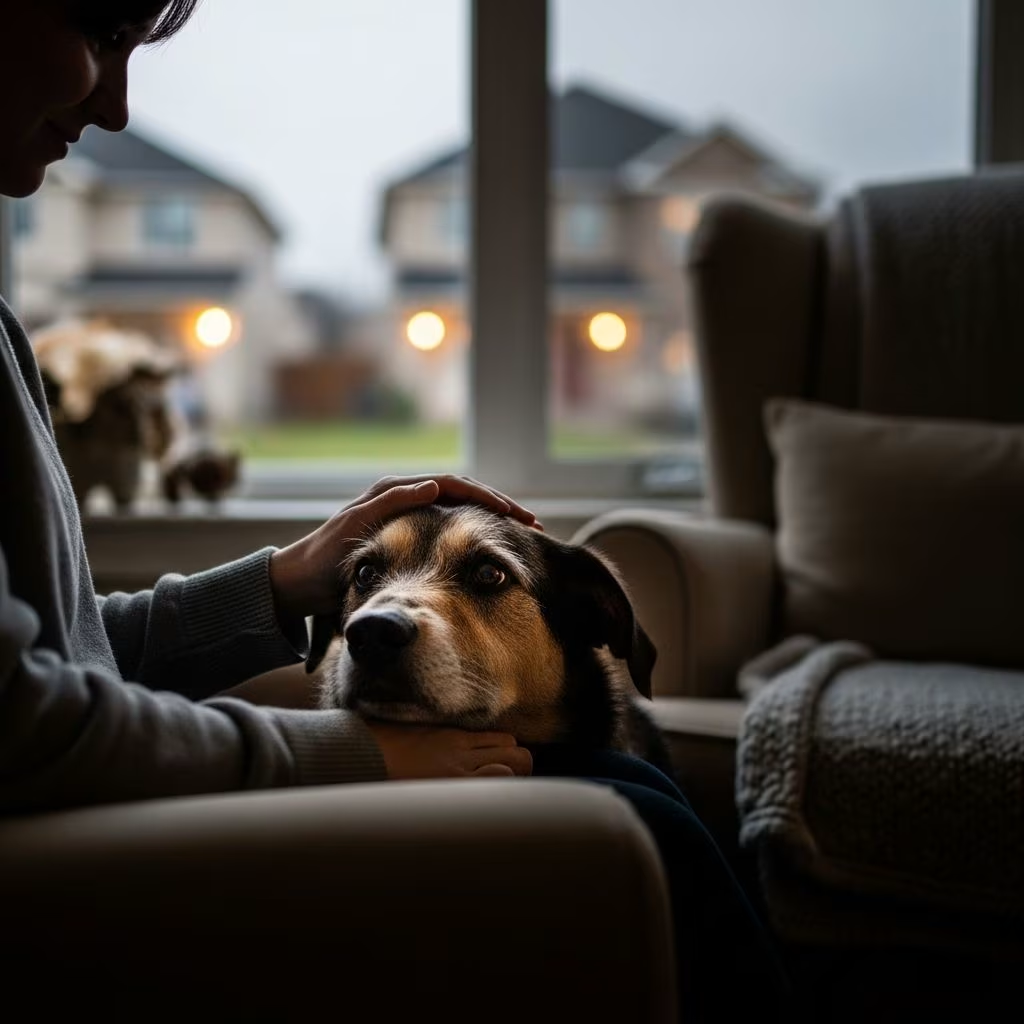
When a cherished family member passes away, the responsibility of their dog often falls to relatives or friends. This situation demands sensitivity, as both humans and the pet navigate profound change. Rehoming requires thoughtful preparation to minimize stress and ensure the dog’s well-being. This guide explores emotional aspects, practical steps, and forward-thinking strategies to honor the bond while securing a positive future.
Understanding Canine Grief and Behavioral Changes
Dogs form deep attachments to their owners, experiencing loss similarly to humans. Signs of grief include lethargy, appetite loss, whining, or withdrawal. These behaviors typically peak in the first weeks but can persist if unaddressed. Maintaining familiarity helps; continue using the dog’s preferred food, toys, and walking routes to provide stability amid upheaval.
Research from veterinary behaviorists indicates dogs process emotions through routine and affection. Extra playtime and gentle reassurance can accelerate adjustment. Monitor for prolonged issues like aggression or excessive barking, which may signal deeper anxiety requiring professional input.
- Appetite shifts: Offer small, frequent meals of familiar foods.
- Sleep disturbances: Keep bedtime consistent in a quiet space.
- Clinginess: Respond with calm cuddles without over-reinforcing dependency.
Assessing Your Ability to Provide Temporary Care
Before deciding on permanent rehoming, evaluate if short-term fostering is feasible. Consider your living space, schedule, and existing pets. A trial period allows observation of the dog’s needs and compatibility. Gather essential items: medical records, vaccination history, and daily logs of feeding and exercise.
| Factor | Questions to Ask | Ideal Outcome |
|---|---|---|
| Space | Is there a secure yard or room? | Dedicated area for decompression |
| Time | Can you commit to 3-4 walks daily? | Consistent routine maintained |
| Finances | Budget for food, vet visits? | Funds allocated for 1-3 months |
| Family | All members supportive? | Team agreement on roles |
If temporary care isn’t possible, prioritize no-kill shelters or breed-specific rescues experienced in senior or grieving dogs.
Strategies for Introducing the Dog to Your Household
Integrating a newcomer, especially one in mourning, requires patience. Start with separate spaces to prevent territorial conflicts. Family meetings foster unity: assign roles like walker or feeder to build involvement. Existing pets need gradual introductions on neutral ground, such as a park, allowing supervised sniffing sessions.
Positive reinforcement aids bonding. Reward calm interactions with treats. Watch for stress signals like stiff tails or growling, intervening with distractions. Most adjustments occur within 4-6 weeks, but separation during high-energy times prevents incidents.
- Day 1-3: Visual barriers, scent swapping via blankets.
- Day 4-7: Leashed meetings in controlled areas.
- Week 2+: Unsupervised play if harmonious.
Finding the Perfect Permanent Placement
Selecting a new home prioritizes compatibility. Advertise through vet networks, community boards, or online platforms specifying age, energy level, and temperament. Screen applicants rigorously: request references, home visits, and trial visits. Ideal matches include retirees seeking companions or families matching the dog’s lifestyle.
Specialized organizations assist, particularly for older dogs. Charities focusing on pets of deceased owners offer sanctuary or targeted rehoming. Provide adopters with a transition kit: favorite toys, routine schedule, and vet contacts.
- Vet bulletin boards for local matches.
- Breed rescues for tailored placements.
- Senior dog networks pairing with empathetic owners.
Legal and Estate Planning for Your Pet’s Security
Proactive planning prevents crises. Designate a caregiver in your will, including alternates and funding via pet trusts. These legal tools allocate resources for care, vet bills, and rehoming. Consult attorneys for enforceable language granting executors discretion while outlining preferences.
Sample provisions cover temporary housing, health restoration, and humane endpoints. Update plans periodically as circumstances evolve. Share documents with trustees and vets for seamless execution.
Pet trusts ensure lifelong support, transforming potential tragedy into continued comfort.
Overcoming Common Rehoming Hurdles
Challenges like inter-dog aggression or persistent depression demand solutions. Increase exercise to burn anxiety; puzzle toys engage minds. If issues endure, enlist certified trainers or behaviorists. Health checks rule out medical causes mimicking grief.
Financial strains? Seek low-cost clinics or community aid. Emotional toll on caregivers warrants self-care: support groups for pet loss normalize feelings.
Long-Term Success Stories and Lessons
Many dogs thrive post-rehoming, forming new bonds. One family integrated a senior Lab by mirroring routines, seeing playfulness return in weeks. Consistent love bridges gaps, often healing human grief too.
Key takeaway: Patience yields resilience. Track progress weekly, celebrating milestones like normalized eating.
Frequently Asked Questions
How long does dog grief last?
Typically 1-3 months, varying by bond strength and support. Persistent signs beyond warrant vet evaluation.
Can I rehome immediately after loss?
Stabilize first with routine; rushed moves heighten stress. Aim for 1-2 weeks prep.
What if my pets fight?
Use neutral intros, professional mediation. Separate until safe.
Are pet trusts expensive?
Initial setup costs $1,000-$3,000, but safeguard against uncertainty.
How to screen adopters effectively?
References, home checks, trial periods ensure fit.
References
- Providing For Your Pet’s Future Without You — Petfinder. 2023. https://www.petfinder.com/adopt-or-get-involved/adopting-pets/about/providing-homes-for-your-pets-after-youre-gone/
- Surrender and Rehoming — Animal Humane Society. 2025-02-01. https://www.animalhumanesociety.org/surrendering-pet
- Rehoming a Dog After the Owner Dies — MoneySavingExpert Forum. 2007-10-15. https://forums.moneysavingexpert.com/discussion/418171/rehoming-a-dog-after-the-owner-dies
- Rehoming a Dog: Tips to Ease Your Transition — Hill’s Pet Nutrition. 2024. https://www.hillspet.com/dog-care/new-pet-parent/rehoming-a-dog-after-loved-one-passes
- How to Help a Grieving Dog — Old Dog Haven. 2023. https://olddoghaven.org/how-to-help-a-grieving-dog/



