
Finding the Ideal Dog Groomer for Your Pet
Expert guide to selecting a safe, skilled dog groomer who prioritizes your pet's comfort, health, and breed-specific needs.
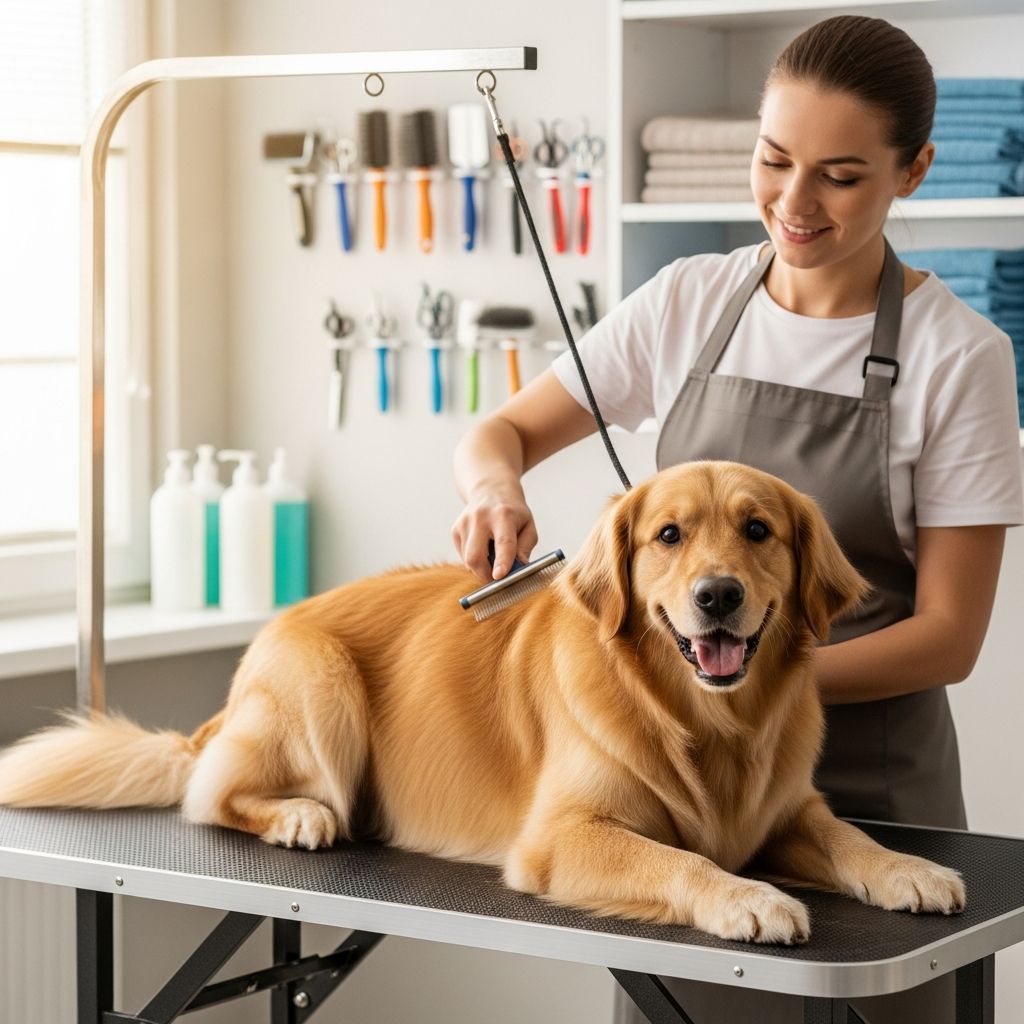
Selecting a trustworthy dog groomer is vital for your pet’s well-being, as grooming sessions impact their physical health, emotional comfort, and coat condition. Professional groomers provide more than basic trims; they ensure safety, hygiene, and tailored care that prevents skin issues and maintains breed standards.
Why Professional Grooming Matters for Dogs
Regular grooming keeps dogs healthy by removing dirt, mats, and parasites while promoting circulation through brushing and bathing. Poor grooming choices can lead to injuries, stress, or infections, so prioritizing qualified professionals is key. Certified groomers follow industry best practices, reducing risks during handling and clipping.
Veterinarians often recommend groomers with medical knowledge for pets with conditions like allergies or mobility challenges, ensuring gentle techniques that avoid exacerbating issues.
Key Qualifications to Seek in a Dog Groomer
Start by verifying credentials from recognized bodies. Certifications like Certified Professional Groomer (CPG) or Certified Master Groomer (CMG) from organizations such as the National Dog Groomers Association of America (NDGAA) or International Professional Groomers, Inc. (IPG) indicate rigorous training in safety, techniques, and sanitation.
- NDGAA Certification: Requires exams on anatomy, handling, and breed standards, plus ongoing education.
- IPG Credentials: Emphasize advanced skills for complex coats and behaviors.
- Continuing Education: Look for groomers attending workshops on new tools or products.
Experience matters too—ask about years in the field and familiarity with your dog’s breed. Groomers skilled in poodle clips differ from those handling bulldog wrinkles.
Inspecting the Grooming Facility for Safety and Cleanliness
A visit reveals much about a groomer’s standards. Clean tubs, organized tools, and non-slip floors signal professionalism. Check for ventilation to avoid fumes and separate areas for nervous dogs.
| Red Flags | Green Flags |
|---|---|
| Cluttered, dirty surfaces | Sanitized equipment between pets |
| Overcrowded kennels | Quiet, spacious holding areas |
| No first-aid supplies | Visible emergency kits and protocols |
Infection control is non-negotiable; groomers should use disinfectants and fresh blades to prevent bacterial spread. Emergency readiness, like CPR knowledge or vet partnerships, adds security.
Experience Tailored to Your Dog’s Breed and Needs
Breeds vary: long-haired varieties need de-matting expertise, while short-coated ones require skin checks. Inquire about breed-specific knowledge, like AKC standards for cuts. For anxious or senior dogs, seek handlers trained in low-stress methods, such as pheromone diffusers or gentle restraints.
Groomers with vet clinic experience excel with medical cases, like post-surgical shaves or allergy-safe shampoos.
Essential Questions to Ask Potential Groomers
Interviews uncover expertise. Pose these to gauge fit:
- How do you manage fearful dogs?
- What products do you use, and are they pet-safe?
- What’s your process for breed-standard grooming?
- Do you have vet emergency contacts?
- Can I see client references?
Transparent answers build trust; evasive responses are warnings.
Leveraging Reviews, Referrals, and Vet Recommendations
Online platforms and vet endorsements provide real insights. Focus on patterns: praise for gentleness or complaints about rushed work. Visit during peak hours to observe interactions.
Membership in groups like NDGAA signals commitment to ethics.
Understanding Pricing, Policies, and Services
Rates vary by breed, coat, and add-ons like teeth brushing. Request breakdowns to avoid surprises—hourly vs. flat fees. Clarify cancellation rules and pickup times.
| Service | Average Cost Factors |
|---|---|
| Basic Bath & Brush | Breed size, coat length |
| Full Groom (Clip) | Complexity, de-matting |
| Specialty (Nails, Ears) | Extra time, products |
Opt for groomers offering packages for frequent visitors.
Special Considerations for Puppies, Seniors, and Dogs with Health Issues
Puppies benefit from positive intros to build tolerance. Seniors need arthritis-friendly handling, like elevated tables. For health concerns, confirm allergy-free products and post-groom checks.
The First Visit: What to Expect and Monitor
Observe your dog’s reaction post-groom: relaxed demeanor and clean results indicate success. Note any nicks or stress signs for future adjustments.
Common Grooming Mistakes to Avoid
- Ignoring certifications for low prices.
- Skipping facility tours.
- Not disclosing pet behaviors upfront.
FAQs
How often should I groom my dog?
Depends on breed: every 4-6 weeks for most, more for heavy shedders.
Are mobile groomers safe?
Yes, if certified and equipped similarly to salons.
What if my dog hates grooming?
Choose low-stress certified pros; gradual conditioning helps.
Do groomers handle fleas?
Reputable ones treat or advise vets for infestations.
Is licensing required?
Varies by state; prioritize certifications regardless.
References
- Selecting a Professional Groomer: What to Look For — Costa Mesa Animal Hospital. 2023-05-15. https://costamesaanimalhospital.com/blog/1385283-selecting-a-professional-groomer-what-to-look-for
- Choosing the Right Grooming Professional for Your Pet — American Pet Professional Groomers Association. 2024-02-10. https://www.appga.org/blog/choosing-the-right-grooming-professional-for-your-pet
- How to Choose a Professional Groomer for Your Pet — earthbath. 2023-11-20. https://earthbath.com/blogs/earthbath-blog/choosing-a-groomer
- How To Choose A Reputable and Qualified Groomer — The Bark Shoppe. 2024-01-05. https://thebarkshoppe.com/blogs/latest/how-to-choose-a-reputable-and-qualified-groomer
- Choosing the Best Dog Groomer: A Guide for Pet Parents — Rover.com. 2023-08-12. https://www.rover.com/blog/choose-best-dog-groomer/
Similar Articles








Read full bio of medha deb




