

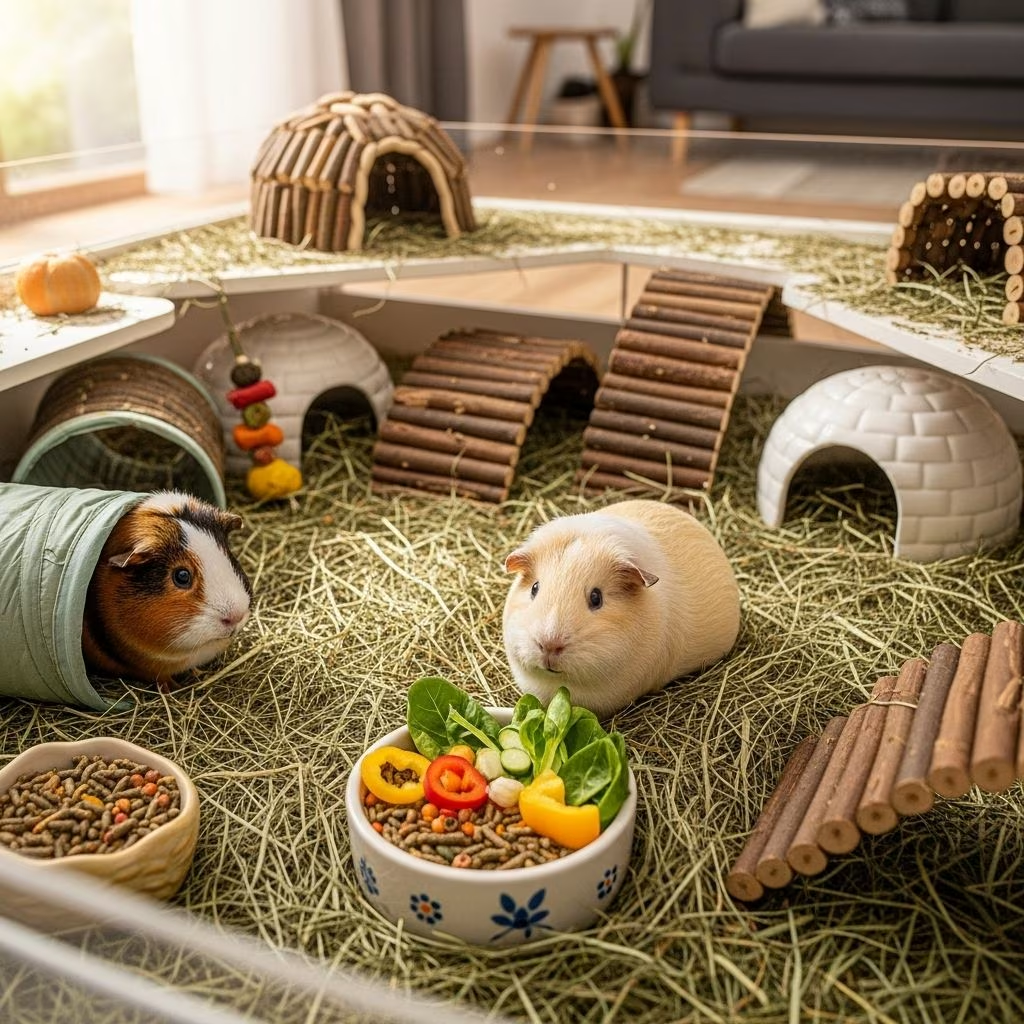
Finding a Home for Guinea Pigs: Your Complete Housing Guide
Guinea pigs are social, active rodents that require thoughtful consideration when it comes to housing. Unlike smaller pets such as hamsters or gerbils, guinea pigs need substantial space to thrive and maintain their physical and mental well-being. Creating an appropriate home environment is one of the most critical aspects of responsible guinea pig ownership. This comprehensive guide will help you understand what your guinea pigs need to feel safe, healthy, and content in their living space.
Understanding Guinea Pig Housing Needs
Guinea pigs are among the largest rodents kept as pets, yet they are often housed in enclosures that are far too small for their needs. Many commercial cages marketed for guinea pigs fail to provide adequate space for these active animals to exercise, explore, and express natural behaviors. Guinea pigs are highly social creatures that thrive in pairs or small groups, and their housing must accommodate not only their physical size but also their social and psychological needs.
Unlike hamsters or gerbils that utilize vertical space through climbing and jumping, guinea pigs are ground-dwelling animals that rely exclusively on floor space for movement and exercise. This fundamental difference means that the traditional multi-level cage approach is inappropriate for guinea pigs. Instead, guinea pigs require expansive horizontal floor space where they can run, play, and explore freely.
Minimum Space Requirements for Guinea Pigs
The amount of space your guinea pig needs depends on how many animals you’re housing. It’s crucial to understand that these are minimum recommendations, and larger enclosures are always preferable for your pets’ health and happiness.
| Number of Guinea Pigs | Minimum Space | Recommended Space |
|---|---|---|
| One Guinea Pig | 7.5 square feet (30″ x 36″) | Larger is better |
| Two Guinea Pigs | 7.5 square feet | 10.5 square feet (30″ x 50″) |
| Three Guinea Pigs | 10.5 square feet | 13 square feet (30″ x 62″) |
| Four Guinea Pigs | 13 square feet | 30″ x 76″ or larger |
Remember that guinea pigs are inherently social animals, so housing at least two guinea pigs that get along well together is strongly recommended. The dimensions listed above refer to floor space, which is the most critical factor in guinea pig housing design.
Types of Enclosures for Guinea Pigs
When selecting an enclosure, you have several options, but not all are suitable for guinea pig housing. Understanding the differences between various enclosure types will help you make an informed decision.
Recommended Enclosure Types
C&C Cages (Cube and Coroplast)
Many guinea pig rescue organizations recommend C&C cages, which are custom enclosures made from wire storage cubes and coroplast, a durable corrugated plastic material. These cages are popular because they are affordable, customizable to your space, easy to clean, and provide excellent ventilation. C&C cages can be configured in various sizes to accommodate your specific needs and can be easily expanded as needed.
Large Wooden Hutches
Wooden hutches designed specifically for guinea pigs can work well, provided they meet the space requirements. These should be well-ventilated and have solid, gentle flooring.
Enclosure Types to Avoid
Several housing options are not appropriate for guinea pigs and should be avoided:
- Plastic tubs with inadequate ventilation
- Glass aquariums, which restrict airflow and make temperature regulation difficult
- Cages with wire flooring that can injure delicate guinea pig feet
- Small commercial “guinea pig cages” that are marketed but fail to meet space requirements
Essential Features of Guinea Pig Housing
Beyond size, your guinea pig enclosure must have several specific characteristics to ensure your pets’ health, safety, and comfort.
Enclosure Dimensions and Structure
The sides of your guinea pig enclosure must be at least 12 inches high to prevent escapes. The enclosure can have an open top if your household doesn’t have access predators such as cats or other animals. The flooring should be solid, gentle on guinea pig feet, and not made of wire. Good ventilation is essential to maintain air quality and prevent respiratory issues. The enclosure must also be designed for easy cleaning and disinfection to maintain hygiene and prevent illness.
Separate Functional Spaces
An ideal guinea pig home includes distinct areas for different activities and functions:
- Sleeping and Nesting Areas: Guinea pigs need safe, enclosed spaces where they can rest and feel secure. Wooden nest boxes are preferable to plastic boxes, which can overheat. Provide one nest box per guinea pig, plus one or two extras to give your pets choices.
- Bathroom Area: Designate a specific area for a litter box or litter pan to help maintain cleanliness and reduce odors.
- Feeding Station: A dedicated area for food and water bowls keeps the cage more organized and cleaner.
- Hay Pile: A large dedicated space for hay serves both as food and as a natural tunneling material that encourages natural foraging behaviors.
Bedding Selection and Maintenance
Choosing the right bedding is crucial for your guinea pig’s health, comfort, and respiratory function. The wrong bedding can cause serious health problems.
Bedding Types to Use
Paper-Based Bedding
Paper-based bedding is the recommended choice for guinea pigs. This type of bedding is safe, absorbent, and gentle on delicate feet. Provide 2 to 3 inches of bedding depth to maximize absorption and keep your guinea pigs comfortable and dry.
Bedding Types to Avoid
Never use cedar or pine shavings for guinea pig bedding. These aromatic wood shavings contain volatile oils and chemicals that can irritate guinea pig respiratory systems and feet. When soiled, cedar and pine shavings produce fumes that are particularly harmful to guinea pigs’ sensitive lungs. These bedding types can cause serious respiratory infections and should be completely avoided.
Temperature and Climate Control
Temperature regulation is a critical component of guinea pig care. Guinea pigs cannot sweat to cool themselves and are particularly susceptible to heat stroke and temperature-related illnesses.
Ideal Temperature Range
The ideal temperature range for guinea pigs is approximately 65 to 75 degrees Fahrenheit (18-24 degrees Celsius). Room temperatures of 17-20°C are considered optimal by veterinary organizations. Guinea pigs don’t cope well with dramatic temperature fluctuations, so consistency is important.
Temperature Hazards to Avoid
Your guinea pig’s housing should be located away from direct heat sources that can cause dangerous temperature spikes:
- Direct sunlight through windows
- Wood stoves and fireplaces
- Heating vents and radiators
- Areas near sunny windows
Conversely, never place your guinea pig’s cage in unheated areas such as unheated rooms, breezeways, garages, or other chilly locations. In temperatures below 15°C (59°F), guinea pigs should be moved indoors if they are typically housed outdoors.
Humidity Considerations
Guinea pigs don’t do well in highly humid environments. Excess moisture promotes mold growth in bedding and hay, which can lead to respiratory infections and other illnesses. Ensure your guinea pig’s housing is in a dry location and maintain good air circulation to prevent dampness.
Location and Placement Considerations
Where you place your guinea pig’s enclosure significantly impacts your pet’s quality of life and health.
Ideal Locations
Guinea pigs are social animals that enjoy being near family activity and benefit from more attention when they’re easy to see and hear. Family rooms and living rooms are ideal locations for guinea pig housing because they allow your pets to feel part of the household while remaining in a calm, temperature-controlled environment.
Environmental Factors
Draft-Free Areas: Place enclosures away from doors, windows, and air conditioning vents that create drafts. Draft exposure can cause respiratory illnesses in guinea pigs.
Elevated Surfaces: Placing the cage on an elevated surface helps with temperature regulation and makes cleaning easier.
Noise Considerations: Guinea pigs have very sensitive hearing. Their cages should not be placed next to stereos, televisions, or other loud noise sources that could cause stress and anxiety.
Quiet Retreat Spaces: While guinea pigs appreciate family interaction, they also need a place to retreat if they need quiet time. Design your enclosure with hideaways or covered areas where your pets can feel secure and undisturbed.
Exercise and Enrichment Spaces
While an appropriately sized enclosure is essential, guinea pigs also need access to larger exercise areas. No animal is meant to live in a cage all the time, so providing your guinea pigs with time outside their enclosures is crucial for their physical and mental health.
Daily Playtime
Guinea pigs should have access to playtime outside their enclosures at least once daily. This allows them to stretch their legs, explore, and exercise in a larger space. Guinea pigs tend to be most active in the morning and evening hours, so timing playtime around these periods works well for many households.
Enrichment Activities
Larger enclosures are among the most basic forms of enrichment you can provide. Guinea pigs can live 5 to 7 years, and adequate enrichment is essential to prevent boredom and depression. Consider providing:
- Tunnels and hideaways for security and exploration
- Chew-safe toys made from untreated wood or cardboard
- Natural foraging opportunities through hay piles
- Platforms and ramps at low heights for variety (though guinea pigs rarely climb high)
Benefits of Adequate Space and Enrichment
Larger enclosures provide multiple benefits for your guinea pigs’ health and well-being. Adequate room to exercise means guinea pigs are less likely to develop medical conditions such as heart disease, diabetes, bumblefoot, and anal impaction. These conditions can cause significant pain and suffering and result in costly veterinary bills. With a roomier enclosure, guinea pigs can exercise on their own schedule, and multiple guinea pigs are more likely to coexist peacefully together.
Essential Housing Equipment and Supplies
Beyond the enclosure itself, your guinea pig home should include several essential items to support their health and comfort.
Food and Water Equipment
Food Bowls: Use a gnaw-proof ceramic bowl so your guinea pigs don’t accidentally frighten themselves by knocking over a plastic bowl.
Water Bottles: Provide a water bottle with a solid sipper tube attached securely to the enclosure. Check regularly to ensure the bottle is functioning properly and providing fresh water.
Hay: Provide lots of tasty hay, which allows for natural tunneling behavior and ensures your guinea pigs get sufficient fiber in their diet.
Bedding and Comfort Items
Nest Boxes: Choose wooden nest boxes rather than plastic boxes, which can overheat in warm weather. Provide one nest box per guinea pig plus a couple of spares so that everyone has plenty of choices.
Cozy Bedding: Use soft, paper-based bedding combined with sweet-smelling, dust-extracted meadow hay for ultimate cleanliness and comfort, helping your guinea pigs enjoy their rest time.
Frequently Asked Questions About Guinea Pig Housing
Q: Can I keep a guinea pig alone?
A: Guinea pigs are highly social animals and should not live by themselves. They benefit significantly from the companionship of another compatible guinea pig. A single guinea pig is more prone to boredom and depression.
Q: How often should I clean the guinea pig enclosure?
A: Spot-clean daily by removing soiled bedding, uneaten food, and waste. Perform a full enclosure cleaning and disinfection weekly or biweekly, depending on the number of guinea pigs and enclosure size.
Q: Can I use a rabbit hutch for guinea pigs?
A: Rabbit hutches are typically not ideal for guinea pigs because they often have wire flooring that can injure guinea pig feet. Choose enclosures specifically designed with solid flooring that meets guinea pig space requirements.
Q: Should guinea pigs be kept indoors or outdoors?
A: Guinea pigs can be kept either indoors or outdoors, but indoor housing is generally easier to maintain at proper temperatures and protect from predators. If keeping outdoors, ensure the hutch is secure, weatherproof, and temperatures stay above 15°C.
Q: What is the lifespan of a guinea pig?
A: Guinea pigs typically live 5 to 7 years, making them a long-term commitment. Proper housing, diet, and veterinary care can support a healthy, extended lifespan.
Q: Do guinea pigs need toys?
A: Yes, guinea pigs benefit from toys and enrichment items. Tunnels, hideaways, cardboard boxes, and chew toys help prevent boredom and encourage natural behaviors like exploring and chewing.
Creating the Perfect Guinea Pig Home
Finding the right home for your guinea pigs requires careful consideration of space, temperature, ventilation, and enrichment. By providing an appropriately sized enclosure with separate functional areas, proper bedding, stable temperature control, and regular access to exercise and enrichment, you’re creating an environment where your guinea pigs can thrive. Remember that bigger is always better when it comes to guinea pig housing, and the investment in a quality enclosure pays dividends in your pets’ health, happiness, and longevity. Your guinea pigs depend on you to create a safe, comfortable home where they can express natural behaviors and live their best lives.
References
- Guinea Pig Housing Requirements and Bedding Options — Humane World. 2024. https://www.humaneworld.org/en/resources/guinea-pig-housing-requirements-and-bedding-options
- Providing a Home for a Guinea Pig — Merck Veterinary Manual. 2024. https://www.merckvetmanual.com/all-other-pets/guinea-pigs/providing-a-home-for-a-guinea-pig
- A Guide to Guinea Pig Housing — Guinea Pig Alliance. 2024. https://guineapigalliance.com/guinea-pig-welfare/environment/a-guide-to-guinea-pig-housing/
- Creating a Good Home for Guinea Pigs — RSPCA. 2024. https://www.rspca.org.uk/adviceandwelfare/pets/rodents/guineapigs/environment
- The Ideal Home for Your Guinea Pigs — PDSA. 2024. https://www.pdsa.org.uk/pet-help-and-advice/looking-after-your-pet/small-pets/the-ideal-home-for-your-guinea-pig
- How to House Your Guinea Pigs — Woodgreen. 2024. https://woodgreen.org.uk/pet-advice/guinea-pig/how-to-house-your-guinea-pigs/



