

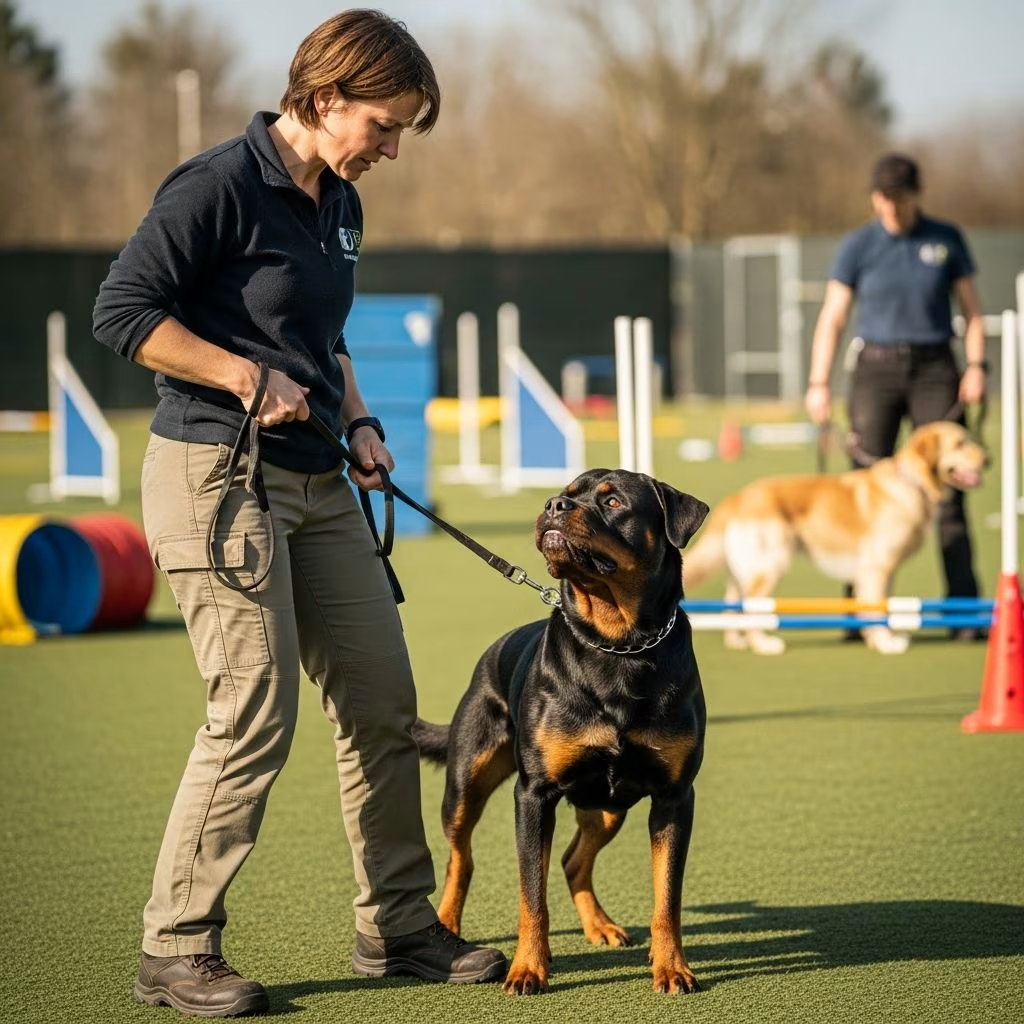
Dog aggression can stem from fear, territorial instincts, or past experiences, but with the right professional intervention, many cases can be successfully managed. Qualified experts use science-backed techniques to address root causes, prioritizing safety and humane methods for lasting change.
Why Professional Intervention Matters for Aggressive Behaviors
Aggressive displays in dogs, such as growling, snapping, or biting, often signal underlying issues like anxiety or poor socialization rather than inherent ‘badness.’ Attempting to handle these without expertise risks escalating the problem or harming the dog and others. Professionals bring specialized knowledge to diagnose triggers accurately and implement tailored plans.
Research supports that structured, reward-based approaches reduce aggression more effectively than punitive measures. For instance, studies show reward-based training can lower aggressive incidents by up to 35% in 12 weeks, improving the dog’s mental health by minimizing stress. Early professional involvement prevents minor issues from becoming severe, fostering a safer home environment.
Types of Specialists in Dog Behavior Modification
Not all dog trainers are equipped for aggression cases. Distinguishing between general trainers and behavior specialists is crucial for effective outcomes.
- Certified Professional Dog Trainers (CPDT-KA or CPDT-KSA): These hold credentials from the Certification Council for Professional Dog Trainers (CCPDT), demonstrating knowledge in positive reinforcement. The KA certification requires passing an exam on learning theory, while KSA adds hands-on skills assessment.
- Veterinary Behaviorists (DACVB): Board-certified by the American College of Veterinary Behaviorists, they are veterinarians with advanced training in animal behavior. They can prescribe medication alongside therapy for cases involving medical factors like pain.
- Applied Behavior Analysts (CAAB): Certified Applied Animal Behaviorists focus on scientific modification techniques, ideal for complex aggression rooted in fear or resource guarding.
Choosing based on your dog’s specific needs—such as fear-based reactivity versus territorial aggression—ensures targeted help. Veterinary behaviorists are primary for medically influenced cases, while CPDTs excel in everyday training integration.
Key Credentials and Certifications to Verify
Credentials signal commitment to ethical, evidence-based practices. Here’s a comparison of major qualifications:
| Certification | Issuing Body | Focus Areas | Requirements |
|---|---|---|---|
| CPDT-KA | CCPDT | Training theory, positive methods | 500+ hours experience, exam |
| CPDT-KSA | CCPDT | Hands-on skills assessment | CPDT-KA + video evaluation |
| DACVB | ACVB | Medical behavior diagnosis | Vet degree + residency + boards |
| CAAB | Animal Behavior Society | Advanced behavior analysis | Graduate degree + supervised cases |
Always check active status on official registries like ccpdt.org or dacvb.org. Avoid trainers relying on dominance theory or aversive tools, as these can worsen aggression.
Red Flags: What to Avoid in Aggression Specialists
Some self-proclaimed ‘experts’ promote outdated methods that heighten fear and reactivity. Watch for:
- Promotion of shock collars, prong chains, or choke tools—linked to increased aggression in studies.
- Claims of ‘quick fixes’ or ‘alpha rolls,’ ignoring individual assessment.
- Lack of transparency about credentials or success metrics.
- Guarantees without evaluating your dog’s history.
Reputable pros emphasize patience, owner education, and progress tracking over dominance-based control.
Proven Techniques Used by Top Professionals
Experts rely on force-free methods grounded in behavioral science, focusing on changing emotional responses rather than suppressing symptoms.
Desensitization: Building Tolerance Gradually
This involves exposing the dog to triggers at sub-threshold levels—intensities that don’t provoke aggression—while maintaining calm. For a dog lunging at strangers, start at a safe distance with rewards for relaxation, slowly closing the gap.
Counter-Conditioning: Rewiring Emotions
Pair triggers with high-value rewards to shift negative associations to positive ones. A vacuum-fearful dog receives treats as it operates nearby, fostering neutral or happy feelings over time.
Operant Conditioning and Positive Reinforcement
Reward incompatible behaviors like ‘sit’ or ‘look at me’ during potential triggers, using variable schedules for durability. Commands like ‘leave it’ redirect focus effectively.
Integration of enrichment, such as puzzle toys, supports mental resilience, reducing overall stress.
Steps to Select and Start Working with a Professional
- Assess Your Dog: Document incidents, triggers, and history to share upfront.
- Research Local Experts: Use directories from CCPDT, IAABC, or AVSAB for vetted pros.
- Initial Consultation: Ask about their philosophy, success with similar cases, and session structure. Observe a session if possible.
- Commit to a Plan: Expect homework, consistency, and regular check-ins. Safety protocols like muzzles may be recommended initially.
- Monitor Progress: Track metrics like reduced reactivity frequency to adjust as needed.
Owner involvement is key—pros train you to maintain gains at home.
Realistic Expectations and Success Timelines
Modification isn’t a cure but management toward reliability. Mild cases may improve in weeks; severe ones take months. Consistency yields 80-90% success in motivated households, per clinical reports. Factors like breed, age, and trauma influence outcomes. Celebrate small wins, like calmer leash walks, to stay motivated.
FAQs: Common Questions on Professional Aggression Help
Can all aggressive dogs be rehabilitated?
Most can improve significantly with expert help, though rare cases with neurological issues may require lifelong management.
How much does professional training cost?
Packages range from $500-$3000+, depending on intensity and location. Veterinary behaviorists charge more due to medical expertise.
Is medication ever necessary?
Yes, for anxiety-driven aggression; a DACVB assesses this alongside behavior plans.
What if my dog bit someone?
Seek immediate pro help and report legally if required. Pros can guide liability and prevention.
Can I train my dog myself first?
Basic positive reinforcement helps, but pros handle risks better for true aggression.
Building a Supportive Home Environment Post-Training
Sustain progress with routines: ample exercise, mental stimulation, and controlled socialization. Use tools like head halters for walks and maintain trigger management. Regular vet check-ups rule out health contributors. Joining support groups connects you with others navigating similar challenges.
Ultimately, partnering with qualified pros transforms aggression challenges into opportunities for stronger bonds. Patience and science prevail.
References
- Mastering Understanding Dog Aggression Training Techniques Fully — The Collar Club Academy. 2023. https://www.thecollarclubacademy.com/blog/mastering-understanding-dog-aggression-training-techniques-fully
- Effective Aggressive Dog Training Methods for a Safer Home — Mia’s Muzzles. 2024. https://miasmuzzles.com/effective-aggressive-dog-training-methods-for-a-safer-home/
- 5 Proven Dog Behavior Modification Techniques That Actually Work — K-9 Specialist. 2023. https://k-9specialist.com/5-proven-dog-behavior-modification-techniques/
- Treating Territorial Aggression in Dogs — American Kennel Club (AKC). 2025-03-15. https://www.akc.org/expert-advice/training/treating-territorial-aggression-in-dogs/
- How to Train A Dog Who Is Aggressive — The Online Dog Trainer. 2024. https://theonlinedogtrainer.com/training-aggressive-dogs-understanding-dominant-and-fearful-aggression/



