
Finding the Best Dog Boarding or Pet Sitting Service
Discover essential tips to select safe, clean, and caring dog boarding facilities or pet sitters for worry-free travel.
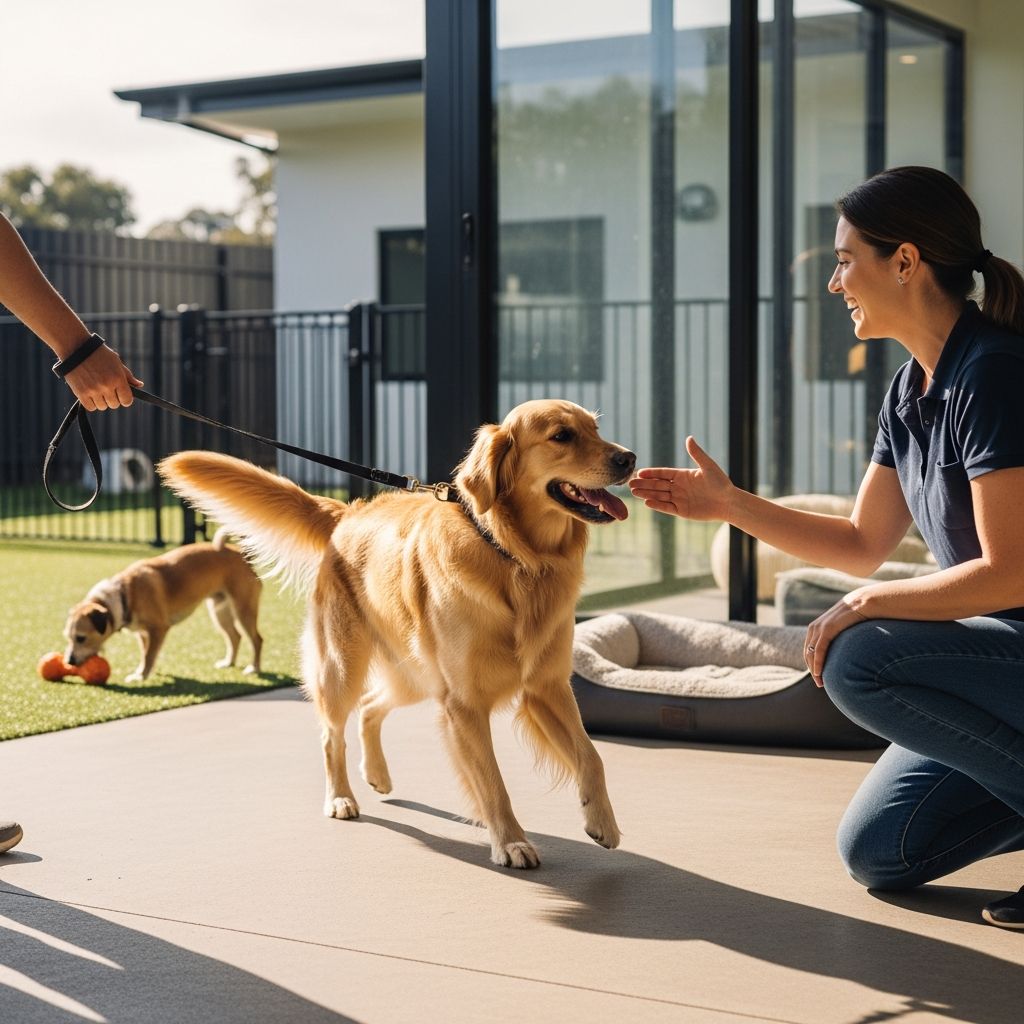
Selecting a trustworthy dog boarding facility or pet sitter is crucial for your dog’s well-being when you must leave town. Prioritize options that offer secure environments, attentive care, and tailored services to match your pet’s personality and health requirements.
Understanding Your Dog’s Boarding and Sitting Needs
Dogs have diverse needs based on age, breed, health, and temperament. Some thrive in social boarding settings with playgroups, while others prefer quiet in-home pet sitting to minimize stress. Evaluate whether your dog enjoys interacting with others or requires one-on-one attention to avoid anxiety during your absence.
Consider factors like separation anxiety, special diets, or medical conditions. Facilities that accommodate medications or provide quiet spaces rank higher for sensitive pets. Start by listing your dog’s routines, preferences, and any behavioral quirks to guide your search.
Key Qualities of Top-Tier Dog Boarding Facilities
Exceptional boarding services go beyond basic sheltering. Look for places emphasizing enrichment, exercise, and health monitoring. Here’s what sets premium facilities apart:
- Secure Perimeters: Fencing buried underground, double-door systems, and locked gates prevent escapes.
- Climate Control: Indoor areas with ventilation, heating, cooling, and backup power ensure comfort year-round.
- Daily Exercise: Dedicated play yards with shelter from weather elements promote physical health.
Boarding differs from simple kennels by offering holistic care, including grooming and training sessions for mental stimulation.
Evaluating Cleanliness and Hygiene Standards
A spotless environment is non-negotiable to prevent illnesses. Trust your senses upon arrival: absence of odors, no visible waste, and tidy common areas signal rigorous protocols. Reputable spots sanitize daily, use raised bedding to avoid discomfort from accidents, and maintain parasite-free zones.
Red flags include unkempt exteriors, fur buildup, or deferred repairs, hinting at deeper neglect. Facilities compliant with local health codes often display certifications, reducing infection risks for all dogs.
Facility Size Guidelines by Breed
Space matters for comfort. The American Kennel Club provides benchmarks for enclosure dimensions to suit different sizes:
| Breed Size | Inside Dimensions (L x W x H) | Outside Dimensions (L x W x H) |
|---|---|---|
| Very Small (<15 lbs, e.g., Toys) | 22″ x 18″ x 18″ | 10′ x 2′ x 6′ |
| Small (15-35 lbs, e.g., Terriers) | 30″ x 24″ x 36″ | 10′-20′ x 3′ x 6′ |
| Medium (35-60 lbs, e.g., Springers) | 48″ x 48″ x 36″ | 15′-25′ x 4′ x 6′ |
These ensure ample room for movement, preventing stress or injury.
Assessing Staff Expertise and Care Ratios
Knowledgeable teams make or break the experience. Seek staff trained in canine behavior, first aid, and emergency response. Inquire about staff-to-dog ratios—lower numbers mean more personalized attention. Observe interactions: attentive caregivers engage promptly and handle dogs calmly.
Ask about protocols for barking, misbehavior, or health issues. Facilities near veterinary clinics or with on-site vets offer quick care for emergencies. Friendly, responsive staff during visits predict quality oversight.
Health and Vaccination Protocols
Proof of up-to-date vaccines is standard to safeguard groups. Core shots like rabies, distemper, and bordetella are typically required; some accept titers for exemptions. Confirm policies on flea/tick preventives and health checks upon arrival to block disease spread.
Prepare by scheduling vet visits beforehand. Electronic records streamline check-ins, ensuring smooth admissions.
Pet Sitting vs. Boarding: Pros and Cons
| Option | Advantages | Disadvantages |
|---|---|---|
| Boarding Facility | Socialization opportunities, structured routines, 24/7 supervision | Potential stress from groups, fixed schedules |
| In-Home Sitting | Familiar environment, customized care, less exposure to illnesses | Limited availability, variable sitter reliability |
Choose based on your dog’s sociability and your travel duration. Sitting suits anxious pets; boarding fits outgoing ones.
Steps to Vet Potential Providers
- Research Online: Read reviews on trusted sites, check licensing, and view photos/videos of spaces.
- Schedule Tours: Visit during peak hours to see operations; meet staff and observe dogs.
- Ask Key Questions: Cover feeding, walks, playtime, emergency contacts, and update frequencies.
- Test Runs: Book short trial stays to gauge your dog’s response.
- Verify References: Contact past clients for honest feedback.
Document policies on personal items like bedding or toys—many welcome them for comfort.
Preparing Your Dog for a Stay
Ease transitions with prep. Update vaccines, pack familiar items, and practice short absences. Introduce commands for handlers and label medications clearly. Inform sitters or facilities of quirks like noise sensitivity.
For first-timers, gradual exposure via daycare builds confidence. Monitor post-stay behavior for stress signs, adjusting future choices accordingly.
Red Flags to Avoid
- Ignored inquiries or evasive answers.
- Overcrowding or poor ventilation.
- No emergency plans or vet partnerships.
- Absent cleaning schedules or vaccine enforcement.
- Untrained staff or high turnover.
Steer clear to protect your pet’s safety.
Frequently Asked Questions (FAQs)
How do I know if a boarding facility is safe?
Check for sturdy fencing, secure entries, and safety features like sprinklers and generators.
What vaccinations are required for dog boarding?
Typically rabies, DHPP, and bordetella; confirm with the facility.
Can I bring my dog’s food and toys?
Most allow it to maintain routines; ask ahead.
What’s a good staff-to-dog ratio?
State-regulated, often 1:10-15 for supervision.
How to handle a dog with separation anxiety?
Opt for sitters or facilities with quiet options and enrichment programs.
Final Thoughts on Peace of Mind Choices
Diligent selection yields facilities mimicking home comforts. Regular visits and communication keep you connected, ensuring happy returns for all. Invest time now for stress-free travels ahead.
References
- How to Pick a Dog Boarding Facility — Dr. Boyd’s Veterinary Resort. 2023. https://www.drboyds.com/blog/how-to-pick-a-dog-boarding-facility
- Choosing a Dog Boarding Facility: Top 10 Things to Consider — Petropolis. 2024. https://www.petropolis.com/choosing-a-boarding-facility/
- RHP Facility Criteria — American Kennel Club. 2025-03-15. https://www.akc.org/sports/conformation/akc-registered-handlers/rhp-facility-criteria/
- 7 Things Pet Owners Should Check Before Choosing Dog Boarding — ACDRA. 2024. https://www.acdra.org/post/7-things-pet-owners-should-check-before-choosing-dog-boarding
- Complete Guide to Choosing the Right Boarding Facility for Your Pet — Dessau Veterinary Clinic. 2024-02-10. https://www.dessauvetclinic.com/blog/1356128-complete-guide-to-choosing-the-right-boarding-facility-for-your-pet
- Selecting the Right Boarding Facility for Your Dog — Top Dog Country Club. 2023. https://topdogcountryclub.com/blog/selecting-right-boarding-facility-your-dog/
- What To Look For In A Dog Boarding Facility — Hollywood Cat & Dog. 2024. https://www.hollywoodcatdog.com/blog/1006792-what-to-look-for-in-a-dog-boarding-facility
Similar Articles








Read full bio of medha deb




