Find a Baby Bird? How to Help
Complete guide to identifying and safely assisting baby birds in need of care.
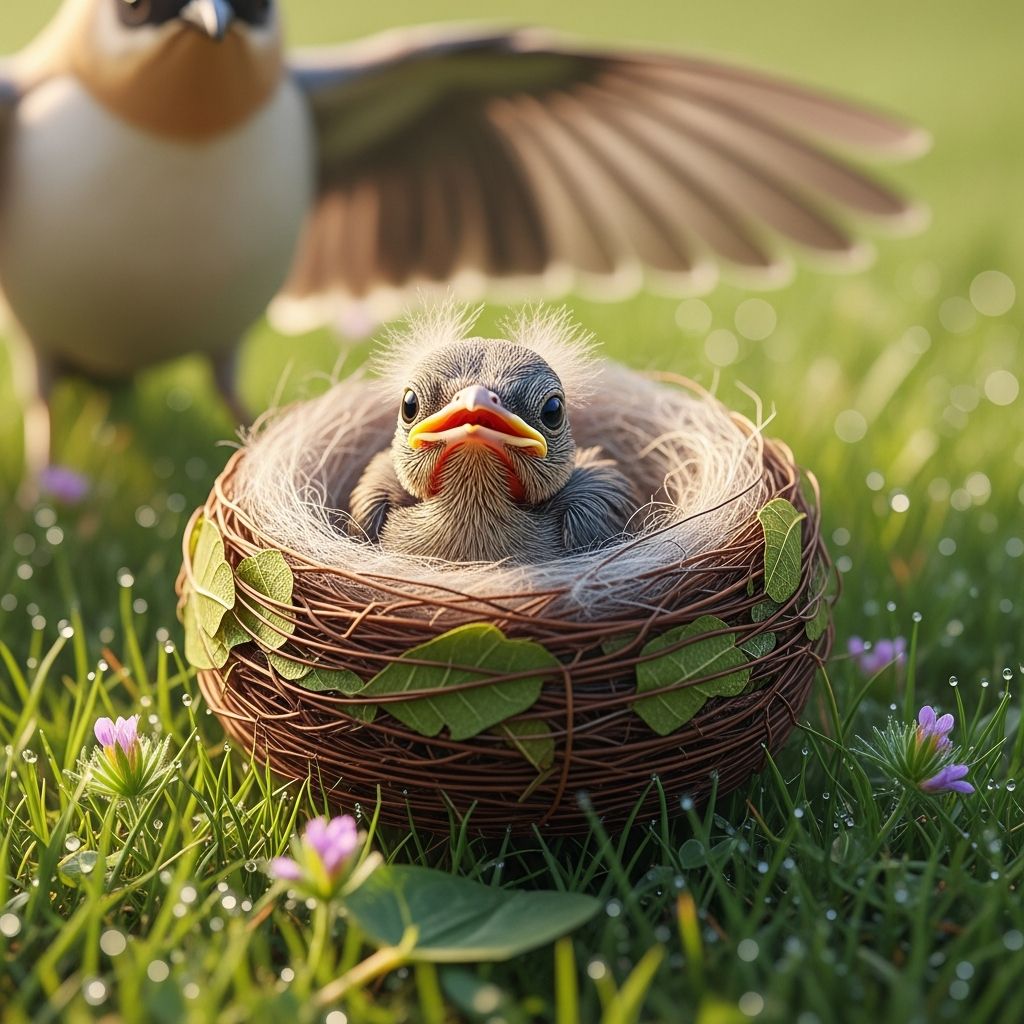
Discovering a baby bird on the ground can be concerning, but knowing how to respond appropriately is essential for the bird’s wellbeing and your safety. Many people assume that a grounded baby bird needs immediate rescue, but the reality is more nuanced. Understanding the bird’s condition and developmental stage will help you determine whether intervention is necessary and what steps to take.
Understanding Baby Bird Development Stages
The first step in helping a baby bird is determining what type of bird you’ve found. Baby birds fall into two main categories based on their development and dependence on parental care. Recognizing these differences is crucial because each type requires different responses.
Nestlings vs. Fledglings
A nestling is a baby bird that is mostly or completely without feathers, or has only sparse, fluffy down covering its body. These birds have their eyes closed or barely open and are entirely dependent on their parents for food and survival. Nestlings should remain in or be returned to their nest whenever possible, as they cannot survive outside of parental care.
A fledgling is an older baby bird that is fully or mostly feathered and has open eyes. Fledglings have recently left the nest and are learning to fly, though they still depend on their parents for food. It’s common to see fledglings on the ground hopping around, which is a normal part of their development. Parent birds continue to care for fledglings during this critical learning phase, and human interference is usually unnecessary and counterproductive.
Determining If the Bird Needs Help
Not every baby bird you encounter requires rescue. Understanding the signs of distress versus normal development helps prevent unnecessary intervention that could harm the bird’s chances of survival.
Assessment Checklist
When you find a baby bird, ask yourself these critical questions:
- Is the bird injured, bleeding, or visibly damaged?
- Does the bird appear cold or listless?
- Are the bird’s eyes half-closed in a slit position?
- Is the bird unable to move or completely unresponsive?
- Has the bird been attacked by a cat or other predator?
- Are there visible parasites or signs of infection?
If you answered yes to any of these questions, the bird likely needs professional care. If the bird appears healthy and active, the next step is to locate its nest.
Locating the Nest
Look carefully around the area where you found the baby bird. Scan trees, shrubs, building ledges, and other elevated areas within a reasonable distance. Parent birds typically build nests within 20 to 30 feet of where a fledgling might land. Once you locate the nest, observe it from a distance to determine if other baby birds are present and if they resemble the bird you found. If the nest contains similar-looking birds, this is likely the correct nest.
Returning a Baby Bird to Its Nest
If you’ve found a healthy nestling or determined which nest belongs to your baby bird, returning it to the nest is the best course of action.
How to Return a Nestling to the Nest
Pick up the baby bird gently but firmly, ensuring you have full control to prevent accidental falls or escapes. Examine the bird briefly for obvious injuries while holding it. Look for bleeding, cold skin temperature, listlessness, or half-closed eyes that indicate distress requiring professional intervention. If the bird appears healthy, proceed with returning it to the nest.
Climb or reach up to the nest and place the baby bird gently inside. Contrary to popular myth, parent birds will not reject a nestling that has been touched by human hands. Birds have a limited sense of smell compared to mammals, and they typically respond to vocalizations and the presence of their offspring rather than human scent. Parent birds are strongly motivated to feed and care for their babies, and in most cases, they will resume care immediately after a bird is returned to the nest.
If You Cannot Reach the Nest
If the original nest is unreachable or destroyed, you can create an alternative nesting solution. Find a small woven basket or create one from a berry basket or similar container. Secure it as close as possible to the original nest location or on a nearby branch at a similar height. Line the basket with leaves, grass, or moss to create comfortable bedding. Gently place the baby bird inside and ensure the basket is firmly attached so it won’t fall.
Watch from a distance for 30 minutes to an hour to confirm that parent birds have returned and are feeding the nestling. Parent birds will locate their baby by its vocalizations and will typically return to feed within a short time if the bird is their offspring.
Caring for Fledglings
Fledglings present a different situation than nestlings. A fully feathered baby bird hopping around on the ground is likely a fledgling learning to fly, and parental care typically continues during this phase.
Normal Fledgling Behavior
Fledglings often appear clumsy and spend time on the ground while their flying skills develop. This is completely normal. During this period, parent birds continue to search for and feed their offspring, even though the birds are no longer in the nest. Parent birds recognize their fledglings by their calls and appearance and will continue to provide food throughout the day.
Creating a Safe Environment
If you’ve found a healthy fledgling, the best help you can provide is to keep pets indoors and reduce human interference. Keep dogs and cats inside to prevent predation, and maintain some distance from the fledgling to allow parent birds to approach without fear. Most fledglings successfully fledge with minimal human intervention when parents can care for them freely.
Safely Handling an Injured or Orphaned Baby Bird
If you’ve determined that a bird is truly injured or orphaned, proper handling is essential for both your safety and the bird’s welfare.
Personal Protection and Bird Safety
When handling any wild bird, wear disposable gloves to protect yourself from potential diseases and parasites. Wild birds can carry bacteria and other pathogens, and gloves provide an important barrier. Handle the bird only as long as necessary to minimize stress, as being grasped by a large predator is terrifying for a small bird.
Remember that older baby birds will be significantly more frightened than younger ones. Work quickly and confidently to reduce the bird’s anxiety and the risk of injury from struggling.
Proper Holding Techniques
For small baby birds that fit in your palm, hold the bird gently but firmly in one hand, supporting the body and feet with your palm. Place your other hand gently over the top of the bird, being careful not to create spaces that would allow escape. This position provides security while allowing you to transport the bird safely.
For larger baby birds such as pigeons or other species, hold the bird in one hand supporting the body and feet, then place your other hand around the bird’s shoulders with the wings folded naturally against the body. This position prevents wing injuries and keeps the bird secure.
Creating an Appropriate Environment
Once you’ve captured the bird, take it inside to a room where the door can be closed. Ensure no children or pets are present, as stress from additional predators or stimulation could harm the bird. A small, minimally furnished room like a bathroom is ideal. This quiet, controlled environment helps keep the bird calm while you assess its condition and prepare it for transport.
Preparing the Bird for Transport to a Rehabilitator
An injured or orphaned baby bird requires professional care from a licensed wildlife rehabilitator. Proper preparation for transport is critical to maintaining the bird’s health and survival chances.
Creating a Transport Container
Find a cardboard box with a secure top that is not torn or damaged. A shoebox is typically the ideal size. Line the bottom with a soft cloth such as a tea towel, T-shirt, or paper towels. Avoid terry cloth, as birds can catch their beaks or toes on the fabric loops, causing injury.
On top of the cloth, create a makeshift nest by wrapping tissues into a doughnut shape or rolling a small cloth towel (not terry cloth) into a similar shape. This nest provides support for a very young or weak bird. For older birds that can perch, they may stand naturally, which is fine. For very young or sick birds, the nest must fit snugly around the bird, with sides extending about two-thirds of the bird’s height but not higher than its head. Excess space in the nest can cause the bird to become injured or more distressed.
Ventilation and Temperature Management
Before placing the bird in the box, punch small air holes (each approximately pencil-sized in diameter) in the top to provide adequate ventilation. Carefully place the bird inside the makeshift nest and securely tape the box shut. For fledglings that may attempt to escape, close the box quickly after placing the bird inside.
If you have a heating pad, turn it to the lowest setting and place a towel on top. Position the transport box on the heating pad to maintain warmth during transport. Move the box to a quiet, dark area away from air conditioning, direct sunlight, and drafts. Maintaining a temperature between 85 to 90 degrees Fahrenheit is important for the bird’s survival, as injured or young birds cannot regulate their own body temperature effectively.
Important Transportation Guidelines
Do not give the bird any food or water unless a wildlife rehabilitator specifically instructs you to do so. Improper feeding can cause aspiration (food entering the lungs) or other serious complications. It is very easy to harm a bird through well-intentioned but incorrect feeding attempts. During transport, focus solely on maintaining appropriate temperature and a calm environment.
Keep the box away from direct sunlight and any air currents, including those from air conditioning or slightly opened windows. Maintain a quiet, calm atmosphere during transport. If possible, avoid bringing children with you, as their excitement and noise can stress the bird further. However, you may play soothing music at low volume if it helps you remain calm during the drive.
Finding a Wildlife Rehabilitator
Once you’ve prepared the bird for transport, locate a licensed wildlife rehabilitator in your area. Many areas have wildlife rehabilitation centers, animal hospitals that work with wildlife, or network of licensed rehabilitators. Search online for “wildlife rehabilitator near me” or contact your local animal control, veterinary hospital, or animal welfare organization for referrals.
When you arrive at the rehabilitator, provide any information you have about the bird’s condition, where it was found, and how long it’s been in your care. Professional rehabilitators have the expertise, facilities, and legal permits necessary to care for injured, orphaned, and sick wild birds.
Common Myths About Baby Birds
Several misconceptions about baby birds lead people to interfere when they shouldn’t or fail to help when they should.
Myth: Parent Birds Reject Birds That Smell Like Humans
This is completely false. Birds have a relatively poor sense of smell compared to mammals. Parent birds identify their babies primarily through vocalizations and visual appearance. Touching a baby bird does not cause parents to reject it or stop feeding it.
Myth: All Grounded Baby Birds Need Rescue
This is incorrect. Healthy fledglings on the ground are normal and typically have parents nearby providing food and protection. Removing a healthy fledgling from its territory actually reduces its survival chances.
Myth: Baby Birds Cannot Survive Outside the Nest
Fledglings are designed to leave the nest and learn to fly on the ground and in trees. This is a natural and necessary phase of development. Fledglings are not helpless despite being on the ground.
Frequently Asked Questions
Q: How do I know if a baby bird is truly orphaned?
A: Watch the bird from a distance for several hours. If parent birds do not return to feed it, and the bird shows signs of distress or injury, it may be orphaned. However, parent birds may be temporarily away feeding themselves. Give them adequate time before assuming the bird is orphaned.
Q: Is it legal to keep a baby bird?
A: No. In most jurisdictions, keeping a wild bird without a permit is illegal. Wildlife rehabilitators have the proper licenses and facilities to care for injured and orphaned birds. Your role is to safely transport the bird to professional care.
Q: What should I do if I find a bird with a visible injury?
A: If the bird is bleeding, has a broken wing, or shows other obvious injuries, follow the handling and transport procedures outlined above and take the bird to a wildlife rehabilitator immediately. Do not attempt to treat serious injuries yourself.
Q: Can I feed a baby bird I find?
A: Only if a wildlife rehabilitator specifically instructs you to do so. Improper feeding can be fatal. Aspiration, nutritional imbalances, and other complications can result from well-intentioned but incorrect feeding.
Q: What if I find a baby bird that keeps falling out of its nest?
A: Repeatedly falling out typically indicates a developmental issue or problem with the nest itself. Create an alternative nest in a basket as described, or contact a wildlife rehabilitator for guidance. Inspect the original nest for damage, parasites, or other problems.
Q: How long can a baby bird survive without food?
A: Most baby birds can only survive a few hours to a day without food, depending on their age and condition. This is why getting injured or orphaned birds to a rehabilitator quickly is critical.
When to Take Action and When to Step Back
The key to helping baby birds effectively is understanding when intervention helps and when it causes harm. Healthy fledglings benefit most from parental care and a safe environment free from pets. Injured, sick, or truly orphaned birds need professional care from wildlife rehabilitators. By learning to distinguish between these situations and responding appropriately, you can make a real difference in baby bird survival and welfare.
References
- Find a Baby Bird? How to Help — Best Friends Animal Society. Accessed November 2025. https://bestfriends.org/pet-care-resources/find-baby-bird-how-help
- Primary Care for Young Birds — Wildlife in Crisis. https://wildlifeincrisis.org/environmental-education/primary-care-for-young-birds/
- How to Help an Injured Wild Bird — Best Friends Animal Society. https://bestfriends.org/pet-care-resources/how-help-injured-wild-bird
- Bird Health: Signs of a Sick Bird, Avian Vet Care — Best Friends Animal Society. https://bestfriends.org/pet-care-resources/bird-health-signs-sick-bird-avian-vet-care
Similar Articles







Read full bio of Sneha Tete