
Finch Personality, Food & Care Guide for Pet Birds
Complete guide to finch care, diet, personality, and housing for thriving pet birds.
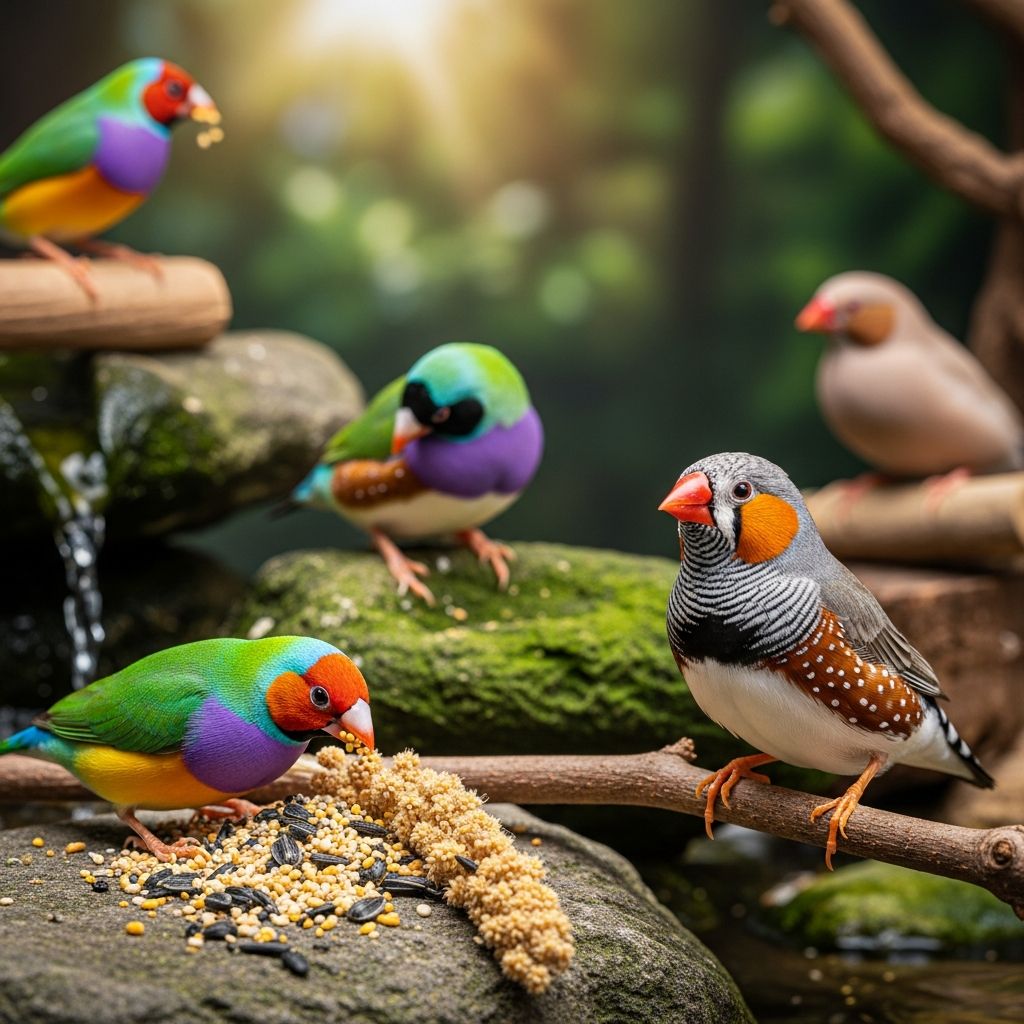
Finch Personality, Food & Care: A Comprehensive Guide
Finches represent an excellent choice for individuals seeking a feathered companion without the commitment and complexity associated with parrot ownership. These delightful birds offer unique appeal through their social behaviors, pleasant vocalizations, and aerial acrobatics. Unlike many larger bird species, finches are relatively hands-off pets that don’t require extensive one-on-one interaction, making them ideal for busy pet owners or those new to bird keeping.
Understanding Finch Personality and Behavior
Finches are fundamentally social creatures with distinct personalities that make them captivating companions. Their charm lies not in their ability to vocalize human speech, but in their intricate social dynamics and engaging behaviors. Finches communicate through a variety of pleasant sounds and chirps, creating a cheerful atmosphere in any home. These birds thrive in social environments and genuinely enjoy the company of their fellow finches, engaging in interactive play and cooperative behaviors that showcase their intelligence and social awareness.
One of the most appealing aspects of finch ownership is observing their aerial displays and acrobatic maneuvers. Finches spend considerable time in flight within their enclosure, performing graceful movements that provide endless entertainment for their owners. Their flock mentality means they are most content when housed with other finches, as they naturally seek companionship and social interaction with members of their own species. This makes them unique among pet birds, as they don’t typically demand constant human attention like parrots do.
Certain finch species, particularly the Gouldian finch, are prized for their stunning visual appearance. With their vibrant plumage and intricate color patterns, these birds are living jewels that add aesthetic beauty to any room. Their combination of physical beauty and engaging social behavior makes finches exceptionally popular among both experienced bird enthusiasts and newcomers to avian pet ownership.
Care Requirements and Housing
Creating the Ideal Living Environment
Providing appropriate housing is paramount to finch health and happiness. Finches require spacious environments that allow them to remain fully flighted, meaning their wing feathers should never be trimmed. Flight is essential to their physical and mental wellbeing, providing exercise, stimulation, and opportunities to express natural behaviors.
The design of the cage is critical—horizontal cages are strongly preferred over vertical ones. A horizontal orientation provides the necessary floor space for finches to fly back and forth comfortably, which is far more beneficial than the height of a vertical cage. For a pair of finches, the minimum recommended cage dimensions are 24 inches long by 14 inches wide by 18 inches high, though larger accommodations are always better.
Bar spacing must not exceed ⅜ inch to prevent birds from escaping or accidentally injuring themselves by getting their heads or legs stuck between bars. The habitat should include removable metal grates at the bottom to allow droppings to fall below the birds’ feet, promoting hygiene and reducing disease risk. Habitat paper or paper-based bedding should line the base, which can be easily replaced to maintain cleanliness.
Environmental Conditions
Finches are comfortable in average household temperatures ranging from 65°F to 80°F. However, they should be protected from extreme temperature fluctuations, which can cause stress and illness. The habitat location is equally important—finches should be housed in quiet, low-traffic areas of the home to minimize stress and prevent startling.
Habitats must be positioned away from air conditioners, drafts, and direct sunlight. They should be elevated off the floor and kept in well-lit areas inaccessible to other pets, particularly cats and dogs, which can pose predation threats. This careful positioning contributes significantly to the birds’ sense of security and overall wellbeing.
Finch Diet and Nutrition
Base Diet Requirements
Finches thrive on a nutritionally complete pelleted base diet specifically formulated for their species. A high-quality finch pellet should comprise approximately 80% of their daily food intake. This ensures they receive all necessary vitamins, minerals, and nutrients required for optimal health. Lafeber’s Premium Daily Diet, specifically designed for finches, represents an excellent option that provides comprehensive nutrition in pellet form.
Supplementary Foods
While pellets form the foundation of a finch’s diet, supplementary foods can comprise up to 20% of their daily intake. Fresh greens and vegetables should be offered regularly in small, bite-sized pieces appropriate for their tiny beaks. Safe vegetable options include bell peppers, leafy greens, carrots, squash, sweet potatoes, pumpkin, and green beans.
Fresh fruits can be offered in limited quantities, but any uneaten portions must be discarded after 10 hours to prevent spoilage and potential infection. Millet spray, a favorite finch treat, should be offered only occasionally—no more than a few times weekly—since treats should never exceed 10% of their daily diet.
Specialized Nutrition for Breeding Birds
Finches that are breeding or laying eggs require additional protein to support reproduction. During breeding seasons, commercially available egg food formulated specifically for finches can be offered in small amounts. Additionally, small quantities of cooked egg or live or freeze-dried insects including crickets, mealworms, and waxworms can be provided two to three times weekly. Only adult finches should be offered live foods, as these may pose risks to juveniles.
Foods to Avoid
Certain foods are toxic to finches and must be strictly avoided. Chocolate, caffeine, and alcohol can cause death or serious illness in these small birds. Additionally, treats high in fat, sugar, or salt should be eliminated from their diet to prevent nutritional imbalances and health complications.
Social Structure and Housing Multiple Finches
Finches are flock animals that genuinely thrive when housed with other finches. However, introductions must be conducted carefully and gradually. New birds should be kept in separate accommodations for at least 30 days to confirm they are healthy before introduction. Once the quarantine period is complete, cages can be placed side by side for several days to allow the birds to become accustomed to each other’s presence.
When introducing finches, monitor their interactions closely for signs of aggression. If fighting occurs, the birds must be immediately separated. Pet parents should be prepared for breeding when housing pairs of finches together, particularly if nesting materials or small wicker baskets are provided. Finches can breed prolifically, sometimes creating exhausting demands on breeding parents.
Importantly, finches should never be housed with parrots or other larger bird species, as parrots can easily injure or kill these small, delicate birds. Finches require companions of their own species for optimal social wellbeing.
Special Considerations for Zebra Finches
Zebra finches represent the most popular finch species due to their availability, affordability, and ease of care. These charming birds have been kept in captivity for over 100 years and have become a favorite among beginner bird owners. They are genuinely good starter birds, requiring minimal time commitment and maintenance.
Zebra finches breed readily and prolifically. At just 8 to 10 months of age, they can begin breeding and will continue doing so with impressive frequency. If you provide a nest basket and nesting fiber, be prepared for continuous breeding cycles. To maintain parental health and prevent exhaustion, especially in females who bear the metabolic burden of egg production, breeding breaks are essential. These breaks allow parents to recover between breeding cycles.
The breeding parents and their offspring particularly enjoy egg food, a nutritious supplement available commercially or homemade. This specialized nutrition supports reproductive success and chick development. Zebra finches will thrive on a pelleted base diet supplemented with fresh greens, vegetables, grubs, egg food, and high-quality seed mix.
Habitat Enrichment and Supplies
Creating an enriching environment is essential for finch mental and physical stimulation. The following supplies contribute to a healthy, stimulating habitat:
Perches and Climbing Structures: Finches appreciate a variety of perches at different heights. Wooden or plastic ladders provide climbing opportunities and natural exercise. Perches should range from ⅜ to ¾ inches in diameter to accommodate their small feet comfortably.
Toys and Entertainment: Finches typically love toys featuring small bells that create pleasant sounds during play. Swings and small climbing structures offer physical activity and mental stimulation. These elements should be rotated regularly to maintain novelty and engagement.
Water and Food Dishes: Separate dishes should be provided for dry food, fresh food, and water. When housing multiple finches, each bird should ideally have its own feeding station to minimize competition and territorial aggression during mealtimes.
Bathing Facilities: Finches enjoy bathing, and a shallow birdbath encourages natural grooming behaviors. Access to water for bathing contributes to feather health and overall hygiene.
Maintenance and Cleanliness
Regular habitat maintenance is crucial for preventing disease and maintaining a healthy environment. Pet parents should spot-clean daily, removing soiled materials and discarded food. Food and water bowls must be washed thoroughly each day to prevent bacterial growth and contamination.
Complete substrate and bedding replacement should occur at least weekly, or more frequently if needed depending on the number of birds and visible soiling. When cleaning, use only cleaning agents specifically formulated for pets, as birds possess exceptionally sensitive respiratory systems vulnerable to aerosolized fumes from standard household cleaners.
Health Considerations
Finches typically live 5 to 10 years with proper care, depending on the species. Annual veterinary examinations by an avian specialist ensure early detection of potential health issues. Baseline health data obtained through regular clinical testing helps establish normal parameters for individual birds.
New finches should be quarantined for at least 30 days before introduction to existing birds to prevent the spread of infectious diseases. Proper nutrition, appropriate housing, and routine preventive care form the foundation of finch health and longevity.
Frequently Asked Questions
Q: Do finches require as much attention as other pet birds?
A: No. Finches are hands-off birds that prefer interaction with other finches over human companionship. While they don’t demand constant attention like parrots, they still benefit from a quiet, enriching environment and proper care routines.
Q: Can finches be housed alone?
A: While solitary finches can survive with radio or human conversation, they thrive emotionally and socially when housed with compatible companions of their own species. Flock housing aligns with their natural social structure.
Q: What is the minimum cage size for finches?
A: For a pair of finches, the minimum recommended cage size is 24 inches long by 14 inches wide by 18 inches high. Horizontal cages are preferred over vertical ones to maximize flight space and exercise opportunities.
Q: Should finch wing feathers be trimmed?
A: No. Finches should remain fully flighted, meaning their wing feathers should never be trimmed. Flight is essential for their physical fitness, mental stimulation, and natural behavior expression.
Q: How often do zebra finches breed?
A: Zebra finches breed prolifically and can breed almost continuously if provided nesting materials. Breeding breaks are necessary to prevent parental exhaustion, particularly in females.
Q: What should finches eat?
A: Finches should eat a nutritionally complete pelleted diet as their primary food (approximately 80%), supplemented with fresh vegetables, greens, and limited treats. During breeding, egg food and small amounts of insects provide valuable nutrition.
References
- Finch Bird Care Sheet — PetMD. 2024. https://www.petmd.com/bird/finch-care-sheet
- Finch Personality, Food & Care — Lafeber Company. 2024. https://lafeber.com/pet-birds/species/finch/
- Zebra Finch Personality, Food & Care — Lafeber Company. 2024. https://lafeber.com/pet-birds/species/zebra-finch/
- Basic Information Sheet: Finch — LafeberVet, Lafeber Company. 2024. https://lafeber.com/vet/basic-information-sheet-for-the-finch/
- About my finch bird — Lafeber Company. 2024. https://lafeber.com/pet-birds/questions/about-my-finch-bird/
Similar Articles








Read full bio of medha deb


