

This little-known flaw can cause terrible consequencesby Dr Josephine Corrick, BVMSci, BSc, MRCVS
As a small animal veterinarian practicing in the south of Scotland, I encounter a wide array of preventable injuries in pets. Many stem from everyday items pet parents assume are safe, including popular fillable dog toys designed for enrichment. These toys, often resembling the iconic KONG brand, allow owners to stuff them with treats, peanut butter, or wet food—sometimes even freezing the contents for longer-lasting enjoyment on hot days. While they provide mental stimulation and keep dogs occupied, certain designs pose serious risks, particularly off-brand versions.
Why are off-brand KONGs dangerous?
Fillable dog toys are engineered for safety when made correctly, but cheap imitations often cut corners, leading to hazardous flaws. The primary issue revolves around a critical design feature: the presence of two holes. Premium brands like KONG include a large opening for filling treats and a smaller opposite hole to prevent vacuum formation. Off-brand toys frequently lack this secondary hole, creating a dangerous suction effect when a dog licks inside for food.
Imagine your dog eagerly licking peanut butter from the toy. Without the air-release hole, a vacuum seal forms, trapping the tongue. What starts as confusion escalates quickly: the tongue swells from saliva buildup and panic, making removal nearly impossible without intervention. Dogs in distress thrash, causing deep lacerations, tears, or even avulsions on their tongues. In severe cases, we’ve seen toys that required cutting open or full surgical removal, sometimes resulting in partial or complete glossectomy (tongue amputation)—a life-altering procedure that affects eating, drinking, and quality of life.
This isn’t hypothetical; veterinary clinics regularly treat these emergencies. Swollen tongues become engorged, and forceful yanking by owners worsens damage, leading to infections, excessive bleeding, or permanent scarring. Beyond tongues, poor-quality toys may contain toxic materials like phthalates or heavy metals, leaching into saliva during chewing.
- Vacuum seal risk: Absent small hole traps tongue, causing swelling and injury.
- Material toxicity: Cheap plastics release BPA, phthalates, lead, or cadmium, linked to endocrine disruption and organ damage.
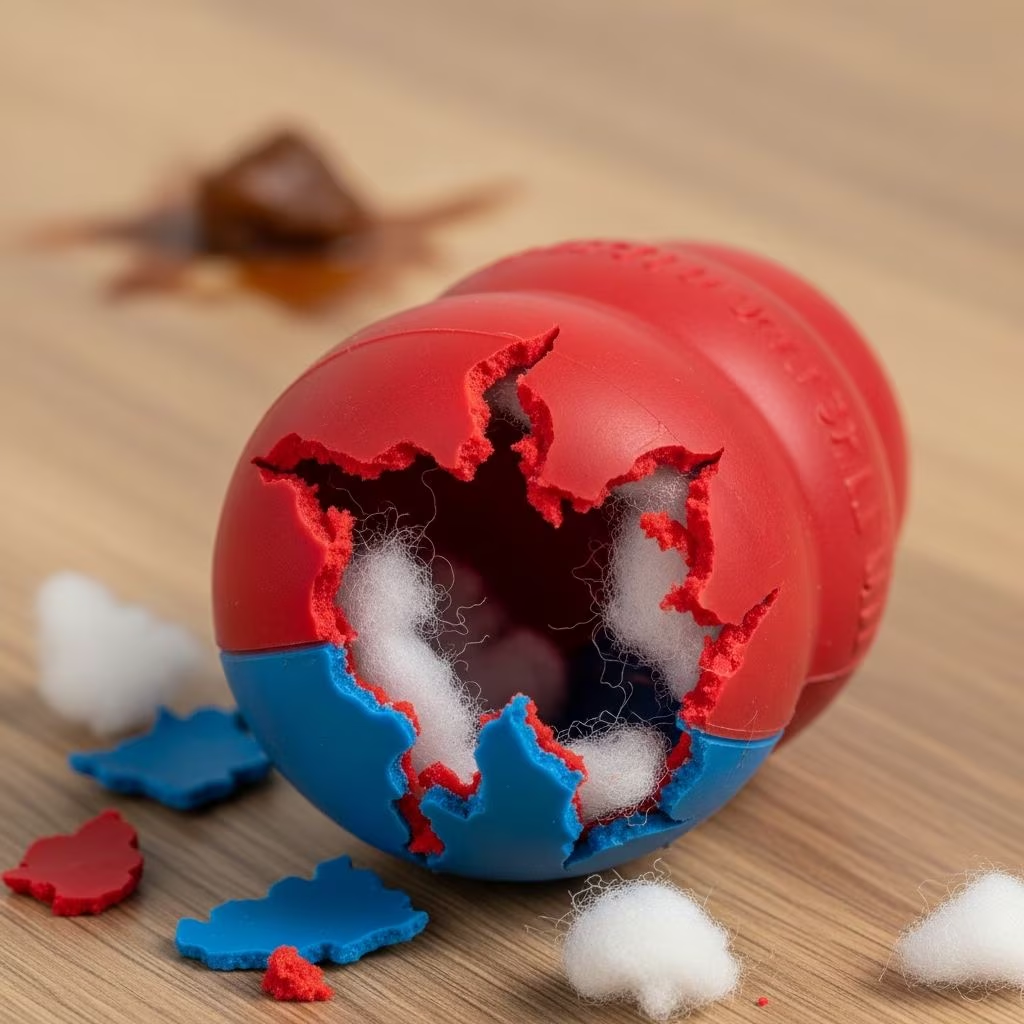
- Structural failures: Brittle rubber cracks, creating sharp edges that lacerate mouths or are swallowed, risking blockages.
How to use a stuffable dog toy safely
Safety starts with selection and supervision. Always inspect toys before purchase: flip them over to confirm the small air hole exists and is unobstructed. Reputable brands like KONG incorporate this feature standardly, but verify even with them—manufacturing variances occur. Avoid no-name imports sold online without physical inspection.
Proper filling technique is crucial, especially for frozen treats. Insert a chopstick, skewer, or straw through both holes while packing in food to maintain an airway channel. Remove the tool just before handing it to your dog. This prevents accidental blockage during freezing expansion.
N ever leave your dog unsupervised with these toys. Panic-induced injuries amplify risks; your presence allows calm intervention. If a tongue sticks:
- Stay composed and reassure your dog to minimize thrashing.
- Warm the toy’s rubber with a warm (not hot) towel to expand it slightly.
- Gently work the tongue free if possible; avoid pulling.
- If unsuccessful or distress escalates, seek emergency vet care immediately for sedation, pain relief, and safe removal.
Regular checks matter too. Discard toys showing cracks, wear, or residue buildup. Match toy size to dog: small toys for small breeds, larger for power chewers.
Other hidden dangers in dog toys
Fillable toys aren’t the only culprits. Many chew toys harbor risks from materials, design, and durability. Veterinary literature highlights common hazards beyond vacuum seals.
| Toy Type | Risks | Safe Alternatives |
|---|---|---|
| Rawhide chews | Choking on large pieces; GI blockages as they swell in stomach. | Dehydrated sweet potato or bully sticks (supervised). |
| Cooked bones/antlers | Tooth fractures; splinters cause punctures. | Synthetic rubber toys passing thumbnail test. |
| Rope toys | Frayed fibers lead to linear obstructions, constricting intestines. | Supervised tug only; discard frayed ones. |
| Plush/stuffed toys | Ingested stuffing causes blockages; squeakers pose choking hazard. | |
| Plastic/vinyl toys | Sharp breaks lacerate mouth; toxins like phthalates leach out. | Natural rubber or BPA-free certified toys. |
Hardness is key: apply the thumbnail test—if you can’t dent it with your nail, it’s too hard and risks slab fractures in teeth, costing thousands in repairs.
Toxicants abound in low-quality imports. Phthalates in soft vinyl disrupt hormones, especially risky for puppies. Heavy metals like cadmium (carcinogenic) and chromium damage nerves, heart, and lungs. Formaldehyde in glues irritates skin and airways. Opt for toys labeled non-toxic, from trusted brands.
Recognizing toy-related injuries
Early detection saves lives. Watch for:
- Oral signs: Drooling, pawing at mouth, blood-tinged saliva, reluctance to eat.
- Behavioral changes: Whining, pacing, hiding—indicating pain or distress.
- GI symptoms: Vomiting, diarrhea, abdominal pain, or constipation from blockages.
- Dental issues: Loose teeth, fractures visible on exam.
If suspected, withhold food and contact your vet promptly. X-rays may reveal foreign bodies; surgery is common for obstructions.
Choosing safe, enriching alternatives
Not all toys are risky. Prioritize durable, non-toxic options:
- Brand-name fillables: KONG Classic, verified with dual holes.
- Natural rubber: Avoid TPR if uncertified; prefer food-grade silicone.
- Puzzle toys: West Paw Zogoflex—tough, recyclable, guaranteed against chewing through.
- Frozen carrots or ice cubes: Low-cost, safe lickables.
- Wooden chews: Olive wood, naturally antimicrobial.
Enrichment extends beyond toys: scent games, training sessions, or flirt poles provide stimulation without ingestion risks.
Frequently Asked Questions (FAQs)
What should I do if my dog’s tongue is stuck in a KONG toy?
Remain calm, warm the toy gently, and try to ease it off. If unsuccessful, rush to the vet for professional removal under sedation to prevent further injury.
Are all fillable toys dangerous?
No, but off-brands without the small air hole are. Always check for dual holes and supervise use.
How do I know if a toy is too hard for my dog?
Use the thumbnail test: if you can’t indent it, it’s too hard and could fracture teeth.
Can toxic toys make my dog sick immediately?
Symptoms vary—acute from choking/trauma, chronic from toxins like heavy metals affecting organs over time.
Is rawhide safe in small pieces?
No; even small pieces swell and block intestines. Avoid entirely.
By choosing wisely and supervising play, you can enrich your dog’s life safely. Prevention trumps treatment—inspect toys regularly and heed vet advice for a healthier, happier pup.
References
- I’m a Vet and I Would Never Leave My Dog Unsupervised With This Toy — Kinship (Dr. Josephine Corrick, BVMSci, BSc, MRCVS). 2023. https://www.kinship.com/uk/dog-health/fillable-dog-toy-dangers
- Pet Chew Toys—The Good, the Bad, and the Ugly — Twin Maples Vet Hospital. 2023. https://twinmaplesvethospital.com/pet-chew-toys-the-good-the-bad-and-the-ugly/
- Dangerous Dog Toys: What to Avoid, From Toxic Materials to Unsafe Designs — Rover.com. 2024. https://www.rover.com/blog/toxic-pet-toys-beds-safety-guide/
- Chew Toy Danger Zone: The Hidden Risks in Your Dog’s Toy Basket — Low Cost Vet Mesa. 2023. https://lowcostvetmesa.com/chew-toy-danger-zone-the-hidden-risks-in-your-dogs-toy-basket/
- Hidden Hazards: A Guide To The Potential Dangers Of Pet Toys — Texas A&M University College of Veterinary Medicine & Biomedical Sciences. 2023. https://vetmed.tamu.edu/news/pet-talk/pet-toy-dangers/



