

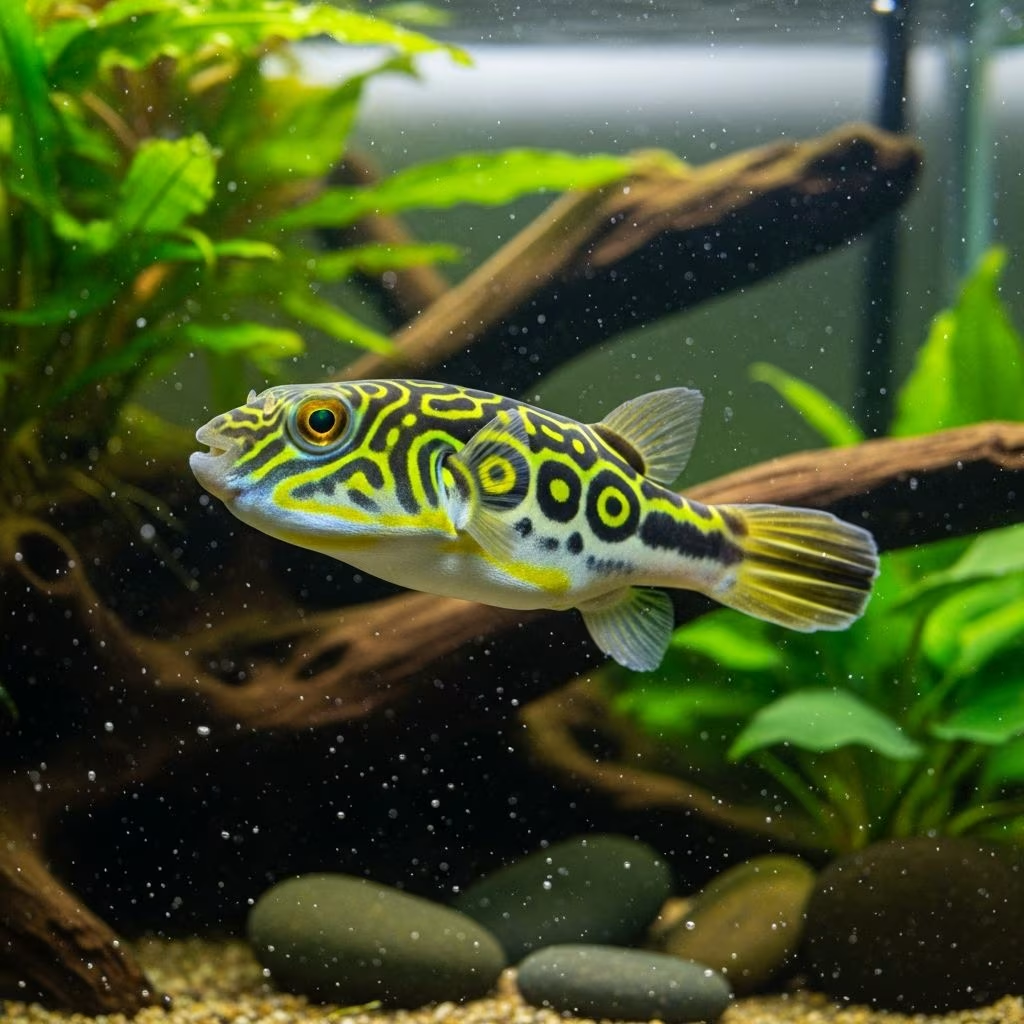
Figure 8 Pufferfish Care Tips: A Complete Guide
The Figure 8 Puffer (Tetraodon biocellatus) is a fascinating and intelligent freshwater to brackish water fish that has captured the hearts of aquarium enthusiasts worldwide. Named for the distinctive figure-eight markings on their bodies, these small but charismatic puffers make excellent additions to specialized aquarium setups. However, keeping Figure 8 puffers requires specific knowledge about their habitat needs, dietary requirements, and behavioral patterns. This comprehensive guide will walk you through everything you need to know to successfully care for these remarkable fish.
Tank Size and Setup Requirements
Proper tank sizing is fundamental to the health and happiness of your Figure 8 puffers. A minimum tank size of 20 gallons is recommended for a single puffer fish. If you wish to keep more than one Figure 8 puffer, you should add an additional 15 gallons (57 liters) per additional fish to minimize territorial aggression and provide adequate space for each individual to establish its own territory.
The tank must feature a secured lid, as these curious and intelligent creatures can be escape artists. Puffers are known to be clever and will explore every inch of their environment, so a properly fitted hood is essential for their safety. The substrate should consist of sand with pH buffering properties, such as aragonite sand, which helps maintain stable water conditions while providing a natural appearance that these fish appreciate.
Tank decorations play a crucial role in the wellbeing of Figure 8 puffers. Since these fish are highly intelligent and easily bored, they require cave-like structures and various hiding spots throughout the tank. Driftwood, rocks, and plastic plants not only provide enrichment but also help break your line of sight, which is particularly important if you’re keeping multiple puffers as it minimizes aggressive interactions. Live plants such as Java Fern and Anubias can also survive in brackish conditions and create shaded areas where your puffers can retreat.
Water Parameters and Environmental Conditions
Understanding and maintaining proper water parameters is critical for Figure 8 pufferfish health. These fish thrive in a brackish environment, which is saltier than freshwater but less saline than full saltwater. While these puffers can technically adapt to freshwater, they are significantly more susceptible to diseases, particularly external parasites like Ich and Oodinium, when kept in purely freshwater conditions. For optimal health and longevity, brackish water is strongly recommended.
Maintain a specific gravity (SG) between 1.005 and 1.015 to properly mimic their natural habitat. Many experienced keepers maintain their Figure 8 puffers at around 1.008 SG. If transitioning your puffers from freshwater to brackish water, start at a lower specific gravity like 1.008 and gradually increase it by approximately 0.001 per month until you reach your target level. This gradual acclimation helps the fish adjust without experiencing stress-related health issues.
The recommended pH range for Figure 8 puffers is 6.5 to 8.0, providing flexibility in your setup. Water hardness should be maintained between 7 and 16°N (125-285.71 ppm). Temperature is another critical parameter—maintain water temperatures between 22 and 27°C (71.6 to 80.6°F). Most experienced keepers keep their puffers in the higher 70s Fahrenheit, typically around 78°F, which falls comfortably within the recommended range and promotes optimal health.
Strong filtration is absolutely essential, as Figure 8 puffers are notoriously messy eaters that produce significant waste. Both an internal filter like an Aquaclear and a supplemental sponge filter work well together. Perform regular water maintenance: conduct a 10% water change weekly or a 25% water change every two weeks. Always treat tap water with an aquarium water conditioner before adding it to your tank to remove chlorine and other harmful chemicals.
Feeding and Nutrition
Figure 8 puffers are carnivorous fish requiring a protein-rich diet consisting primarily of meaty foods. One of the most distinctive characteristics of puffers is their continuously growing beak-like teeth, similar to a parrot’s beak. Providing hard-shelled and crunchy foods is not just beneficial—it’s essential for maintaining proper tooth length. Overgrown teeth will eventually prevent your puffer from eating, leading to starvation and death if not addressed.
Your puffers’ diet should include a variety of nutritious options. Ramshorn snails serve as an excellent staple food, providing both nutrition and natural tooth maintenance. Other suitable foods include bloodworms, brine shrimp, small crustaceans, cockles, and shrimp. Rotating between different food types ensures your puffers receive balanced nutrition and prevents dietary boredom. Hard-shelled foods like clams, shell-on shrimp, and small crabs are particularly beneficial for tooth maintenance.
Feeding frequency depends on the age of your fish. Juvenile Figure 8 puffers should be fed 2-3 times daily in small portions. Adult puffers typically require feeding once daily or every other day, with some keepers feeding once daily and skipping a meal weekly to support healthy digestion. Feed your puffers until their belly is slightly rounded, then stop—never overfeed, as obesity and poor water quality can result from excess food. The variety and rotation of foods should be prioritized to maintain interest and ensure comprehensive nutrition.
Temperament and Behavior
Figure 8 puffers possess remarkable intelligence and curious personalities that make them engaging pets. These fish will recognize their owner’s face and feeding routine over time, often becoming active when you approach the tank. However, this intelligence comes with a caveat: they exhibit semi-aggressive and territorial behavior that must be carefully managed.
While some keepers have successfully maintained multiple Figure 8 puffers in larger tanks with adequate space and visual barriers, they are generally best kept singly or in species-only tanks. Their temperament toward other fish includes fin nipping and harassment of smaller or slower-moving tankmates, making them unsuitable for community tanks with delicate or long-finned fish species. Provide ample space and visual barriers created through decorations and plants to minimize aggression between individuals.
Glass surfing—where puffers swim repeatedly against the tank glass—is typically a sign that your fish is either bored or stressed. Ensure your setup includes adequate enrichment through decorations, hiding spots, and environmental stimulation. Healthy Figure 8 puffers are active and inquisitive, constantly exploring their territory. A sleeping puffer will tuck its fins and rest on the substrate, in caves, or on other surfaces.
Monitor your puffers for signs of illness or stress, which may manifest as unusual behavior, odd activity, inactivity, or dark coloration. If you notice these symptoms, check your water parameters first. Poor water quality is often the culprit. If parameters are appropriate, you can begin ruling out diseases and investigating other potential stressors.
Breeding in Captivity
Breeding Figure 8 puffers in captivity is rare but achievable with proper dedication and understanding of their reproductive behavior. During the breeding process, the male creates a small depression or selects a flat surface such as a plant leaf or rock for egg deposition. After the female lays her eggs, the male guards and fans them meticulously to ensure proper oxygenation and protect them from fungal infections.
Eggs typically hatch within 5 to 7 days under optimal conditions. The challenging phase begins with raising the fry, which are incredibly tiny and require live foods such as rotifers or infusoria during their initial growth stages. Maintaining pristine water conditions and minimizing stress is absolutely essential for breeding success, as even minor environmental fluctuations can cause breeding attempts to fail or result in fry mortality.
Lifespan and Long-Term Care
With proper care and attention to their specific requirements, Figure 8 puffers can live up to 5 years in captivity. Achieving this lifespan requires maintaining a brackish environment, providing a varied and nutritious diet, and ensuring stress-free surroundings. Regular monitoring of water parameters, consistent feeding routines, and appropriate tank mates (or keeping them singly) all contribute to longevity and overall quality of life.
Frequently Asked Questions
Q: Can Figure 8 puffers live in freshwater?
A: While Figure 8 puffers can technically survive in freshwater, particularly during their juvenile stages, they are significantly more susceptible to diseases when kept this way. Brackish water is strongly recommended for optimal health and disease prevention.
Q: How often should I feed my Figure 8 puffer?
A: Juveniles should be fed 2-3 times daily in small portions. Adult puffers typically require once-daily feeding, with many keepers skipping one meal per week to support digestion.
Q: What happens if a Figure 8 puffer’s teeth become overgrown?
A: Overgrown teeth prevent the puffer from eating, which can lead to starvation and death. Providing hard-shelled, crunchy foods prevents this condition. In cases where teeth have become overgrown, manual trimming by a veterinarian experienced with fish may be necessary.
Q: Can I keep multiple Figure 8 puffers together?
A: While some keepers have successfully kept multiple puffers together in larger tanks with adequate space and visual barriers, they are generally best kept singly or in species-only setups due to their territorial nature.
Q: What is the ideal tank size for a Figure 8 puffer?
A: A minimum of 20 gallons is recommended for a single puffer. Add an additional 15 gallons per additional fish if keeping multiples.
Q: What specific gravity should I maintain for Figure 8 puffers?
A: Maintain a specific gravity between 1.005 and 1.015, with many experienced keepers keeping their puffers at approximately 1.008 SG.
References
- Figure eight puffer – Tetraodon biocellatus — Aqua-Fish.Net. Accessed November 28, 2025. https://en.aqua-fish.net/fish/figure-eight-puffer
- Freshwater Puffer Care Guide — Aqueon. Accessed November 28, 2025. https://www.aqueon.com/resources/care-guides/freshwater-puffer
- Figure 8 Puffer Tank Setup and Care — The Puffer Forum. Accessed November 28, 2025. https://www.thepufferforum.com/forum/viewtopic.php?t=35361



