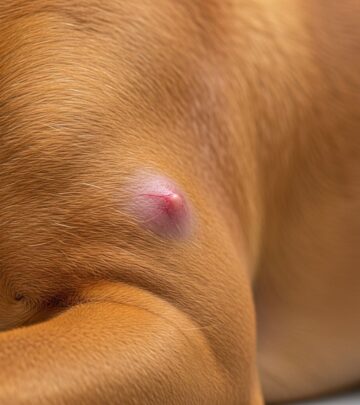
Fight Wound Infections in Cats
Learn how to prevent and treat cat wound infections effectively.
Understanding Wound Infections in Cats
Cats are curious and active animals that frequently find themselves in situations where they may sustain injuries. Whether from fights with other animals, scratches, or accidents, wounds on cats can quickly become infected if not properly treated and monitored. Wound infections in cats are a common concern for pet owners, and understanding how they develop, their signs, and treatment options is essential for maintaining your cat’s health and well-being.
A cat’s wound can become infected within hours of injury if bacteria and other pathogens enter the damaged tissue. The warm, moist environment within a wound provides an ideal breeding ground for harmful microorganisms. Additionally, cats have a natural instinct to lick or chew at their injuries, which can introduce more bacteria and further contaminate the wound. This is why prompt intervention and proper wound care are critical components of preventing serious infections.
Common Causes of Cat Wounds
Understanding what causes wounds in cats can help pet owners take preventative measures. The most common causes of feline wounds include:
- Fight wounds from encounters with other cats or animals
- Scratches and puncture wounds from sharp objects
- Surgical incisions that may become contaminated
- Bite wounds from insects or other animals
- Lacerations from accidents or trauma
- Abrasions from rough surfaces
Fight wounds are particularly concerning because they typically involve puncture wounds that can trap bacteria deep within the tissue, making them difficult to clean and prone to abscess formation.
Types of Wound Infections
When a cat’s wound becomes infected, it can manifest in different forms depending on the severity and location of the injury. Understanding these distinctions helps veterinarians determine the appropriate treatment approach.
Abscesses
An abscess is a localized collection of pus that forms when the body’s immune system attempts to wall off an infection. In cats, abscesses commonly develop from bite wounds or puncture injuries. The abscess creates a pocket of infected material that can become quite painful. If left untreated, an abscess can rupture and spread the infection to surrounding tissues.
Cellulitis
Cellulitis represents a spreading bacterial infection of the skin and underlying tissues. Unlike an abscess, which is localized, cellulitis causes widespread inflammation and can be more difficult to treat. This condition typically requires immediate veterinary attention as it can rapidly spread throughout the body.
Signs and Symptoms of Wound Infection
Pet owners should be vigilant in watching for signs that a wound may be becoming infected. Early detection significantly improves treatment outcomes and reduces the risk of serious complications. Common signs of wound infection in cats include:
- Increased redness or swelling around the wound
- Discharge of pus or unusual fluid from the wound
- Warmth around the injured area
- Foul odor emanating from the wound
- Fever or elevated body temperature
- Lethargy or decreased activity levels
- Loss of appetite
- Excessive licking or chewing at the wound
- Visible abscesses or lumps near the injury
If you notice any of these symptoms, contacting your veterinarian promptly is essential. Antibiotics given within 24 hours will often stop the spread of infection and may prevent the development of an abscess, making timely intervention crucial.
Initial Wound Care and First Aid
Before professional treatment, proper first aid can help prevent infection and minimize complications. Understanding the correct steps to take immediately after discovering a wound is important for all cat owners.
Control Bleeding
If your cat’s wound is actively bleeding, the first priority is to slow the blood flow. Apply direct pressure to the wound using a clean cloth or sterile gauze for approximately 5 to 10 minutes until the bleeding subsides. If the bleeding does not stop after this period, seek emergency veterinary care immediately, as this may indicate a serious injury.
Flush the Wound
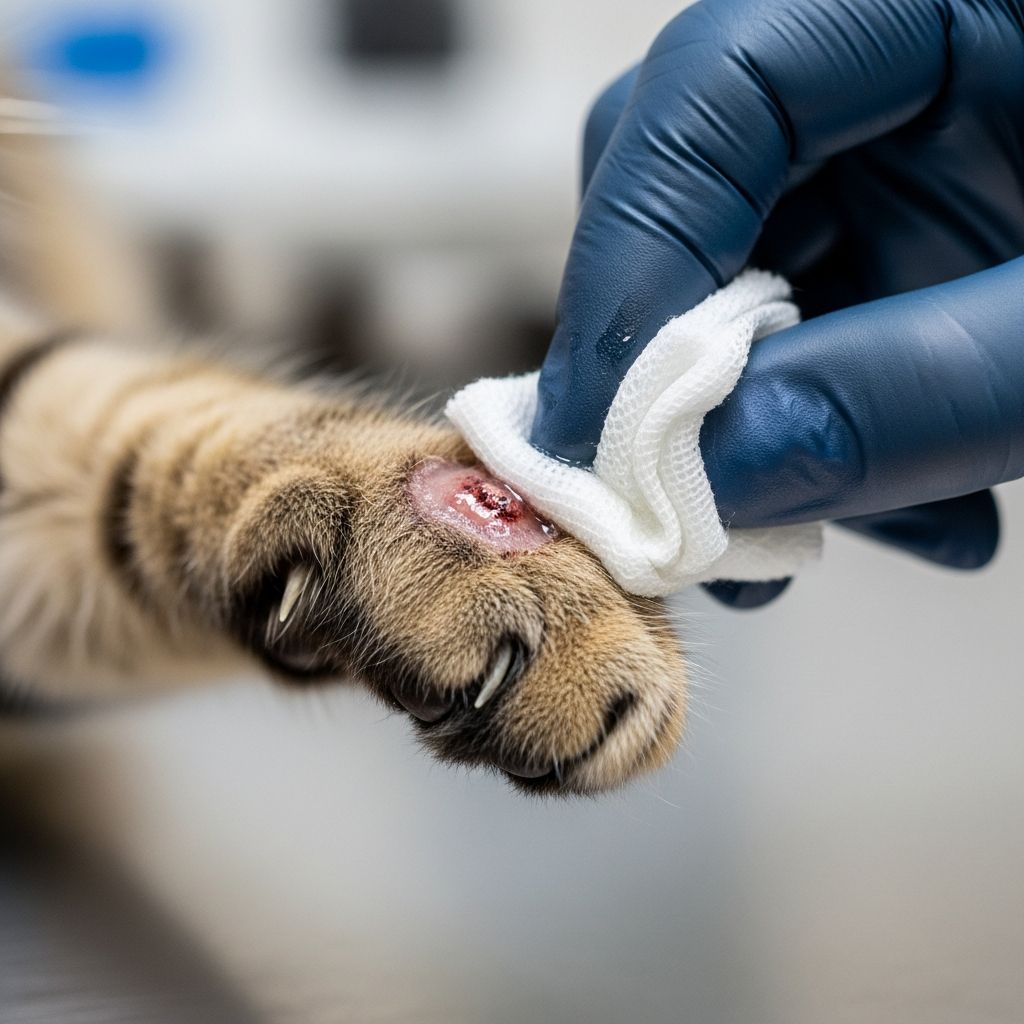
For minor wounds, gentle cleaning is important. You can flush the wound using sterile saline solution, tap water, or a weak iodine solution. The goal is to wash away dirt, hair, and debris while reducing bacterial contamination. Use a soft cloth and avoid rubbing the wound, as this can cause additional tissue damage. Remove any fur surrounding the wound by carefully clipping it with sterilized scissors or by having your veterinarian do this professionally.
Avoid Harmful Products
Many common household products should never be used on cat wounds. Never use hydrogen peroxide for cleaning, as it will delay healing and can worsen the problem. Additionally, avoid alcohol, tea tree oil, and disinfectants containing phenols, as these are toxic to cats and can cause significant tissue damage. These products can be painful when applied and may cause more damage to already fragile tissue.
Apply Antimicrobial Treatment
After thoroughly assessing and cleaning the wound, apply an antimicrobial hydrogel specifically designed for cats, such as Vetericyn Plus Feline Antimicrobial Hydrogel. This product helps speed up healing and prevents infection without causing damage to healthy tissue. Follow the product instructions carefully and reapply as directed.
How Veterinarians Treat Cat Fight Wounds
Professional veterinary treatment for infected wounds is often necessary and may involve several different approaches depending on the severity of the infection and the type of wound present.
Drainage and Flushing
If an abscess is present, your veterinarian will need to drain and flush the injured site to remove the accumulated pus and dead tissue. This procedure may be done by removing the scabs over the original bite wounds or, more commonly, by carefully lancing the skin over the abscess. In many cases, sedation or anesthesia is necessary to keep your cat calm and comfortable during this procedure. If cellulitis is present instead of an abscess, drainage is typically not possible, and treatment focuses on systemic antibiotics.
Antibiotic Therapy
Antibiotics are a cornerstone of treating bacterial wound infections in cats. Your veterinarian may prescribe medications such as ampicillin, amoxicillin-clavulanate, cefazolin, or cefovecin. If antibiotic tablets are prescribed, it is extremely important that you administer all tablets exactly as directed, even if your cat appears to be improving. Completing the full course of antibiotics helps ensure that the infection is completely eradicated and reduces the risk of antibiotic resistance.
Pain Management
Infected wounds are painful, and your veterinarian may prescribe pain medications to keep your cat comfortable during the healing process. These medications help reduce suffering and may also encourage your cat to move normally, which promotes circulation and healing.
Advanced Surgical Techniques
For large or severe abscesses, your veterinarian may recommend a technique called debridement. This procedure involves removing all affected tissues, including any inflamed tissues that have walled off the abscess from the rest of the body. The resulting clean wound is then closed with sutures. In some situations, your veterinarian may also place a surgical drain in the wound to allow any discharges to escape during the healing process. This drain must be kept clean and may need to be cleaned twice daily for two to five days, or until it is removed.
Post-Treatment Care and Monitoring
After your cat receives professional treatment for a wound infection, diligent home care is essential for a full recovery.
Daily Wound Inspection
Inspect the wound daily and watch for any signs of inflammation, infection, or other complications. The presence of pink, moist granulation tissue indicates normal healing. Any tissue that appears dead or discolored may need to be surgically removed.
Preventing Self-Trauma
Cats have a strong urge to lick and chew at their wounds, which can disrupt healing and reintroduce bacteria. Using an Elizabethan collar (e-collar or cone) is often necessary to prevent your cat from accessing the wound. Ensure the collar fits properly and that your cat can still eat and drink comfortably.
Drain Care
If your veterinarian has placed a surgical drain, you will need to clean the drainage holes twice per day for two to five days, or until the drain is removed. Follow your veterinarian’s specific instructions for cleaning the drain site.
Suture Removal
Once the tissues have completely healed, which usually takes about two weeks, any remaining sutures will be removed during a follow-up veterinary visit. Do not attempt to remove sutures at home, as this can disrupt the healing process.
Prevention Strategies
While not all cat injuries can be prevented, several strategies can significantly reduce the risk of wounds and subsequent infections:
- Keep your cat indoors to reduce exposure to fighting and trauma
- Ensure your cat is up-to-date on vaccinations, including rabies
- Maintain a clean living environment to reduce bacterial exposure
- Regularly inspect your cat’s body for any signs of wounds or injury
- Provide appropriate toys and enrichment to prevent stress-related behaviors
- Keep your cat’s claws trimmed to prevent self-inflicted injuries
- Address any signs of illness or injury promptly
When to Seek Emergency Veterinary Care
Certain situations warrant immediate emergency veterinary attention. Do not wait if your cat experiences:
- Severe bleeding that does not stop after 10 to 15 minutes of pressure
- Large or deep wounds that may require stitches
- Signs of infection such as fever, lethargy, or loss of appetite
- Wounds with extensive debris or contamination
- Any bite wounds, especially from unknown animals (rabies risk)
- Difficulty moving or paralysis associated with the wound
- Visible signs of an abscess or severe swelling
Frequently Asked Questions About Cat Wound Infections
Q: How long does it take for a cat wound to heal after treatment?
A: Most cat wounds heal completely within two to three weeks with proper care. However, deeper wounds or those with complications may take longer. Your veterinarian will determine when sutures can be safely removed.
Q: Can I treat my cat’s wound infection at home without visiting the veterinarian?
A: While minor wounds can be managed at home with proper cleaning and monitoring, infected wounds require professional veterinary care. Antibiotics prescribed by a veterinarian are often necessary to prevent serious complications.
Q: What should I do if my cat keeps licking the wound?
A: Use an Elizabethan collar to prevent your cat from accessing the wound. This device prevents licking and chewing while allowing your cat to eat and drink normally. Your veterinarian can help you find a properly fitting collar for your pet.
Q: Is it normal for a cat wound to have some discharge?
A: Some clear or slightly pink discharge is normal during healing. However, thick, foul-smelling pus or excessive discharge indicates infection and requires immediate veterinary attention.
Q: How can I help my cat stay comfortable during wound healing?
A: Follow your veterinarian’s prescribed pain medication schedule, keep the wound clean and protected, maintain a quiet environment, and provide extra attention and comfort to your cat during recovery.
Q: What products are safe to use for cleaning cat wounds?
A: Sterile saline solution, tap water, and weak iodine solutions are safe for cleaning minor wounds. Always avoid hydrogen peroxide, alcohol, phenol-containing disinfectants, and tea tree oil, as these can harm cats.
Q: Should my cat be vaccinated after a bite wound?
A: If the bite is from an unknown animal, your cat may need a rabies booster vaccine. Discuss this with your veterinarian immediately after the injury, as post-exposure prophylaxis may be recommended.
References
- Fight Wound Infections in Cats — VCA Animal Hospitals. 2024. https://vcahospitals.com/know-your-pet/wounds-fight-wound-infections-in-cats
- Dog and Cat Bites — American Academy of Family Physicians. 2014-08-15. https://www.aafp.org/pubs/afp/issues/2014/0815/p239.html
- Wound Care For Cats: How to Care For Your Cat During Recovery — PetMD. 2024. https://www.petmd.com/cat/general-health/wound-care-for-cats-how-to-help-your-cat
- Cat Wound Care — Creature Comforts Veterinary Hospital. 2023-12-27. https://www.ccvhankeny.com/site/blog/2023/12/27/cat-wound-care
- Preventing Animal Wound Infections: Everything You Need To Know — Vetericyn. 2024. https://vetericyn.com/blogs/blog/preventing-animal-wound-infections-everything-you-need-to-know
Similar Articles








Read full bio of medha deb