Fictitious Birds Should Eat Healthy Too
Ensuring virtual and real pet birds receive proper nutrition through media awareness.
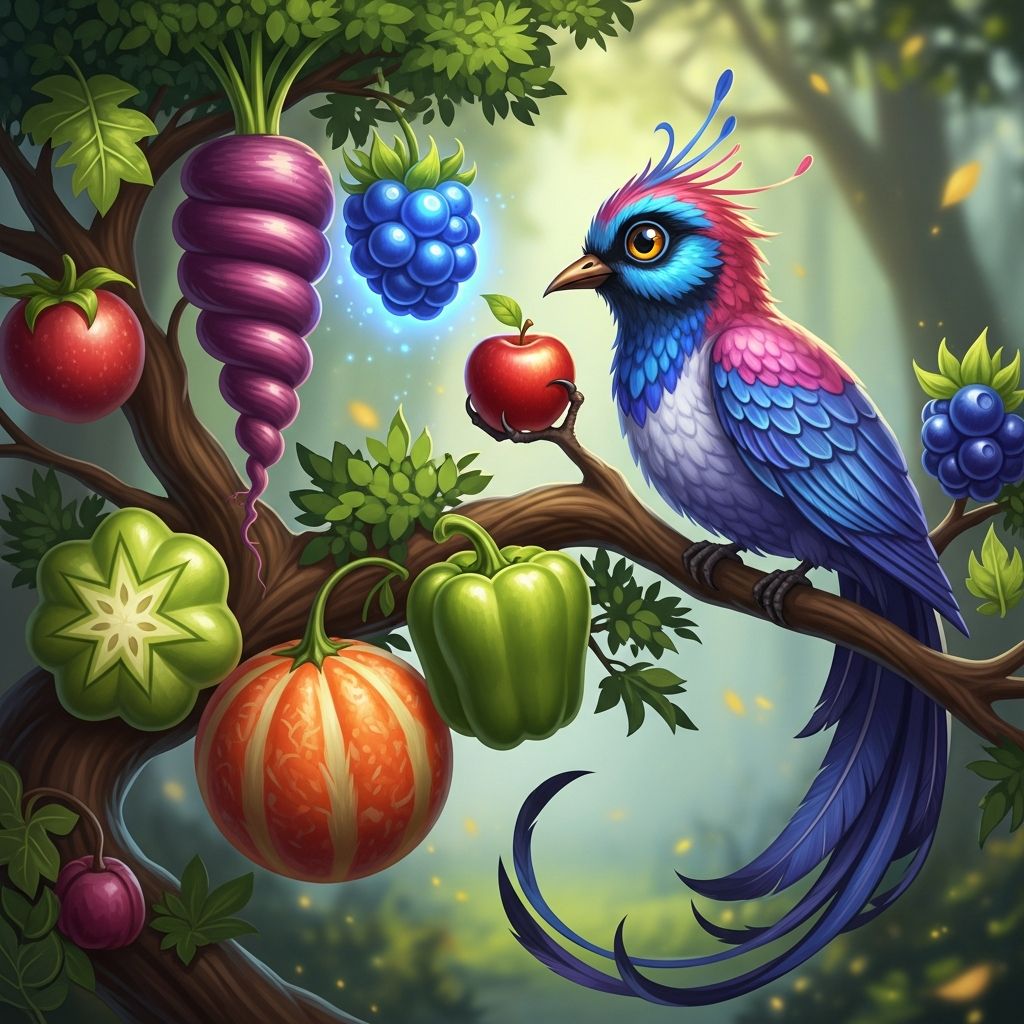
When we encounter bird characters in popular media, from blockbuster animated films to widely-played online games, we rarely stop to consider the nutritional accuracy of what these fictional creatures are consuming. However, the food choices depicted for animated and virtual birds matter far more than we might initially think. These representations can subtly influence young viewers and players, shaping their understanding of proper pet bird nutrition and care. As responsible content creators and consumers, we must advocate for accurate dietary portrayals that reflect real-world avian nutritional needs.
The Minecraft Parrot Controversy
Minecraft, the massively popular online sandbox game that has captivated millions of players worldwide, recently introduced a significant dietary error that caught the attention of bird-conscious gamers. The game features four types of tameable parrot characters that can be obtained through gameplay, but the method for acquiring these virtual birds raised serious concerns about avian health and safety.
The Chocolate Chip Cookie Problem
In the original Minecraft mechanics, players were required to feed parrot characters chocolate chip cookies to tame them. This seemingly innocent game mechanic created a problematic representation of bird nutrition. Chocolate is well-documented as toxic to parrots and can cause serious health complications in real birds, including digestive upset, cardiac issues, and neurological problems. When parrot-knowledgeable players discovered this inaccuracy, they raised valid concerns about the potential negative influence on younger gamers.
One concerned community member eloquently captured the issue, noting the risk that young children playing Minecraft might attempt to replicate these game mechanics with real pets. A six-year-old player who has spent hours feeding virtual parrots chocolate chip cookies in-game might naturally assume this would be appropriate nourishment for a family pet. This disconnect between virtual entertainment and real-world consequences posed a genuine educational risk.
Mojang’s Positive Response
To the credit of Mojang AB, the company responsible for Minecraft, developers took this feedback seriously. Rather than dismissing the concerns as overly pedantic, Mojang acknowledged the issue and committed to implementing a change. The chocolate chip cookies were replaced with a healthier alternative, demonstrating that game developers can and should prioritize accuracy in pet care representations. This decision set an excellent precedent for other media producers to consider nutritional accuracy in their animal-related content.
The replacement with a more appropriate bird food option serves as a teaching moment for the millions of young players who engage with the game daily. When children see their virtual pets thriving on proper nutrition, it reinforces correct expectations about animal care in the real world.
Problematic Bird Nutrition in Movies
While Minecraft’s correction was commendable, animated films and mainstream movies have long perpetuated inaccurate dietary representations for bird characters. These visual depictions reach even broader audiences and often establish persistent cultural impressions about how birds should be fed.
The “Up” Example
Pixar’s acclaimed animated film “Up” (2009) earned tremendous recognition, including Oscars for Best Animated Feature and Best Original Score. The film is celebrated for its emotional storytelling and stunning animation. However, bird enthusiasts couldn’t help but notice a dietary concern within the movie’s narrative. The film features bird characters being depicted with food choices that don’t align with proper avian nutrition. While well-intentioned as a family entertainment piece, the movie unfortunately reinforces misconceptions about what birds eat, potentially influencing children’s understanding of appropriate bird care.
The “Rio” Controversy
Similarly, the 20th Century Fox animated film “Rio” (2011) features a beloved parrot protagonist named Blu who, in a memorable scene, enjoys hot chocolate as part of his morning routine. While this detail adds charm and anthropomorphic personality to the character, it presents a serious misrepresentation of parrot nutrition. Hot chocolate, like chocolate in any form, is toxic to parrots and should never be offered to real birds. The film’s depiction normalizes this dangerous feeding practice for young viewers who may attempt to replicate it with actual pet birds.
These movie portrayals are particularly concerning because animated films have considerable influence on children’s perception of animal care. When beloved characters enjoy foods that are actually harmful to real birds, the line between fiction and reality can blur dangerously for young audiences.
Why Accurate Bird Nutrition Matters
The importance of accurate bird nutrition representation extends beyond mere pedantry. There are several critical reasons why media creators should prioritize nutritional accuracy:
Educational Influence on Young Viewers
Children absorb information from media at a fundamental level, often without critical filtering. When entertainment products depict animals being fed certain foods, children internalize these representations as normal and acceptable. Parents and educators cannot always monitor every piece of media a child consumes, making it crucial that content creators take responsibility for the accuracy of animal care information presented.
Real-World Pet Safety
Pet birds live for decades in many cases, with large parrots like macaws potentially living 45 years or more. A single feeding mistake influenced by media representation could compromise years of a bird’s life. When a child influenced by movie scenes attempts to feed their family’s pet bird chocolate or hot chocolate, the consequences can be serious and lasting.
Reinforcing Responsible Pet Ownership
Accurate media representation reinforces broader messages about responsible pet ownership. When animated characters and game mechanics model proper nutrition, they send the message that pets deserve thoughtful, research-based care rather than casual feeding based on convenience or aesthetics.
Healthier Alternatives for Fictional Birds
Rather than depicting birds consuming harmful foods, media creators could showcase nutritious options that reflect actual avian dietary needs. These alternatives would be equally engaging to audiences while providing accurate information:
Quality Pellet-Based Diets
Commercial pellet foods formulated specifically for pet birds represent the foundation of proper nutrition for captive birds. These pellets contain balanced vitamins, minerals, and nutrients specifically calibrated for bird digestive systems. Products like Nutri-Berries and similar pellet-based treats could feature prominently in media representations, normalizing their use among viewers.
Fresh Fruits and Vegetables
Colorful fresh produce offers visual appeal for media depictions while accurately representing proper bird nutrition. Berries, leafy greens, and fresh vegetables provide essential vitamins and hydration. These foods could make scenes equally engaging as problematic alternatives while teaching accurate information.
Seeds and Nuts in Moderation
While seeds and nuts should comprise only a portion of a bird’s diet, they could be featured in media in appropriate contexts, such as special treats or training rewards rather than primary food sources.
The Broader Impact of Media Accuracy
The movement toward accurate bird nutrition representation in media extends beyond individual safety concerns. It reflects a broader cultural shift toward responsible entertainment production that considers the collateral educational impact of fictional content.
Setting Industry Standards
When major studios and game developers implement accurate dietary representations, they establish industry norms. Other creators then feel pressure and motivation to meet these standards, creating a positive cascade effect throughout media production.
Partnering with Experts
Media producers can consult with avian veterinarians and bird nutrition specialists during creative development. This collaboration ensures that animal-related content is both engaging and accurate, requiring minimal creative compromise while maximizing educational value.
Educational Opportunities
Accurate media representations can be complemented with educational materials, behind-the-scenes content, or supplementary information that deepens children’s understanding of proper animal care. These resources transform entertainment into teaching tools.
Real Pet Bird Nutrition Standards
Understanding what real pet birds actually need helps highlight why fictional representations matter. Proper avian nutrition includes several key components that media could showcase:
Primary Diet Components
High-quality pellets should form the foundation of a captive bird’s diet, providing approximately 60-70% of daily nutrition. These should be complemented by fresh vegetables (approximately 20-25% of diet) and limited fresh fruits (approximately 5-10% of diet). This balanced approach ensures birds receive complete nutrition while maintaining healthy body weight.
Foods to Avoid
Beyond chocolate and caffeine, birds should never consume avocado, salt, fatty foods in excess, certain pesticide-laden produce, or foods designed for human consumption. By avoiding these items in fictional representations, media creators model responsible pet care.
Frequently Asked Questions
Q: Why is chocolate toxic to birds?
A: Chocolate contains theobromine and caffeine, compounds that birds metabolize differently than humans. Even small amounts can cause vomiting, diarrhea, hyperactivity, cardiac arrhythmias, and tremors in birds. Since birds have faster metabolisms, they’re particularly vulnerable to chocolate toxicity.
Q: Can birds have any chocolate at all?
A: No. There is no safe amount of chocolate for birds. Even trace amounts should be avoided entirely. Any exposure warrants a call to an avian veterinarian.
Q: Why don’t game developers and filmmakers know about bird nutrition?
A: Often, creative teams don’t prioritize animal nutrition accuracy during development. Adding nutritional consultants to production teams can prevent these oversights while maintaining creative freedom.
Q: How can I encourage accurate bird representation in media?
A: Contact creators directly with constructive feedback, support media with accurate animal representations, and share educational information with other pet owners and families.
Q: What should I do if my bird ate chocolate?
A: Contact an avian veterinarian or emergency animal hospital immediately. Provide information about the quantity and type of chocolate consumed. Quick veterinary intervention can prevent serious complications.
Conclusion
The seemingly small details in fictional media—what a virtual parrot eats in Minecraft or what an animated bird enjoys in a movie—carry real-world consequences. By advocating for accurate bird nutrition representation, we protect real animals from harm while establishing cultural norms around responsible pet care. Minecraft’s positive response to community feedback demonstrates that change is possible. As consumers of media, we have the power to demand better, and as creators, we have the responsibility to provide it. Every accurate representation of proper bird nutrition in media is a small victory for animal welfare and education.
References
- Fictitious Birds Should Eat Healthy Too — Lafeber Co. Pet Birds. https://lafeber.com/pet-birds/fictitious-birds-eat-healthy/
- Debunking Bird Care Myths Online – Separating Fact from Fiction in Pet Bird Care — PDS Parrot Shop. https://pdsparrotshop.com/blogs/pds-parrot-blog/social-media-misinformation-separating-fact-from-fiction-in-pet-bird-care
- Different Bird Food Types: Which Is Best for Your Bird? — Kwik Pets. https://www.kwikpets.com/blogs/bird/best-bird-food-types-choose-the-right-one
- Translating Parrot 14: Beyond the Bowl – Creating a Diet — Lafeber Pet Birds Webinar Series. https://www.youtube.com/watch?v=6dvXhUTmR0o
Similar Articles






Read full bio of Sneha Tete