
Fibrous Osteodystrophy: Comprehensive Guide For Veterinarians
Understanding bone weakening disease and treatment strategies in domestic and wild animals.
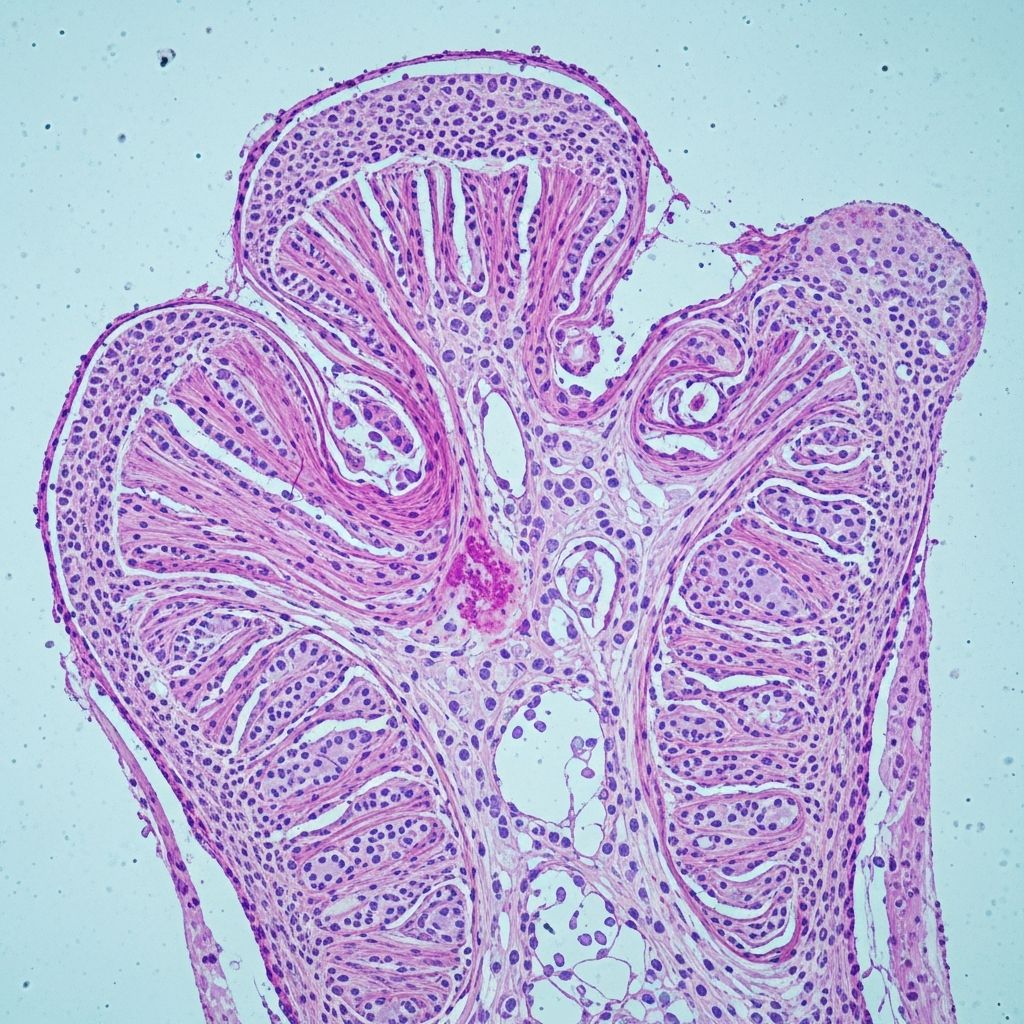
Fibrous osteodystrophy represents a significant musculoskeletal disorder affecting various animal species, characterized by the progressive degradation of bone quality and structural integrity. This condition involves the replacement of mineralized bone with fibrous connective tissue, fundamentally compromising skeletal strength and function. Understanding this disease is essential for veterinarians and animal caretakers, as early recognition and intervention can substantially improve patient outcomes and quality of life.
Defining the Condition and Its Pathophysiology
Fibrous osteodystrophy encompasses a spectrum of bone disorders resulting from abnormal mineral metabolism and hormonal dysregulation. The fundamental mechanism involves the resorption of calcium from bone matrices, leading to replacement by poorly mineralized tissue and fibrous connective structures. This pathological process affects the skeletal system broadly but manifests most prominently in weight-bearing bones and the craniofacial region.
The disease occurs along a spectrum of severity, ranging from subtle radiographic changes to severe skeletal deformities. The progression typically correlates with the duration and intensity of the underlying metabolic abnormality driving bone loss.
Primary Etiopathological Mechanisms
Fibrous osteodystrophy develops through two distinct pathways: primary hyperparathyroidism and secondary hyperparathyroidism. Each mechanism produces similar skeletal manifestations but requires different diagnostic and therapeutic approaches.
Primary Hyperparathyroidism
Primary hyperparathyroidism develops when parathyroid gland tissue malfunctions, producing excessive parathyroid hormone (PTH) independent of physiologic feedback mechanisms. This excessive hormone stimulates osteoclastic activity, promoting rapid bone resorption. The condition frequently stems from adenomatous or carcinomatous changes within parathyroid tissue, though hyperplastic changes may also occur.
Affected animals typically exhibit elevated serum calcium levels (hypercalcemia), reduced phosphate concentrations (hypophosphatemia), and markedly elevated PTH levels. The constellation of these biochemical abnormalities distinguishes primary hyperparathyroidism from other causes of hypercalcemia.
Secondary Hyperparathyroidism Associated with Renal Disease
Renal secondary hyperparathyroidism develops when compromised kidney function impairs phosphorus excretion and reduces production of the active vitamin D metabolite (calcitriol). Accumulating phosphorus stimulates PTH secretion as a compensatory mechanism, leading to chronic bone resorption. This form typically develops insidiously over extended periods, explaining why radiographic evidence of bone loss may be subtle in early stages.
Signs of renal insufficiency predominate in these cases, including vomiting, dehydration, increased water consumption, excessive urination, and general depression. Skeletal changes progress from minor alterations in early renal disease to severe osteodystrophy in advanced renal failure.
Nutritional Fibrous Osteodystrophy
Dietary imbalances represent a major cause of fibrous osteodystrophy, particularly in large animals and young growing animals consuming improperly formulated diets. Inadequate calcium intake, excessive phosphorus consumption, or vitamin D deficiency can trigger secondary hyperparathyroidism and subsequent bone loss. This form is entirely preventable through proper nutritional management.
Clinical Manifestations and Skeletal Involvement
The clinical presentation of fibrous osteodystrophy varies with disease severity and affected anatomical regions. Early-stage disease may produce subtle clinical signs, while advanced cases result in significant functional impairment.
Craniofacial Involvement
The skull and jaw represent particularly vulnerable sites for fibrous osteodystrophy manifestations. Facial bone thickening occurs due to replacement of normal compact bone with poorly mineralized woven bone and highly vascular fibrous tissue. This abnormal bone formation may narrow nasal passages and lead to partial airway obstruction.
The condition frequently produces severe dental complications, including tooth loosening and potential loss. Affected animals often develop an inability to close their mouths properly, a condition sometimes referred to as “rubber jaw.” Gingival ulceration commonly accompanies these oral changes, causing pain during eating and potentially leading to appetite suppression.
Systemic Skeletal Changes
Unlike localized disease, fibrous osteodystrophy affects bone throughout the skeleton. However, lesions demonstrate particular accentuation in cancellous bone regions, particularly in the skull and metaphyseal areas of long bones. Affected animals may exhibit:
- Lameness or reluctance to bear weight on affected limbs
- Generalized weakness and reluctance to move
- Difficulty rising or maintaining posture
- Apparent pain during locomotion
- Swelling of the jaws and facial regions
- Increased fragility and propensity for pathologic fractures
Constitutional Signs
Many affected animals display systemic signs including decreased appetite, lethargy, and apparent discomfort. These signs often reflect both the pain associated with skeletal involvement and potential metabolic derangements, particularly in cases secondary to renal disease.
Diagnostic Evaluation Strategies
Accurate diagnosis of fibrous osteodystrophy requires integration of imaging findings, laboratory assessment, and clinical evaluation. A systematic diagnostic approach helps distinguish primary from secondary causes and guides appropriate treatment planning.
Radiographic Assessment
Radiographs remain the primary imaging modality for confirming fibrous osteodystrophy. Affected bones demonstrate reduced radiodensity (osteopenia) and characteristic alterations in bone structure. The mandibles and maxillae often show coarse thickening from abnormal woven bone formation. Cancellous bone regions appear demineralized, while cortical bone thins progressively.
Serial radiographs help assess disease progression and response to therapy, making baseline imaging valuable for comparison purposes.
Laboratory Investigation
Comprehensive blood work forms an essential diagnostic component. Key parameters include:
| Parameter | Primary Hyperparathyroidism | Renal Secondary Hyperparathyroidism | Nutritional Type |
|---|---|---|---|
| Serum Calcium | Elevated | Variable | Reduced or normal |
| Serum Phosphorus | Reduced | Elevated | Variable |
| PTH Concentration | Markedly elevated | Elevated | Elevated |
| Kidney Function | Normal | Impaired | Normal |
PTH measurement using species-specific assays provides definitive confirmation of hyperparathyroidism. Normal reference ranges include approximately 20 ± 5 pg/mL in dogs and 17 ± 2 pg/mL in cats, though laboratory variation exists. Sensitive radioimmunoassays or immunoradiometric assays can measure intact PTH in serum or properly preserved plasma samples.
Ultrasonographic Evaluation
Parathyroid ultrasonography helps identify glandular enlargement or abnormalities in primary hyperparathyroidism cases. Enlarged glands may appear as hypoechoic nodules adjacent to the thyroid gland, assisting in surgical planning when parathyroidectomy is considered.
Treatment Approaches and Therapeutic Strategies
Management of fibrous osteodystrophy depends on identifying and addressing the underlying cause while providing supportive care to minimize pain and optimize skeletal recovery.
Medical Management of Primary Hyperparathyroidism
Surgical removal of abnormal parathyroid tissue (parathyroidectomy) remains the definitive treatment for primary hyperparathyroidism caused by adenomatous or carcinomatous changes. Preoperative stabilization often precedes surgery, particularly when severe hypercalcemia creates metabolic complications. Stabilization may involve hospitalization, intravenous fluid administration, and medications to normalize calcium levels and address electrolyte imbalances.
During surgical intervention, the veterinarian localizes and removes enlarged or abnormal parathyroid glands. All four glands may require examination to ensure no remaining pathologic tissue exists. Post-operative monitoring ensures calcium levels normalize and remain stable during long-term recovery.
Dietary Intervention in Renal and Nutritional Forms
Dietary modification represents the cornerstone of management for renal secondary hyperparathyroidism and nutritional fibrous osteodystrophy. Phosphorus-restricted diets reduce serum phosphorus concentrations, decreasing the stimulus for PTH secretion. When feasible, homemade diets formulated under veterinary nutritionist guidance allow precise control of calcium and phosphorus ratios.
Commercial diets formulated specifically for the affected species provide alternative options. The goal involves establishing calcium-to-phosphorus ratios that prevent abnormal mineral metabolism while meeting all other nutritional requirements.
Pharmacologic Supplementation
Vitamin D supplementation, particularly in the form of calcitriol (the active metabolite), can help normalize mineral metabolism. Calcitriol enhances intestinal calcium absorption and may suppress PTH secretion in some cases. However, careful monitoring is necessary to prevent excessive calcium levels, particularly in patients with concurrent renal disease and hyperphosphatemia.
Phosphate binders administered orally can reduce dietary phosphorus absorption, helping to normalize serum phosphorus concentrations in renal disease cases.
Pain Management and Supportive Care
Analgesic medications alleviate pain and discomfort associated with bone disease, improving appetite and activity levels. Physical rehabilitation therapy, including controlled exercise and passive joint mobilization, helps maintain muscle strength and joint flexibility during recovery.
Long-term Monitoring Requirements
Regular follow-up evaluations ensure therapeutic success and detect recurrence or progression. Periodic blood work assesses calcium, phosphorus, and PTH concentrations, while radiographic re-evaluation documents skeletal remineralization. Most animals require ongoing monitoring throughout their lives, with adjusted protocols based on individual response and underlying disease progression.
Prognosis and Recovery Considerations
Prognosis depends on disease cause, severity at diagnosis, and timeliness of intervention. Primary hyperparathyroidism cases treated surgically often show excellent long-term outcomes with normalized calcium metabolism and progressive skeletal remineralization. Animals with renal secondary hyperparathyroidism require lifelong management, with prognosis determined primarily by underlying renal function.
Early intervention in nutritional cases often produces dramatic improvement as dietary correction allows skeletal recovery. However, severe structural damage from prolonged disease may not fully reverse, potentially resulting in permanent dental loss or craniofacial deformities.
Frequently Asked Questions
- Can fibrous osteodystrophy be prevented?
- Yes, nutritional forms are entirely preventable through appropriate diet formulation. Ensuring adequate calcium intake, proper calcium-to-phosphorus ratios, and sufficient vitamin D prevents development in most cases.
- Is fibrous osteodystrophy painful?
- Yes, affected animals often experience significant pain from weakened bones, dental disease, and jaw involvement. Pain management is an important component of comprehensive treatment.
- How long does recovery take?
- Recovery timelines vary considerably based on disease severity and underlying cause. Some animals show improvement within weeks of treatment initiation, while others require months to achieve complete remineralization.
- Can lost teeth regenerate?
- No, permanent teeth cannot regenerate. Dental loss resulting from severe disease is irreversible, making prevention particularly important in young animals.
- Are certain breeds predisposed?
- While fibrous osteodystrophy can affect any animal, certain dog breeds including German Shepherds, Labrador Retrievers, and Golden Retrievers have higher reported incidence rates.
Conclusion
Fibrous osteodystrophy represents a serious but manageable musculoskeletal condition affecting animals across multiple species. Recognition of clinical signs, comprehensive diagnostic evaluation, and appropriate treatment based on underlying etiology optimize outcomes and improve quality of life. Close collaboration with veterinary professionals and adherence to recommended management protocols provide the best opportunity for successful disease management and skeletal recovery.
References
- Merck Veterinary Manual: Fibrous Osteodystrophy in Animals — Merck & Co., Inc. Retrieved February 2026. https://www.merckvetmanual.com/musculoskeletal-system/dystrophies-associated-with-calcium-phosphorus-and-vitamin-d/fibrous-osteodystrophy-in-animals
- Fibrous Osteodystrophy in Large Animals — College of Veterinary Medicine & Biomedical Sciences, Texas A&M University. https://vetmed.tamu.edu/news/pet-talk/fibrous-osteodystrophy/
- Understanding Rubber Jaw Syndrome (Fibrous Osteodystrophy in Pets) — Andy’s Vet Clinic. https://www.andysvetclinic.net/post/understanding-rubber-jaw-syndrome-fibrous-osteodystrophy-in-pets
- Clinicopathological Investigation of Nutritional Osteodystrophia — Rahman, A.T., et al. PubMed Central. 2023. https://pmc.ncbi.nlm.nih.gov/articles/PMC11127727/
Similar Articles








Read full bio of Sneha Tete


