

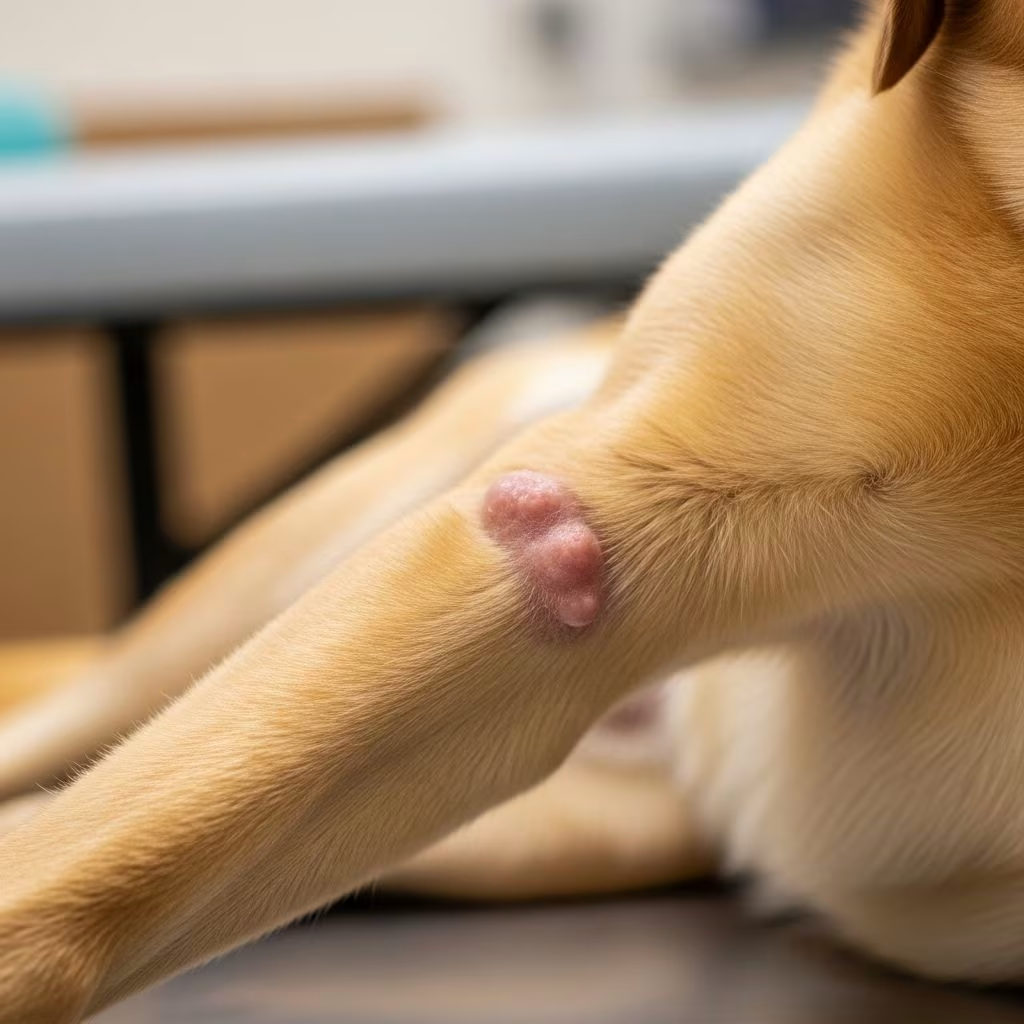
Fibrosarcoma and Spindle Cell Tumors in Dogs
Fibrosarcomas and spindle cell tumors represent a significant concern for dog owners, as these soft tissue sarcomas can develop in various locations throughout a dog’s body. Understanding these tumors, recognizing early warning signs, and knowing available treatment options can help pet owners make informed decisions about their dog’s health and care.
What is a Fibrosarcoma?
A fibrosarcoma is a malignant tumor that originates from fibrous connective tissue, making it one of the most common soft tissue sarcomas in dogs. These tumors are characterized by their invasive nature and tend to grow into surrounding tissues, making complete surgical removal challenging. Fibrosarcomas can occur in various locations on a dog’s body, including the skin, subcutaneous tissues, mouth, nasal cavity, and even bones.
Spindle cell tumors are another type of soft tissue sarcoma that shares similar characteristics with fibrosarcomas. These tumors are named for their appearance under the microscope, where the malignant cells have an elongated, spindle-like shape. Spindle cell tumors can be equally aggressive and invasive as fibrosarcomas, requiring prompt diagnosis and treatment.
Understanding the Causes and Risk Factors
The exact cause of fibrosarcomas and spindle cell tumors in dogs remains unknown. Unlike some cancers with clearly identifiable risk factors, these tumors can develop in dogs of any age, breed, or size. However, certain predisposing factors may increase the likelihood of tumor development, though research into specific risk factors remains ongoing.
Vaccination sites have been studied as a potential risk factor for these tumors in some animals, though the actual occurrence remains rare. Environmental factors and genetic predisposition may also play roles, though definitive causative factors have not been established in veterinary oncology.
Recognizing Symptoms and Clinical Signs
The symptoms of fibrosarcoma and spindle cell tumors vary depending on the tumor’s location. Early recognition of these signs is crucial for timely intervention and improved outcomes.
Cutaneous and Subcutaneous Tumors
When fibrosarcomas develop on or under the skin, the most obvious sign is a lump or mass. These tumors often appear as firm, sometimes ulcerated growths that may bleed or become infected. The tumor may cause discomfort or pain, and dogs may lick or chew at the affected area. As the tumor grows, it may become more noticeable and cause cosmetic concerns for owners.
Oral Fibrosarcomas
Tumors developing in the mouth or nasal cavity present different clinical signs. Dogs with oral fibrosarcomas may experience difficulty opening the mouth, drooling, and halitosis (bad breath). Nasal tumors can cause sneezing, nasal drainage, and difficulty breathing. Poor appetite and weight loss may occur as the tumor interferes with eating or comfort during meals.
Bone and Limb Involvement
When fibrosarcomas affect the bones, particularly in the limbs, dogs often develop lameness or reluctance to bear weight on the affected leg. Pain and swelling may accompany bone involvement, and the tumor may cause visible facial deformity if located in accessible areas.
Metastatic Disease
If the fibrosarcoma has metastasized or spread to other parts of the body, symptoms can vary depending on the metastatic sites. Left untreated, symptoms continue to worsen as the tumor grows, making early detection and treatment intervention essential.
Diagnostic Procedures and Imaging
Accurate diagnosis of fibrosarcoma and spindle cell tumors involves multiple diagnostic approaches to confirm the presence of cancer and assess the tumor’s extent.
Cytology and Biopsy
The definitive diagnosis of fibrosarcoma is established through cytology and biopsy. Cytology involves examining cells from the tumor under a microscope, while a biopsy involves collecting tissue samples for histopathological examination. These procedures allow veterinarians to determine the tumor type, grade, and degree of aggressiveness.
Imaging Studies
Advanced imaging techniques play a crucial role in treatment planning and assessment. X-rays can help detect bone involvement and assess whether the tumor has affected surrounding skeletal structures. Ultrasound provides detailed views of soft tissue involvement and can help assess organ involvement if metastasis is suspected. Computed tomography (CT) scans offer the most detailed imaging, allowing veterinarians to accurately determine the tumor’s anatomical boundaries and plan surgical margins precisely.
Staging and Assessment
After diagnosis, staging procedures help determine the extent of the disease. This may include chest radiographs to screen for pulmonary metastasis, abdominal ultrasound, and blood work to assess overall health status and ability to tolerate treatment.
Treatment Options for Fibrosarcoma and Spindle Cell Tumors
The primary treatment approach for fibrosarcoma and spindle cell tumors is multifaceted, with surgery serving as the cornerstone of therapy. Treatment plans are individualized based on tumor location, size, grade, and the dog’s overall health status.
Surgical Intervention
Surgery is the treatment of choice for fibrosarcomas and spindle cell tumors. Aggressive surgical intervention is necessary to achieve the best outcomes, with wide and deep surgical margins being the goal. However, complete removal is often not possible due to the tumor’s invasive nature and location. Board-certified veterinary surgeons are strongly recommended for definitive mass removal, as surgical skill is highly correlated with longevity in fibrosarcoma cases.
The specific surgical approach depends on tumor location. For oral tumors, surgery may involve removing part of the jawbone through mandibulectomy or maxillectomy procedures. For limb tumors, especially those that are large or involve bone, amputation of the affected leg may be the best or only viable approach. Tumor recurrence is significantly less likely with amputation compared to other surgical techniques.
Radiation Therapy
Radiation therapy is often recommended as an adjunctive treatment, either post-operatively for incompletely excised tumors or pre-operatively to shrink tumors when clear margins cannot be obtained. Definitive radiation therapy involves daily treatments for approximately four weeks, with each treatment administered under general anesthesia. Radiation therapy is successful in controlling regrowth in more than 75-80% of patients.
Studies have demonstrated improved outcomes with combined surgery and radiation. In one study of 28 dogs receiving surgery and radiation, a median survival time of 505 days was reported, while another study of eight dogs showed a median survival time of 576 days. These results suggest that combining radiation with surgical intervention is a strong predictor of prolonged survival.
Chemotherapy
While fibrosarcomas generally have limited response to chemotherapy, it may be recommended in certain situations. Metronomic chemotherapy, which involves daily, low-dose chemotherapy drugs combined with non-steroidal anti-inflammatory drugs (NSAIDs), has shown some promise for treating soft tissue sarcomas. One small study suggested that metronomic treatment delayed the time to tumor regrowth in dogs with incompletely excised soft tissue sarcomas.
Traditional chemotherapy protocols may be considered when surgery is not feasible or as part of a multimodal treatment approach. Doxorubicin and ifosfamide are commonly used chemotherapy agents, typically administered intravenously every two to three weeks for six treatments.
Electrochemotherapy
Electrochemotherapy represents an alternative treatment option to definitive radiation therapy for selected cases. This technique involves injecting chemotherapy into the tumor site, with systemic chemotherapy also given intravenously. A brief electrical pulse is then applied systematically over the tumor site. Treatments are repeated weekly for an average of three sessions, with patients anesthetized or heavily sedated during the procedure.
Supportive and Palliative Care
Regardless of the primary treatment approach, supportive care is essential for maintaining quality of life. Oral medications may be prescribed to alleviate pain, reduce swelling, and treat secondary infections, particularly if the mass is ulcerated. Pain management is crucial, with various pain medications available to help dogs maintain comfort and mobility.
Dogs receiving pain medications or antibiotics may benefit from probiotics to maintain balanced intestinal flora. Additionally, pets may be prescribed medications to prevent or manage nausea and diarrhea, common side effects of cancer treatment. It is best to be proactive with these supportive medications and provide them as soon as signs are noted.
Prognosis and Long-Term Outcomes
The prognosis for fibrosarcoma and spindle cell tumors varies considerably depending on multiple factors, including tumor grade, location, completeness of surgical excision, and whether adjunctive treatments are employed. Some dogs with low-grade tumors that are completely excised may enjoy good long-term outcomes, while high-grade or incompletely excised tumors carry a more guarded prognosis with elevated potential for recurrence or metastasis.
Recurrence is common with fibrosarcomas due to their invasive nature. The importance of achieving complete surgical margins cannot be overstated, as this significantly impacts recurrence rates and overall survival. Dogs that receive multimodal therapy (surgery combined with radiation or chemotherapy) generally have better outcomes than those receiving surgery alone.
Integrative and Complementary Therapies
While no integrative therapies are specific to fibrosarcoma treatment, complementary approaches may support overall wellbeing and quality of life. Massage, acupuncture, and rehabilitation therapy may help manage pain, improve mobility, and enhance quality of life in affected dogs. When considering supplements, it is advisable to add only one at a time to monitor for adverse reactions and choose those targeting your dog’s primary needs.
Managing Post-Treatment Complications
Post-operative care is crucial for successful recovery following surgical removal of fibrosarcomas. Your veterinary team will provide specific instructions regarding wound care, activity restrictions, and monitoring for complications. Regular follow-up appointments and imaging studies may be recommended to detect early signs of recurrence.
If amputation was performed, dogs typically adapt remarkably well to three-legged mobility. Physical rehabilitation and controlled exercise can help strengthen remaining limbs and maintain muscle tone.
Frequently Asked Questions (FAQs)
Q: Is fibrosarcoma in dogs hereditary or contagious?
A: Fibrosarcoma is neither hereditary nor contagious. The exact cause remains unknown, and it cannot be spread from one dog to another. It is a spontaneous malignant tumor that can develop in any dog.
Q: Can fibrosarcoma be prevented?
A: Since the cause of fibrosarcoma is unknown, there is no proven method to prevent its development. Regular veterinary check-ups and prompt attention to any new lumps or bumps can aid in early detection.
Q: How quickly does fibrosarcoma grow?
A: The growth rate of fibrosarcomas varies. Some tumors grow slowly over months, while others may progress more rapidly. Regular monitoring through imaging and physical examinations helps track growth patterns.
Q: What is the success rate of amputation for limb fibrosarcomas?
A: Amputation of an affected limb significantly reduces recurrence risk compared to other surgical approaches. Dogs typically adapt well to three-legged mobility, maintaining excellent quality of life with proper rehabilitation and supportive care.
Q: Can my dog have a normal life after fibrosarcoma treatment?
A: Many dogs enjoy good quality of life after appropriate treatment. The focus of cancer treatment is improving and maintaining quality of life while hopefully extending survival beyond the expected outcome without treatment. Individual outcomes depend on various factors including tumor characteristics and response to therapy.
Q: How often should my dog be monitored after treatment?
A: Post-treatment monitoring schedules are individualized based on your dog’s specific case. Your veterinary oncologist will recommend appropriate follow-up examinations and imaging studies to detect any signs of recurrence early.
Q: Are there any new or experimental treatments for fibrosarcoma?
A: Research into immunotherapy and therapeutic vaccines shows promise for dogs with various sarcomas, potentially offering longer-term remission and metastasis prevention. Discuss with your veterinary oncologist whether your dog might be a candidate for clinical trials or emerging treatment options.
References
- Canine Sarcoma: The Journey from Diagnosis to Recovery — Canine Cancer Alliance. 2024. https://www.ccralliance.org/post/understanding-canine-sarcoma-types-symptoms-and-treatments
- Medical Oncology: Canine Soft Tissue Sarcoma — NC State College of Veterinary Medicine Veterinary Hospital. 2024. https://hospital.cvm.ncsu.edu/services/small-animals/cancer-oncology/oncology/canine-soft-tissue-sarcoma/
- Fibrosarcoma Tumors in Dogs and Cats — Embrace Pet Insurance. 2024. https://www.embracepetinsurance.com/health/fibrosarcoma
- Soft Tissue Sarcomas in Dogs — Cornell University College of Veterinary Medicine. 2024. https://www.vet.cornell.edu/departments-centers-and-institutes/riney-canine-health-center/canine-health-information/soft-tissue-sarcomas-dogs
- Fibrosarcoma in Dogs — DogCancer.com. 2024. https://www.dogcancer.com/articles/types-of-dog-cancer/fibrosarcoma-in-dogs/
- Fibrosarcomas in Dogs – PetMD — PetMD. 2024. https://www.petmd.com/dog/conditions/cancer/fibrosarcomas-dogs
- Fibrosarcomas in Dogs – Causes, Treatment and Diagnosis — Vetster. 2024. https://vetster.com/en/conditions/dog/fibrosarcomas



