

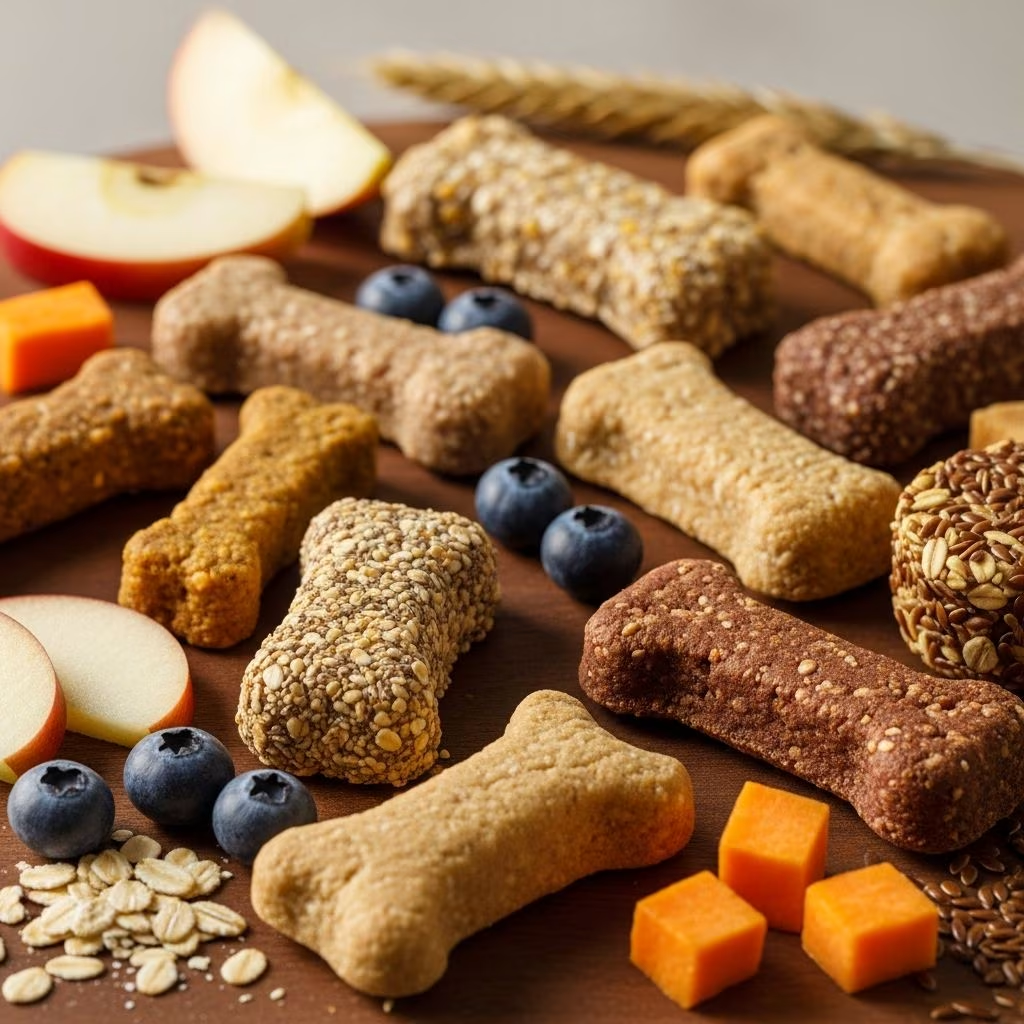
High-fiber dog treats offer a simple yet powerful way to support your pet’s digestive system, maintain a healthy weight, and promote long-term wellness. These treats, made from natural ingredients like vegetables and grains, provide essential roughage that dogs often lack in standard kibble.
Why Fiber Matters in Your Dog’s Daily Diet
Dogs require dietary fiber to keep their gastrointestinal tract functioning smoothly. Unlike proteins or fats, fiber isn’t digested but passes through the system, aiding in bulk formation and regularity. It comes in two main forms: soluble, which dissolves in water to form a gel-like substance, and insoluble, which adds bulk to stool.
Soluble fiber nourishes beneficial gut bacteria, producing short-chain fatty acids that strengthen the intestinal lining and boost immunity. Insoluble fiber speeds transit time, reducing toxin exposure in the colon. Together, they prevent common issues like constipation, diarrhea, and bloating, leading to firmer stools and easier cleanups.
- Fiber supports steady nutrient absorption by slowing digestion.
- It promotes a balanced gut microbiome essential for overall vitality.
- Regular fiber intake can lower risks of chronic conditions in aging dogs.
Key Health Advantages of Fiber-Rich Treats
Incorporating fiber through treats extends far beyond basic digestion. It plays a vital role in multiple bodily functions, making it a cornerstone of preventive care.
Superior Digestive Support
Fiber regulates bowel movements by retaining water in the colon, ensuring consistent stool quality. For dogs with sensitive stomachs, it minimizes gas and discomfort while fostering a healthy bacterial environment. Studies show it ferments into acids that protect against harmful pathogens and aid colon repair.
Effective Weight Control Strategies
Overweight dogs benefit immensely from fiber’s satiety effect. It expands in the stomach, signaling fullness and curbing excessive eating. Low-calorie fiber sources allow calorie reduction without hunger, ideal for slimming regimens. Pairing treats with meals enhances this without sacrificing nutrition.
Blood Sugar Regulation for Diabetic Dogs
Fiber slows carbohydrate breakdown, preventing sharp glucose spikes. This stabilization is crucial for diabetic management, reducing insulin sensitivity fluctuations. Veterinary recommendations often include high-fiber additions to diets for better glycemic control.
Broader Wellness Impacts
Emerging evidence links adequate fiber to heart health via cholesterol binding and reduced inflammation. It may also diminish colon cancer risks by accelerating waste elimination, minimizing carcinogen contact. For seniors, it supports anal gland function and energy stability.
Top Natural Ingredients for Fiber Treats
Select wholesome, dog-safe ingredients to craft or choose treats. These provide fiber alongside vitamins and minerals for comprehensive nutrition.
| Ingredient | Fiber Type | Key Benefits | Serving Tips |
|---|---|---|---|
| Pumpkin | Soluble | Slows digestion, prebiotic, blood sugar control | Pureed, 1-2 tbsp per 20 lbs body weight |
| Sweet Potatoes | Soluble & Insoluble | Regulates bowels, rich in beta-carotene | Cooked and mashed, small cubes as treats |
| Green Beans | Insoluble | Low-cal filler, promotes fullness | Steamed, fresh or frozen snaps |
| Carrots | Insoluble | Dental health, vitamin A boost | Raw sticks or pureed |
| Oats | Soluble | Gentle on stomachs, steady energy | Cooked oatmeal, baked into biscuits |
| Brown Rice | Insoluble | Sustained energy, easy digestion | Cooked, mixed with proteins |
These options are versatile for homemade treats or commercial toppers. Start small to monitor tolerance, aiming for 2-4% fiber in total diet.
Simple Recipes for Homemade Fiber Treats
DIY treats let you control quality and customize for your dog’s needs. Use fresh ingredients and bake at low temperatures to preserve nutrients.
Pumpkin Oat Biscuits
Combine 1 cup pure pumpkin, 2 cups oat flour, 1 egg, and a dash of cinnamon. Roll into balls, flatten, and bake at 350°F for 20 minutes. Yield: 30 small treats. Store refrigerated for a week.
Sweet Potato Chews
Slice sweet potatoes thinly, brush with olive oil, bake at 250°F for 2-3 hours until crisp. Cool completely for crunchy, fiber-loaded snacks.
Green Bean & Carrot Medley
Steam equal parts green beans and carrots, puree, mix with ground turkey and brown rice. Form patties and dehydrate for portable treats.
These recipes emphasize natural flavors dogs love while delivering 3-5g fiber per serving.
Choosing Commercial High-Fiber Treats
Look for products listing fiber sources first, avoiding fillers like corn syrup. Check for AAFCO statements and fiber content over 5%. Brands using whole veggies score higher for bioavailability. Consult vets for prescription options in medical cases.
- Verify no artificial preservatives.
- Opt for grain-inclusive for balanced insoluble fiber.
- Match treat size to breed and activity level.
Daily Integration and Dosage Guidelines
Introduce fiber gradually over a week to avoid tummy upset. General rule: 1-2 treats daily for small dogs, up to 4 for large breeds, not exceeding 10% of calories. Monitor stool; adjust if too firm or loose. Pair with ample water intake.
For specific conditions:
- Obesity: Replace half kibble with fiber veggies.
- Diabetes: Time treats pre-meals for glucose buffering.
- Seniors: Soft purees for easier chewing.
Potential Risks and Precautions
Excess fiber can bind minerals or cause blockages if not hydrated. Dogs with certain breeds (e.g., deep-chested) may need vet approval. Sudden changes risk diarrhea; transition slowly. Allergic reactions to new veggies warrant immediate halt.
Frequently Asked Questions
How much fiber does my dog need daily?
Typically 2.5-4.5% of diet dry matter. Puppies and active dogs lean lower; overweight or seniors higher.
Can fiber treats replace regular food?
No, treats supplement a balanced base diet. Over-reliance neglects proteins and fats.
Are fiber treats safe for puppies?
Yes, in moderation with digestible sources like oats. Avoid excess to prevent growth interference.
What if my dog refuses fiber treats?
Mix purees into meals or use broth dips. Variety keeps interest high.
Do fiber treats help with anal gland issues?
Often yes, firmer stools express glands naturally, reducing infections.
Long-Term Strategies for Fiber Success
Track progress with a food journal noting stool quality and energy. Annual vet checkups refine approaches. Rotate ingredients for broad nutrient exposure. Combine with exercise for amplified weight benefits. Fiber-rich living yields a happier, healthier companion.
References
- Dietary Fiber for Dogs: What You Need to Know — Earthborn Holistic Pet Food. 2023-05-15. https://www.earthbornholisticpetfood.com/blog/pet-nutrition/dietary-fiber-for-dogs-what-you-need-to-know/
- Best High Fiber Dog Foods and Their Benefits — JustFoodForDogs Blog. 2024-02-10. https://blog.justfoodfordogs.com/high-fiber-dog-foods.html
- Benefits of High-Fiber Dog Foods — American Kennel Club (AKC). 2023-11-20. https://www.akc.org/expert-advice/nutrition/benefits-high-fiber-dog-foods/
- Benefits of Fiber for Dogs — Purina. 2024-01-08. https://www.purina.com/articles/dog/health/nutrition/benefits-fiber-dogs
- The Health Benefits of Fiber in Pet Food — Diamond Pet. 2023-07-12. https://www.diamondpet.com/blog/nutrition/ingredients/bonus-benefits-of-fiber-for-dogs/



