

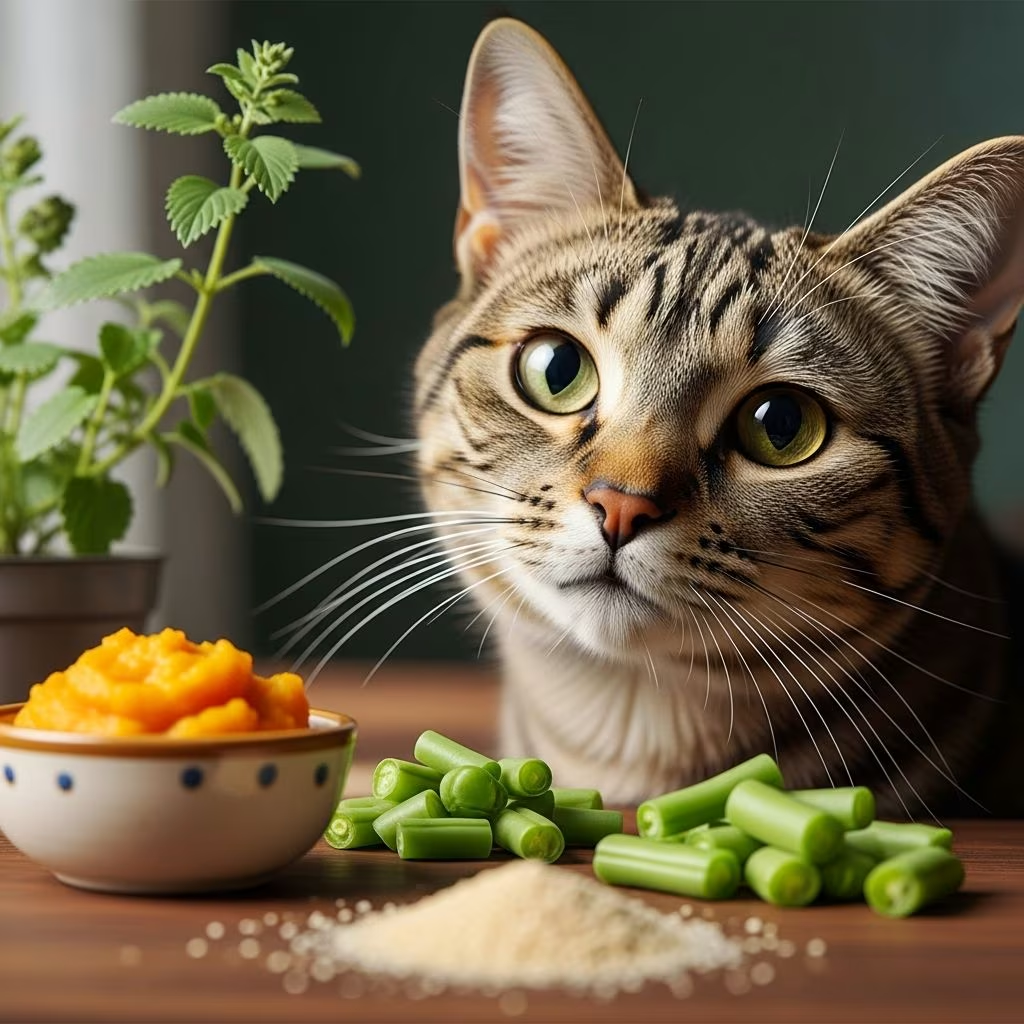
Dietary fiber plays a pivotal role in maintaining optimal health for cats, supporting everything from smooth digestion to stable blood sugar levels. As obligate carnivores, cats derive unique benefits from carefully balanced fiber in their diets, helping prevent common issues like constipation and hairballs while promoting a thriving gut microbiome.
Understanding Fiber’s Core Functions in Feline Diets
Fiber contributes to gastrointestinal efficiency by adding bulk to stool and facilitating regular bowel movements. It remains undigested, passing through the digestive tract to absorb water, soften stools, or increase volume depending on its type. This mechanism aids in regulating transit time, preventing both loose stools and obstipation.
Beyond basic motility, fiber fuels beneficial bacteria in the colon through fermentation, producing short-chain fatty acids that nourish intestinal cells and bolster immunity. These compounds enhance the gut barrier, reducing inflammation and supporting overall metabolic health.
Soluble vs. Insoluble: Key Fiber Types for Cats
Cats benefit from a mix of fiber varieties, each offering distinct advantages.
- Soluble fiber dissolves in water, forming a gel-like substance that slows digestion, promotes satiety, and stabilizes glucose absorption—ideal for weight management and diabetic cats. Sources include gums, pectins, and beet pulp, which also firm loose stools.
- Insoluble fiber does not dissolve, instead drawing water into the intestines to add bulk and speed passage. It excels at combating constipation and expelling hairballs, with common forms like cellulose and wheat bran.
| Fiber Type | Properties | Benefits for Cats | Examples |
|---|---|---|---|
| Soluble | Dissolves in water, fermentable | Satiety, blood sugar control, diarrhea management | Beet pulp, pectins |
| Insoluble | Non-dissolving, adds bulk | Constipation relief, hairball reduction | Cellulose, wheat bran |
Fermentable fibers, whether soluble or insoluble, act as prebiotics, fostering healthy gut flora essential for nutrient absorption and disease resistance.
Fiber Levels: What’s Appropriate for Your Cat?
Standard cat foods typically contain moderate fiber around 6% on a dry matter basis, sufficient for healthy adults. High-fiber formulas reach 12% or more, targeted at specific conditions like obesity or chronic GI disorders. Always check labels for “maximum crude fiber” and consult a vet, as excess can dilute nutrients or cause excessive stool volume.
For indoor cats or those prone to hairballs, aim for products listing 4-6% fiber. Prescription diets may exceed this for therapeutic needs.
Boosting Gut Health Through Prebiotic Fibers
Prebiotics in fiber-rich foods selectively nourish beneficial bacteria, restoring balance disrupted by stress, antibiotics, or illness. This supports conditions like chronic diarrhea or colitis by producing vitamins and anti-inflammatory agents during fermentation.
Ingredients like moderately fermentable beet pulp provide energy to colon cells without gas or loose stools, making them a staple in balanced feline nutrition.
Fiber’s Impact on Weight Control and Satiety
Overweight cats often overeat due to high-calorie density in standard kibble. Soluble fibers expand in the stomach, signaling fullness and reducing intake without nutrient sacrifice. Studies show fiber-enhanced diets promote gradual weight loss by curbing hunger and improving fat metabolism.
High-fiber meals also lower calorie density, helping prevent obesity—a risk factor for diabetes and joint issues in felines.
Managing Diabetes and Metabolic Disorders with Fiber
Diabetic cats thrive on high-protein, low-carb diets supplemented with fiber to moderate glucose spikes. Soluble fibers delay carbohydrate absorption, maintaining steady blood sugar. This approach, combined with weight loss, enhances insulin sensitivity.
Fiber aids related conditions like hyperlipidemia by binding fats and cholesterol, excreting them via stool. Kidney support comes from increased nitrogen elimination, easing renal workload.
Addressing Common Digestive Woes
- Constipation: Insoluble fiber increases stool bulk and motility, often resolving mild cases. For chronic issues, pair with hydration.
- Diarrhea: Soluble fiber absorbs excess water, firming stools while feeding gut bacteria.
- Hairballs: Fiber sweeps ingested fur through the tract, reducing vomiting frequency.
Top High-Fiber Food Choices for Cats
Select vet-recommended options based on your cat’s needs:
- Dry foods like those with 6% fiber for indoor cats and hairball control.
- Prescription gastrointestinal formulas at 4.7%+ for constipation.
- Wet foods blending moisture with fiber for hydration-focused diets.
Transition gradually over 7-10 days to avoid upset.
Incorporating Fiber Treats and Supplements
Treats offer palatable fiber boosts: options with 6-10% fiber suit occasional use, providing balanced nutrition.
Supplements like pumpkin-based powders add insoluble fiber for targeted relief from constipation or hairballs. Start low and monitor stool changes.
Veterinary Guidance: Tailoring Fiber Intake
Individual factors—age, breed, activity, health—dictate fiber needs. Kittens require less; seniors or obese cats more. Vets may recommend analysis via fecal tests or bloodwork.
Avoid over-supplementation, as poor-fermentable fibers can impair nutrient uptake.
FAQs on Cat Fiber Nutrition
Do all cats need fiber in their food?
Yes, moderate fiber supports digestion in all cats, preventing issues like hairballs and irregular stools.
How much fiber is too much for a cat?
Over 12% without vet approval risks nutrient dilution and frequent litter visits. Stick to label guidelines.
Can fiber help my overweight cat lose weight?
Absolutely—soluble fiber enhances fullness, reducing calories while maintaining protein intake.
Is wet food a good fiber source?
Wet foods often have lower fiber but pair well with dry high-fiber kibble for balance.
What if my cat refuses high-fiber food?
Mix gradually with favorites or use treats/supplements; flavor toppers can entice picky eaters.
Practical Tips for Daily Fiber Integration
– Read labels: Prioritize named fiber sources like cellulose or beet pulp.
– Hydrate: Fiber needs water to work; encourage fountains or wet food.
– Monitor: Track stool quality, weight, and energy post-diet change.
– Combine: Blend dry, wet, and treats for variety.
References
- Do Cats Need Fiber in Their Diet? — PetMD. 2023. https://www.petmd.com/cat/nutrition/do-cats-need-fiber-in-diet
- Fiber For Cats And It’s Importance — IAMS Singapore. 2023. https://sg.iams.asia/cat/cat-articles/fibre-for-cats
- Cat Food With Fiber: Why Is It Important? — Hill’s Pet Nutrition. 2023. https://www.hillspet.com/cat-care/nutrition-feeding/importance-of-cat-food-with-fiber
- The Role of Dietary Fiber in Pet Nutrition — Today’s Veterinary Practice. 2023. https://todaysveterinarypractice.com/nutrition/dietary-fiber-in-pet-nutrition/
- Feeding Your Cat — Cornell University College of Veterinary Medicine. 2023. https://www.vet.cornell.edu/departments-centers-and-institutes/cornell-feline-health-center/health-information/feline-health-topics/feeding-your-cat
- Cat Nutrition — Pet Food Institute. 2023. https://www.petfoodinstitute.org/cat-nutrition/



