

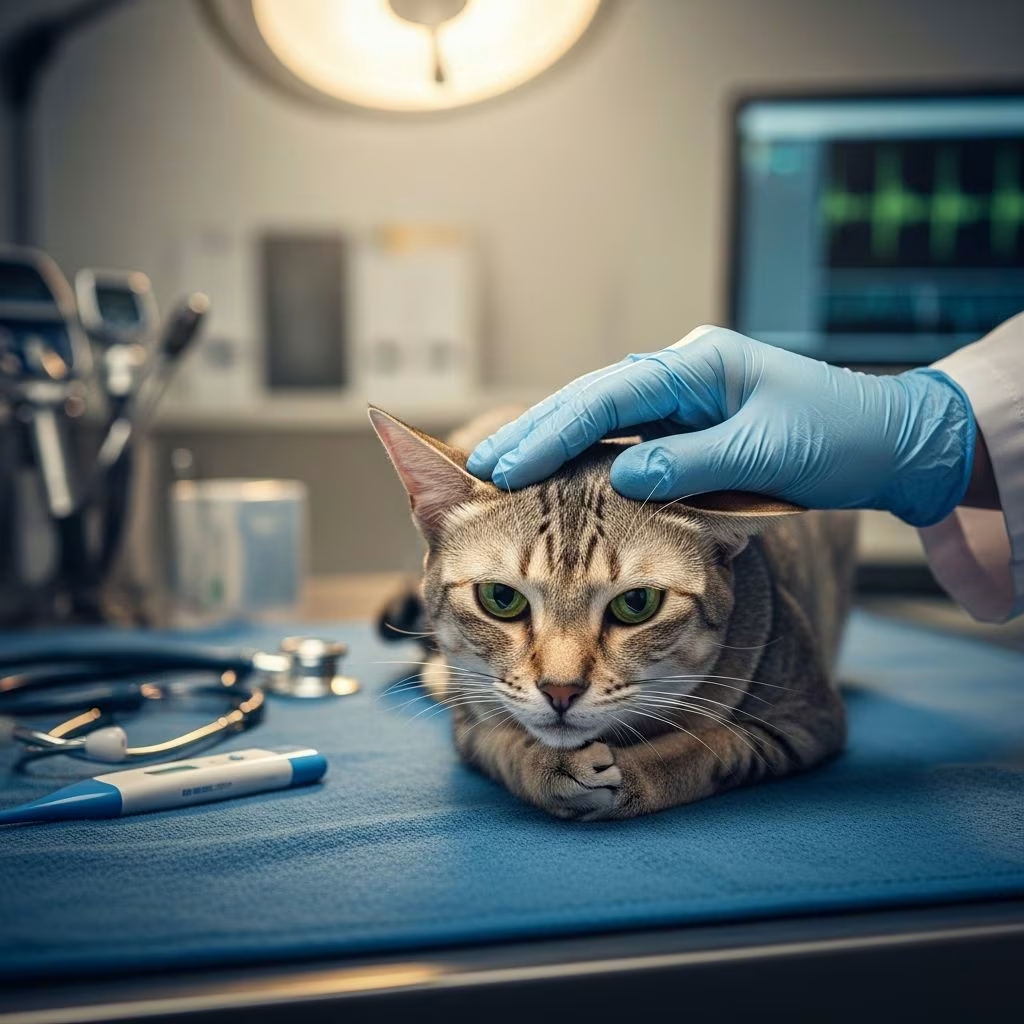
Persistent elevated body temperatures in cats, especially when no clear cause emerges after initial evaluation, present a significant challenge for pet owners and veterinarians alike. Known as fever of unknown origin (FUO), this condition is defined as a rectal temperature exceeding 103.5°F (39.7°C) documented on at least four separate occasions over a two-week period, alongside illness lasting at least 14 days without an identifiable source. While many fevers resolve spontaneously or with basic antibiotics, FUO demands a systematic approach to uncover hidden infections, immune issues, or malignancies.
Recognizing the Signs of Fever in Your Cat
Cats with fever often display subtle yet telling symptoms that vigilant owners can spot early. Lethargy tops the list, with affected cats showing reduced activity, reluctance to play, or hiding more than usual. Appetite loss is nearly universal, leading to weight decline if prolonged. Other indicators include rapid breathing (hyperpnea), dehydration evident from tacky gums or skin tenting, and behavioral shifts like increased vocalization or stiffness upon movement.
- Lethargy and weakness: Cats may avoid jumping or moving freely due to muscle or joint discomfort.
- Loss of appetite (anorexia): Refusal of food exacerbates dehydration and energy deficits.
- Increased heart and respiratory rates: Monitor for panting or exaggerated breathing efforts.
- Dehydration signs: Sunken eyes, dry nose, or poor skin elasticity.
- Secondary clues: Shivering, warm ears/paws, or mild neurological signs like head pressing in severe cases.
Distinguishing true fever from hyperthermia—caused by environmental heat, stress, or exertion—is crucial. Recheck temperatures after 15-20 minutes of rest in a calm setting; persistent elevation confirms fever.
Common Culprits Behind Persistent Fevers
Infections dominate as causes of FUO in cats, far outpacing neoplasia or immune-mediated conditions. Bacterial hotspots include abscesses from bite wounds, pyothorax (chest cavity pus), pyelonephritis (kidney infection), and rare systemic bugs like Mycobacteria or Bartonella. Viral threats loom large: Feline Infectious Peritonitis (FIP) ranks high, especially in young cats under one year, often with fluid buildup or lab anomalies like high globulin levels.
Parasitic invasions, notably Toxoplasma gondii, thrive in outdoor cats preying on infected rodents, manifesting with muscle pain or eye inflammation (uveitis). Feline Leukemia Virus (FeLV) and Feline Immunodeficiency Virus (FIV) rarely cause fever directly but weaken immunity, inviting opportunistic infections.
| Category | Examples | Key Features |
|---|---|---|
| Bacterial | Abscesses, pyothorax, pyelonephritis | Often history of fights; lung/chest signs |
| Viral | FIP, FeLV/FIV (indirect) | Young cats; effusion, immunodeficiency |
| Parasitic | Toxoplasma, Bartonella | Outdoor exposure; uveitis, lymphadenopathy |
| Neoplastic/Immune | Lymphoma, autoimmune | Organ enlargement; chronic course |
Less common triggers encompass drug reactions, trauma-induced tissue necrosis, or endocrine disorders like hyperthyroidism, though these typically yield additional clues.
Step-by-Step Diagnostic Journey
Unraveling FUO starts with a meticulous history and physical exam, guiding targeted testing. Query vaccination status, outdoor access, multi-pet household illnesses, recent travel, or medication use—some drugs provoke fever and require cessation.
Physical Examination Essentials
A head-to-tail assessment reveals hidden issues. Scrutinize the mouth for dental abscesses, pale/red gums, or tonsil swelling. Check nasal discharges (mucopurulent suggests bacteria/fungi), auscultate lungs/heart for murmurs or crackles, and palpate abdomen for pain, organomegaly, or effusions. Lymph nodes, spleen, joints, and spine warrant gentle probing for enlargement or discomfort. Ophthalmic checks flag uveitis linked to toxoplasmosis, FIP, or FeLV.
Laboratory Investigations
Baseline tests form the cornerstone: complete blood count (CBC) for anemia, leukocytosis, or thrombocytopenia; serum biochemistry for organ dysfunction or hyperglobulinemia; urinalysis/culture for pyuria indicating urinary infections. FeLV/FIV snaps are mandatory, especially in unknowns.
- CBC: Neutrophilia (bacterial), lymphocytosis (viral).
- Biochemistry: Elevated globulins hint at FIP.
- Urinalysis: Bacteriuria mandates culture.
- Serology: Toxoplasma IgM for active disease; FIP titers if effusive signs.
Imaging and Advanced Tools
Thoracic/abdominal radiographs detect pyothorax, masses, or renal irregularities missed on palpation. Ultrasound refines abdominal views, while PCR on fluids/CSF confirms toxoplasmosis or FIP. Biopsies prove definitive for non-effusive FIP or cancer.
Treatment Strategies and Management
Once identified, treatment targets the root. Antibiotics tackle bacterial foes; supportive care—fluids, nutrition, fever reducers like buprenorphine—eases symptoms. FIP trials with antivirals like GS-441524 show promise in effusive cases, though non-effusive forms challenge. Immunosuppressants address autoimmune flares, but neoplasia may necessitate chemotherapy.
For undiagnosed cases, empirical broad-spectrum antibiotics bridge gaps, but prolonged use risks resistance. Monitor response closely; fevers persisting beyond trials signal deeper issues.
Prevention Tips for Cat Owners
Minimize FUO risks through indoor living, routine FeLV/FIV vaccinations, parasite preventives, and dental checks. Prompt wound care post-fights and multi-cat hygiene curb infections.
FAQs on Feline Fever of Unknown Origin
What temperature indicates a fever in cats?
Above 102.5°F (39.2°C); FUO requires >103.5°F (39.7°C) repeatedly over two weeks.
Can stress cause fever in cats?
Stress induces hyperthermia, not true fever; confirm with rested rechecks.
Is FIP always fatal?
Historically yes, but recent antivirals offer hope, especially early.
When should I rush my cat to the vet for fever?
Immediately if >104°F, lethargy, or dehydration; don’t delay for FUO suspicion.
How long can FUO last untreated?
Weeks to months; early intervention improves outcomes.
References
- Fever of unknown origin in cats (Proceedings) — dvm360. N/A. https://www.dvm360.com/view/fever-unknown-origin-cats-proceedings
- Fever of Unknown Origin in Cats – Cat Owners — MSD Veterinary Manual. 2023-10-20. https://www.msdvetmanual.com/cat-owners/metabolic-disorders-of-cats/fever-of-unknown-origin-in-cats
- FEVER OF UNKNOWN ORIGIN IN CATS — BP Vets. 2017-04-01. https://bpvets.net/wp-content/uploads/2017/04/Fever-of-Unknown-Origin.pdf
- Fever of Unknown Origin in Cats – Cat Owners — Merck Veterinary Manual. N/A. https://www.merckvetmanual.com/cat-owners/metabolic-disorders-of-cats/fever-of-unknown-origin-in-cats
- Uncovering the Cause of Fever in Cats — Today’s Veterinary Practice. N/A. https://todaysveterinarypractice.com/diagnostics/feline-friendly-articleuncovering-cause-fever-cats/
- Types of Fever in Cats and Signs — North Wake Animal Hospital. 2023-12-15. https://www.northwakeanimalhospital.com/site/blog/2023/12/15/types-fever-cats-signs



