

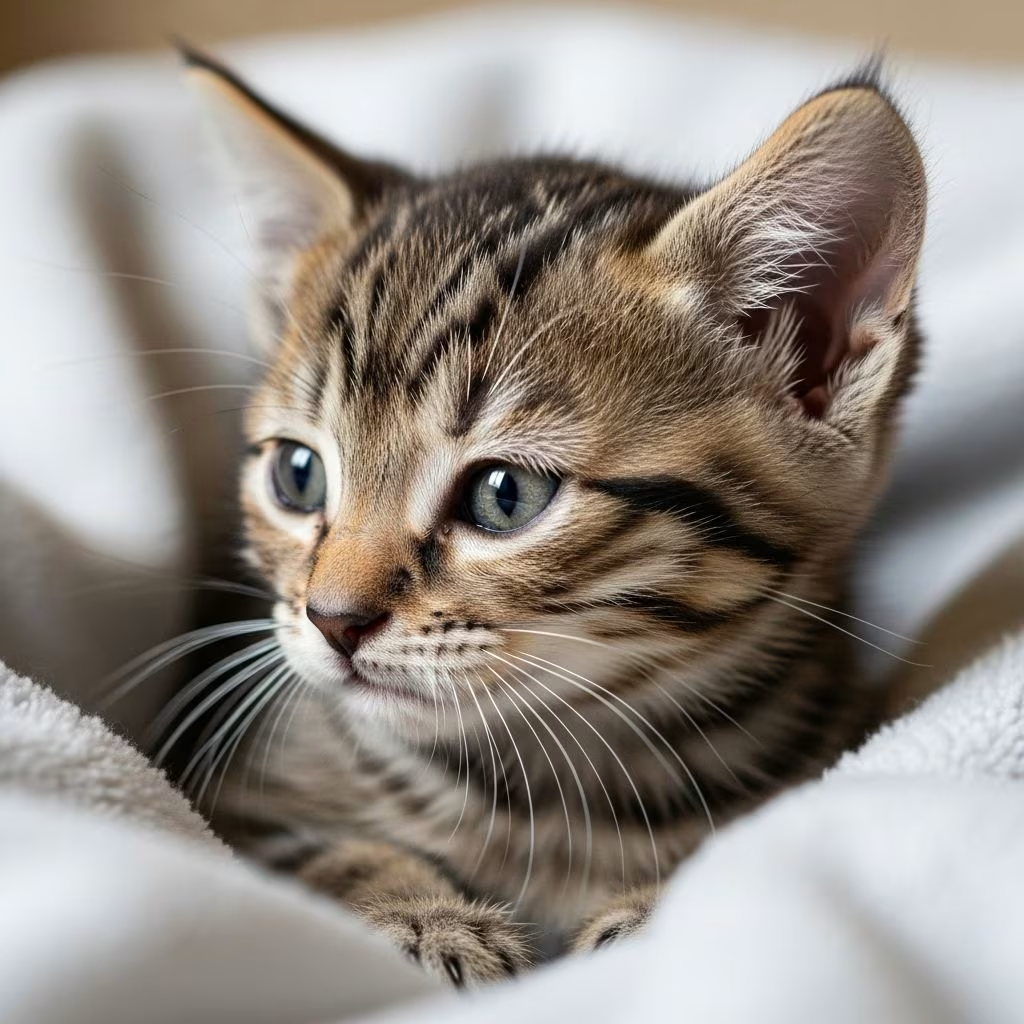
When newborn kittens arrive with unexpectedly pale or silvery fur that differs significantly from their expected coloring, the phenomenon is often called a fever coat or stress coat. This naturally occurring condition reflects temporary disruption to pigment development during fetal gestation and typically resolves as the kitten matures. While the appearance can seem unusual or concerning to new kitten owners, fever coat poses no danger to the kitten’s health and requires no special treatment beyond standard care.
The Biological Mechanism Behind Fever Coats
Fever coat occurs due to interference with the delicate process of pigment formation during prenatal development. During pregnancy, a developing kitten’s coat pigmentation is remarkably sensitive to environmental factors, particularly maternal body temperature. The cells responsible for producing fur color, called melanocytes, can be disrupted when specific conditions affect the pregnant cat during a critical developmental window. This disruption does not damage the kitten’s DNA or genetic blueprint for coloration; rather, it temporarily prevents the normal expression of coat color genes. Once born and exposed to normal environmental conditions, the kitten’s body gradually returns to its genetically predetermined color pattern.
Primary Triggers of Fever Coat Development
Several distinct circumstances can trigger fever coat in a litter of kittens. Understanding these triggers helps cat breeders and owners recognize why a pregnant cat might produce offspring with unusual coloration.
Maternal Illness and Infection
The most common cause of fever coat is fever itself, typically resulting from viral or bacterial infections. When a pregnant cat contracts an illness that elevates her body temperature, this heat exposure during the critical period of kitten coat pigment development can alter the developing fur color. Viral infections are particularly common culprits, as they frequently cause fever in cats.
Environmental and Emotional Stress
Prolonged psychological or environmental stress can also elevate maternal body temperature and trigger fever coat development. Stressful circumstances during pregnancy include relocation to a new home, changes in the household environment, introduction of new pets or family members, or the pregnant cat experiencing abandonment or living in shelter conditions. The cumulative physiological effects of sustained stress can interfere with normal pigment formation in developing kittens.
Nutritional Deficiencies
Poor nutrition or inadequate caloric intake during pregnancy may contribute to fever coat development in some cases. Pregnant cats require enhanced nutritional support to properly nourish their growing litters, and deficiencies in essential nutrients could potentially affect normal coat pigmentation development.
Medication Side Effects
Certain medications administered to pregnant cats may produce fever coat as a side effect. While specific medications have not been definitively confirmed as causing fever coat, some veterinarians suspect that certain medications could interfere with normal pigment development when administered during critical gestational periods.
Recognizing Fever Coat Characteristics
Fever coat appears distinctly different from normal kitten coloration patterns and breed standards. Recognizing the visual characteristics helps owners identify when a newborn kitten may have fever coat rather than an unexpected color inheritance from parents.
Visual Appearance Patterns
Fever coat typically manifests with distinctive characteristics that differentiate it from normal coat colors. The most common presentation is a frosted or washed-out appearance, with the coat appearing lighter or more silvery than expected. The coloration is usually strongest at the tips of the fur, gradually becoming darker and more natural-looking toward the hair roots, creating a distinctive ombre effect.
Color Variations
Fever coat can produce several different color presentations depending on the kitten’s underlying genetic coloration:
- Silver, grey, or cream-colored coats representing the most common presentations
- Reddish or rusty tinges appearing in kittens genetically destined for solid black coats
- Pale coloration affecting the entire coat rather than appearing in isolated patches
- Subtle tabby patterns becoming visible in kittens that should display solid coloring
Which Kittens Are Affected
While fever coat can theoretically develop in any kitten regardless of breed or expected color, it appears most dramatically in dark-coated breeds. Black or very dark-colored kittens show the most striking contrast between their fever coat appearance and their eventual adult coloring. Persian, Siamese, and domestic shorthair breeds can all develop fever coat when appropriate stressors affect the pregnant mother.
Health Implications and Prognosis
One of the most reassuring aspects of fever coat is that it carries absolutely no negative health consequences for affected kittens. The condition is purely cosmetic and temporary, with no underlying pathology or developmental concerns.
Safety for the Kitten
Fever coat has never been associated with genetic abnormalities, health conditions, skin diseases, or any other negative side effects affecting the kitten’s wellbeing. The pigment disruption is superficial and temporary, affecting only the outward appearance of the coat while leaving all internal systems and future health entirely unaffected. Kittens with fever coat do not require any special medical treatment, dietary modifications, or intensive care beyond standard kitten care practices.
Timeline for Color Transition
The transition from fever coat to the kitten’s true genetic coloring occurs gradually over several months. While some kittens may complete their color transition by approximately four months of age, others may require up to a full year before their final adult coloring fully emerges. This extended timeline reflects the natural shedding of the kitten’s baby coat and growth of the adult coat, with each new hair shaft reflecting the correct genetic pigmentation.
Distinguishing Fever Coat from Similar Conditions
Several other coat conditions in cats can superficially resemble fever coat, but important distinctions exist that help owners and breeders differentiate between them.
Fever Coat versus Smoke Coat
A smoke coat is sometimes confused with fever coat, but the two conditions have distinct origins and characteristics. A smoke coat is a normal, genetically inherited coat pattern where the tips of the hair are darker while the roots remain light in color. Smoke coat appears in specific breeds and is passed down through genetics, whereas fever coat results from prenatal stress or maternal fever and will fade as the kitten matures. Additionally, in fever coat, the visual effect is reversed—the tips are lightest while the roots show darker, more natural coloring.
Monitoring Mother and Litter Health
Although fever coat itself requires no treatment, the underlying cause warrants attention. When a pregnant cat develops fever or exhibits signs of illness that could produce fever coat in her offspring, veterinary evaluation becomes important.
Post-Birth Assessment
After kittens with fever coat are born, monitoring both the mother cat and the affected kittens remains prudent. While the fever coat poses no direct threat to the kittens, it indicates that the mother experienced some form of prenatal stress or illness, which might necessitate medical evaluation to rule out underlying health issues. A veterinary examination can identify whether the mother requires treatment for an infection or other condition that contributed to the fever coat development.
Preventive Measures
Understanding fever coat’s causes helps cat owners and breeders take steps to minimize risk during pregnancy. Providing pregnant cats with stable environments, reducing exposure to stressful situations, maintaining proper nutrition, and ensuring prompt veterinary care if illness develops can all help prevent fever coat in future litters.
Frequently Asked Questions
Is fever coat permanent?
No, fever coat is temporary and will gradually disappear as the kitten matures and sheds its baby coat. The kitten’s true genetic coloring will eventually emerge, typically within four months to one year.
Do fever coat kittens need special care?
Fever coat kittens do not require any special medical care or treatment beyond standard kitten care. They are completely normal and healthy despite their unusual coloring.
Can fever coat affect breeding?
Fever coat is not hereditary and cannot be passed to future generations. A kitten with fever coat will produce offspring with normal coloring when it becomes a breeding cat, assuming the pregnancy occurs under normal, stress-free conditions.
How common is fever coat?
Fever coat is described as fairly uncommon, though exact prevalence rates are not well-documented. Veterinarians most commonly observe fever coat in kittens born to shelter cats experiencing high stress and poor health conditions.
Will my kitten’s coloring match its parents?
Eventually, yes. As the fever coat transitions to the adult coat, the kitten’s true genetic coloring will emerge, reflecting the expected coloration based on parental genetics and the kitten’s own genetic makeup.
References
- What Is a Fever Coat Cat? Everything You Need to Know — Wopet. Accessed January 2026. https://wopet.com/cats/fever-coat-cat/
- What Is Fever Coat in Cats? A Vet Explains — Cats.com. Accessed January 2026. https://cats.com/fever-coat-in-cats
- What is a Fever Coat? — Scrumbles. Accessed January 2026. https://scrumbles.co.uk/blogs/news/what-is-a-fever-coat-scrumbles
- What Is a Fever Coat in Kittens? — Petcube Blog. Accessed January 2026. https://petcube.com/blog/what-is-a-fever-coat-in-kittens/
- What is Fever Coat? — Dakin Humane Society. Accessed January 2026. https://www.dakinhumane.org/blog-full/what-is-fever-coat



