

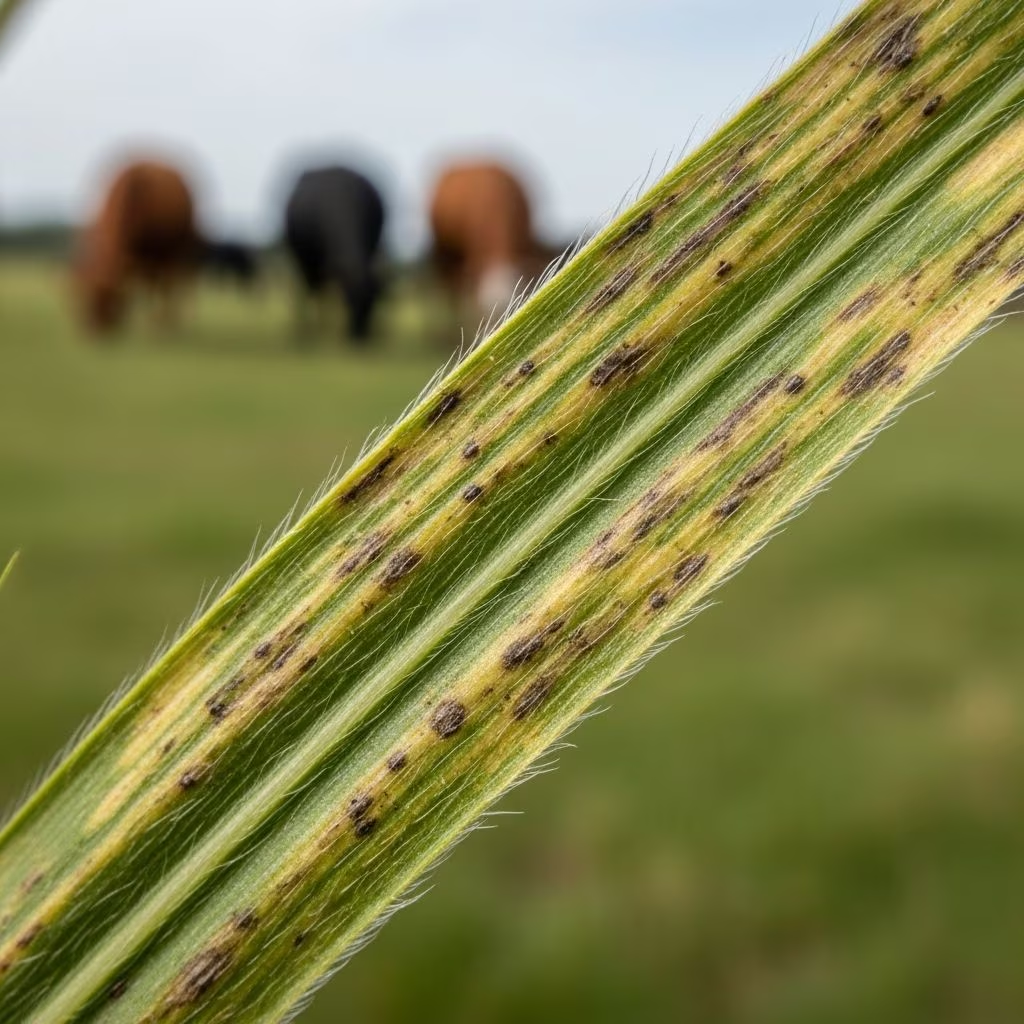
Fescue toxicosis arises when livestock consume tall fescue grass harboring a toxic endophyte fungus, leading to significant health impairments across species like horses and cattle. This condition disrupts reproduction, growth, and overall vitality, posing challenges for farmers in regions where tall fescue dominates pastures.
The Biological Basis of Fescue Toxicity
Tall fescue (Festuca arundinacea) is a resilient cool-season grass widely planted for its durability against drought and pests. However, many varieties host an endophytic fungus, typically Neotyphodium coenophialum, which resides within the plant tissues without visible external signs. This symbiotic relationship benefits the grass by enhancing resistance to stressors but produces ergot alkaloids, notably ergovaline, which are harmful to grazing animals.
Ergovaline acts as a potent vasoconstrictor, mimicking ergot compounds that narrow blood vessels and reduce peripheral blood flow. This physiological disruption impairs nutrient delivery to extremities, elevates body temperatures, and interferes with hormonal regulation, particularly prolactin in reproductive animals. Concentrations peak in seeds and seed heads, making late-season grazing especially risky.
Manifestations in Horses: Reproductive and Neonatal Impacts
Pregnant mares are particularly vulnerable during late gestation. Exposure to infected fescue suppresses prolactin secretion, crucial for mammary gland development and colostrum production. Affected mares exhibit agalactia (failure to produce milk), prolonged pregnancies beyond 340 days, and retained placentas, complicating foaling.
Foals born to these mares suffer from dysmaturity syndrome, characterized by:
- Overly long, silky hair coats
- Floppy ears and weak muscle tone
- Large size relative to gestational age but underdeveloped organs
- High susceptibility to ‘dummy foal syndrome’ involving neurological deficits and hypoxia
- Failure of passive transfer due to insufficient colostrum, increasing infection risks
These foals often require intensive neonatal care, yet prognosis remains guarded despite interventions.
Effects on Cattle: Performance and Thermoregulation Challenges
In cattle, fescue toxicosis manifests through systemic vasoconstriction, reducing feed intake and growth rates by up to 39% in severe cases. Common signs include:
- Rough, unkempt hair coats with delayed winter shedding
- Shortened tails and heat intolerance, leading to panting and shade-seeking
- Decreased milk yield and fertility, with extended calving intervals
- “Fescue foot”: severe lameness progressing to dry gangrene in hooves, tails, and ears
The toxin’s interference with blood flow exacerbates heat stress, as cattle struggle to dissipate heat through limited peripheral circulation. Immune suppression heightens disease susceptibility, compounding economic losses from lighter weanling weights and lower conception rates.
| Species | Key Symptoms | Severity Factors |
|---|---|---|
| Horses (Mares/Foals) | Agalactia, prolonged gestation, foal dysmaturity | Late pregnancy exposure |
| Cattle | Reduced gains, rough coat, fescue foot, heat stress | Seed head consumption, cool weather |
Diagnostic Approaches for Accurate Identification
Diagnosis relies on clinical history, including pasture composition, combined with targeted testing. Visual pasture assessments often reveal tall fescue dominance, confirmed via endophyte staining of seed samples. Blood ergovaline levels or prolactin suppression assays support cases in mares. For cattle, rectal temperature monitoring and hair coat evaluations aid confirmation, distinguishing from nutritional deficiencies like copper shortage.
Black patch tests on pasture clippings can qualitatively detect endophyte presence, while quantitative ergovaline analysis from labs provides definitive toxin levels. Early detection is vital, as symptoms may persist weeks post-exposure due to alkaloid tissue accumulation.
Therapeutic Interventions and Supportive Care
Treatment focuses on symptom alleviation and toxin mitigation, with no cure for the underlying exposure. For mares, domperidone (1.1 mg/kg orally daily) is the cornerstone, administered 10-30 days pre-foaling. This dopamine antagonist restores prolactin levels, enabling lactation and normal gestation.
Alternative agents like fluphenazine offer similar benefits but require veterinary oversight. Post-foaling agalactia may respond to rescue domperidone dosing alongside foal supplementation with milk replacers or plasma transfusions for immunoglobulin support. Foals demand intensive care: oxygen, nasogastric feeding, antibiotics, and monitoring for sepsis.
Cattle management emphasizes removal from toxic pastures, coupled with vasodilators or anti-inflammatories for fescue foot. Nutritional bolstering with high-energy feeds aids recovery, though persistent vasoconstriction may delay improvements.
Proactive Prevention Through Pasture and Herd Strategies
Prevention trumps treatment, centering on pasture dilution or renovation. Key tactics include:
- Endophyte-free or novel endophyte seeding: Replace Kentucky-31 varieties with low-toxin cultivars like MaxQ, which host non-pathogenic fungi.
- Grazing management: Rotate late-gestation mares and spring-calving cows off fescue 60-90 days prior; use close grazing to minimize seed heads.
- Seed head suppression: Apply herbicides like Chaparral to reduce toxin-laden seeds, boosting gains by suppressing reproduction.
- Forage diversification: Interseed legumes or warm-season grasses to dilute fescue intake.
- Herd selection: Choose heat-tolerant breeds less prone to symptoms.
Annual endophyte testing of pastures ensures ongoing monitoring, with novel endophytes maintaining grass vigor sans toxicity.
Economic Implications for Producers
Fescue toxicosis inflicts substantial costs: reduced weaning weights (20-50 lbs lighter calves), veterinary bills, and replanting expenses. In the U.S. Southeast, billions in annual losses stem from this issue. Strategic interventions like domperidone prophylaxis or pasture renovation yield high returns, often recouping investments via improved fertility and growth.
FAQs on Fescue Toxicosis Management
Q: How common is fescue toxicosis in the U.S.?
A: Prevalent in the transition zone where tall fescue covers millions of acres, especially affecting southern horse and cattle operations.
Q: Can domperidone be used in cattle?
A: Primarily approved for horses; cattle treatments focus on management rather than specific antidotes.
Q: How long do effects linger after pasture removal?
A: Up to 6-7 weeks due to alkaloid persistence in animal tissues.
Q: Is all tall fescue toxic?
A: Only endophyte-infected varieties; test seeds to confirm.
Q: What about sheep or other species?
A: Sheep show milder signs like elevated temperatures; less economically impactful than in cattle or horses.
Future Directions in Research and Control
Ongoing studies explore genetic markers for toxin resistance and advanced fungicides. Collaborative extension programs promote adoption of friendly endophytes, promising sustainable solutions for fescue-reliant farms. Producers should consult local vets and extension services for tailored plans.
References
- Fescue Toxicosis in Horses: Signs, Causes, Treatment & Prevention — Mad Barn. 2023. https://madbarn.com/fescue-toxicosis-in-horses/
- Managing Fescue Toxicity in Cattle: What You Need to Know — Ralco Agriculture. 2023. https://www.ralcoagriculture.com/post/fescue-toxicity-in-cattle-how-to-manage-it
- Fescue Toxicosis in Horses – Causes, Treatment — Vetster. 2024. https://vetster.com/en/conditions/horse/fescue-toxicosis
- Fescue Toxicity and Horses — Oklahoma State University Extension. 2022. https://extension.okstate.edu/fact-sheets/fescue-toxicity-and-horses.html
- Dealing with the Effects of Fescue Toxicosis — Ohio State University Extension. 2016-06-29. https://u.osu.edu/beef/2016/06/29/dealing-with-the-effects-of-fescue-toxicosis/
- MANAGE FESCUE TOXICITY — Corteva Agriscience. 2023. https://www.corteva.com/content/dam/dpagco/corteva/na/us/en/products/us-pasture-management/DF_Chaparral_Manage_Fescue_Toxicity_Broch.pdf



