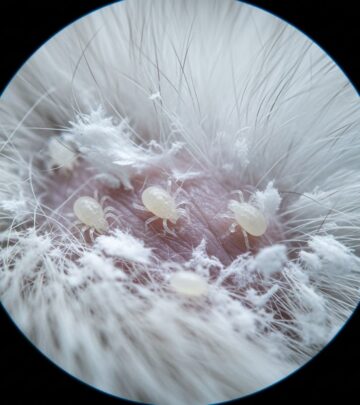
Ferrets and Ear Mites: Prevention and Treatment
Complete guide to identifying, treating, and preventing ear mites in ferrets.
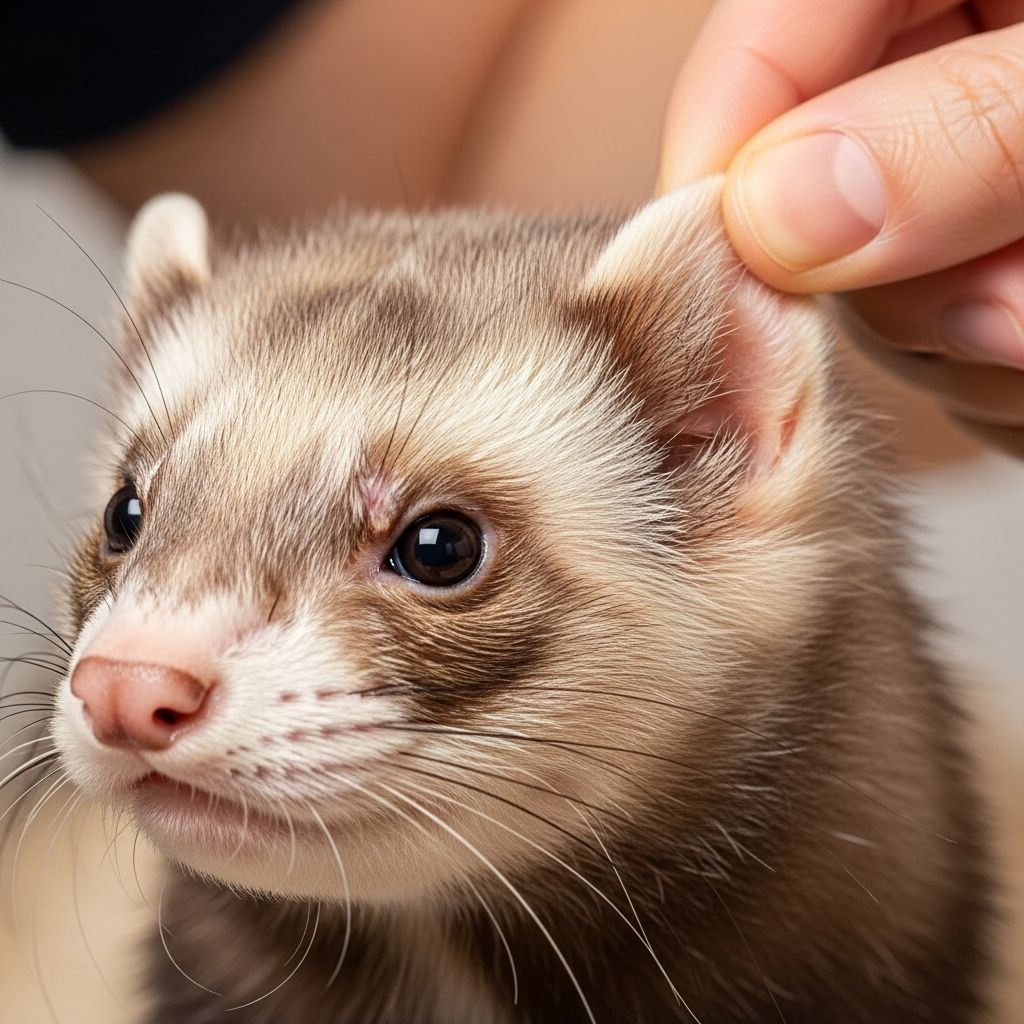
Understanding Ferret Ear Mites
Ear mites are a common parasitic problem affecting ferrets, particularly in warm weather conditions. These microscopic parasites inhabit the ear canals of ferrets and can cause significant discomfort, itching, and secondary infections if left untreated. Understanding the nature of ear mites, how to identify them, and the appropriate treatment and prevention strategies is essential for any ferret owner committed to maintaining their pet’s health and wellbeing.
Ear mites are highly contagious parasites that can spread rapidly between ferrets and even to other household pets such as dogs and cats. The parasites thrive in the warm, moist environment of the ear canal, where they feed on earwax and skin debris. If you suspect your ferret has ear mites, prompt veterinary attention is crucial to prevent the condition from worsening and to protect other animals in your household.
Recognizing the Symptoms of Ear Mites
Identifying ear mites in ferrets requires careful observation of your pet’s behavior and physical condition. Several distinctive signs may indicate the presence of ear mites, though some ferrets may not display obvious symptoms initially.
Common Signs and Symptoms
The most recognizable indicator of an ear mite infection is a change in your ferret’s earwax color and odor. Normally, a ferret’s earwax appears red and has no noticeable odor. However, when ear mites are present, the earwax typically becomes darker in color, appearing black or gray, and develops a distinctive foul smell. This “coffee ground” appearance of the discharge is a classic presentation of ear mite infestation.
Beyond the earwax changes, ferrets with ear mites may display the following symptoms:
- Excessive scratching and itching of the ears and head
- Frequent head shaking and head tilting
- Reddish-brown or blackish crusting on the outer ear surface
- Hair loss around the head, neck, and facial areas
- Oozing or mucous-like discharge from the ear canal
- Secondary ear infections resulting from constant scratching
- Self-excoriation and visible skin trauma from aggressive scratching
It is important to note that some ferrets may not show any clinical signs despite having ear mites. Additionally, the intensity of symptoms does not necessarily correlate with the severity of the infestation. This is why regular veterinary check-ups are essential for early detection and prevention of complications.
When to Seek Veterinary Care
While some cases of ear mites may cause mild irritation, certain symptoms warrant an urgent veterinary appointment. These emergency indicators include:
- Unusually colored or foul-smelling discharge from the ear canal
- Bleeding or scabbing inside or around the ear
- Significant hair loss around the face and ears
- Persistent head tilt lasting more than a few days
- Changes in pupil size or eye movement
- Facial drooping or asymmetry
- Signs of severe discomfort or behavioral changes
Without prompt treatment, ear mites can lead to inflammation, secondary bacterial or fungal infections, and potentially serious complications affecting your ferret’s hearing and neurological function.
Diagnosis of Ear Mites in Ferrets
Proper diagnosis is essential before beginning any treatment regimen. Your veterinarian has several methods available to confirm the presence of ear mites and rule out other conditions that may produce similar symptoms.
The veterinarian may perform an otoscopic examination, using a specialized instrument called an otoscope to visualize the inside of your ferret’s ear canal. This direct visualization often reveals the characteristic dark, crusty debris and may even allow the veterinarian to observe mite activity.
Additionally, your veterinarian may obtain a sample of the ear discharge or cerumen (earwax) and examine it under a microscope. This microscopic examination can definitively identify the presence of mites and their life stages. Some discharge samples may also be cultured to check for secondary bacterial or fungal infections that commonly occur alongside ear mite infestations.
It is important to note that other conditions such as yeast infections, bacterial ear infections, and allergic dermatitis can produce similar symptoms. A proper veterinary diagnosis ensures that your ferret receives the correct treatment and that any underlying complications are identified and addressed.
Treatment Options for Ferret Ear Mites
Several effective treatment options are available for managing ear mite infestations in ferrets. The choice of treatment depends on the severity of the infection, your ferret’s overall health, and your veterinarian’s professional recommendation.
Understanding the Ear Mite Life Cycle
Before discussing specific treatments, it is crucial to understand why treatment protocols last approximately three weeks. The ear mite life cycle spans approximately three weeks from egg to adult. Importantly, most topical medications do not penetrate and kill mite eggs. This means that treatments must be repeated over several weeks to ensure that newly hatched larvae and emerging adults are eliminated. Discontinuing treatment too early will result in reinfestation as the remaining eggs hatch and mature.
Ivermectin Treatment
Ivermectin is one of the most commonly prescribed medications for treating ear mites in ferrets. This broad-spectrum antiparasitic medication is effective against a wide variety of parasites and can be administered in multiple forms.
For ferrets with mild to moderate ear mite infections, ivermectin ear drops can be applied directly to the affected ears once weekly for 2 to 3 weeks. This treatment can typically be performed at home by the ferret owner, though some owners prefer to have their veterinarian administer the medication. For severe infections, your veterinarian may recommend injectable ivermectin instead of topical application. The injectable form ensures systemic distribution of the medication and may be more effective in cases of extensive infestation or severe inflammation.
When using ivermectin drops, always follow your veterinarian’s specific dosing instructions, as dosage varies based on your ferret’s weight and the concentration of the medication.
Selamectin (Revolution)
Selamectin is another effective treatment option for ear mites in ferrets. This medication is commercially available as Revolution and is commonly used to treat fleas. However, it is equally effective against ear mites when applied topically. A single dose is applied directly to the ferret’s back between the shoulder blades, similar to how flea treatments are administered. A typical dose for ferrets involves 45 mg of selamectin in a liquid volume of 0.75 ml, though dosing should always be determined by your veterinarian based on your individual ferret’s needs.
The advantage of selamectin is that it provides broader parasite protection, addressing not only ear mites but also fleas and other common ferret parasites. The treatment is often administered as a single application, though repeat doses may be necessary depending on the severity of the infestation.
Ear Cleaning and Topical Solutions
In addition to antiparasitic medications, proper ear cleaning is an important component of treatment. Regular cleaning helps remove the debris, crusting, and discharge that harbor mites and secondary infections, while also improving the contact between medication and affected tissue.
There are two primary methods for cleaning ferret ears during treatment:
Direct Swab Method: This technique involves using a clean cotton swab to apply a specialized ear cleaning solution, such as OtiClens or similar veterinary ear cleaners, directly into the ear crevices. Gently wipe away accumulated debris, being careful not to push the swab too deeply into the ear canal, as this can cause injury to delicate structures. Some ferret owners find it helpful to have a second person gently restrain the ferret during this process.
Liquid Application Method: Alternatively, you can apply 2 to 3 drops of a warmed ear cleaning solution directly into the ear canal. It is essential to ensure that the solution is warm but not hot, as excessive heat can cause discomfort or burns. After application, gently massage the area behind the ear, which will naturally encourage your ferret to shake their head. This head shaking helps distribute the solution throughout the ear canal and loosens debris. You can then use a cotton swab or soft cloth to wipe away any loosened material from the outer ear.
Never use cotton swabs or any object to probe deeply into the ear canal, as this risks damaging the eardrum or causing additional trauma. Focus cleaning efforts on the visible outer portions of the ear and the inner surface of the ear flap.
Mineral Oil Treatment
Mineral oil is sometimes used as a supplementary treatment for ear mites, as it reduces mite populations by suffocating parasites and preventing egg hatching. However, mineral oil alone typically requires numerous repeated applications and can be messy and difficult to apply consistently. Additionally, aggressive ear cleaning to remove mineral oil buildup can itself damage delicate ear tissues and exacerbate inflammation. For these reasons, mineral oil is usually not recommended as a primary treatment but may be suggested as a complementary therapy in conjunction with more effective medications.
Treatment Considerations for Multi-Pet Households
One of the most important aspects of treating ear mites is understanding their contagious nature. Ear mites are highly transmissible between ferrets and can also infect dogs and cats in your household. Even if other animals show no obvious symptoms, they may harbor subclinical infestations that can lead to reinfestation of your treated ferret.
For this reason, all pets in your household that are susceptible to ear mites should be treated simultaneously, even if they display no signs of infection. This comprehensive approach is essential for successfully eliminating ear mites from your home environment and preventing the cycle of reinfection.
Your veterinarian can recommend appropriate treatments for each species in your household, as dosing and medication types may differ between ferrets, dogs, and cats.
Prevention and Environmental Management
Preventing ear mite infestations is far simpler than treating them once they become established. Several preventive measures can significantly reduce your ferret’s risk of contracting ear mites.
Hygiene and Environmental Cleaning
Regular cleaning of your ferret’s environment is fundamental to prevention. Bedding, blankets, play areas, and sleeping quarters should be cleaned thoroughly on a weekly basis, with more frequent cleaning during warm weather months when ear mites are most prevalent. Washing these items in hot water helps kill any mites or eggs present in the fabric.
Additionally, maintain clean living conditions by regularly vacuuming areas where your ferret spends time and disinfecting toys and accessories that may come into contact with your ferret’s ears.
Regular Veterinary Examinations
Scheduling routine veterinary check-ups allows your veterinarian to examine your ferret’s ears for early signs of mite infestation before symptoms become severe. Early detection enables prompt treatment and prevents complications. During warm weather months when ear mite prevalence increases, more frequent check-ups may be advisable.
Quarantine of New Pets
If you are introducing a new ferret or other animal to your household, quarantine the new pet initially to ensure it does not have ear mites or other parasites that could be transmitted to your existing animals. A veterinary examination before introducing new pets is highly recommended.
Minimize Stress and Support Immune Health
Maintaining your ferret’s overall health and immune function can help prevent opportunistic parasite infections. Provide a balanced diet, appropriate environmental enrichment, adequate sleep, and regular veterinary care to keep your ferret’s immune system strong and resilient.
The Role of Tail Treatment
An often-overlooked aspect of ear mite treatment involves addressing the tip of your ferret’s tail. Many ferrets sleep with their tail positioned close to or even in their ears. Mites can therefore migrate to the tail during sleep, establishing new populations. For this reason, veterinarians typically recommend treating the tail tip with the same medication used for the ears during treatment protocols. This comprehensive approach prevents reinfection from the tail and ensures complete elimination of mites from your ferret’s body.
Complications of Untreated Ear Mites
Allowing ear mite infestations to persist without treatment can lead to serious complications. The constant irritation and scratching associated with ear mites can result in:
- Secondary bacterial or fungal ear infections
- Severe inflammation of the ear canal and middle ear
- Perforation of the eardrum, leading to hearing loss
- Spread of infection to the inner ear, potentially causing balance problems and neurological symptoms
- Hematomas (blood blisters) from aggressive scratching
- Significant hair loss and skin damage
- Behavioral changes and decreased quality of life due to chronic discomfort
In severe cases, untreated ear mite infestations can even result in malnutrition and emaciation if the discomfort prevents your ferret from eating normally. This underscores the importance of prompt diagnosis and treatment.
Frequently Asked Questions About Ferret Ear Mites
Q: How long does it take to treat ear mites in ferrets?
A: Treatment typically takes 2 to 3 weeks to ensure all mite life stages are eliminated. Since medications do not kill mite eggs, treatments must be repeated weekly until all eggs have hatched and the resulting larvae and adults are eliminated.
Q: Can ear mites in ferrets be transmitted to humans?
A: No, ferret ear mites cannot infect humans. However, they are highly contagious to other ferrets, dogs, and cats, so all pets in your household should be treated if one has ear mites.
Q: Is it safe to treat ear mites at home?
A: Certain treatments like ivermectin ear drops can be applied at home following your veterinarian’s specific instructions. However, diagnosis should always be made by a professional veterinarian before beginning home treatment. If you are uncertain about the proper application technique, your veterinarian can demonstrate the procedure or administer treatment at the clinic.
Q: Why is my ferret still scratching after treatment?
A: Continued scratching may indicate incomplete treatment, ongoing mite activity, secondary infection, or a different underlying condition. Contact your veterinarian if symptoms persist despite treatment, as additional medication or investigation may be needed.
Q: Can ferrets get ear mites more than once?
A: Yes, ferrets can contract ear mites multiple times if exposed to infested animals or if treatment does not completely eliminate all mites. Preventing reinfestation requires treating all household pets simultaneously and maintaining good hygiene practices.
Q: What should I do if my ferret has severe ear damage from ear mites?
A: If your ferret has developed hearing loss, persistent ear infections, or significant tissue damage, your veterinarian may recommend specialized ear care, additional diagnostics such as imaging, or referral to a veterinary specialist in otology. Some complications may be permanent, making prevention and early treatment crucial.
References
- Treating and Preventing Ear Mites in Ferrets — Ferret World. Accessed November 2025. https://www.ferret-world.com/treating-and-preventing-ear-mites-in-ferrets/
- Ear Mites in Ferrets — PetMD. Accessed November 2025. https://www.petmd.com/ferret/conditions/ears/c_ft_ear_mites
- Ear Mites: Uncovering, Treating, and Preventing Infestations — Today’s Veterinary Practice. Accessed November 2025. https://todaysveterinarypractice.com/parasitology/ear-mites-uncovering-treating-and-preventing-infestations/
- Mites and Your Ferret — Vets4Pets. Accessed November 2025. https://www.vets4pets.com/pet-health-advice/ferret-advice/mites-and-your-ferret/
- My Ferret’s Ears Are Red—What Do I Do? — Chewy. Accessed November 2025. https://www.chewy.com/education/small-pet/ferret/my-ferrets-ears-are-red-what-do-i-do
Similar Articles








Read full bio of medha deb