

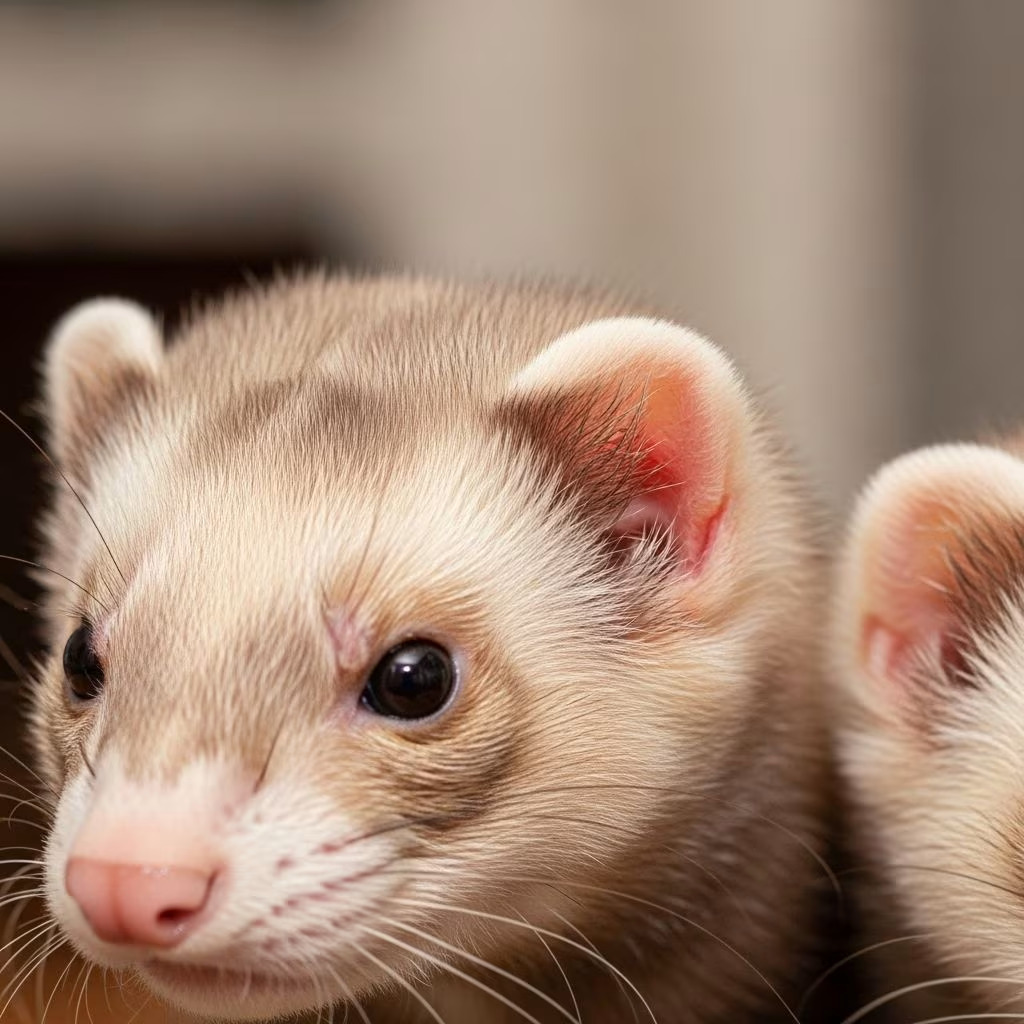
My Ferret’s Ears Are Red: What Do I Do?
Noticing that your ferret’s ears are red can be concerning for any pet owner. Red ears in ferrets are often a sign that something requires attention, whether it’s a minor irritation or a more serious condition. Understanding what causes red ears and knowing how to respond can help you keep your ferret comfortable and healthy. This comprehensive guide will walk you through the common causes of red ears in ferrets, how to identify the problem, and what steps you should take to address it.
Understanding Normal Ferret Ear Health
Before diving into what causes red ears, it’s helpful to understand what healthy ferret ears should look like. Ferrets naturally produce a thick brown wax called cerumen in their ears. This wax is normal and serves a protective function, so not all wax buildup indicates a problem. Healthy ferret ears should have minimal odor and appear pink or slightly reddish on the inner surface. The earwax should be light-colored and relatively small in amount—something that can be gently cleaned away with a moist cotton ball.
When ferret owners see any change in their pet’s ears, such as increased redness, unusual discharge, or behavioral changes like head shaking, it’s important to investigate further. Red ears can indicate various conditions ranging from simple irritation to more complex infections that require veterinary treatment.
Common Causes of Red Ears in Ferrets
Ear Mites: The Most Common Culprit
Ear mites are the most common parasite found in ferrets and are frequently responsible for red, irritated ears. The specific organism involved is Otodectes cynotis, which is the same ear mite that affects dogs and cats. This means ferrets can contract ear mites from other household pets or vice versa. Ear mites act as parasites, feeding on tissue debris and secretions from the ear canal lining.
Ferrets with ear mites typically display distinctive signs that go beyond simple redness. While the inner ear appears red and irritated, you may also notice that the earwax becomes noticeably darker in color—usually black or gray instead of the normal light brown. Additionally, the ears may develop an unpleasant odor that differs from your ferret’s normal scent. In severe cases, excessive scratching can produce scrapes and crusty scabs both inside the ear canal and around the external ear.
Interestingly, some ferrets with ear mites may show no visible signs at all, and the infestation is only discovered during a routine physical examination by a veterinarian. This makes regular ear checks an important part of ferret health maintenance.
Otitis Externa: External Ear Canal Inflammation
Otitis externa refers to inflammation of the external ear canal and is often a secondary symptom of an underlying disease, most commonly ear mites. However, it can also develop from other causes, particularly excessive or overly aggressive ear cleaning. When the ear canal is cleaned too frequently, it removes the natural protective oils that help prevent infections. This removal of protective barriers leaves the delicate ear tissue vulnerable to irritation and secondary infections.
Excessive moisture from frequent cleaning can contribute to the development of otitis externa by creating an environment where bacteria and yeast thrive. If you notice your ferret’s ears becoming red and inflamed, and you’ve been cleaning them regularly, reducing the frequency of cleanings may help resolve the issue.
Otitis Media and Interna: Middle and Inner Ear Infections
Otitis media refers to inflammation of the middle ear, while otitis interna refers to inner ear inflammation. These conditions are less common than otitis externa in ferrets but are more serious. Otitis media typically occurs when a membrane in the ear becomes ruptured, usually as a result of an extension of untreated otitis externa or from overly aggressive ear cleaning. Ferrets with middle or inner ear infections may display more severe symptoms, including head tilt, loss of balance (ataxia), or even facial paralysis.
These deeper ear infections require prompt veterinary attention, as they can lead to complications if left untreated.
Bacterial and Yeast Infections
Secondary bacterial or yeast infections commonly develop in ferrets with red, irritated ears. These infections typically follow from untreated ear mites or prolonged inflammation from other causes. The presence of discharge, crusting, or a change in the appearance or smell of the earwax can indicate a secondary infection that requires treatment beyond simple cleaning.
Other Potential Causes
While less common, other causes of red ears in ferrets include foreign bodies lodged in the ear canal, allergic reactions, or tumors (neoplasms). If your ferret’s ear problems persist after treatment for mites and infections, your veterinarian may recommend additional diagnostic procedures such as X-rays to rule out these less common causes.
Recognizing the Signs and Symptoms
Identifying the specific cause of your ferret’s red ears requires attention to accompanying symptoms. Here are the key signs to observe:
Signs Suggesting Ear Mites
– Dark, grayish, or blackish earwax (instead of normal light brown)
– Unpleasant or musty odor from the ears
– Intense itching and head shaking
– Excessive ear scratching that may cause visible damage
– Brown or blackish crusting on the outer ear
– Oozing or mucous-like substance around the ears
– Hair loss around the head and neck area
Signs Suggesting Other Infections
– Yellowish or purulent discharge from the ears
– Mild to moderate redness without significant crusting
– Swelling or heat in the ear area
– Head tilt or loss of balance (indicating middle or inner ear involvement)
– Reduced appetite or behavioral changes
– Sensitivity when the ears are touched
When to See a Veterinarian
While minor redness might resolve on its own, certain situations warrant immediate veterinary attention:
– Any red ears accompanied by discharge or unusual odor
– Signs of severe itching or self-trauma from scratching
– Head tilt, loss of balance, or coordination problems
– Redness that persists for more than a few days
– Behavioral changes such as reduced appetite or lethargy
– Previous ear problems that are recurring
Diagnosis: What Your Veterinarian Will Do
When you take your ferret to the veterinarian for red ears, they will perform several diagnostic procedures to identify the underlying cause.
Physical Examination
Your veterinarian will begin with a thorough examination of the ear canal using an otoscope, which allows them to visualize the internal structures of the ear and look for signs of mites, discharge, inflammation, or other abnormalities.
Microscopic Examination
A sample of the material from your ferret’s ears will be examined under a microscope to identify ear mites, bacteria, yeast, or other organisms. This is often the quickest way to confirm the presence of ear mites and guide treatment decisions.
Additional Tests
Depending on the findings, your veterinarian may recommend X-rays of the middle ear to assess for deeper infections, or a urine analysis if they suspect an underlying systemic disease contributing to the ear problem.
Treatment Options for Red Ears
Treatment for Ear Mites
If ear mites are diagnosed, treatment typically involves topical or systemic medications. While there are no ferret-specific drugs for managing ear mites, veterinarians use products designed for dogs and cats off-label, under the guidance of a veterinarian familiar with ferrets.
Common treatment options include:
– Ivermectin: Weekly topical applications applied directly into the ear canal under veterinary supervision.
– Selamectin (Revolution, Senergy, or Advantage): Applied once monthly topically to the skin.
– Prescription ear medications: Applied inside the ears daily until signs resolve.
It’s crucial to understand that treatment must continue long enough to kill mites from the last eggs that hatch. Since ear mite eggs take approximately three weeks to mature, treatment typically continues for three to four weeks. Additionally, the tip of your ferret’s tail should also be treated, as ferrets often sleep with their tails near their ears, providing a warm, protected environment for mites.
A critical aspect of ear mite treatment is that all animals in contact with your ferret must also be treated, even if they show no visible signs, as they may be carriers. This includes dogs, cats, and other ferrets in the household.
Treatment for Otitis Externa
For external ear canal inflammation, treatment typically includes:
– Gentle cleaning of the ear canal to remove debris
– Topical drops containing antibiotic, antifungal, and anti-inflammatory agents (such as the off-label use of Tresaderm)
– Systemic antibiotics or NSAIDs if pain or infection is widespread
– Topical ointments applied directly to the outer ear
If secondary bacterial or yeast infection is present, the external ear should be cleaned thoroughly on a daily basis during the initial treatment phase.
Treatment for Otitis Media and Interna
More serious middle and inner ear infections require more aggressive treatment:
– Systemic antibiotics based on culture results
– Anti-nausea and pain medications
– Supportive care to maintain comfort and nutrition
– In severe or chronic cases, surgery or ear canal flushing may be necessary
Supportive and Home Care
Alongside veterinary treatment, supportive care can help your ferret recover:
– Warm compresses: Applied to soothe pain and soften discharge (only if veterinarian-approved)
– Keep ears clean and dry: Avoid excessive moisture in the ear canal
– Quiet environment: Provide a stress-free space for recovery
– Encourage eating: Support nutrition during recovery from pain or nausea
Prevention Strategies
Preventing ear problems is far easier than treating them. Here are key strategies to keep your ferret’s ears healthy:
Proper Ear Cleaning Practices
– Clean your ferret’s ears only when necessary, not excessively
– Use only moist Q-tips or cotton balls for gentle cleaning
– Avoid inserting anything deep into the ear canal
– Never use harsh chemicals or excessive water in the ears
– Allow ears to dry thoroughly after cleaning
Regular Monitoring and Maintenance
– Perform routine ear checks at least monthly
– Look for changes in earwax color, smell, or amount
– Watch for signs of itching, head shaking, or behavioral changes
– Note any discharge, crusting, or unusual odors
Mite Prevention
– Use veterinarian-recommended monthly mite prevention products like Advantage
– Ensure all pets in your household are treated if one is diagnosed with mites
– Maintain a clean living environment for your ferret
– Regularly clean and replace ferret bedding
Disease Control
– Treat and control underlying diseases that may lead to ear problems
– Maintain good overall health through proper nutrition and exercise
– Schedule regular veterinary check-ups
Long-Term Management and Monitoring
After your ferret has been treated for red ears, ongoing monitoring is important. Ear infections can change with prolonged or recurrent therapy, and secondary infections may develop. Regular follow-up appointments with your veterinarian help ensure that the problem has been fully resolved and that no complications have developed.
It’s also important to understand that uncontrolled otitis externa can worsen over time and potentially lead to otitis media or even deafness if left untreated. This underscores the importance of addressing ear problems promptly and following your veterinarian’s treatment recommendations completely.
Frequently Asked Questions
Q: Is it normal for ferret ears to be slightly red?
A: Yes, ferret ears naturally have a pinkish hue on the inner surface. However, if the redness is accompanied by other signs such as discharge, odor, or behavioral changes, it warrants veterinary evaluation.
Q: How can I tell the difference between normal earwax and ear mite infestation?
A: Normal ferret earwax is light brown, odorless, and minimal in amount. Ear mite infections produce dark gray or black waxy buildup with an unpleasant smell. When in doubt, your veterinarian can examine a sample under a microscope.
Q: Can I treat my ferret’s ear mites at home without seeing a veterinarian?
A: No, ear mite treatment requires veterinary supervision. Medications used for ear mites in ferrets are off-label dog and cat products that must be prescribed and monitored by a veterinarian experienced with ferrets.
Q: How long does it take to treat ferret ear mites?
A: Treatment typically lasts three to four weeks to ensure all mite eggs have hatched and been killed. Your veterinarian will provide specific treatment duration recommendations.
Q: Can my other pets catch ear mites from my ferret?
A: Yes, ear mites can be transmitted between ferrets, dogs, and cats. If your ferret is diagnosed with ear mites, all pets in your household should be treated to prevent reinfestation.
Q: What should I do if my ferret’s ears remain red after treatment?
A: Contact your veterinarian for a follow-up examination. Persistent redness may indicate incomplete treatment, secondary infection, or a different underlying condition that requires further investigation.
Q: Are ferrets prone to ear problems more than other small pets?
A: Ferrets are susceptible to ear mites and infections, particularly if their ears are cleaned too frequently or if they have contact with infested animals. Proper care and maintenance can help prevent most ear problems.
References
- Ferret Otitis (Ear Infections): Complete 2025 Vet Guide — AskAVet.com. 2025-11-01. https://askavet.com/blogs/news/complete-2025-vet-guide-ferret-otitis-ear-infections
- Inflammation of the Middle and Outer Ear Canal in Ferrets — PetMD. Updated 2024. https://www.petmd.com/ferret/conditions/ears/c_ft_otitis_media_otitis_externa
- Skin Diseases in Ferrets — VCA Animal Hospitals. https://vcahospitals.com/know-your-pet/ferrets-skin-disease
- Ear Mites in Ferrets — PetMD. Updated 2024. https://www.petmd.com/ferret/conditions/ears/c_ft_ear_mites
- Ferrets – Ear Mites — VCA Animal Hospitals. https://vcahospitals.com/know-your-pet/ferrets-ear-mites
- Infectious Diseases of Ferrets – All Other Pets — Merck Veterinary Manual. Updated 2024. https://www.merckvetmanual.com/all-other-pets/ferrets/infectious-diseases-of-ferrets
- My Ferret’s Ears Are Red – What Do I Do? — Whiskers Paws Love. https://whiskerspawslove.org/article/my-ferrets-ears-are-red-what-do-i-do



