Complete Guide to Ferret Ownership and Care
Master ferret care with expert tips on housing, diet, health, and training.
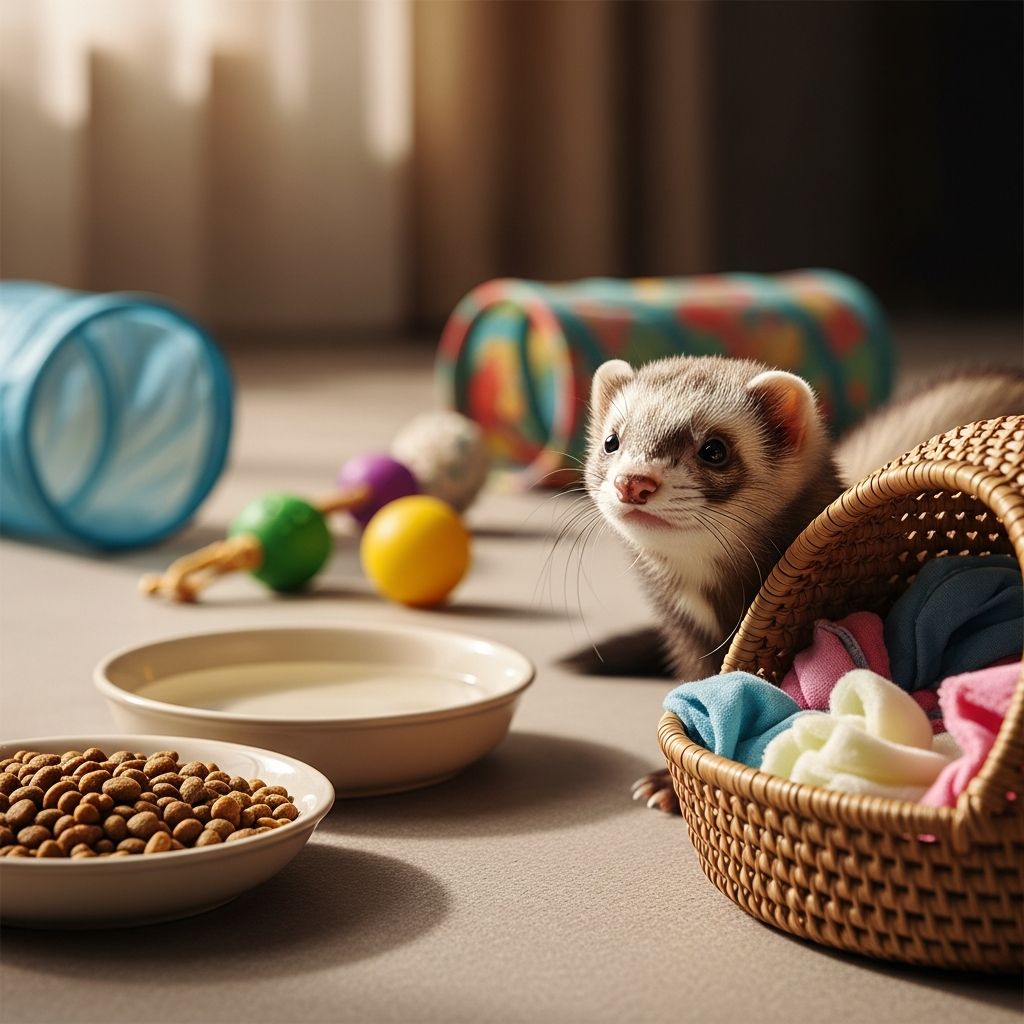
Ferrets have become increasingly popular as household pets, captivating owners with their playful personalities and curious nature. However, bringing a ferret into your home requires careful planning and understanding of their unique needs. Unlike traditional pets, ferrets demand specialized care, a tailored diet, and consistent attention to maintain their health and happiness. This comprehensive guide explores every aspect of ferret ownership, from initial setup to long-term care management.
Setting Up the Ideal Living Environment
Creating a suitable habitat is the foundation of responsible ferret ownership. Your ferret’s living space must balance safety, comfort, and stimulation to support their active lifestyle and natural behaviors.
Cage Selection and Configuration
The enclosure you choose directly impacts your ferret’s quality of life. A properly designed cage should feature multiple levels that allow your pet to climb, explore, and maintain their natural instincts. The cage must have a flat bottom to prevent foot injuries and closely spaced bars—typically no more than half an inch apart—to prevent your ferret from escaping or getting their head stuck. Multi-level cages are particularly popular among ferret enthusiasts because they maximize vertical space and provide opportunities for climbing and jumping.
Size matters considerably. Your cage should be spacious enough for your ferret to run, play, and move freely throughout the day. The minimum recommended space allows for adequate exercise without feeling cramped, though larger enclosures are always preferable.
Bedding and Comfort Materials
Ferrets are natural burrowers with a strong instinct to dig and create cozy spaces. Provide soft, washable bedding materials that allow them to indulge these behaviors while maintaining comfort. Suitable options include soft towels, blankets, fleece liners, and hammocks that ferrets naturally gravitate toward.
Avoid cedar and pine shavings entirely, as these materials contain aromatic compounds that can damage your ferret’s respiratory system. Instead, opt for high-quality bedding designed specifically for small animals or use washable fabric materials that you can clean regularly. Many owners arrange multiple bedding layers to wick away moisture while creating an enriching tunneling environment.
Temperature and Environmental Control
Ferrets are sensitive to temperature extremes. The ideal environment maintains temperatures between 60-75°F (15-21°C). Temperatures above 75°F can cause heat stress and potentially lead to serious health complications. During warmer months, provide cooling options such as frozen water bottles, cooling blocks, and adequate ventilation. Ensure all electrical cords and wires remain hidden, as ferrets may chew through them.
Your ferret’s living area should be well-ventilated, dry, and free from drafts. Proper air circulation prevents moisture buildup and helps control odors that naturally accumulate in ferret habitats.
Nutritional Requirements and Feeding Practices
Understanding ferret nutrition is critical for maintaining optimal health. Ferrets have unique dietary needs that differ significantly from other household pets.
The Obligate Carnivore Diet
Ferrets are obligate carnivores, meaning they require meat-based proteins to thrive. Their bodies have evolved to derive essential nutrients exclusively from animal sources. High-quality ferret-specific food should contain at least 30-40% protein and 15-20% fat to meet their metabolic needs. These macronutrient ratios support their fast metabolism and provide the energy required for their active lifestyle.
Commercial ferret foods formulated to meet these specifications are the most reliable option. These products have been specifically developed and tested for ferret health, ensuring proper nutrient balance and digestibility. Avoid generic small animal foods, as they may contain inappropriate nutrient ratios or ingredients unsuitable for ferret digestion.
Meal Frequency and Feeding Schedule
Due to their quick metabolism and short digestive tract, ferrets require frequent meals throughout the day. Most ferrets need to eat every 3 to 4 hours to maintain stable energy levels and prevent hypoglycemia. This frequent feeding schedule means you must provide constant access to fresh food or establish a structured feeding routine that accommodates their rapid digestive cycle.
Always maintain multiple food and water stations throughout your ferret’s accessible areas. Use tip-resistant earthenware or stainless steel bowls that cannot be easily knocked over by an enthusiastic ferret. Food bowls should be cleaned daily, and any uneaten food should be promptly removed to prevent spoilage and bacterial growth.
Water and Treat Guidelines
Fresh, clean water must be available constantly. Provide water in sturdy bowls or chew-resistant bottles that are checked regularly for clogs or leaks. Water bottles and bowls should be cleaned thoroughly daily to prevent bacterial accumulation.
Treats should be offered sparingly and chosen carefully. Small pieces of cooked meat can be appropriate occasional treats, but avoid sugary snacks, carbohydrate-heavy foods, and anything designed for other species. These inappropriate foods can cause digestive upset and nutritional imbalances.
Health Maintenance and Veterinary Care
Preventive health management is essential for ferret longevity and quality of life. Regular professional care combined with at-home maintenance practices keeps your ferret healthy.
Veterinary Check-ups and Vaccinations
Ferrets require annual veterinary examinations with an exotic animal veterinarian experienced in ferret care. These specialists understand ferret-specific health concerns and can provide appropriate preventive care. During annual visits, your veterinarian will evaluate overall health status and recommend vaccinations against rabies and distemper as appropriate for your region.
Finding a qualified exotic veterinarian before you need emergency services is crucial. Exotic pet veterinary care typically costs more than traditional pet services, so budget accordingly for routine and emergency medical expenses.
Dental and Oral Care
Maintaining dental health prevents serious problems later in life. Provide appropriate chewing materials such as raw bones or veterinarian-recommended chew toys that naturally clean teeth and exercise jaw muscles. Ideally, begin teaching your ferret to accept daily teeth-brushing using a small finger toothbrush and meat-flavored toothpaste formulated specifically for ferrets or cats. Starting this routine when young makes it easier to maintain throughout their life.
Ear and Nail Maintenance
Ferrets accumulate waxy debris in their ears that requires regular attention. Use a cotton ball and ferret-safe ear cleaning solution to gently remove buildup from the outer ear structures. Regular cleaning prevents ear infections and maintains comfort.
Nail care is essential every 2 to 3 weeks for most ferrets. Overgrown nails can cause discomfort and foot problems. Have your veterinarian or a trained professional trim nails to prevent injury. If bleeding occurs during trimming, apply styptic powder to stop the bleeding immediately.
Bathing and Odor Management
Ferrets have a natural musky odor that many people find objectionable. However, frequent bathing actually worsens this smell by stimulating scent gland activity. Limit baths to once monthly or less, using ferret-safe shampoo when necessary. Most odor control comes from regular cage cleaning, not excessive bathing.
Daily spot-cleaning of soiled bedding and weekly thorough habitat cleaning significantly reduces odors. Remove uneaten food promptly, as decomposing food creates unpleasant smells. A clean habitat with proper ventilation is far more effective than bathing for odor management.
Exercise, Play, and Environmental Enrichment
Ferrets are highly active, intelligent animals requiring substantial daily stimulation and exercise.
Supervised Playtime Requirements
Ferrets should have access to a supervised, ferret-proofed exercise area for a minimum of two hours daily. This exercise period can be continuous or divided throughout the day based on your schedule. During playtime, ferrets must be closely monitored to prevent accidents, escape attempts, or contact with hazardous materials.
Create a dedicated play area free from electrical cords, cables, small objects they can swallow, and any toxic substances. Remove houseplants from reach, as some common household plants are toxic to ferrets. Block access to small spaces where ferrets might become trapped.
Enrichment Activities and Toys
Every ferret environment should provide multiple enrichment sources to stimulate their instinctive behaviors. Appropriate toys include tunnels, balls, small objects to manipulate, and activity centers. Ferrets particularly enjoy toys they can pounce on, tunnel through, or manipulate with their paws.
Rotate toys regularly to maintain novelty and interest. Provide hideaway places, hammocks, and sleeping boxes that satisfy their need for security and rest. The most enriching environments combine physical exercise opportunities with mental stimulation through exploration and problem-solving challenges.
Understanding and Addressing Ferret Behavior
Proper behavior management and training create a harmonious relationship with your ferret.
Litter Training
Ferrets can be successfully litter-trained with patience and consistency. Ferrets naturally prefer backing into corners to eliminate, so position large corner litter boxes in their favorite potty areas. Use highly absorbent, all-natural litter that minimizes digestive concerns if accidentally ingested.
Place multiple litter boxes throughout their habitat and play areas. Reward successful litter box use with positive reinforcement. Clean litter boxes daily and remove any hidden or soiled food that could attract them away from proper elimination areas.
Managing Nipping and Play Behavior
Young ferrets commonly nip during play as they learn appropriate interaction boundaries. Redirect this behavior toward toys rather than using harsh punishments, which create fear and aggression. Consistent redirection helps ferrets learn acceptable play behaviors. Provide appropriate chew toys and wrestling opportunities that satisfy their natural play instincts without involving human hands.
Daily Handling and Socialization
Pet ferrets require daily handling, playtime, and human interaction to remain well-socialized. Regular contact from an early age helps ferrets develop comfort with handling and reduces stress-related behavioral problems. Always supervise interactions carefully, particularly when young ferrets are still learning bite inhibition.
Essential Supplies Checklist
Before bringing your ferret home, gather these fundamental items:
- Multi-level cage with closely spaced bars and flat bottom
- High-quality ferret food meeting protein and fat requirements
- Washable bedding, blankets, and hammocks
- Tip-resistant food and water bowls
- Water bottle with chew-resistant design
- Multiple litter boxes and natural litter
- Hideaway places and sleeping boxes
- Variety of ferret-safe toys and tunnels
- Indoor playpen for exercise areas
- Harness and leash for controlled outdoor access
- Grooming supplies including soft brush, nail clippers, and ferret-safe shampoo
- Carry case for veterinary visits
- Pet insurance consideration
Seasonal Considerations and Special Care
Weather changes require adjustments to your ferret care routine. During hot months, increase cooling measures and never leave ferrets in direct sunlight. During walks outside, only venture out during early morning or late evening when ground temperatures are coolest, just as you would with dogs.
Ensure all outdoor enclosures have adequate shade throughout the day and access to cooling measures. Ferrets in outdoor environments need protection from predators, extreme weather, and temperature fluctuations.
Frequently Asked Questions About Ferret Care
Are ferrets easy to take care of?
Ferrets can be high-maintenance pets requiring significant commitment. They need substantial physical and mental stimulation, a specialized carnivorous diet, regular cage cleaning to manage odors, and veterinary care from specialized exotic animal practitioners. Prospective owners should realistically assess their time and financial capacity before committing to ferret ownership.
How long do pet ferrets typically live?
Most pet ferrets live 6-10 years with proper care. This extended lifespan means ferret ownership is a long-term commitment requiring consistent care and attention throughout their lives.
Can multiple ferrets be housed together?
Multiple ferrets can coexist in the same enclosure if properly introduced and socialized. However, housing multiple ferrets requires larger cages and more frequent cleaning to manage odors and maintain hygiene standards.
What temperature is safest for ferrets?
The optimal temperature range is 60-75°F (15-21°C). Temperatures above 75°F increase heat stress risk, while extremely cold environments can cause hypothermia.
Conclusion
Successfully keeping ferrets as pets demands dedication to understanding their specific needs and committing to consistent, specialized care. From carefully designed housing and specialized nutrition to regular health monitoring and enrichment activities, every aspect of ferret care contributes to their well-being. Prospective ferret owners should thoroughly research these requirements before making the commitment, ensuring they can provide the high level of attention and care these remarkable animals deserve. With proper preparation and knowledge, ferrets can be wonderfully rewarding companions for committed, informed pet owners.
References
- The Ultimate Guide to Ferret Pet Care — PAWS Health Partners. 2024. https://pawshealthpartners.com/the-ultimate-guide-to-ferret-pet-care/
- Ferret Care Sheet — PetMD. 2024. https://www.petmd.com/ferret/ferret-care-sheet
- Guide to Owning a Ferret as a Pet — Oxbow Animal Health. 2024. https://oxbowanimalhealth.com/blog/all-about-ferrets/
- Caring for your ferret: Training and feeding — Blue Cross. 2024. https://www.bluecross.org.uk/advice/ferret/caring-for-your-ferret
- How to Create a Good Home For Ferrets — RSPCA. 2024. https://www.rspca.org.uk/adviceandwelfare/pets/ferrets/environment
- Caring for Your Pet Ferret — North Carolina State University College of Veterinary Medicine. 2024. https://hospital.cvm.ncsu.edu/services/small-animals/nutrition/caring-for-your-pet-ferret/
- Ferret care — Animal Humane Society. 2024. https://www.animalhumanesociety.org/resource/ferret-care
Similar Articles








Read full bio of Sneha Tete