Ferret Nutrition Essentials: Complete Feeding Guide
Master the art of feeding your ferret for optimal health, energy, and longevity with expert dietary guidelines.
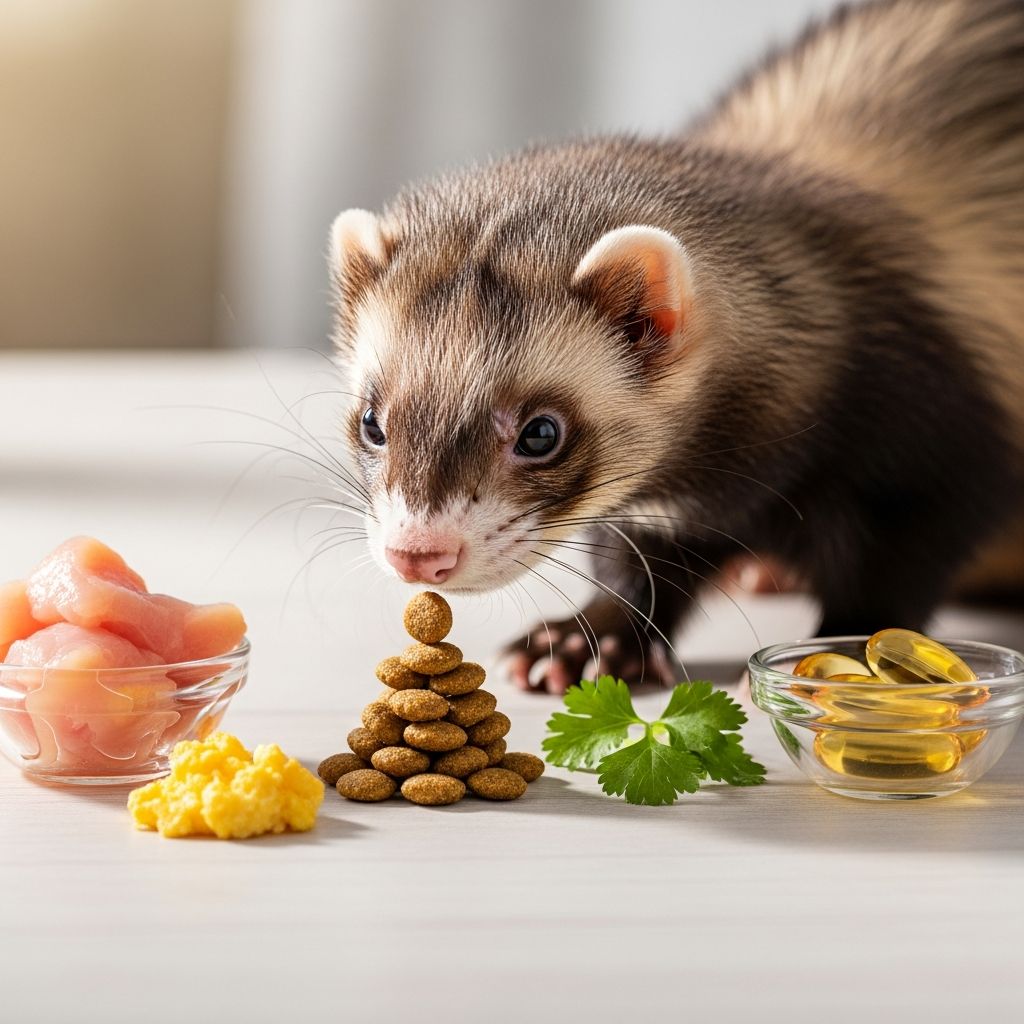
Providing the right nutrition is fundamental to a ferret’s vitality, supporting their high-energy lifestyle and preventing diseases common in these carnivorous pets. Ferrets, as obligate carnivores, thrive on diets rich in animal proteins and fats, mimicking their natural prey-based intake. This guide explores optimal feeding practices, essential nutrients, and practical tips drawn from veterinary expertise to help owners nourish their ferrets effectively.
Understanding Ferret Dietary Needs
Ferrets possess a rapid metabolism that demands frequent, nutrient-dense meals. Unlike dogs or cats, they cannot efficiently process plant-based foods, requiring at least 35-40% protein and 20% fat in their diet to maintain muscle mass and energy levels. High-carbohydrate foods can lead to insulinoma, a prevalent condition in poorly fed ferrets. Prioritizing meat-centric nutrition ensures robust health and playful behavior.
- Obligate Carnivores: Ferrets evolved to consume whole prey, including organs and bones, necessitating animal-sourced proteins.
- Fast Digestion: Food passes through their system in 3-4 hours, calling for multiple daily feedings.
- Age-Specific Adjustments: Kits need softer, higher-calorie foods, while seniors benefit from easier-to-chew options.
Selecting the Best Commercial Foods
Choose ferret-specific kibble as the cornerstone of their diet, formulated to meet Association of American Feed Control Officials (AAFCO) standards for growth and maintenance. Look for labels listing meat meals like chicken or turkey as primary ingredients, avoiding fillers such as corn or grains. Premium options often include taurine for heart health and omega fatty acids for coat shine.
| Food Type | Protein % | Fat % | Best For |
|---|---|---|---|
| Ferret Kibble | 35-45% | 20-30% | All life stages |
| Premium Cat Food (backup) | 30-40% | 15-25% | Adults only |
| Raw/Frozen | 45%+ | 25%+ | Experienced owners |
Transition new foods gradually over 7-10 days to prevent digestive upset, mixing increasing amounts of the new kibble with the old.
Raw and Whole Prey Feeding Options
For owners adventurous with diet, raw feeding replicates wild ferret nutrition using commercially prepared raw patties or whole prey like mice and chicks. These provide natural enzymes, glucosamine for joints, and balanced minerals. Ensure prey is frozen-thawed to eliminate parasites, and supplement with vitamins if feeding partially. Veterinary supervision is crucial to balance calcium-phosphorus ratios and avoid bacterial risks like salmonella.
- Benefits: Enhanced dental health, shinier fur, sustained energy.
- Risks: Pathogen exposure; requires hygienic handling and storage at -20°C.
- Portion Guide: 10-12% of body weight daily, divided into 4-6 meals.
Hydration Strategies for Ferrets
Ferrets often overlook water intake due to their focus on solid foods, risking dehydration and urinary issues. Offer fresh water daily via heavy ceramic bowls or sipper bottles to prevent tipping. Flavored options like diluted low-sodium chicken broth can encourage drinking. Monitor urine output; dark, scant urine signals insufficient hydration.
Ideal Feeding Schedules and Portions
Free-feeding high-quality kibble suits most ferrets, allowing self-regulation per their fast metabolism. For raw diets or treats, divide into 4-6 small meals to stabilize blood sugar. Adjust portions by weight: 50-100g daily for adults (4-6 lbs), weighing monthly to track changes. Overweight ferrets benefit from measured meals and puzzle feeders to promote activity.
- Morning: Refill kibble and water.
- Midday: Spot-check intake during playtime.
- Evening: Offer treats or raw meal, clean uneaten portions.
Safe Treats and Supplements
Limit treats to 10% of diet to avoid obesity and dental problems. Opt for cooked eggs, plain meat baby food, or ferret-specific chews. Avoid dairy, fruits, veggies, and nuts, which ferment in their short guts causing diarrhea. Supplements like fish oil (for omegas) or probiotics may aid digestion but consult a vet first.
Common Nutritional Pitfalls to Avoid
Many owners unwittingly harm ferrets with inappropriate foods. Cat treats high in carbs, dog food lacking sufficient protein, or milk products trigger insulinoma or allergies. Semi-moist foods spoil quickly, fostering bacteria. Always read labels and prioritize dry kibble for dental abrasion.
- No Grains or Sugars: Lead to obesity and cancer risks.
- Avoid Fish-Heavy Diets: Thiaminase depletes vitamin B1.
- Monitor for Allergies: Itching or loose stools indicate sensitivities.
Nutritional Impacts on Long-Term Health
Proper feeding slashes risks of adrenal disease, lymphoma, and dilated cardiomyopathy. High-protein diets bolster immunity, while fats support hormone balance. Obese ferrets face mobility issues; thin ones suffer weakened organs. Annual bloodwork reveals nutritional deficiencies early.
Special Considerations for Life Stages
Kits (Under 6 Months)
Require milk replacer until weaning at 6 weeks, transitioning to softened kibble. Feed 6-8 times daily for growth spurts.
Adults (1-4 Years)
Maintain steady kibble access with weight checks quarterly.
Seniors (5+ Years)
Switch to senior formulas with joint support; smaller, softer pieces ease chewing. Increase monitoring for appetite loss.
Integrating Nutrition with Overall Care
Diet complements housing, exercise, and grooming. Active ferrets burn more calories, needing slight increases. Clean bowls daily to prevent bacterial growth, and pair nutrition with vet-recommended vaccines for holistic wellness.
Frequently Asked Questions (FAQs)
Can ferrets eat cat food?
Premium kitten food serves as a temporary substitute but lacks ideal fat levels for long-term use.
How often should I feed my ferret?
Free-feed dry kibble; supplement with 4-6 raw meals if applicable.
What if my ferret refuses food?
Check for illness signs like lethargy; tempt with warmed meat puree and seek vet care promptly.
Are bones safe for ferrets?
Raw, meaty bones yes for dental health; cooked bones splinter and cause blockages.
Does diet affect ferret odor?
High-quality foods reduce musky smells versus cheap, filler-heavy options.
References
- Ferret Care Sheet — PetMD. 2023. https://www.petmd.com/ferret/ferret-care-sheet
- Caring for your FERRET — Oxbow Animal Health. 2022-07. https://oxbowanimalhealth.com/wp-content/uploads/2023/10/Ferret-Care-Guide-Jul-2022.pdf
- Ferret care and husbandry — PMC – NIH. 2020-03-13. https://pmc.ncbi.nlm.nih.gov/articles/PMC7128698/
- Essential Ferret Care — Flamingo Pet Clinic. 2025. https://flamingopetclinic.com/essential-ferret-care/
- Ultimate Vet Guide 2025: Ferret Care 101 — Ask A Vet. 2025. https://askavet.com/blogs/news/ultimate-vet-guide-2025-ferret-care-101-%F0%9F%90%BE%F0%9F%8F%A1-comprehensive-tips-for-healthy-ferrets
Similar Articles








Read full bio of Sneha Tete