Ferret Nutrition Essentials: A Complete Feeding Guide
Master ferret diet requirements with expert nutritional guidelines and feeding strategies.
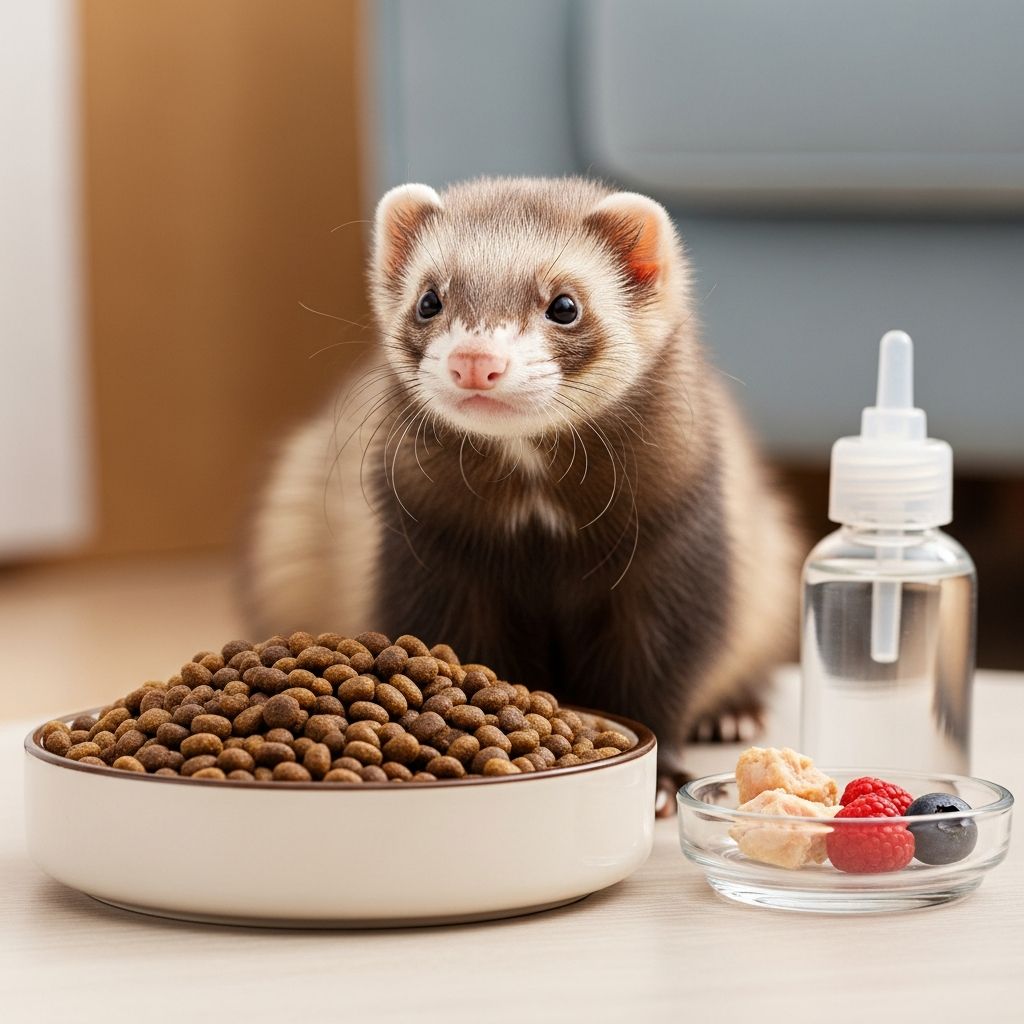
Ferrets are fascinating and energetic pets that require specialized nutritional care to thrive. Understanding their unique dietary needs is fundamental to ensuring your ferret enjoys a long, healthy life. Unlike many other small pets, ferrets possess a highly specialized metabolism that demands a diet specifically tailored to their carnivorous nature. This comprehensive guide explores the nutritional requirements of ferrets and provides practical strategies for maintaining optimal health through proper feeding practices.
The Carnivorous Nature of Ferrets
Ferrets are strict carnivores, meaning they require meat-based nutrition to survive and flourish. Their digestive systems evolved exclusively to process animal proteins and fats, making them fundamentally different from omnivorous pets like dogs and cats. This carnivorous requirement stems from their biological structure—ferrets possess short digestive tracts and lack the enzymes necessary to break down plant-based proteins effectively.
The distinction between carnivorous ferrets and other common pets cannot be overstated. While some pet owners might attempt to feed ferrets grain-based diets or plant-heavy foods, doing so conflicts with their natural physiology. Ferrets simply cannot derive adequate nutrition from vegetable sources, and attempting to provide such diets may lead to serious health complications.
Understanding Core Nutritional Requirements
A properly balanced ferret diet must include specific macronutrient ratios to support their rapid metabolism and energy needs. The following breakdown represents optimal nutritional targets for adult ferrets:
- Animal Protein: 30–40% of total diet composition
- High-Quality Meat-Based Protein: At least 90% from animal sources
- Dietary Fat: 15–20% of total diet composition
- Carbohydrates: Minimal to no carbohydrates; less than 30% maximum
- Fiber: Less than 4% due to digestive limitations
These specific ratios address the metabolic demands of ferrets, which burn calories at exceptionally high rates. The elevated protein requirement supports muscle maintenance and metabolic functions, while adequate fat content ensures healthy coat condition, skin integrity, and continued energy production. Insufficient fat intake can result in dry, brittle fur and itchy skin, signaling nutritional imbalance.
Commercial Ferret Food Options
High-quality, species-specific ferret kibble represents the most practical and reliable feeding option for most pet owners. When evaluating commercial ferret foods, examine package labels carefully to ensure they meet nutritional standards.
Look for these key indicators when selecting ferret food:
- Meat or poultry listed as primary ingredients
- Protein content between 32–40%
- Fat content between 15–20%
- Absence of corn, wheat, soy, or grain fillers
- No artificial colorings or flavorings
- Premium formulations specifically designed for ferrets
Veterinary specialists recommend ferret-specific diets over generic pet foods. While premium cat food formulated for growth has historically been suggested as an alternative, dedicated ferret formulations provide superior nutritional balance tailored to their unique requirements. Recommended brands typically include formulations specifically engineered to meet ferret nutritional standards, ensuring consistency and appropriate macronutrient ratios.
Alternative Feeding Approaches
Beyond commercial kibble, some ferret owners pursue alternative feeding methods. Whole prey diets and frozen nutritionally balanced meat options exist as possibilities, though these approaches require significant planning and veterinary consultation.
Raw and Whole Prey Diets: Some dedicated ferret enthusiasts feed whole prey items such as frozen-thawed mice, rats, rabbits, or quail. This approach mimics natural feeding patterns and may support dental health by reducing plaque accumulation. However, whole prey diets demand careful sourcing, proper handling to prevent bacterial contamination, and thorough understanding of nutritional balance to prevent deficiencies.
Cooked Meat Options: Small portions of cooked, boneless lean meats including chicken, turkey, beef, or fish can supplement a primary diet. These should be offered as occasional treats rather than dietary staples, diced into manageable pieces to prevent choking hazards.
Homemade Diets: Formulating homemade ferret diets is generally discouraged by veterinary professionals due to the complexity of achieving proper nutritional balance and the high risk of creating deficiencies. Without specialized nutritional knowledge, homemade approaches frequently fail to meet ferrets’ exacting requirements.
Feeding Frequency and Portion Control
Ferrets possess exceptionally fast metabolisms that influence feeding schedules significantly. Due to their rapid metabolism and short digestive tracts, ferrets require frequent feeding throughout the day.
| Feeding Method | Description | Considerations |
|---|---|---|
| Free-Feeding with Dry Kibble | Dry food remains available constantly | Most practical for working owners; ferrets self-regulate intake |
| Multiple Small Meals | 8–10 small portions distributed daily | Requires schedule flexibility |
| Mixed Wet and Dry | Combination feeding approach | Wet portions must be removed within 30 minutes |
The average ferret consumes approximately 5–7% of their body weight daily, translating to roughly 50–75 grams for a one-kilogram ferret. However, individual ferrets vary significantly in consumption patterns based on age, activity level, and life stage. Young, growing kits require substantially more calories and protein than adult ferrets, while breeding females demand increased nutritional density.
Ferrets are susceptible to hypoglycemia (low blood sugar) when food remains unavailable for extended periods, making consistent access to nutrition critical for health. This physiological reality makes free-feeding an attractive option for many ferret owners, allowing pets to eat according to their metabolic demands throughout the day.
Foods and Ingredients to Avoid
Certain foods and ingredients pose serious health risks to ferrets and should never be introduced into their diet. Understanding what constitutes unsafe feeding practices is essential for preventive pet care.
Prohibited Foods:
- Raisins and grapes: Known to cause kidney damage and other serious complications
- Avocado: Contains compounds toxic to ferret physiology
- Chocolate: Contains theobromine, which ferrets cannot metabolize safely
- Dairy products: Ferrets lack lactase enzyme; dairy causes digestive distress
- Fruits and vegetables: High fiber content causes digestive upset and diarrhea
- Grains and cereals: Bread and grain-based foods lack nutritional value for ferrets
- Sugary snacks and treats: Contribute to metabolic imbalances and obesity
Problematic Ingredients in Commercial Products:
- Grain-free diets containing peas (associated with bladder stone formation)
- Raisin juice in ingredient lists
- Generic cat food formulations
- Diets exceeding 40% protein (potentially detrimental to senior ferret kidneys)
Treats and Supplementary Foods
While treats can enhance a ferret’s diet variety and provide enrichment, they must be offered sparingly and thoughtfully. The general guideline suggests no more than one heaping teaspoon total of treats daily.
Acceptable Treat Options:
- Small pieces of cooked lean meat (chicken, turkey, beef, fish)
- Minimal amounts of certain vegetables (cucumber, green pepper, melon) in moderation
- Bob Church’s Chicken Gravy, also known as “duck soup”—a traditional supplementary food for ferrets
- Commercial ferret treats formulated with low carbohydrate content
When selecting commercial ferret treats, always examine labels carefully. Many store-bought options contain excessive carbohydrates that contradict ferret nutritional requirements. Quality commercial treats should reflect the same nutritional principles as primary diets: high protein, appropriate fat content, and minimal fillers.
Feeding Schedule Implementation
Establishing a consistent feeding routine supports digestive health and behavioral stability. The most practical approach for most households involves maintaining dry kibble available at all times, ensuring ferrets can eat according to metabolic demand.
Daily Feeding Practices:
- Provide fresh, clean water daily; change water bottle or dish contents regularly
- Store dry food in airtight containers to maintain freshness and prevent oxidation
- If offering wet or fresh foods, remove uneaten portions within 30 minutes to prevent bacterial growth
- Monitor your ferret’s weight regularly to detect underweight or overweight conditions early
- Transition to new diets gradually over several days to prevent digestive upset
Water availability deserves particular emphasis. Ferrets require constant access to clean drinking water, whether provided through water bottles or bowls. Heavy ceramic or weighted dishes prevent spillage and maintain water quality throughout the day.
Nutritional Considerations for Life Stages
Ferret nutritional needs vary throughout their lifespan, with growing kits, reproductive females, and geriatric animals having distinct requirements.
Growing Kits: Young ferrets require higher protein and fat concentrations to support rapid growth and development. Diets formulated for growth and reproduction provide adequate caloric density for developing kits.
Breeding and Lactating Females: Reproducing females require minimum protein levels of 30% and substantially increased caloric density to support milk production and fetal development. These ferrets benefit from growth-formula commercial diets during reproductive periods.
Geriatric Ferrets: Senior ferrets may require dietary adjustments based on individual health status. Protein levels should typically not exceed 40% to minimize stress on aging kidneys. Consult veterinary professionals regarding appropriate adjustments for senior animals.
Supplementation and Vitamin Considerations
Extra vitamin supplements are unnecessary when ferrets consume high-quality, premium commercial diets formulated specifically for their species. These professionally formulated foods include balanced micronutrient profiles addressing all vitamin and mineral requirements.
Providing supplements without veterinary guidance may create nutritional imbalances rather than correcting deficiencies. If you suspect your ferret requires supplementation based on specific health conditions, consult your veterinarian before introducing any additional products.
Weight Management and Health Monitoring
Regular weight monitoring helps identify developing health issues before they become serious. While obesity was historically considered rare in ferrets with appropriate feeding, modern ferrets may develop weight issues if overfed or provided inappropriate diet compositions.
Maintaining appropriate body condition supports overall health and prevents metabolic diseases. Work with your veterinarian to establish healthy weight ranges for your individual ferret and implement monitoring protocols as part of regular health maintenance.
Consulting Your Veterinarian
Ferret nutrition represents a specialized area requiring professional expertise. Your veterinarian can provide personalized dietary recommendations based on your ferret’s age, health status, activity level, and any existing medical conditions. Professional guidance becomes particularly important when considering alternative feeding approaches, treating specific health conditions, or addressing unusual dietary concerns.
Remember that your ferret’s long-term health directly reflects the quality of nutrition provided. Investing in premium, appropriate diets and maintaining consistent feeding practices represents one of the most valuable contributions to your ferret’s wellbeing and longevity.
References
- Feeding Your Ferret: Nutrition 101 — Clyde’s Animal Clinic. 2025-08-08. https://clydesanimalclinic.com/2025/08/08/feeding-your-ferret-nutrition-101/
- Ferret nutrition — National Center for Biotechnology Information (PubMed). 2001. https://pubmed.ncbi.nlm.nih.gov/11228691/
- Essentials for Ferrets — Milwood Animal Clinic. https://www.milwoodanimalclinic.com/
- Feeding Ferrets — VCA Animal Hospitals. https://vcahospitals.com/know-your-pet/feeding-ferrets
- What Should I Feed My Ferret? — Mazuri. https://mazuri.com/blogs/education-and-nutrition/what-should-i-feed-my-ferret
- Ferrets General Care Guidelines — Indiana Board of Animal Health (IN.gov). https://www.in.gov/boah/files/Ferrets-General-Care-Guidelines.pdf
- Ferret care & nutrition — UK Pet Food. https://www.ukpetfood.org/pet-care-advice/advice-for-small-mammals/ferret-care-nutrition.html
Similar Articles








Read full bio of Sneha Tete