Insulinoma In Ferrets: A Complete Owner’s Guide
A comprehensive guide to recognizing, diagnosing, and managing pancreatic tumors in pet ferrets.
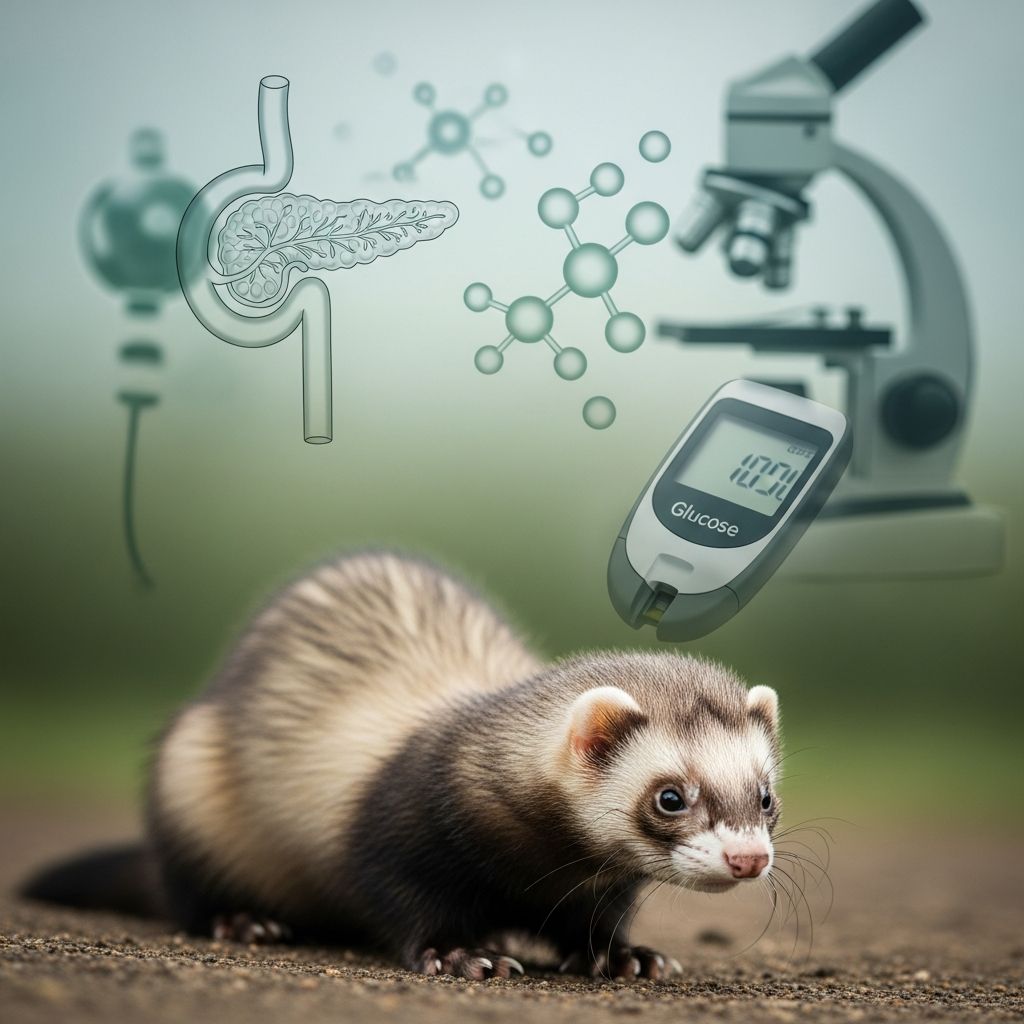
Insulinoma is a serious health condition affecting the pancreas of ferrets, characterized by the growth of cancerous cells that produce excessive amounts of insulin. This condition leads to dangerously low blood sugar levels, known as hypoglycemia, which can significantly impact your ferret’s quality of life. Understanding this disease is essential for ferret owners, as early recognition and appropriate management can help extend survival time and maintain your pet’s comfort.
What Is Insulinoma and How Does It Develop?
Insulinoma develops when beta cells in the pancreas grow uncontrollably and produce abnormally high levels of insulin. The pancreas is a vital organ responsible for regulating blood glucose levels through insulin production. When tumor cells take over this function, they secrete insulin continuously and excessively, causing blood sugar to drop to life-threatening levels. This hormonal imbalance creates a cascade of complications throughout the ferret’s body.
The exact cause of insulinoma in ferrets remains unclear, though researchers have proposed a nutritional hypothesis suggesting that certain dietary factors may contribute to tumor development. This theory has led veterinarians to recommend dietary modifications as part of a prevention and management strategy.
Recognizing Early Warning Signs
Insulinoma symptoms develop gradually in many cases, making early detection challenging for owners. The disease progresses through distinct stages, with early signs often being subtle and easily overlooked:
- Initial Stage Symptoms: Reduced activity levels, unexplained weight loss, difficulty waking from sleep, and normal or slightly decreased appetite. Owners frequently miss these signs as they develop slowly.
- Progressive Stage Symptoms: Loss of appetite, severe lethargy, mental dullness, irritability, tremors, and a characteristic “stargazing” posture with a glassy-eyed appearance.
- Advanced Stage Symptoms: Excessive drooling (ptyalism), pawing at the mouth due to oral sensations, hindlimb weakness or paralysis, and grinding of teeth (bruxism).
- Critical Stage Symptoms: Sudden collapse, seizures, loss of consciousness, and hypothermia requiring immediate veterinary intervention.
Some ferrets may display partial rear leg paralysis or lack coordination, symptoms that can be mistaken for spinal problems rather than metabolic disease. The variability in symptom presentation means that some ferrets appear relatively normal while experiencing significant internal changes.
Diagnostic Process and Blood Testing
Proper diagnosis of insulinoma requires specific blood work and patient preparation. Your veterinarian will typically recommend a fasting glucose test, which involves withholding food for approximately four hours before the appointment. During this fasting period, a blood sample is drawn to measure glucose and insulin levels simultaneously.
A ferret with insulinoma will display lower-than-normal blood glucose levels paired with normal or elevated insulin levels—an unusual combination that confirms excessive insulin production. Standard blood work often returns normal results for other organ functions, making the fasting glucose test the critical diagnostic tool. Ultrasound imaging is occasionally used but only identifies tumors in some cases, so it should not be relied upon as a sole diagnostic method.
Regular monitoring through blood glucose testing is essential throughout treatment, as results guide medication adjustments and help your veterinarian assess how well the current management plan is working.
Medical Management Strategies
Medical therapy represents the most common initial treatment approach, as it can effectively control symptoms without requiring surgery. However, it’s important to understand that medication manages the disease but does not cure it.
Corticosteroid Therapy
Prednisolone or prednisone serves as the primary medication for insulinoma management. These corticosteroids work by increasing blood glucose levels through multiple mechanisms: inhibiting cellular glucose uptake, promoting glucose production in the liver (gluconeogenesis), and reducing insulin’s effectiveness at binding to cell receptors. Treatment typically begins with the lowest effective dose and increases gradually as needed to control symptoms.
Standard dosing ranges from 0.5 to 2 mg/kg administered twice daily, with dosage adjustments made based on blood glucose monitoring and symptom control. While ferrets show relative resistance to the immunosuppressive side effects of long-term corticosteroid use, prolonged therapy may cause weight gain around the abdomen and slow hair regrowth in shaved areas.
Gastric Protection
Decreased blood glucose increases histamine release and stomach acid production, causing pain, nausea, and loss of appetite. Famotidine, a medication that reduces stomach acid, is frequently prescribed alongside corticosteroids at doses of 0.5 mg/kg every 12 to 24 hours to alleviate gastrointestinal discomfort.
Dietary Modifications
Feeding strategies play a crucial role in medical management. High-protein, easily digestible foods should be offered frequently throughout the day to help stabilize blood glucose levels. Cat food or specialized ferret food formulations are recommended, while high-sugar foods should be strictly avoided as they can stimulate the pancreas to produce additional insulin, triggering hypoglycemic episodes.
Surgical Treatment Options
Surgical resection of pancreatic tumors is considered the treatment of choice for achieving greater clinical improvement and longer survival times. The procedure involves careful visualization and gentle palpation of the pancreas to locate nodules, followed by removal of affected tissue or partial pancreatectomy.
Surgery requires meticulous perioperative management to prevent hypoglycemic crisis. An intravenous catheter is placed before surgery, and 5% dextrose solution is administered throughout the procedure and recovery period. Despite successful surgical removal, insulinomas can recur, meaning long-term medical management may still be necessary.
Managing Acute Hypoglycemic Episodes
Owners need clear protocols for handling sudden hypoglycemic events, as prompt response can prevent serious complications:
For Conscious Ferrets Showing Mild Symptoms: Immediately offer high-protein, easily digestible food such as specialized carnivore care formulas. This provides sustained glucose elevation and prevents further decline.
For Ferrets Showing Severe Symptoms or Unresponsiveness: Apply corn syrup, Karo syrup, honey, or glucose solutions directly to the oral mucous membranes for rapid absorption. Never force liquids into an unconscious animal, as aspiration risk is significant.
Emergency Veterinary Care: If seizures are present or the ferret is comatose, immediate veterinary attention is essential. Veterinarians administer intravenous dextrose (50% solution at 0.25-2 mL doses titrated to effect) for rapid blood glucose correction. Once seizures cease, the ferret is placed on maintenance fluids containing 5% dextrose. If seizures continue despite IV glucose administration, diazepam (1 mg/kg intravenously) may be required.
Prognosis and Survival Expectations
| Treatment Approach | Expected Survival Time |
|---|---|
| No Treatment | Approximately 3 months |
| Medical Management Only | 6-12 months (some ferrets reach 5+ years) |
| Surgery Combined with Medical Management | 1-3 years |
While these timeframes provide general guidance, individual ferrets respond differently to treatment. With appropriate management combining medication and dietary control, many ferrets maintain good quality of life for extended periods. Some exceptional cases have lived five years or longer on medical treatment alone. Regular blood glucose monitoring every few months and after medication adjustments helps optimize outcomes and catch declining trends early.
Quality of Life Considerations
Insulinoma is undeniably uncomfortable, as it involves a cancerous internal organ and chronic metabolic stress. However, ferrets can maintain acceptable quality of life through appropriate management. Success depends on consistent medication administration, frequent feeding with suitable foods, regular veterinary monitoring, and owner vigilance in recognizing symptom changes.
Each ferret’s disease progression differs, making individualized treatment plans essential. Some ferrets progress rapidly while others maintain stability for months. Open communication with your veterinarian about your ferret’s specific response to treatment ensures adjustments are made promptly when needed.
Frequently Asked Questions
Is insulinoma painful for ferrets?
Yes, insulinoma causes discomfort and pain. The cancerous tumor affects a vital organ, and the constant metabolic stress from hypoglycemic episodes causes physical distress and painful episodes. Proper pain management and symptom control through medication improve quality of life.
Can insulinoma be cured?
Unfortunately, insulinoma cannot be permanently cured. While surgery can significantly slow disease progression and medication effectively controls symptoms, the disease typically persists. Tumors can recur even after surgical removal. However, many ferrets achieve good quality of life with appropriate management and can live comfortably for extended periods.
What diet is best for ferrets with insulinoma?
High-protein, low-sugar diets are essential. Cat food or specialized ferret formulations are appropriate choices. Foods should be offered frequently throughout the day rather than in single large meals. Avoid high-sugar foods and treats that stimulate excessive insulin production.
How often should blood glucose be tested?
Regular fasting glucose tests every few months are recommended to monitor medication effectiveness and disease progression. Additional testing should occur whenever medication doses are adjusted.
Can ferrets with insulinoma have normal lives?
While insulinoma is a serious condition, properly managed ferrets can engage in normal activities and maintain good quality of life. Consistent treatment, careful monitoring, and prompt response to symptom changes allow many ferrets to live comfortably despite the disease.
References
- Current Approach to Insulinoma in Ferrets (Proceedings) — DVM360, Dan Johnson, DVM, DABVP. Available at: https://www.dvm360.com/view/current-approach-insulinoma-ferrets-proceedings
- Insulinoma in Ferrets – Symptoms, Diagnosis and Treatment — Chicago Exotics Animal Hospital. Available at: http://www.exoticpetvet.com/insulinoma-in-ferrets.html
- Insulinoma in Ferrets: Symptoms, Diagnosis and Treatment — Lake Bend Animal Hospital. Available at: https://lbah.com/ferret/ferret-insulinoma/
- Insulinoma — Ferret Association of Connecticut. Available at: https://ferretassn.org/about-ferrets/health/illness-disease/common-major-illness/insulinoma/
- Hormonal Disorders of Ferrets – All Other Pets — Merck Veterinary Manual. Available at: https://www.merckvetmanual.com/all-other-pets/ferrets/hormonal-disorders-of-ferrets
Similar Articles








Read full bio of medha deb