

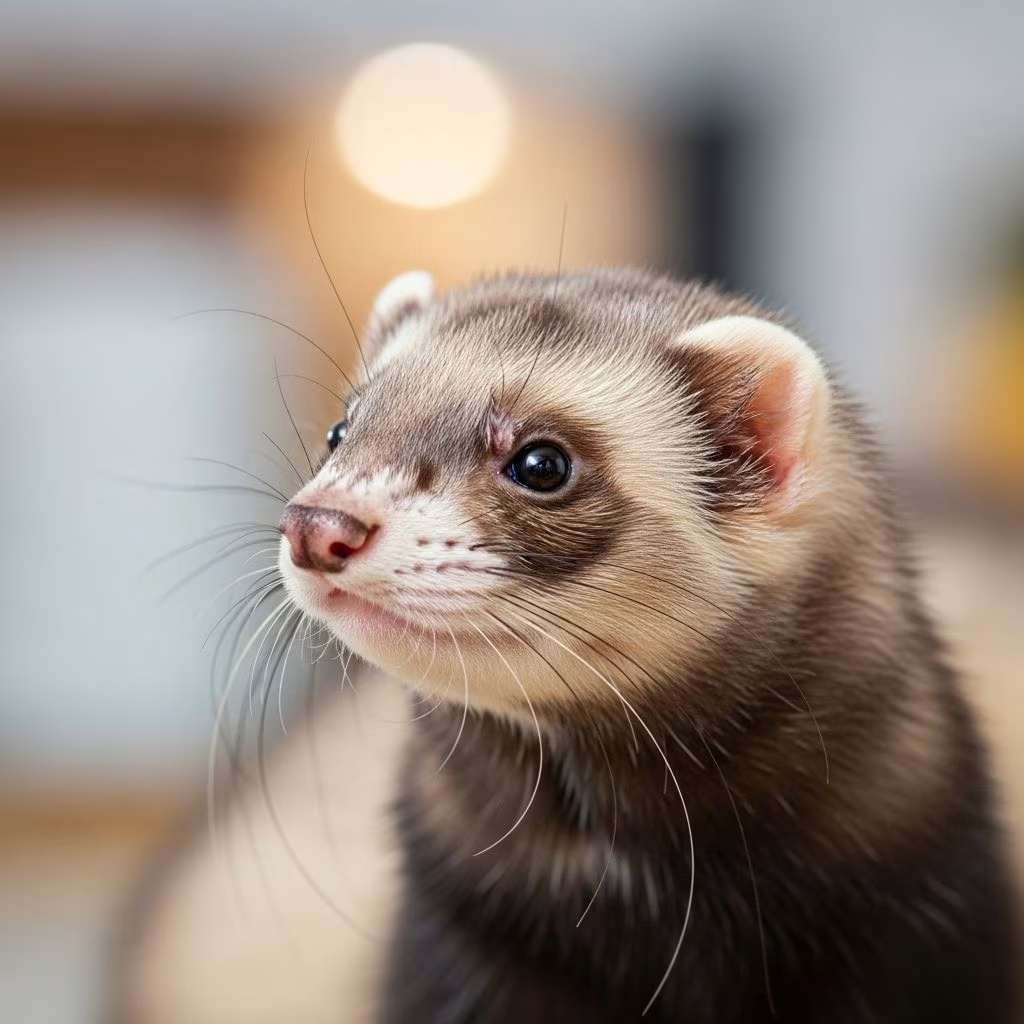
Ferrets are captivating and entertaining pets that have captured the hearts of animal lovers worldwide. These curious, energetic creatures belong to the Mustelidae family, making them relatives of weasels, otters, and badgers. Before bringing a ferret into your home, it’s essential to understand their unique characteristics, care requirements, and behavioral traits. This comprehensive guide covers 19 critical facts about ferrets that every potential and current owner should know.
Understanding Ferret Basics
Ferrets Are Not Rodents
One of the most important facts to understand is that ferrets are not rodents. Despite their small size and some similarities to certain rodent species, ferrets are carnivorous mammals belonging to the weasel family. This distinction is crucial because it directly impacts their dietary needs and overall care requirements. Understanding their true classification helps owners provide appropriate nutrition and enrichment tailored to their predatory nature.
Ferrets Have a Unique Lifespan
Ferrets typically live for around six to eight years in captivity, though some can reach up to ten years with excellent health care and proper living conditions. This lifespan is considerably shorter than many other popular pets, making the decision to bring a ferret home a long-term but not lifelong commitment. Understanding their lifespan helps owners prepare for the years ahead and plan for their pet’s retirement care.
They Are Obligate Carnivores
Ferrets are obligate carnivores, meaning their bodies are specifically adapted to derive nutrition exclusively from animal protein sources. Unlike some other pets that can supplement their diet with vegetables and grains, ferrets require a nutritionally complete diet high in meat protein. Fruits and vegetables should not be offered to ferrets, as their digestive systems cannot efficiently process plant-based materials. A high-protein, meat-based diet is non-negotiable for maintaining optimal ferret health.
Dietary Requirements and Feeding
Proper Nutrition is Essential
Ferrets need a diet consisting mainly of animal by-products rather than grain-based formulations. The amino acids found in vegetable protein are not properly utilized by a ferret’s digestive system. Premium ferret-specific kibble or high-quality cat food designed for obligate carnivores is recommended. Juvenile ferrets should have access to wet food to help prevent rectal prolapse, a condition that can occur in young ferrets.
Free-Feeding is Recommended
Ferrets are free-feeding animals, meaning fresh food should always be available. Their fast metabolism requires constant access to nutrition throughout the day. However, any hidden or leftover food should be removed during habitat cleaning to prevent spoilage and mold growth. This feeding approach differs significantly from many other pets and reflects ferrets’ natural feeding patterns in the wild.
Treats Should Be Limited
While treats can be an enjoyable way to bond with your ferret, they should not exceed 10% of your ferret’s total daily caloric intake. Treats should never be used as a diet substitute and should be carefully selected to avoid dairy and sugar content, which can cause digestive issues. Healthy treat options include small amounts of meat-based products or commercially available ferret treats specifically formulated for their dietary needs.
Housing and Environmental Needs
Spacious Housing is Important
Your ferret’s habitat should include a wire enclosure with a safety lock large enough for your ferret to play in, with size-appropriate wire spacing to prevent escape. Multi-level enclosures are highly recommended to provide vertical space for exploration and play. The housing should be positioned in a cool area away from direct sunlight, drafts, and temperature extremes. Ferrets are sensitive to temperature changes and require carefully controlled environments.
Temperature Control is Critical
Ferrets must be protected from temperature extremes, particularly heat. When temperatures exceed 90 degrees Fahrenheit, ferrets should be kept in shade with plenty of ventilation and access to fresh water. Overheating can quickly become dangerous for ferrets, potentially leading to heat exhaustion or worse. Providing cooling elements such as frozen water bottles or freeze packs during warm months is essential for their safety and comfort.
Substrate and Bedding Choices
High back litter pans are recommended because ferrets prefer to back into corners before eliminating waste. Dust-free, biodegradable litter is the safest choice for ferrets and their respiratory health. Bedding substrate should differ from litter box material to maintain habitat cleanliness. Many ferret owners use hay, shredded paper, fleece blankets, hammocks, and fabric nesting boxes to create comfortable, low-mess bedding environments.
Behavioral Characteristics
Ferrets Are Inquisitive and Energetic
By nature, ferrets are inquisitive, funny, and energetic animals. They possess strong instincts to hunt, explore, and stash items in hidden locations. This inherent curiosity drives their need for daily exploration and enrichment. Understanding and accommodating these natural behaviors is essential for keeping ferrets mentally stimulated and physically active. Boredom can lead to destructive behaviors and health problems.
They Require Extensive Socialization
Ferrets that are handled frequently from a young age can form strong bonds with their owners and love attention. Young ferrets, known as kits, can be prone to biting, so first-time ferret owners should look for ferrets that are at least a year old, have been handled extensively, and demonstrate friendly temperaments. Proper socialization is crucial for developing well-adjusted, friendly companions.
Chewing and Exploration Instincts
Ferrets are prone to chewing, especially on rubber and soft plastics, which are not digestible and can be extremely dangerous. Safe chewing toys must be provided, and all latex, rubber, and soft plastic should be removed from play areas. Electrical cords must also be kept out of reach and protected with appropriate coverings to prevent injury or fire hazards.
Grooming and Hygiene
Nail Trimming is Essential
Ferrets need their nails trimmed every one to two weeks, and monthly trimming at minimum. An effective technique involves laying your ferret on its back in your lap, applying their favorite liquid treat like salmon oil or Ferretone to their belly, and allowing them to lick it while you trim their nails. Styptic powder should always be on hand to stop bleeding if you accidentally cut into the quick.
Ear Cleaning Requirements
Ears should be checked and cleaned regularly, approximately every couple of weeks, using cotton balls and appropriate ear cleaner. If preferred, hydrogen peroxide or mineral oil can be used with a Q-Tip for gentle cleaning. Regular ear maintenance helps prevent infections and allows for early detection of health issues.
Bathing Guidelines
Ferrets are naturally clean animals and groom themselves regularly. Bathing is not necessary and can actually strip their coat of natural oils, causing skin problems. While some ferret owners bathe their pets monthly to reduce odor, this is optional rather than essential. If bathing is chosen, it should occur no more than once a month using baby shampoo, carefully keeping water away from eyes and nose.
Health and Veterinary Care
Vaccinations Are Vital
Your ferret should receive its first distemper vaccination between 7 to 9 weeks of age, with a full series of three vaccinations administered 3-4 weeks apart. Annual revaccination is essential to maintain immunity. Additionally, ferrets should receive a rabies vaccination between 12-16 weeks of age (timing varies by state regulations) and then annually. Establishing a relationship with a ferret-experienced veterinarian is crucial before health problems arise.
Common Illnesses to Watch For
Ferrets can catch and transmit the common cold, requiring plenty of rest and water as treatment, though veterinary care is sometimes needed to prevent complications. Ferrets are particularly susceptible to pneumonia and should be closely monitored for signs of reduced activity, which indicates potential illness. Regular veterinary checkups at least annually help identify health issues early.
Hairball Management
When ferrets shed, they tend to develop hairballs, making it important to keep a malt-based laxative like Ferret Lax on hand to alleviate this problem. A soft-bristled brush can be used to gently brush your ferret to remove loose hair, which simultaneously increases bonding between owner and pet. Regular brushing during shedding seasons helps prevent hairball accumulation.
Safety and Enrichment
Ferret-Proofing Your Home
If ferrets are allowed to roam around your house, the environment must be thoroughly ferret-proofed. All cables must have protective coverings to prevent chewing and electrical hazards. House plants should be removed as they may be poisonous. Cleaning products and medicines must be kept out of reach in secure cabinets. This comprehensive approach to home safety prevents accidents and injuries.
Enrichment and Exercise Importance
Every ferret-friendly enclosure and secure play area should provide multiple sources of enrichment including tunnels, tubes, hard plastic balls, and hammocks. Daily access to enriching and carefully ferret-proofed environments provides healthy outlets for both physical exercise and mental stimulation. Adult supervision during playtime ensures their naturally meddlesome antics don’t result in accidents or injuries.
Transportation and Outdoor Safety
Ferrets should be secured with a leash, harness, or kept in a pet-safe carrier when taken outside the house. Walking ferrets requires special consideration during warm months, only occurring in early morning or late evening when temperatures are coolest, similar to dog walking protocols. Proper containment prevents escape and ensures safety during outdoor activities.
Disease Prevention and Hygiene Practices
Zoonotic Disease Transmission
Although ferrets can carry diseases such as the common cold, flu, and H1N1 that can be transmitted to humans, proper hygiene prevents transmission. Hands should be washed before and after handling ferrets, their habitats, or anything within their habitats. Kissing small animals should be avoided as illnesses are sometimes spread through this contact. Never use food preparation areas to clean ferret habitats or their contents.
Advanced Care Considerations
Microchipping and Registration
Ferrets should be microchipped to permanently identify them and facilitate reunion with owners if they go missing. In England and Wales, ferrets should be registered on the Animal and Plant Health Agency (APHA) register. Scottish residents must follow Scottish-specific guidance. These identification measures are critical for lost pet recovery.
Pet Insurance Benefits
Given that ferrets are very active pets and can easily get scrapes or eat something they shouldn’t, leading to costly veterinary bills, pet insurance is a good investment. Insurance helps manage unexpected health care expenses and encourages owners to seek prompt veterinary treatment when needed.
Cleaning and Maintenance Schedules
Regular Habitat Cleaning
Litter trays should be cleaned daily, while the rest of the ferret’s housing should be cleaned at least weekly. Because ferrets hide food, removing any stashed food during cleaning prevents mold growth and spoilage. Maintaining clean habitats is essential for preventing respiratory infections and maintaining overall ferret health.
Frequently Asked Questions
Q: How long do ferrets typically live?
A: Ferrets typically live 6-8 years, though some can reach up to 10 years with excellent health care and proper living conditions.
Q: What should ferrets eat?
A: Ferrets are obligate carnivores requiring a high-protein, meat-based diet. Fruits, vegetables, and grains are not suitable and should be avoided entirely.
Q: How often should I trim my ferret’s nails?
A: Ferrets need nail trimming every 1-2 weeks. Using a favorite treat like salmon oil during trimming makes the process easier and more enjoyable for your pet.
Q: Do ferrets need baths?
A: Ferrets do not require regular bathing as they are naturally clean animals. Bathing can strip natural oils from their coat and cause skin problems.
Q: What temperature is safe for ferrets?
A: Ferrets are sensitive to heat and should not be exposed to temperatures above 90°F. They require shade, ventilation, and fresh water during warm months.
Q: Are ferrets good pets for families with young children?
A: Ferrets can be good family pets, but children should always be supervised when handling them due to their small size and potential for biting if mishandled.
Q: How do I ferret-proof my home?
A: Ferret-proofing involves protecting electrical cables, removing toxic plants, securing cleaning products, and blocking access to small spaces where ferrets could get stuck.
Q: What vaccinations do ferrets need?
A: Ferrets need distemper vaccinations starting at 7-9 weeks of age (three doses total) and rabies vaccination at 12-16 weeks, with annual boosters thereafter.
References
- Mini-Guide – English — Ferret Association of Connecticut. Accessed 2025-11-28. https://ferretassn.org/about-ferrets/general-care/mini-guide-english/
- Caring for Your Ferret — Pet Advocacy Network. 2022-01. https://petadvocacy.org/ferret-care/
- Caring for Your Ferret | Training and Feeding — Blue Cross. Accessed 2025-11-28. https://www.bluecross.org.uk/advice/ferret/caring-for-your-ferret
- Basic Ferret Care — The Ferret Association. Accessed 2025-11-28. https://www.ferret.org/pdfs/education/basic_care.pdf
- Guide to Owning a Ferret as a Pet — Oxbow Animal Health. Accessed 2025-11-28. https://oxbowanimalhealth.com/blog/all-about-ferrets/
- Keeping Ferrets As Pets — RSPCA. Accessed 2025-11-28. https://www.rspca.org.uk/adviceandwelfare/pets/ferrets



