Ferret Endocrine Issues: A Comprehensive Guide For Owners
Comprehensive insights into managing hormonal imbalances in ferrets, from adrenal conditions to insulin challenges, with proven treatments.
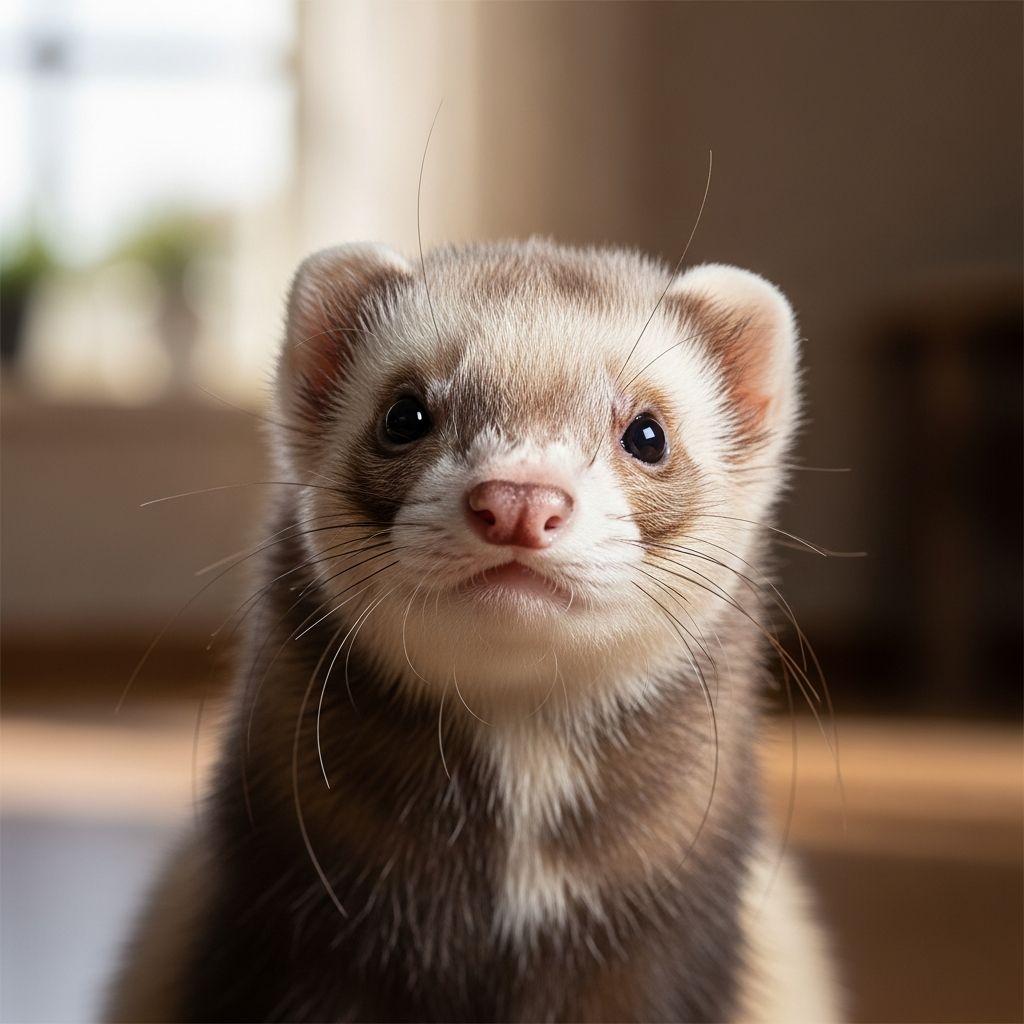
Domestic ferrets, cherished for their playful nature and inquisitive personalities, frequently encounter hormonal disruptions as they age. These endocrine disorders, particularly those involving the adrenal glands and pancreas, represent significant health hurdles for pet ferrets. Understanding these conditions enables proactive management, potentially extending lifespan and enhancing well-being. This guide delves into the mechanisms, clinical presentations, diagnostic approaches, and therapeutic interventions grounded in veterinary expertise.
Understanding the Ferret Endocrine System
The endocrine system in ferrets orchestrates vital physiological processes through hormone secretion from glands like the adrenals, pancreas, thyroid, and pituitary. Unlike dogs or cats, ferrets exhibit heightened susceptibility to certain imbalances due to their reproductive physiology and early neutering practices. Neutering, common to curb odor and aggression, inadvertently heightens risks for adrenal pathologies by disrupting natural feedback loops that regulate hormone production.
Key glands include the adrenal pair, perched atop the kidneys, which produce corticosteroids for stress response and sex steroids influencing secondary characteristics. The pancreas regulates blood sugar via insulin from beta cells. Disruptions here manifest dramatically, often in middle-aged to senior ferrets over three years old.
Adrenal Gland Disorders: A Primary Concern
Adrenal disease, also termed hyperadrenocorticism or adrenocortical disease, tops the list of endocrine afflictions in ferrets. It stems from hyperplasia or neoplasia in the adrenal cortex, leading to excessive sex hormone output like androgens, estrogens, and sometimes cortisol. Early neutering and prolonged artificial lighting exacerbate this by chronically stimulating the hypothalamic-pituitary-adrenal axis.
Recognizing Symptoms
- Hair loss: Symmetrical alopecia starting on the tail and flanks, progressing dorsally, sparing the head and legs.
- Skin alterations: Thinning, wrinkled skin with poor regrowth.
- Reproductive anomalies: Vulvar enlargement in females; prostate hyperplasia in males causing stranguria or obstruction.
- Behavioral shifts: Increased aggression, sexual posturing, or lethargy.
- Systemic effects: Muscle atrophy, pot-bellied appearance, and pruritus.
Male ferrets may develop urinary blockages from prostatic enlargement, a veterinary emergency. Females show persistent estrus-like signs despite spaying.
Diagnostic Pathways
Veterinarians employ a multi-faceted approach: physical exams reveal palpable masses or asymmetry. Blood panels assess hormone levels, though ferret-specific assays are limited. Ultrasound visualizes adrenal enlargement—left glands are easier to image. Radiographs aid in detecting masses or concurrent insulinomas. Advanced testing includes exploratory laparotomy for confirmation.
Pancreatic Dysfunction: Insulinoma Challenges
Insulinomas, functional beta-cell tumors, cause hyperinsulinemia and hypoglycemia, striking 20-30% of aged ferrets. These nodules autonomously secrete insulin, plummeting blood glucose and inducing neurological crises.
Clinical Manifestations
- Hypoglycemic episodes: Weakness, ataxia, seizures, ptyalism, or stargazing.
- Intermittent signs: Post-feeding improvement, fasting exacerbation.
- Progression: Weight loss, anorexia, hindlimb paresis.
Blood glucose below 60 mg/dL signals crisis; normal ferret levels exceed 80 mg/dL.
Confirming the Diagnosis
Serial glucose monitoring post-fasting is pivotal. Ultrasound may detect pancreatic nodules, though small lesions evade detection. Surgical exploration remains gold standard for multifocal disease.
Therapeutic Strategies for Adrenal Disorders
Treatment balances curative surgery against palliative medicine, tailored to age, comorbidities, and owner finances.
Surgical Interventions
Adrenalectomy targets affected glands. Left-sided resections are straightforward, ligating the phrenicoabdominal vein. Right-sided procedures challenge due to vena cava proximity. Success rates exceed 90% for symptom resolution, with hair regrowth in 1-6 months. Bilateral disease or contralateral involvement necessitates vigilant follow-up.
Medical Management Options
| Treatment | Mechanism | Dosage/Form | Duration/Notes |
|---|---|---|---|
| Deslorelin implant | GnRH agonist; downregulates pituitary gonadotropins | Subcutaneous implant (4.6-9.4 mg) | 1-3 years efficacy; licensed for ferrets |
| Leuprolide acetate | GnRH agonist alternative | 100-150 mcg/kg IM q4-8 weeks | Monthly injections; costly long-term |
| Melatonin | Offsets lighting effects; antioxidant | Implant q6 months or oral | Symptomatic relief; adjunctive |
| Finasteride/Bicalutamide | Androgen inhibitors for prostate | Oral daily | Males with urinary issues |
Deslorelin excels, suppressing steroidogenesis within weeks, though initial flare-ups occur. Recurrence demands re-implantation.
Managing Insulinomas Effectively
Acute hypoglycemia demands immediate glucose: IV dextrose (2.5-5%) for crises under 50 mg/dL. Long-term care mandates ad libitum high-protein feeds.
Surgical Approaches
Partial pancreatectomy removes visible nodules. Despite multifocality, it yields 12-18 months remission. Risks include pancreatitis or diabetes.
Pharmacological Controls
| Drug | Action | Dosing | Side Effects |
|---|---|---|---|
| Prednisone | Stimulates gluconeogenesis; counters insulin | 0.5-2 mg/kg BID PO | Polyuria, iatrogenic Cushing’s |
| Diazoxide | Inhibits insulin release; glycogenolysis | 5-30 mg/kg BID PO | Gastroenteritis; combine with prednisone |
Combination therapy optimizes control; dose escalations manage tachyphylaxis.
Preventive Measures and Lifestyle Adjustments
Minimize artificial light to 12 hours daily mimicking natural cycles. Intact ferrets face lower risks, though impractical for pets. Routine vet checks from age 3 facilitate early detection. Nutritional support with prednisone-free diets aids adjunctively.
Prognosis and Long-Term Outlook
Adrenal disease, treated surgically, offers multi-year survival; medical therapy sustains quality life 1-3 years per cycle. Insulinomas shorten lifespan to 1-2 years post-diagnosis without intervention, extending to 2+ years managed. Concurrent diseases complicate trajectories—over 50% ferrets bear both conditions.
Frequently Asked Questions (FAQs)
What triggers adrenal disease in ferrets?
Primarily early neutering and extended photoperiods disrupt pituitary feedback, promoting adrenal proliferation.
Can ferrets recover fully from insulinoma?
Surgery provides longest remission, but recurrence is common; medical therapy maintains stability indefinitely.
Is surgery safe for older ferrets?
Risks elevate with age/comorbidities; medical options suit frail patients.
How do I monitor treatment success?
Track hair regrowth, vulva/prostate size, glucose levels, and behavior; recheck bloodwork/ultrasound biannually.
Are there home remedies?
No substitutes for vet care; ensure constant feeding, minimize stress, and follow prescriptions.
References
- Endocrine Disorders of Ferrets — Merck Veterinary Manual. 2023-10-15. https://www.merckvetmanual.com/exotic-and-laboratory-animals/ferrets/endocrine-disorders-of-ferrets
- Adrenal Disease in Ferrets — PetMD. 2024-05-22. https://www.petmd.com/ferret/conditions/endocrine/adrenal-disease-ferrets
- Adrenal Gland Disease of Ferrets — SASH Vets. 2025-09-01. https://sashvets.com/wp-content/uploads/2025/09/Adrenal-Gland-Disease-of-Ferrets.pdf
- Managing Ferret Endocrine Disorders — dvm360. 2023-11-10. https://www.dvm360.com/view/managing-ferret-endocrine-disorders-proceedings
- Adrenal Disease in Ferrets: Causes, Symptoms & Treatment — Long Beach Animal Hospital. 2024-02-14. https://lbah.com/ferret/ferret-adrenal-disease/
Similar Articles








Read full bio of Sneha Tete