Ferret Emergencies: Essential First Aid And Vet Checklist
Essential guide to spotting and handling urgent health issues in ferrets for timely veterinary intervention and better outcomes.
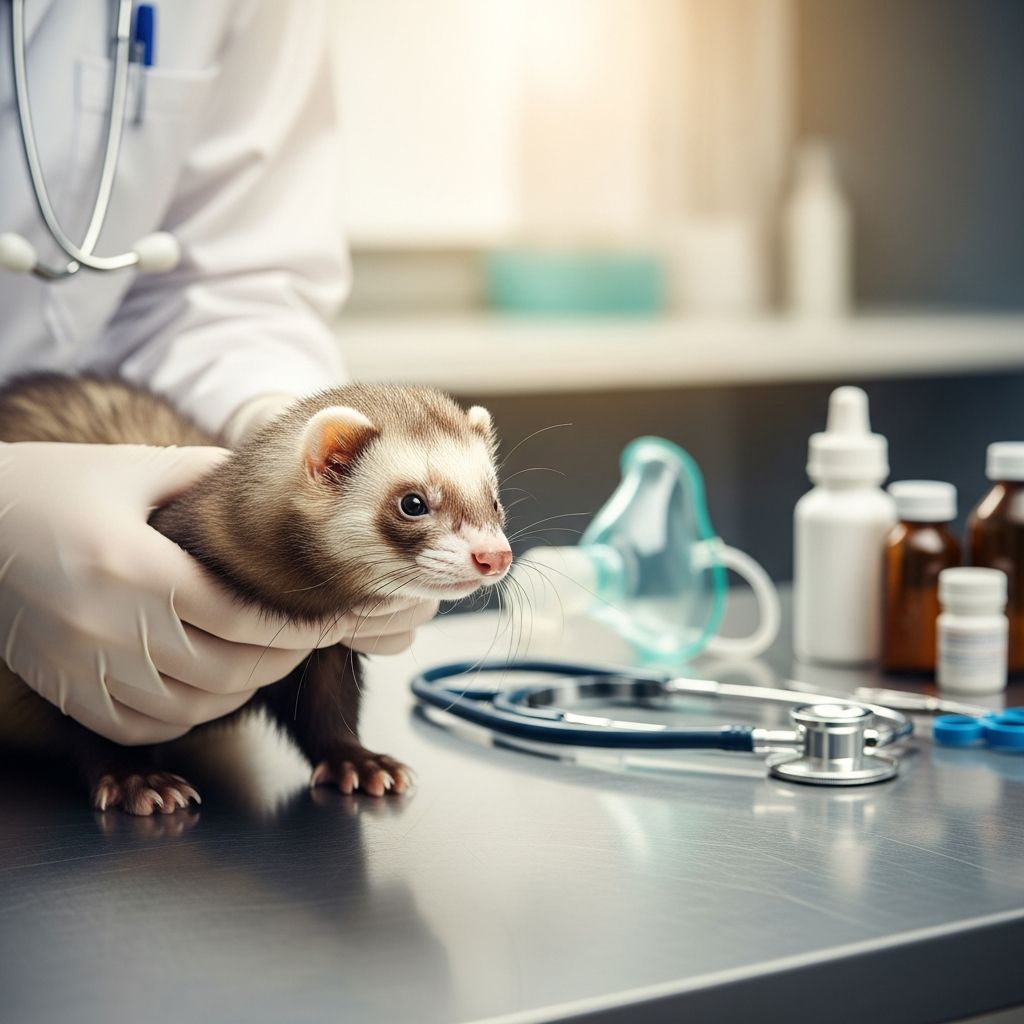
Ferrets are playful and energetic pets, but they can face sudden health crises that demand quick recognition and action. Owners must know the warning signs of life-threatening conditions to ensure prompt veterinary care, as these small animals deteriorate rapidly when ill.
Critical Signs Requiring Instant Veterinary Attention
Some symptoms signal immediate danger, where delaying treatment could be fatal. These include visible distress in vital functions or severe physical trauma.
- Respiratory distress: Labored, shallow, or rapid breathing often points to heart issues or fluid in the lungs, common in older ferrets.
- Circulatory collapse: Weak pulse, quiet heartbeat, or pale/blue gums indicate shock or oxygen deprivation.
- Neurological events: Seizures, staggering, or sudden paralysis suggest insulinoma, toxicity, or trauma.
- Severe trauma: Broken bones, deep punctures, heavy bleeding, or burns/frostbite require stabilization en route to the vet.
- Urinary obstruction: Straining without urine output, especially in males, leads to toxin buildup and death if untreated.
Act fast: Wrap injured ferrets gently, keep them warm, and rush to an exotic animal specialist.
Symptoms Warranting Care Within 24 Hours
Not every issue is an instant crisis, but persistent problems can escalate. Monitor closely and consult a vet promptly.
| Symptom | Possible Causes | Action Steps |
|---|---|---|
| Prolonged vomiting/diarrhea | Blockages, infections, dehydration | Fluids at home if mild; vet if >24 hrs |
| Anorexia/hunger strike | Foreign bodies, dental pain, systemic disease | Offer favorites; vet if no eating in 24 hrs |
| Extreme lethargy | Hypoglycemia, anemia, pain | Check glucose if possible; immediate exam |
| Bloody/dark stools | GI ulcers, parasites, clotting issues | Sample collection for vet analysis |
| Excessive thirst/weight shifts | Diabetes, kidney disease, tumors | Track intake/output; diagnostic tests needed |
Ferrets mask illness well, so subtle changes like reduced playfulness merit attention.
Common Ferret Crises Explained
Gastrointestinal Blockages
One of the top emergencies, often from swallowing toys, socks, or foam. Ferrets stop eating, pass no stool, and may vomit or cough. Diagnosis via X-rays/ultrasound; surgery removes the obstruction with high success if early. Prevention: Supervise play, remove hazards.
Insulinomas and Hypoglycemia
Tumors in the pancreas cause low blood sugar, leading to weakness, drooling, seizures. Test blood glucose; manage with meds or surgery. Lifespan post-diagnosis can exceed a year with care.
Urinary Tract Blockages
Males prone due to narrow urethra from stones/sludge. Symptoms: Straining, bloody urine, abdominal pain. Ultrasound/radiographs guide catheterization or surgery. Untreated, fatal within hours.
Cardiac and Respiratory Issues
Dilated cardiomyopathy in seniors causes fluid buildup, dyspnea. Oxygen therapy, diuretics stabilize; imaging confirms. Early detection via auscultation vital.
Trauma and Toxins
Falls, bites, or poisons (chocolate, xylitol) cause bleeding, seizures. Induce vomiting only under vet guidance; activated charcoal for toxins.
First Aid Essentials for Ferret Owners
While rushing to the vet, provide supportive care:
- Heat stroke: Cool with damp towels/fans; avoid over-chilling.
- Bleeding: Direct pressure; avoid tourniquets.
- Choking: Heimlich-like thrusts; clear airway manually if trained.
- Seizures: Dim lights, no restraint; time duration.
- Dehydration: Pedialyte via syringe if advised.
Stock a ferret ER kit: Digital thermometer, glucose strips, syringes, towels.
Preventive Strategies to Avoid Emergencies
Proactivity reduces risks:
- Annual exotic vet exams with bloodwork.
- Vaccinate against distemper/rabies.
- Neutering/spaying curbs adrenal disease.
- Diet: High-protein kibble, no soft foods causing blockages.
- Ferret-proof home: No small objects, secure chemicals.
Daily checks for appetite, stool, energy keep issues catchable early.
Navigating Veterinary Care
Seek vets experienced in exotics; general practices may lack tools for ferrets. Prepare: Note symptoms timeline, diet, recent exposures. Costs vary; emergencies often $500+ for diagnostics/surgery.
Frequently Asked Questions (FAQs)
What if my ferret won’t eat for 12 hours?
Offer warmed food; if persists, vet check for blockages or illness.
Is soft stool always serious?
No, occasional is fine; bloody/frequent needs evaluation.
Can ferrets get heat stroke indoors?
Yes, above 85°F; provide AC, cool spots.
How do I check my ferret’s gums?
Lift lip: Pink/moist normal; pale/blue bad.
What’s the prognosis for blocked ferrets?
Excellent with prompt surgery.
This guide empowers owners to protect their ferrets. Always prioritize professional care over home remedies.
References
- Emergencies of Ferrets — Merck Veterinary Manual. 2023. https://www.merckvetmanual.com/all-other-pets/ferrets/emergencies-of-ferrets
- Illnesses and Emergencies in Ferrets — PetMD. 2023. https://www.petmd.com/ferret/emergency/common-emergencies/c_ft_emergencies
- Five Ferret Diseases: Signs and Symptoms — VEG ER for Pets. 2023. https://www.veg.com/post/five-ferret-diseases-that-mean-an-er-visit
- Ferrets – Problems — VCA Animal Hospitals. 2023. https://vcahospitals.com/know-your-pet/ferrets—problems
- Ferrets | Healthy Pets, Healthy People — Centers for Disease Control and Prevention (CDC). 2024. https://www.cdc.gov/healthy-pets/about/ferrets.html
Similar Articles








Read full bio of medha deb