

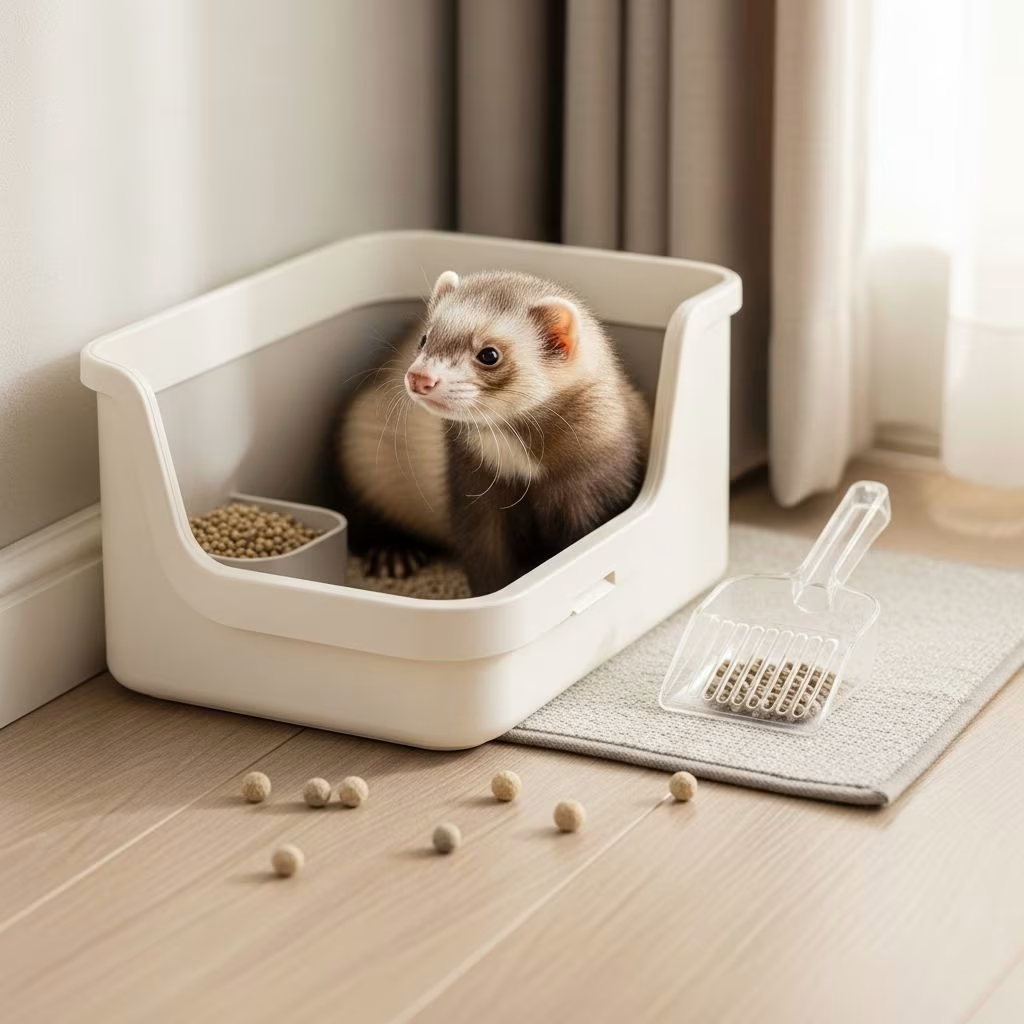
Ferret Litter Training: A Comprehensive Guide to Success
Ferrets are intelligent, curious creatures that can be successfully litter trained, making them excellent indoor pets for dedicated owners. Unlike some small pets, ferrets have a natural instinct to designate specific areas for their bathroom needs, which makes the litter training process significantly easier than you might expect. Understanding their natural behaviors and implementing consistent training strategies will help you establish good litter habits in your ferret, resulting in a cleaner habitat and a more harmonious living situation for both you and your pet.
Understanding Ferret Natural Instincts
Before diving into litter training techniques, it’s essential to understand that ferrets naturally gravitate toward using specific areas for elimination. In the wild, ferrets establish designated bathroom spots away from their sleeping and eating areas. This instinctive behavior is one of your greatest allies in the litter training process. Most ferrets will naturally choose corners or edges of their enclosure to eliminate waste, which aligns perfectly with where you would place litter boxes. By recognizing and working with these natural tendencies rather than against them, you’ll find that litter training becomes a manageable and often surprisingly quick process.
Essential Supplies for Litter Training
To successfully litter train your ferret, you’ll need specific supplies designed for their unique needs:
Litter Box Selection
Choose litter boxes that are appropriately sized for your ferret—they should be large enough for your pet to comfortably move around and position themselves, but not so large that they become unwieldy in the cage. Corner litter boxes are particularly popular choices as they fit naturally into cage corners where ferrets tend to eliminate. Ensure the litter box has low sides so your ferret can easily enter and exit without difficulty. Some owners use multiple smaller boxes rather than one large box, providing more convenient options throughout the habitat.
Appropriate Litter Material
Selecting the right litter is crucial for both your ferret’s health and successful training. Avoid clay-based litters, as they can create dust that may harm your ferret’s respiratory system. Instead, opt for paper-based, pelleted, or eco-friendly litters specifically formulated for small animals. Oxbow’s Eco-straw litter and other dust-free alternatives are excellent choices that won’t compromise your ferret’s health. Avoid aromatic cedar and pine shavings, as these can be toxic to ferrets and may irritate their sensitive respiratory systems.
Supporting Supplies
Keep these additional items on hand to support your litter training efforts:
- Paper towels for spot-cleaning accidents
- Enzymatic cleaner specifically designed for pet waste to eliminate odors and accident sites
- Gloves for sanitary handling during cleaning
- Disinfectant spray for regular habitat maintenance
- Backup litter boxes for placement in different areas
Setting Up Your Ferret’s Litter Box
Optimal Placement
Strategic placement of litter boxes is fundamental to successful training. Observe your ferret’s natural bathroom habits and place boxes in the corners or areas where you notice elimination occurring most frequently. Most ferrets prefer to use the bathroom away from their sleeping and eating spaces, so avoid placing litter boxes near their food and water bowls or favorite sleeping hammocks. In larger habitats or multi-level enclosures, consider placing multiple litter boxes at different levels and locations to provide convenient access. This prevents your ferret from having to travel far to find an appropriate bathroom spot.
Litter Box Setup
Fill your litter box with approximately 2-3 inches of your chosen litter material. This depth allows your ferret to dig and bury waste naturally, which satisfies their instinctive behavior. Ensure the litter is clean and dry, as ferrets may avoid soiled or damp litter boxes. Regularly maintain the litter boxes by scooping out waste daily to keep them fresh and inviting.
Step-by-Step Litter Training Process
Step 1: Observe Your Ferret’s Habits
For the first few days after bringing your ferret home or starting the training process, carefully observe where your pet naturally eliminates waste. Watch for patterns—ferrets typically go to the bathroom shortly after waking up, after eating or drinking, and before settling down to sleep. Identifying these patterns will help you anticipate when your ferret needs bathroom access.
Step 2: Place Litter Boxes Strategically
Once you’ve identified your ferret’s preferred elimination areas, place litter boxes in those locations. Most ferrets will begin using the boxes immediately thanks to their natural instincts. If your ferret is using a corner where you haven’t yet placed a box, move the waste to the litter box using a small scoop. This scent transfer helps guide your ferret toward using the designated bathroom area.
Step 3: Positive Reinforcement
When you catch your ferret using the litter box appropriately, immediately provide positive reinforcement through gentle praise, petting, or small treats approved for ferrets. Positive reinforcement creates a positive association with the litter box and encourages repeat behavior. Avoid punishing accidents, as this creates fear and confusion rather than understanding.
Step 4: Gradual Habitat Expansion
As your ferret demonstrates consistent litter box usage within their primary habitat, gradually expand their access to additional spaces. Introduce additional litter boxes in new areas and supervise your ferret’s behavior. This controlled expansion helps maintain training consistency while allowing your ferret to explore safely.
Troubleshooting Common Litter Training Issues
Accidents Outside the Box
If your ferret has accidents outside the litter box, resist the urge to punish. Instead, clean the accident area thoroughly with enzymatic cleaner to remove all scent markers. Place a small amount of soiled litter from the accident site into the litter box to reinforce its location. Evaluate whether you need additional litter boxes or if existing boxes need repositioning based on your ferret’s behavior patterns.
Refusing the Litter Box
If your ferret refuses to use provided litter boxes, consider these factors: the litter material may be unsuitable, the box placement may be inconvenient, or the litter may be too dirty. Try different litter types and brands to find your ferret’s preference. Some ferrets have strong opinions about their bathroom accommodations, and experimentation may be necessary to find the ideal setup.
Multiple Ferret Dynamics
When housing multiple ferrets, ensure you have at least one litter box per ferret, plus one additional box. This prevents competition and allows each ferret to have reliable bathroom access. Place boxes in different locations to reduce territorial disputes over bathroom facilities.
Health-Related Issues
If a previously well-trained ferret suddenly stops using the litter box consistently, this may indicate a health problem. Diarrhea, digestive issues, or other medical concerns can interrupt litter training progress. If you notice changes in your ferret’s bathroom habits or litter box usage, consult with a veterinarian who specializes in exotic pets to rule out underlying health issues.
Maintaining Clean Litter Boxes
Daily Maintenance
Scoop out wet litter and visible waste daily to keep litter boxes clean and inviting. Remove any soiled bedding from surrounding areas to prevent odor accumulation. Spot-cleaning daily maintains a fresh-smelling habitat and encourages continued litter box use.
Weekly Deep Cleaning
Once weekly, completely empty litter boxes and wash them with warm water and mild soap. Rinse thoroughly and allow to dry completely before refilling with fresh litter. This deep cleaning eliminates bacteria buildup and odor that can develop over time, keeping both the boxes and your habitat fresh and hygienic.
Odor Control
Ferrets have a naturally strong odor, and their waste contributes significantly to habitat smell. Regular litter box maintenance is the most effective odor control method. Additionally, ensure your ferret’s entire habitat is cleaned thoroughly at least once weekly. Use a 3% bleach solution on hard surfaces, rinsing thoroughly afterward, to disinfect and minimize odors.
Common Litter Training Timeline
Most ferrets can be successfully litter trained within a few days to two weeks, depending on age and individual personality. Young ferrets typically catch on quickly to litter training due to their natural instincts and ability to learn rapidly. Adult ferrets may take slightly longer if they haven’t been previously trained, but their larger size and established routines often make training straightforward. Senior ferrets may need additional patience and more frequent litter box placement options.
Expanding Beyond the Cage
Once your ferret demonstrates reliable litter box usage within their primary habitat, you can begin expanding their bathroom privileges to supervised play areas. Place additional litter boxes in corners of ferret-proofed rooms where your pet exercises and explores. Supervise outdoor time carefully and redirect your ferret to the nearest litter box if you notice signs they need to eliminate. This gradual expansion maintains training consistency while allowing your ferret appropriate enrichment and exercise.
Special Considerations for Different Life Stages
Baby Ferrets
Young ferrets typically learn litter training quickly due to their developing brains and natural instincts. Implement training from the moment you bring them home by placing litter boxes in appropriate locations and providing immediate positive reinforcement. Consistency is key with young ferrets, as they’re establishing lifelong habits.
Adult Ferrets
Adult ferrets may require more patience if they’ve never been trained or were trained inconsistently. However, their established bathroom routines often mean they’ll quickly adopt litter boxes placed in their preferred elimination areas. Maintain consistent box placement and cleaning schedules to reinforce training.
Senior Ferrets
Senior ferrets may need more frequent bathroom access and additional litter boxes placed strategically throughout their space. Age-related incontinence or health issues may affect litter training consistency. Consult with your veterinarian about any changes in your senior ferret’s bathroom habits and consider more frequent litter box placement to accommodate their needs.
Frequently Asked Questions About Ferret Litter Training
Q: How long does it typically take to litter train a ferret?
A: Most ferrets can be successfully litter trained within a few days to two weeks. Young ferrets often catch on faster than adults, and consistency in box placement and maintenance significantly impacts training speed.
Q: What’s the best litter to use for ferrets?
A: Use dust-free, paper-based, or eco-friendly pelleted litter specifically formulated for small animals. Avoid clay-based litters and aromatic cedar or pine shavings, as these can harm your ferret’s respiratory system and health.
Q: Should I use multiple litter boxes?
A: Yes, especially in larger habitats or multi-level enclosures. Place at least one box per ferret plus one additional box. Multiple boxes reduce competition and provide convenient access throughout the habitat.
Q: What if my ferret suddenly stops using the litter box?
A: This may indicate a health issue or environmental change. Check if litter boxes are clean and properly placed, and consult with an exotic veterinarian to rule out medical problems like digestive issues or illness.
Q: Can ferrets be trained to use a toilet?
A: While some ferret owners have experimented with toilet training, traditional litter boxes are the standard and most reliable method. Ferrets feel more secure with accessible litter boxes in their habitat.
Q: How often should I clean the litter box?
A: Scoop daily to remove waste and wet litter, and perform a complete box cleaning and refill weekly. Regular maintenance keeps boxes inviting and your habitat fresh.
Q: What should I do if my ferret has an accident outside the box?
A: Never punish accidents. Instead, clean thoroughly with enzymatic cleaner to remove odors, place some soiled litter in the box from the accident site, and evaluate your litter box placement and quantity.
Q: Is litter training necessary for ferrets?
A: Yes, litter training is highly recommended. It makes ferret care significantly easier, reduces habitat odor, maintains cleanliness, and prevents health issues associated with unsanitary living conditions.
References
- Ferret Care Sheet — PetMD. Accessed November 2025. https://www.petmd.com/ferret/ferret-care-sheet
- Ferret Care Sheet — Agave Veterinary Care. 2023-08. https://agavevetcare.com/
- Caring for your FERRET – Oxbow Animal Health — Oxbow Animal Health. 2022-07. https://oxbowanimalhealth.com/
- Ferret Care Guide — Long Island Avian and Exotic Veterinary Clinic. Accessed November 2025. https://www.birdexoticsvet.com/ferret-care-guide
- Caring for Your Pet Ferret — NC State Veterinary Hospital. Accessed November 2025. https://hospital.cvm.ncsu.edu/services/small-animals/nutrition/caring-for-your-pet-ferret/
- Animal Humane Society Ferret Care — Animal Humane Society. Accessed November 2025. https://www.animalhumanesociety.org/resource/ferret-care



